Solar Panels and Your Portsmouth Roof: Coastal Fixings, Wind Uplift and the Checks Before You Install
Portsmouth gets somewhere between 1,750 and 1,900 hours of sunshine a year, comfortably ahead of the UK average of around 1,400, which makes it one of the better places in Britain to put panels on a roof. It's also on an island in the Solent, exposed on three sides, with salt-laden air and wind speeds that regularly exceed anything an inland installer designs for. Those two facts pull in opposite directions. A solar array is a 25 to 30 year commitment bolted through your roof covering, and if the roof underneath isn't up to it, or the fixings aren't specified for a marine environment, you find out during a February gale. Here's what to check before anyone drills a hole.
Check One: How Much Life Is Left in the Roof
This is the question that costs people the most money, and it's the easiest to answer.
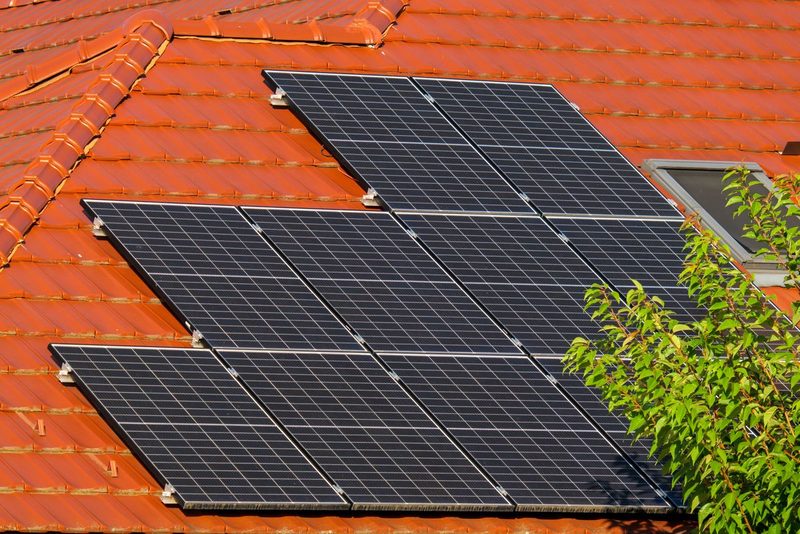
Solar panels have a design life of 25 to 30 years. If your roof covering has fewer than about ten years left, the panels will outlive it, and at some point you'll be paying £1,000 to £2,000 to take the array off and put it back so the roof can be replaced underneath. Do the re-roof first and that money stays in your pocket.
Typical remaining life by covering on a Portsmouth property:
- Welsh slate, original, well maintained - often 30 to 60 years left, even at 120 years old. Slate ages remarkably well. It's the nails that fail, not the slate.
- Concrete interlocking tiles from the 1960s to 80s - 50 to 60 year total life, so many are now in the last decade
- Clay plain tiles - 60 to 100 years, but individual tiles spall and delaminate
- Felt flat roof on an extension - 10 to 20 years, and generally not a sensible place for panels at all
The practical test is an independent inspection by someone with no interest in selling you panels. Getting a roofer to assess the covering first costs a fraction of what a mid-life removal and refit does, and it's the single most useful thing you can do before signing anything.
Check Two: Wind Uplift, Which Portsmouth Has More of Than Most
A solar array is, aerodynamically, a wing. Wind flowing over a pitched roof accelerates at the ridge and the verges, and a panel mounted there takes substantially more uplift than one in the middle of the slope.
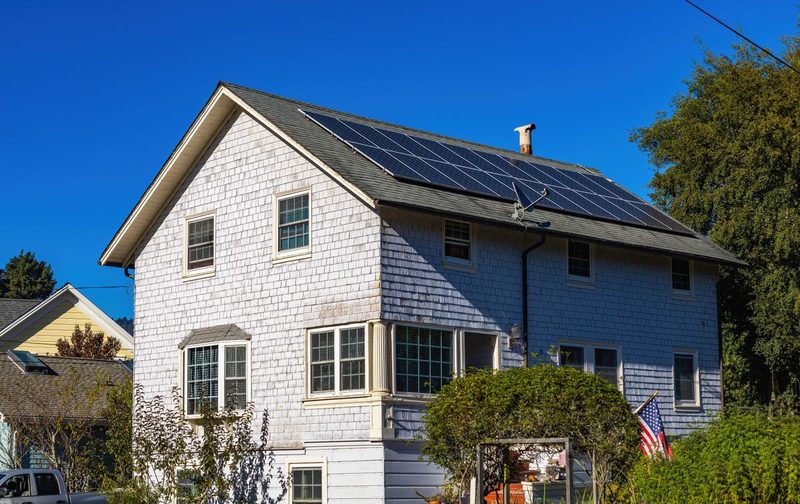
Portsmouth's exposure makes this more than a technicality. Portsea Island has essentially no shelter from the south and west, and the fetch across the Solent means wind arrives over water rather than over buildings. Southsea's seafront terraces, the streets running down to Eastney, and anything on high ground around Portsdown all sit in higher wind loading zones than a comparable house in, say, Winchester.
What good practice looks like:
- Fixings go into rafters, not battens. A batten will hold a tile. It will not hold a panel array through a storm.
- Panels are set back from ridges, verges and eaves by at least 300mm to 500mm, because those are the high-uplift zones.
- The mounting calculation should reference BS 5534 and BRE wind loading guidance , with your actual postcode used for the wind speed, not a national average.
- Ballasted systems on flat roofs need recalculating for coastal exposure. An inland ballast weight is not enough here.
Ask your installer to show you the wind loading calculation for your address. A competent one will have it. If the answer is a shrug, that tells you what you need to know.
Check Three: Salt Air and the Fixings Nobody Talks About
This is the genuinely Portsmouth-specific issue, and it's where cheap installations fail.
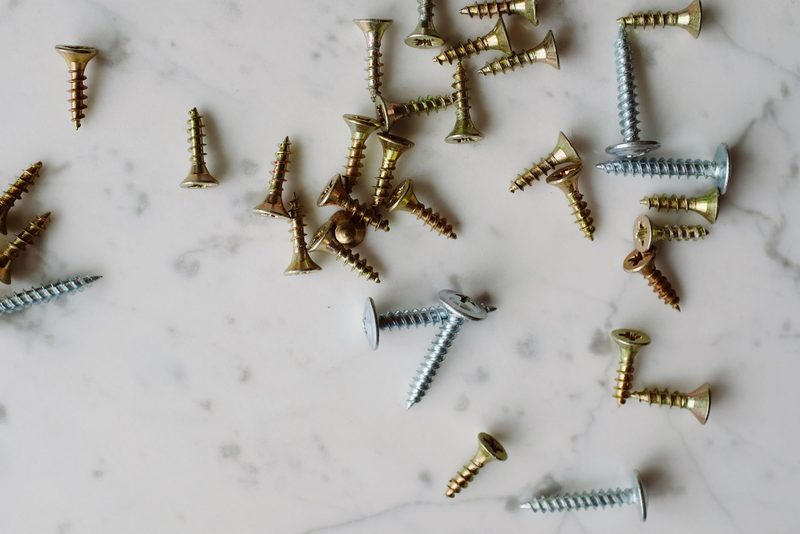
Salt-laden air accelerates corrosion dramatically. Standard A2 (304 grade) stainless steel, which is fine on an inland roof, pits and stains within a few years within a mile of the sea. The correct specification for a coastal installation is A4 (316 grade) stainless , which contains molybdenum and resists chloride attack far better. The cost difference across a domestic array is small - typically £60 to £150 - and it's the difference between fixings that last thirty years and fixings that need attention in eight.
Two other corrosion issues worth knowing about:
Galvanic corrosion. Where dissimilar metals touch in the presence of salt water, the less noble metal corrodes. Aluminium rails bolted directly to stainless brackets, or either fixed through a lead flashing, need isolating washers or an appropriate coating. On the Southsea and Eastney seafront this matters within a couple of winters.
Cable and connector degradation. DC connectors and cable glands exposed to salt spray fail earlier than the manufacturer's inland figures suggest. UV and salt-rated cable, properly clipped and not left resting on the tiles, is the minimum.
The Gull Problem Under the Panels
Portsmouth has a substantial urban herring gull population, and the gap between a panel and the roof is, from a gull's point of view, an ideal covered nesting site. Once they're in, the nest material blocks airflow, droppings corrode fixings, and removing an active nest is restricted by law. We've covered the legal position and the proofing costs in our guide to seagulls and nesting birds on Portsmouth roofs. The short version: fit mesh proofing around the array perimeter at installation, when it costs £150 to £400, rather than afterwards when it costs more and has to wait for the nesting season to end.
Check Four: Slate Roofs Need Different Fixings
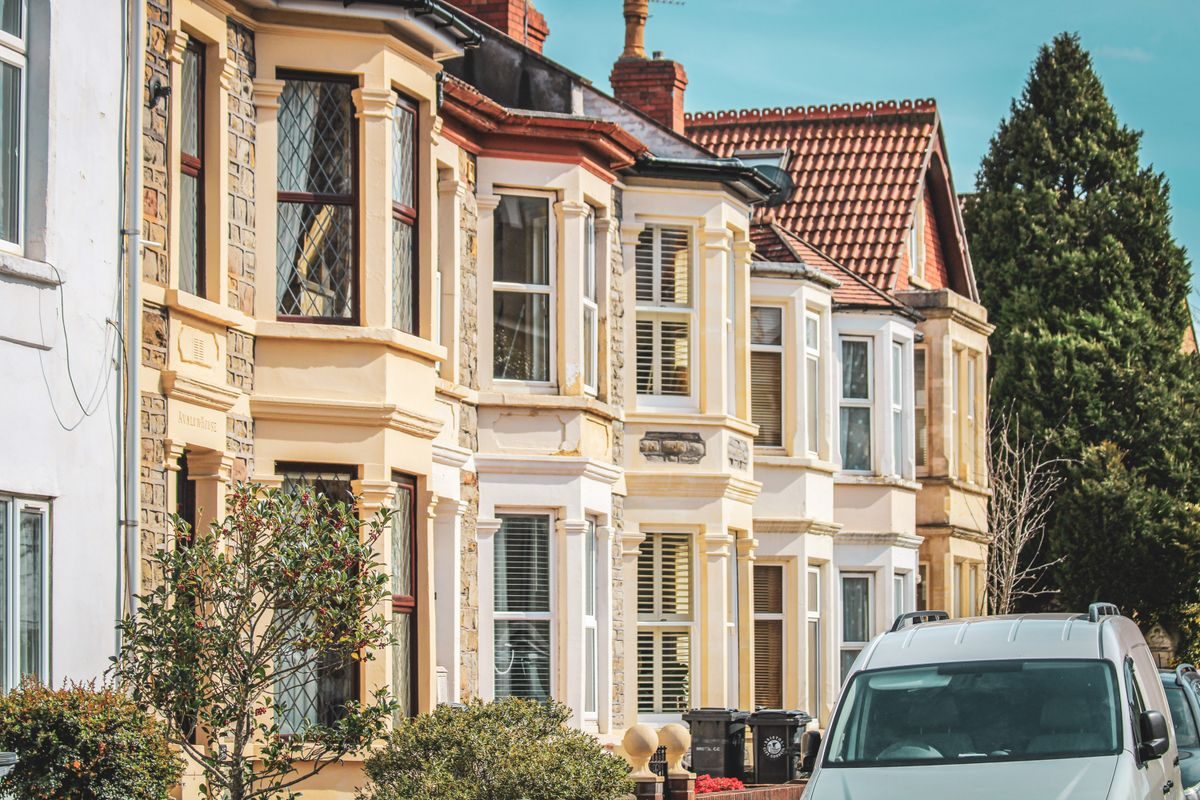
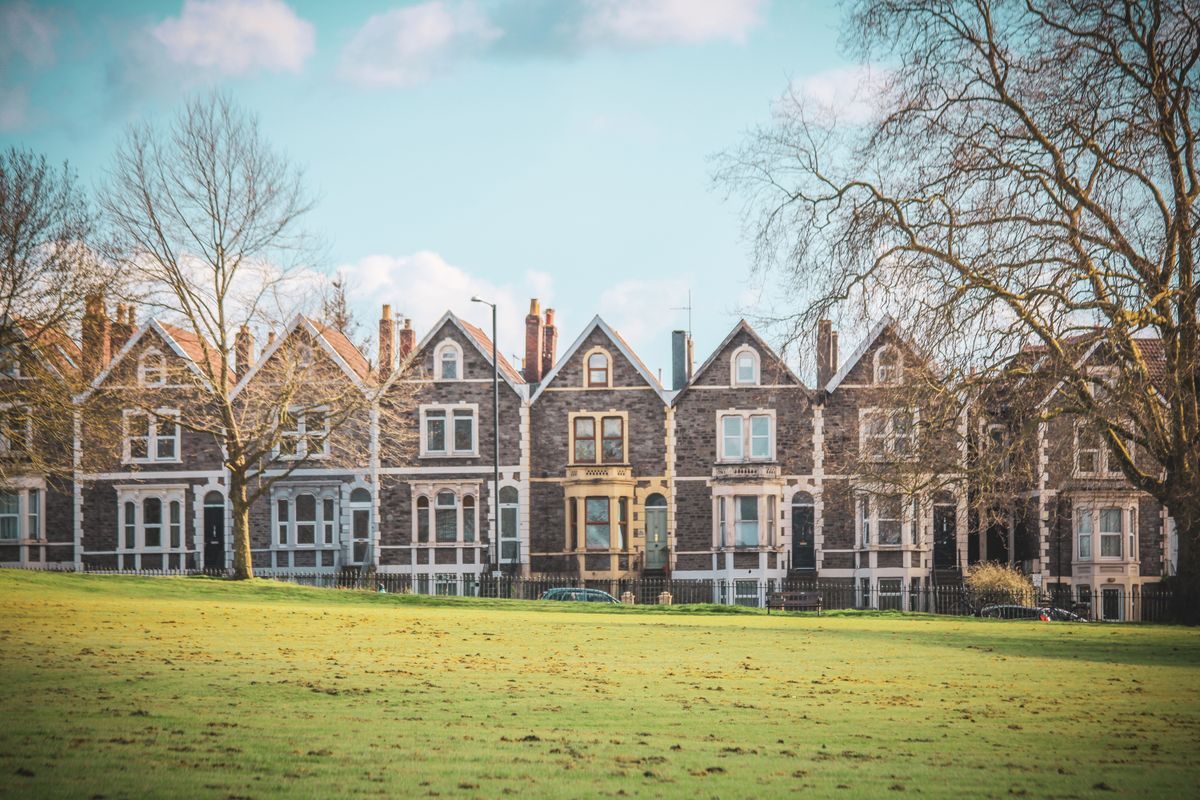
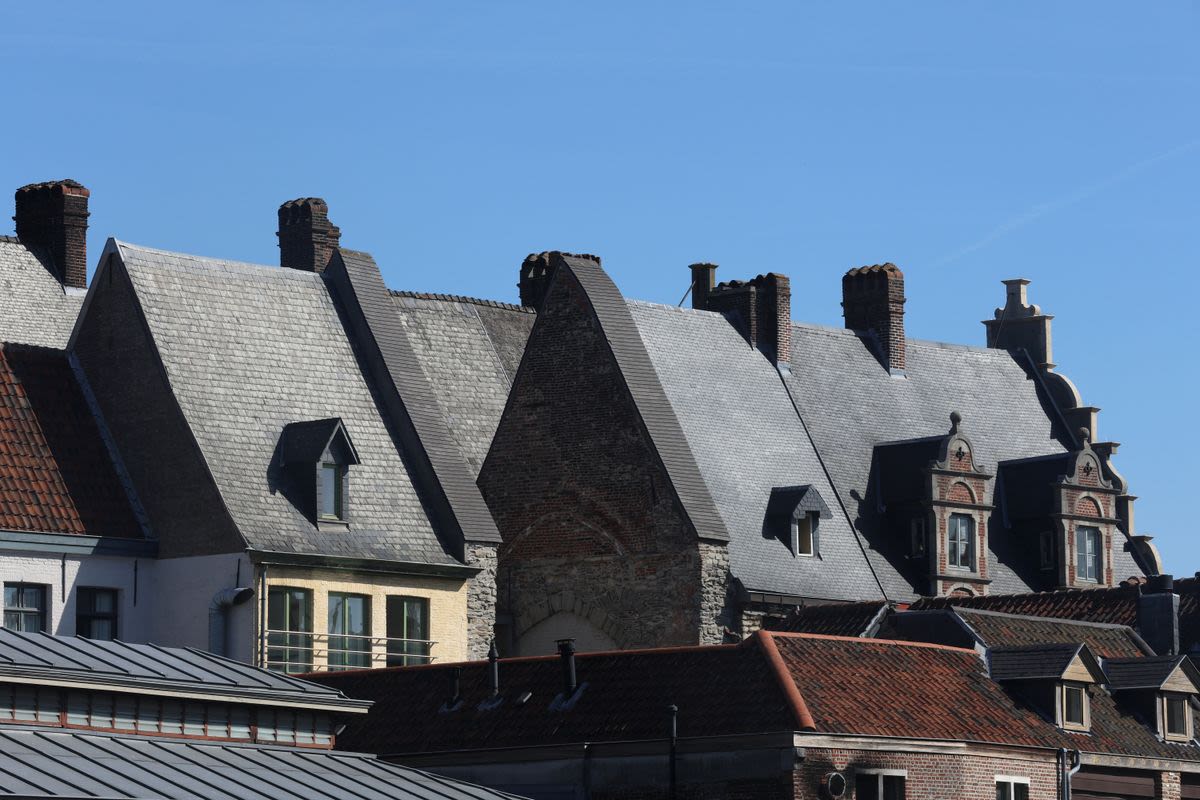
A large share of Portsmouth's Victorian terraces - Fratton, Buckland, North End, much of Southsea - are covered in natural slate, and slate cannot be treated like tile.
A tile roof allows a hook bracket to be slid under a lifted tile with a notch cut for the bracket arm. Slates are nailed twice near the head and laid in a double lap, so lifting one to get at the rafter means disturbing the two courses above it. Done badly, you get a leak six months later that has nothing to do with the panels and everything to do with how they went on.
Correct practice on slate:
- Purpose-made slate hooks or slate-specific brackets, not tile hooks adapted on site
- A lead soaker or proprietary flashing where the bracket passes through the covering
- Slates refixed with copper or stainless nails, or slate hooks - never just bedded on mastic
- Broken slates replaced, not patched
Expect a competent installer to charge more for a slate roof. If they quote the same price as for a concrete tile roof, they either haven't looked or aren't planning to do it properly.
Check Five: Structure and Load
A domestic array adds roughly 12 to 16kg per square metre once panels, rails and fixings are counted. That's not much, and most roofs handle it. The exceptions are worth identifying before, not after.
- Victorian rafters are often 100mm x 50mm at 400mm centres with no ridge support, which is usually adequate but occasionally marginal over long spans
- Roofs already carrying a heavy covering - clay plain tiles at around 65kg/m² - have less headroom than a slate roof at 25kg/m²
- Previously altered roofs , particularly where a loft conversion has cut through structure, need a look by someone qualified
- Trussed rafter roofs from the 1970s onwards are designed to a specific loading and are not meant to be modified
For anything other than a straightforward case, a structural opinion costs £250 to £500 and removes the doubt.
Check Six: Planning, Conservation and Listed Status
Most solar installations in Portsmouth are permitted development, but not all. The Planning Portal's guidance on solar panels sets out the conditions, and the ones that trip people up are:
- Panels must not protrude more than 200mm from the roof plane
- They must not be higher than the highest part of the roof, excluding the chimney
- On a listed building, listed building consent is required , regardless of permitted development
- In a conservation area , panels on a wall or roof slope fronting a highway need full planning permission
Portsmouth has several conservation areas including Old Portsmouth, parts of Southsea and Owen's Southsea, and the city has a substantial number of listed buildings around the Historic Dockyard and the old town. Check your property's status with Portsmouth City Council before you commit, because retrospective enforcement is expensive and unpleasant.
Choosing Who Does What
There's a sensible division of labour here that a lot of homeowners miss.

The solar installer should be MCS certified if you want access to the export guarantee and most finance products. You can check registration through the MCS installer directory. MCS covers the electrical and generation side properly.
The roofer should look at the covering before and, ideally, after. MCS certification says nothing about roofing competence, and the most common post-installation complaint is a leak around a bracket, not an electrical fault. A contractor working to the standards published by the National Federation of Roofing Contractors will know how a bracket should be flashed into slate.
Get the roof report first. If it says the covering has fifteen years left, proceed. If it says eight, re-roof and install at the same time - doing both together typically saves £800 to £1,500 against doing them separately.
Frequently Asked Questions
Should I replace my roof before installing solar panels in Portsmouth?
If the covering has fewer than about ten years of life left, yes. Panels last 25 to 30 years, and removing and refitting an array so the roof can be replaced underneath costs £1,000 to £2,000. Doing the re-roof and the installation together usually saves £800 to £1,500 on scaffolding and labour.
What fixings should solar panels use on a coastal Portsmouth roof?
A4 (316 grade) stainless steel rather than the standard A2 (304 grade). Salt-laden air pits and stains 304 stainless within a few years near the sea. The upgrade typically costs £60 to £150 across a domestic array and materially extends the life of the mounting system. Isolating washers between dissimilar metals are also important.
Can solar panels be fitted to a slate roof?
Yes, but they need slate-specific hooks or brackets and proper flashing where the fixing passes through the covering, not tile hooks adapted on site. Slates are double-lapped and nailed, so lifting one disturbs the courses above. Expect a slate installation to cost more than a concrete tile one - a quote that is identical for both is a warning sign.
Do I need planning permission for solar panels in Portsmouth?
Usually not, as most installations are permitted development provided the panels protrude no more than 200mm and sit below the ridge line. You will need listed building consent on a listed property, and full planning permission for panels on a roof slope fronting a highway in a conservation area such as Old Portsmouth or parts of Southsea.
Do seagulls nest under solar panels in Portsmouth?
Frequently. The gap between panel and roof is an attractive covered nesting site for Portsmouth's urban herring gulls, and nest material restricts airflow while droppings corrode fixings. Fitting perimeter mesh proofing at installation costs £150 to £400 and is far cheaper than dealing with an established nest, which is also legally restricted during the breeding season.
```json { "@context": "https://schema.org", "@type": "FAQPage", "mainEntity": [ { "@type": "Question", "name": "Should I replace my roof before installing solar panels in Portsmouth?", "acceptedAnswer": { "@type": "Answer", "text": "If the covering has fewer than about ten years of life left, yes. Panels last 25 to 30 years, and removing and refitting an array so the roof can be replaced underneath costs £1,000 to £2,000. Doing the re-roof and the installation together usually saves £800 to £1,500 on scaffolding and labour." } }, { "@type": "Question", "name": "What fixings should solar panels use on a coastal Portsmouth roof?", "acceptedAnswer": { "@type": "Answer", "text": "A4 (316 grade) stainless steel rather than the standard A2 (304 grade). Salt-laden air pits and stains 304 stainless within a few years near the sea. The upgrade typically costs £60 to £150 across a domestic array and materially extends the life of the mounting system. Isolating washers between dissimilar metals are also important." } }, { "@type": "Question", "name": "Can solar panels be fitted to a slate roof?", "acceptedAnswer": { "@type": "Answer", "text": "Yes, but they need slate-specific hooks or brackets and proper flashing where the fixing passes through the covering, not tile hooks adapted on site. Slates are double-lapped and nailed, so lifting one disturbs the courses above. Expect a slate installation to cost more than a concrete tile one - a quote that is identical for both is a warning sign." } }, { "@type": "Question", "name": "Do I need planning permission for solar panels in Portsmouth?", "acceptedAnswer": { "@type": "Answer", "text": "Usually not, as most installations are permitted development provided the panels protrude no more than 200mm and sit below the ridge line. You will need listed building consent on a listed property, and full planning permission for panels on a roof slope fronting a highway in a conservation area such as Old Portsmouth or parts of Southsea." } }, { "@type": "Question", "name": "Do seagulls nest under solar panels in Portsmouth?", "acceptedAnswer": { "@type": "Answer", "text": "Frequently. The gap between panel and roof is an attractive covered nesting site for Portsmouth's urban herring gulls, and nest material restricts airflow while droppings corrode fixings. Fitting perimeter mesh proofing at installation costs £150 to £400 and is far cheaper than dealing with an established nest, which is also legally restricted during the breeding season." } } ] } ```
```json { "@context": "https://schema.org", "@type": "Article", "headline": "Solar Panels and Your Portsmouth Roof: Coastal Fixings, Wind Uplift and the Checks Before You Install", "description": "The roof checks to make before solar panels go on a Portsmouth house, why coastal wind and salt air change the fixing spec, what a slate terrace needs, and when to re-roof first.", "author": { "@type": "Organization", "name": "The Team" }, "datePublished": "2026-09-15", "dateModified": "2026-09-15", "articleSection": "Roof Repairs" } ```
Ready to work with Roof Repairs Portsmouth?
Let's connect! We’re here to help.
Send us a message and we’ll be in touch.
Or give us a call today at 023 9355 3469
Agency Contact Form
More Marketing Tips, Tricks & Tools