Bay Window and Porch Roofs in Portsmouth: Why These Small Roofs Fail First and What Repairs Cost
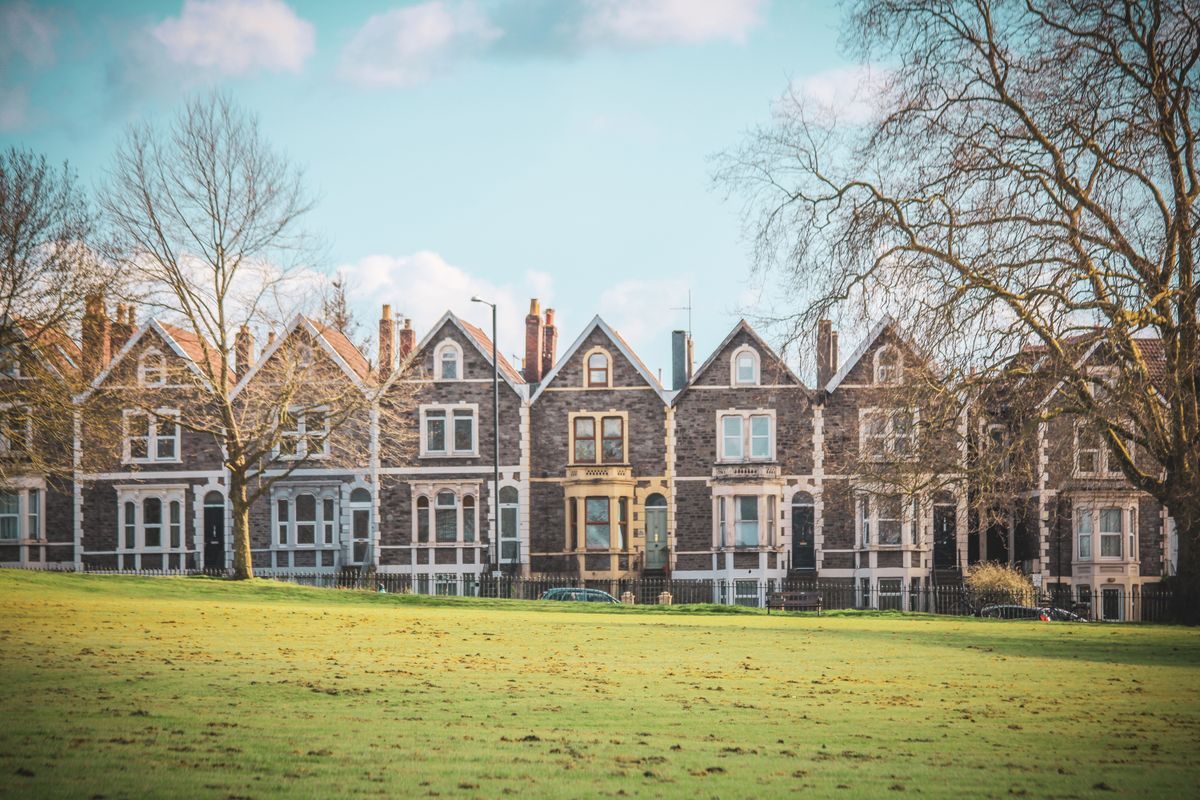
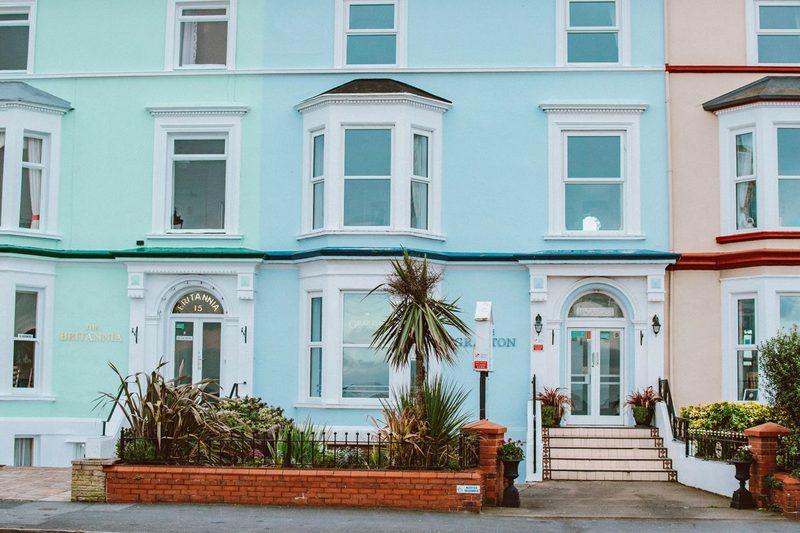
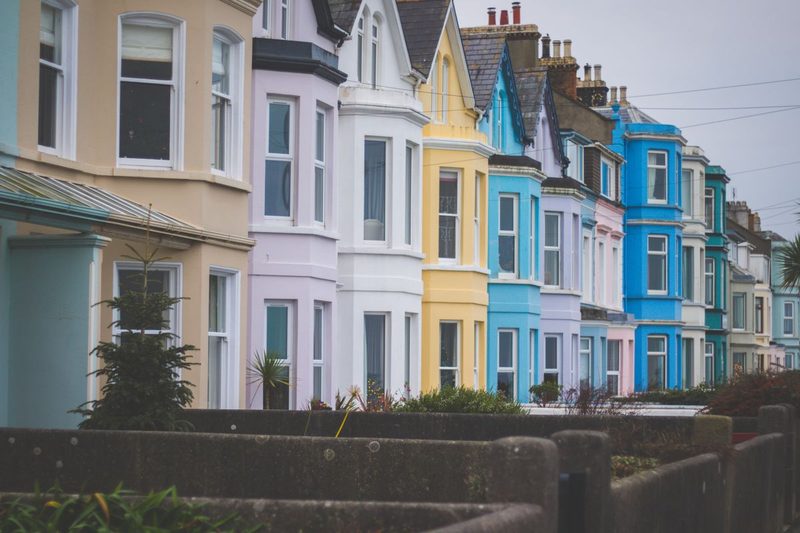
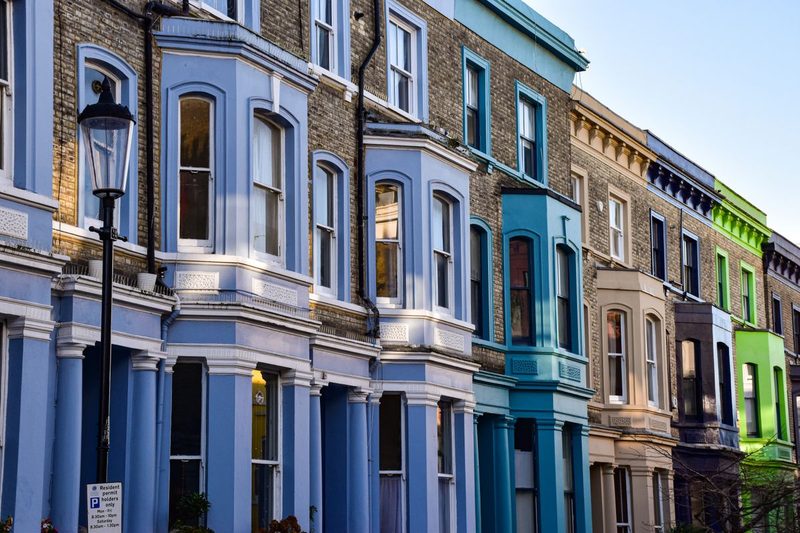
Portsmouth is the most densely populated city in the UK outside London, at roughly 5,100 people per square kilometre, and that density is built almost entirely out of Victorian and Edwardian terraces. Walk down almost any street in Southsea, Fratton, Milton, Buckland or North End and you'll see the same thing repeated a thousand times: a two-storey bay, sometimes two stacked, each capped with a small flat or shallow-pitched roof about a metre and a half deep. Those little roofs are the first thing to fail on the whole building. They're older than most homeowners realise, they're almost never inspected, and because they sit directly above a front room they produce damp on the inside of a wall rather than a drip in a loft, which means people misdiagnose them for years.
Why the Bay Roof Fails Before the Main Roof
A main roof is steep, self-draining, and covered in slates or tiles that shed water by gravity in about four seconds. A bay roof is flat or nearly flat, a couple of square metres of it, and relies entirely on a continuous waterproof membrane with nowhere for a mistake to hide.
Three things stack against it on a Portsmouth terrace. It's small, so any defect covers a large proportion of the total area. It has an unusually high ratio of edges and junctions to open field, with an abutment to the house wall on one side, three exposed edges, and often a window or two sitting right on top of it. And it takes weather from the front, which on most Portsmouth streets means the full south-westerly coming up off the Solent.
Salt does the rest. Portsmouth sits on an island with sea on three sides, and airborne chloride accelerates corrosion of the fixings, the clout nails, the lead clips and the steel within any render or brick above. That's the mechanism behind the surprisingly common failure where the covering is sound but the fixings rotted out from underneath.
If the damp inside your bay is new this autumn, it's worth getting someone up to look at the bay roof specifically before anyone starts talking about the main roof or about rising damp, because on these houses the bay is the likely culprit far more often than either.
What's Actually Up There
Most Portsmouth bay roofs are one of four things, and identifying yours narrows the repair options considerably.
Original lead was the Victorian standard, laid in bays with rolls or welted joints. Where it survives it's usually code 4 or code 5, and a properly laid lead bay roof can last 80 to 120 years. The trouble is thermal movement: lead expands and contracts significantly, and where a bay is too large or was laid in single oversized sheets it splits along the fatigue lines, usually at the abutment.
Mineral felt is what most lead was replaced with between about 1960 and 2000. Three-layer built-up felt, torch-on or pour-and-roll, with a mineral chipped top layer. Service life 15 to 25 years, and a very large number of Portsmouth bays are currently running on felt laid in the late nineties.
Asphalt appears on some interwar and post-war properties. Durable, but it goes brittle with age and cracks at the edges.
Then there's the modern generation: EPDM rubber and GRP fibreglass, both now common on bays because they suit small, awkward shapes. EPDM is a single sheet with no joints on a roof this size, which is exactly what you want.
The Overlooked One: The Porch
Porch and canopy roofs have all the same problems in a smaller package, plus one of their own. They're often fixed to the wall with no proper tray or flashing, just mortar fillet, and mortar fillets fail. Where a Portsmouth terrace has a shared porch across two front doors, you also get the party wall question, because the covering crosses a boundary.
The Symptoms, and How They're Misread
Bay roof failure shows up inside in a very specific pattern, and it's routinely blamed on something else.
Damp appearing on the inside wall of the front room at chest to head height, often in the corner where the bay meets the main wall. Staining or bubbling paint on the ceiling of the bay recess. A musty smell in the front room that's worse in winter. Blown plaster in a band across the bay's internal head. Peeling wallpaper that starts high and works down.
That pattern gets diagnosed as rising damp with remarkable frequency, which it is not, because rising damp starts at skirting level and works up. It also gets blamed on condensation, and although Portsmouth's mild damp maritime winters genuinely do produce a lot of condensation, condensation appears on cold surfaces and in corners of external walls generally, not in a line following the bay roof abutment.
The test is simple. Is the damp worse two days after heavy rain than during a cold dry snap? Then it's water ingress, not condensation.
Catching this early matters financially. A failed bay roof caught in year one is a £600 to £1,400 repair. Left three winters, the timber deck rots, the wall plate goes, the internal plaster fails and the bay's supporting structure can need attention: that's £2,500 to £6,000. Our guide to flat roof repairs in Portsmouth covers the wider flat roof picture on the city's housing.
Repair and Replacement Costs in Portsmouth in 2026
Bay roofs are small, so the cost is dominated by access and labour rather than materials.
- Localised patch repair to felt, sealing a split or lifted edge: £180 to £400
- New lead flashing or cover flashing at the abutment only: £250 to £550
- Full EPDM re-cover on a standard single bay, including new deck if needed: £900 to £1,600
- GRP fibreglass re-cover, single bay: £1,100 to £1,900
- New lead bay roof, code 5, laid properly in bays: £1,600 to £3,200
- Two stacked bays on a three-storey Southsea terrace: £2,200 to £4,500
- Porch or canopy roof re-cover: £500 to £1,100
- Additional timber repairs where the deck or wall plate has rotted: £250 to £800
Scaffold or a tower adds £250 to £600 on most front elevations, and on the narrower streets in Fratton and Buckland where there's no off-street frontage, a pavement licence may be needed on top. Where a bay roof is reachable from an upstairs sash window, a good contractor can sometimes work off a tower on the pavement for a few hours instead, which is the cheaper route when the job allows it.
The Detail That Determines Whether It Lasts
Small roofs are lost at the junctions, not in the middle. Four details are worth knowing about because they're the ones that separate a 5-year repair from a 25-year one.

The upstand at the wall should be a minimum of 150mm, taken up behind a proper chased-in cover flashing or a lead tray, not stopped short and sealed with mastic. Mastic at a wall abutment is a temporary fix presented as a permanent one, and it's the most common shortcut on cheap bay roof quotes.
Falls need to be positive, at least 1:80 after deflection, so ideally designed at 1:40. A dead-flat bay roof ponds, and standing water finds every weakness. On an old bay where the joists have sagged, that means firring pieces to build the fall back in rather than laying a new covering over the same slope.
Edge trims and drips should throw water clear of the brickwork below. Where they don't, you get a permanent damp stripe down the render under the bay, which everyone attributes to the wall.
And ventilation. A cold-deck bay roof needs a ventilated void above the insulation, or it will condense internally and rot from the inside while looking perfect from above. Warm-deck construction, with insulation above the deck, avoids the problem and is what most decent contractors now specify. The National Federation of Roofing Contractors publishes technical guidance on flat roof detailing, and it's a reasonable benchmark to hold a quote against.
Planning, Conservation and Listed Property
Portsmouth has several conservation areas, including large parts of Old Portsmouth, Owen's Southsea and Thomas Ellis Owen's estate, plus a number of listed terraces.
Like-for-like repair to a bay roof generally counts as maintenance and doesn't need planning permission. Changing the material does not usually need permission either on an unlisted house, since a flat roof at this level is rarely visible from the street. The Planning Portal's guidance on roof work sets out where permitted development ends.
Listed buildings are different. Replacing a lead bay roof with EPDM on a listed Portsmouth terrace requires listed building consent, and consent for that substitution is frequently refused because lead is the historically correct material and visible from the upper floors of the street opposite. Doing it without consent is a criminal offence, not a planning technicality. Portsmouth City Council can confirm the designation of a specific address.
In conservation areas without an Article 4 direction, you usually have more freedom than people assume for a low-level flat roof, but it's a ten-minute check rather than an assumption worth making.
Timing the Work Around Portsmouth's Weather
Portsmouth gets around 740mm of rain a year, which is drier than the England average, and enjoys some of the highest sunshine totals in the UK at roughly 1,900 hours. On paper that's a gentle climate for a roof.
The problem isn't volume, it's wind and salt. The city is exposed on three sides and regularly sees gusts over 50mph in winter storms coming up the Solent, and driven rain at that speed goes uphill. A bay roof detail that copes fine with vertical rain in Hampshire's inland villages will take water back under the flashing in an easterly gale on Southsea seafront.
Practically, that argues for doing this work between April and September. EPDM and GRP both need dry conditions and a minimum temperature to cure or bond properly, GRP especially, which doesn't like anything below about 5°C or damp substrates. Lead can be worked year-round. If your bay roof is leaking in January, a temporary covering until spring is often the better call than a rushed permanent job in the wrong weather, and any honest roofer will tell you so.
One more seasonal point. Autumn is when these roofs reveal themselves, because the first sustained wet spell after a dry summer shows up every split. If you're reading this in September and there's a mark on the front bedroom wall that wasn't there in July, that's the sequence, and it's the right moment to look.
Frequently Asked Questions
Why is my Portsmouth bay window leaking but my main roof is fine?
Bay roofs are flat or shallow-pitched, small, and made up mostly of edges and junctions, so they fail far sooner than a pitched slate or tile roof. Most Portsmouth bays are covered in felt laid decades ago, with a 15 to 25 year life, while the main roof may have 40 years left.
How much does it cost to replace a bay window roof in Portsmouth?
An EPDM re-cover on a standard single bay runs £900 to £1,600, GRP £1,100 to £1,900, and a new code 5 lead roof £1,600 to £3,200. Patch repairs to existing felt start around £180. Scaffold or tower access typically adds £250 to £600.
Is the damp on my front room wall rising damp or the bay roof?
If it appears at chest height or above, follows the line where the bay meets the main wall, and worsens a day or two after heavy rain, it is almost certainly the bay roof. Rising damp starts at skirting level and does not respond to individual rainfall events.
Do I need permission to change my bay roof from lead to EPDM?
On an unlisted house, usually not, as a flat roof at that level is rarely visible from the street. On a listed building you need listed building consent, and substituting EPDM for lead is often refused. Check the address with Portsmouth City Council before you commit.
```json { "@context": "https://schema.org", "@type": "FAQPage", "mainEntity": [ { "@type": "Question", "name": "Why is my Portsmouth bay window leaking but my main roof is fine?", "acceptedAnswer": { "@type": "Answer", "text": "Bay roofs are flat or shallow-pitched, small, and made up mostly of edges and junctions, so they fail far sooner than a pitched slate or tile roof. Most Portsmouth bays are covered in felt laid decades ago, with a 15 to 25 year life, while the main roof may have 40 years left." } }, { "@type": "Question", "name": "How much does it cost to replace a bay window roof in Portsmouth?", "acceptedAnswer": { "@type": "Answer", "text": "An EPDM re-cover on a standard single bay runs £900 to £1,600, GRP £1,100 to £1,900, and a new code 5 lead roof £1,600 to £3,200. Patch repairs to existing felt start around £180. Scaffold or tower access typically adds £250 to £600." } }, { "@type": "Question", "name": "Is the damp on my front room wall rising damp or the bay roof?", "acceptedAnswer": { "@type": "Answer", "text": "If it appears at chest height or above, follows the line where the bay meets the main wall, and worsens a day or two after heavy rain, it is almost certainly the bay roof. Rising damp starts at skirting level and does not respond to individual rainfall events." } }, { "@type": "Question", "name": "Do I need permission to change my bay roof from lead to EPDM in Portsmouth?", "acceptedAnswer": { "@type": "Answer", "text": "On an unlisted house, usually not, as a flat roof at that level is rarely visible from the street. On a listed building you need listed building consent, and substituting EPDM for lead is often refused. Check the address with Portsmouth City Council before you commit." } } ] } ```
```json { "@context": "https://schema.org", "@type": "Article", "headline": "Bay Window and Porch Roofs in Portsmouth: Why These Small Roofs Fail First and What Repairs Cost", "description": "The little flat roof over your bay window is the most likely part of a Portsmouth terrace to leak. Here's why bay and porch roofs fail early on the city's Victorian housing, how to spot it before the damp reaches your walls, and what repairs cost in 2026.", "author": { "@type": "Organization", "name": "The Team" }, "datePublished": "2026-09-18", "dateModified": "2026-09-18", "articleSection": "Roof Repairs" } ```
Ready to work with Roof Repairs Portsmouth?
Let's connect! We’re here to help.
Send us a message and we’ll be in touch.
Or give us a call today at 023 9355 3469
Agency Contact Form
More Marketing Tips, Tricks & Tools