Flashing Repair Portsmouth
Do you need a flashing repair in Portsmouth?
Flashing repairs across Portsmouth — lead work, chimney flashings, skylight seals and perimeter flashings restored against coastal conditions
BOOK A FREE QUOTATION
Contact Us
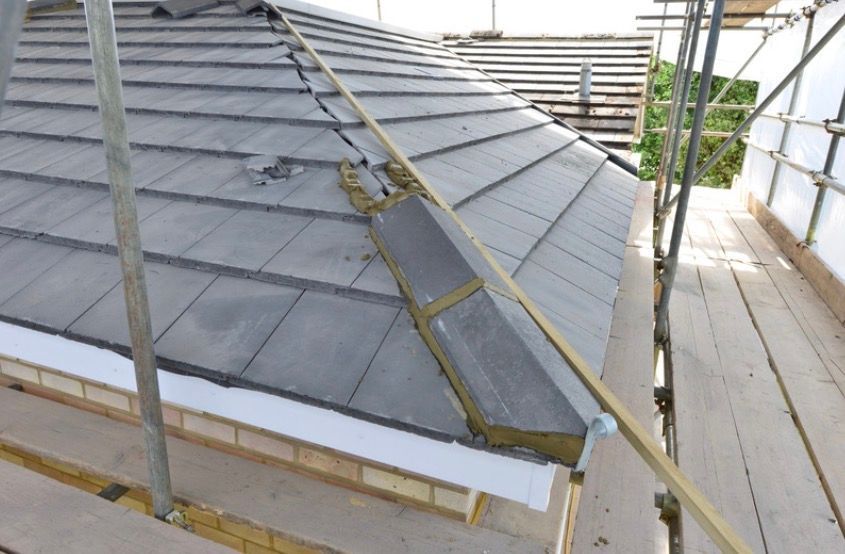
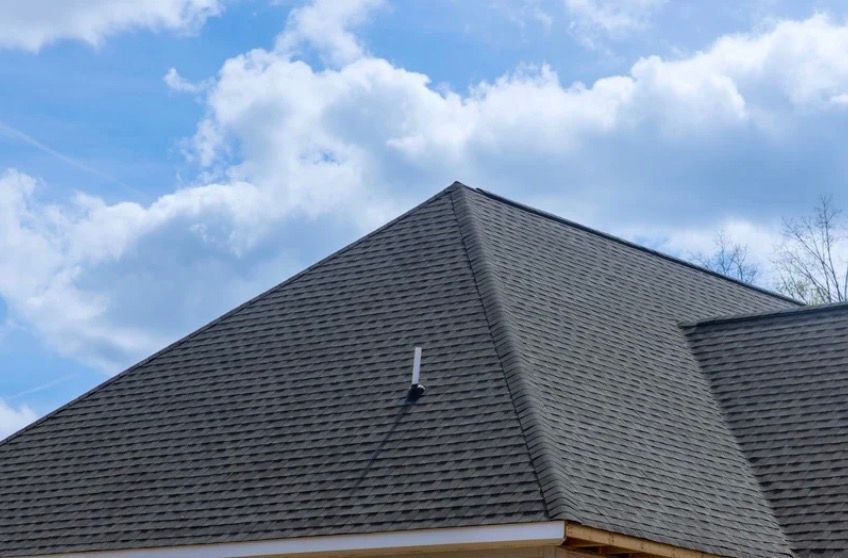
When it comes to roofing materials, the coastal environment in Portsmouth is particularly harsh on flashing. The combination of elevated coastal UV, the constant thermal cycling, and the salt-laden air on an island surrounded by water accelerates the deterioration of any type of lead, even though lead is a very durable material under normal conditions. The rate of oxidation is increased. When flashing is fastened into masonry using mortar pointing, the mortar dries out and eventually breaks. Lead expands in hot weather and contracts in cold weather, creating tiny movements that, in comparison to the same property inland, cause cracks and lifted edges to form more quickly.
You can see this in action most clearly on the Victorian terraces of Portsmouth. The city's dense nineteenth-century housing stock, which was built on streets throughout Southsea, Fratton, Milton, and Copnor to house the naval dockyard workforce, features chimney stacks on almost every property. Some of these stacks have lead work that has been sitting in the Solent air for almost a century, either from the original construction or an early replacement. One vulnerable area on these terraces is the guttering that runs behind the chimney stacks. A failed back gutter can lead water into a roof structure for months or even years without causing noticeable symptoms inside until the damage is already substantial. It is hidden from view, rarely examined, and subjected to the full force of rainwater running off the rear slope.
Another layer is added by the city's geography. Rooflines in Portsmouth that face south, including those along the Southsea seafront and the exposed southern end of Portsea Island, are subject to more direct sunlight than their north-or inland-facing counterparts. Flashings on south-facing slopes typically have a shorter effective life compared to those on more sheltered aspects. This is because the thermal loading differential between the two sides of a roof causes lead to move more quickly at junctions and abutments.
Portchester, Fareham, and Gosport are examples of outlying towns with a more diverse housing stock. Some of the older homes in the village centers are built with stone and flint, which necessitates a different method of flashing at the roof-wall junction than the typical brick method. It takes knowledge of the materials and the correct mortar specification to get a long-lasting seal on these properties. In Portsmouth and the rest of coastal Hampshire, we fix flashings on all kinds of properties and roofing systems to a level that can withstand the elements.
Flashing failures are one of the most repairable problems on a Portsmouth roof,
3 in 4 customers we visit for flashing issues need targeted repair work, not a replacement. Salt air accelerates the damage, but it rarely makes the job bigger than it needs to be. We fix it properly and charge for what it actually is.
Flashing Repairs We Carry Out Across Portsmouth
Replacement and Repair of Chimney Flashing
Most roof leaks on Portsmouth's Victorian terraces occur in the full chimney flashing assembly, which includes the front apron, stepped sides, and back gutter. Chimney flashing failures are caused by a combination of factors, including thermal movement, mortar failure, and salt air deterioration. These issues typically manifest themselves in advanced stages before a leak becomes visible inside the chimney. We fix and replace chimney flashing for any age or type of roof.
We fix back gutters.
One of the most unsightly and often-failed parts of Victorian-era roofs in Portsmouth is the lead back gutter that is located behind a chimney stack. It often doesn't leave an apparent ceiling stain until the timbers are completely soaked before water seeps into the roof structure behind the stack when it goes. Properly inspecting, repairing, and replacing back gutters is what we do.
Apron Flashing
A simple but essential detail is the apron flashing that is placed at the base of chimney stacks and at the points where roofs meet walls. The coastal thermal cycle accelerates its lifting and cracking on Portsmouth's properties, which causes water to flow directly into the roof structure whenever it does either. The apron flashing is appropriately re-dressed and re-sealed.
Flat Roof Perimeter Flashing
One of the first places on an old flat roof system to fail is the flashing around the perimeter of the numerous flat-roofed extensions in Portsmouth. This is where the roof meets the surrounding brickwork. This repair is common in the city's post-war housing stock due to the deterioration of the lead and the pointing that holds it into the masonry caused by salt air. All flat roof systems have their perimeter flashings re-attached and re-sealed.
Flashing for Steps
When the mortar bedding deteriorates or when individual lead steps lift, the step flashing that is typically found at the junction of pitched roofs and side walls, as seen on terraced extensions and semi-detached properties in Portsmouth, will fail. These two types of failure are accelerated by coastal conditions. To make sure the step flashing can withstand the weather in Portsmouth, we re-bed and re-point it.
Flashing for Roof Windows and Skylights
After 30 years of loft conversions in Portsmouth's Victorian terraces, the city's roofscape is now adorned with a plethora of Velux-style skylights. Unfortunately, the flashing surrounding these windows deteriorates and fails in the coastal environment. The seal at the window frame-to-roof covering junction is compromised by salt air and thermal cycling. It is our standard practice to fix or replace skylight flashing without removing the window unit from the frame.
Valley Resurfacing
When the south coast experiences persistent winter rainfall, a great deal of water runs off the roofs of Portsmouth through lead valleys that form at the intersection of two roof slopes. The water instead soaks into the roof instead of escaping when the valley lead shifts, cracks, or has lifted edges. When decay has begun to set in on valley flashings, we fix them or replace them.
Re-pointing Around Existing Flashing
The lead itself is in good repair on many older Portsmouth homes, but the mortar that once held it in place has crumbled due to years of coastal rainfall that is heavy with salt. On properties where the lead still has some useful life left, re-pointing is the better repair option than replacing the lead entirely, and it also restores the weathertight seal without breaking the bank.
1000 Repairs & Counting...
Honest, Effective & Nearby
How We Approach Flashing Repairs in Portsmouth
Careful Evaluation of Every Flashing Component
The most glaring point of failure isn't the only one we consider. Flashing deterioration is usually present on older properties in Portsmouth. For example, if the pointing has gone around the chimney apron, it's likely that the step flashing on the same stack is in a similar condition. We take a look at the entire flashing assembly and show you exactly what needs doing right now and what can be monitored.
An Open and Honest Choice—Fix or Replace
Lead flashing has a long expected lifespan with proper installation and maintenance. We won't recommend replacing lead when it's better to fix it, and we won't patch lead that's obviously worn out. Nobody wants a fix that doesn't last more than 18 months before falling apart again, so it's important to be honest about that difference on Portsmouth's coastal properties.
Simply Put, the Work
Our van is stocked with lead and the necessary materials to fix the majority of flashings. A single visit usually suffices to finish most jobs, such as repointing, re-dressing lifted sections, and re-sealing skylights. We will provide you with accurate quotes and schedule any major work, like replacing the flashing on your chimney or re-leading your valley, as soon as possible.
Finalized Correctly
We will make sure the flashing is properly dressed and sealed, remove any roof debris, and explain everything that was done before we leave. While we are up there, we will flag anything else on the roof that needs attention.
Why Choose Roof Repairs Portsmouth?
We know coastal roofing.
Working on Portsmouth's housing stock means understanding what salt air and coastal exposure do to roof materials over time. We factor that into every repair we carry out.
We're local.
If a repair is the best course of action or if something more substantial is required, we'll let you know. We won't pressure you to do pointless tasks.
Honest advice, always.
We'll tell you what needs doing now and what can wait. We won't push you into work that isn't necessary or replace things that can be repaired.
Qualified and insured.
Only fully insured, experienced roofers will do any work on your roof.
How Much Do Flashing Repairs Cost in Portsmouth?
The cost to repair flashing is conditional on a number of factors, including the nature and location of the repair, the degree of deterioration, and the choice between repointing or lead replacement. Because of Portsmouth's coastal location, associated mortar and pointing work may occasionally necessitate a broader scope than comparable work on an inland property.
Re-pointing around existing flashing: £200 to £350
Step flashing: £250 to £450
Apron flashing: £250 to £400
Chimney flashing: £300 to £600
Back gutter repair: £300 to £550
Skylight flashing: £250 to £450
Valley flashing: £300 to £600
Full chimney flashing replacement: £500 to £1000
These numbers are just for reference. The final cost can be affected by factors such as access to Portsmouth's densely packed Victorian terraces and the need for additional scope due to coastal mortar deterioration. Having us take a look is the surest way to receive an accurate quote.