Spray Foam Insulation Removal in Portsmouth: Mortgages, Surveys, Roof Damage and 2026 Costs
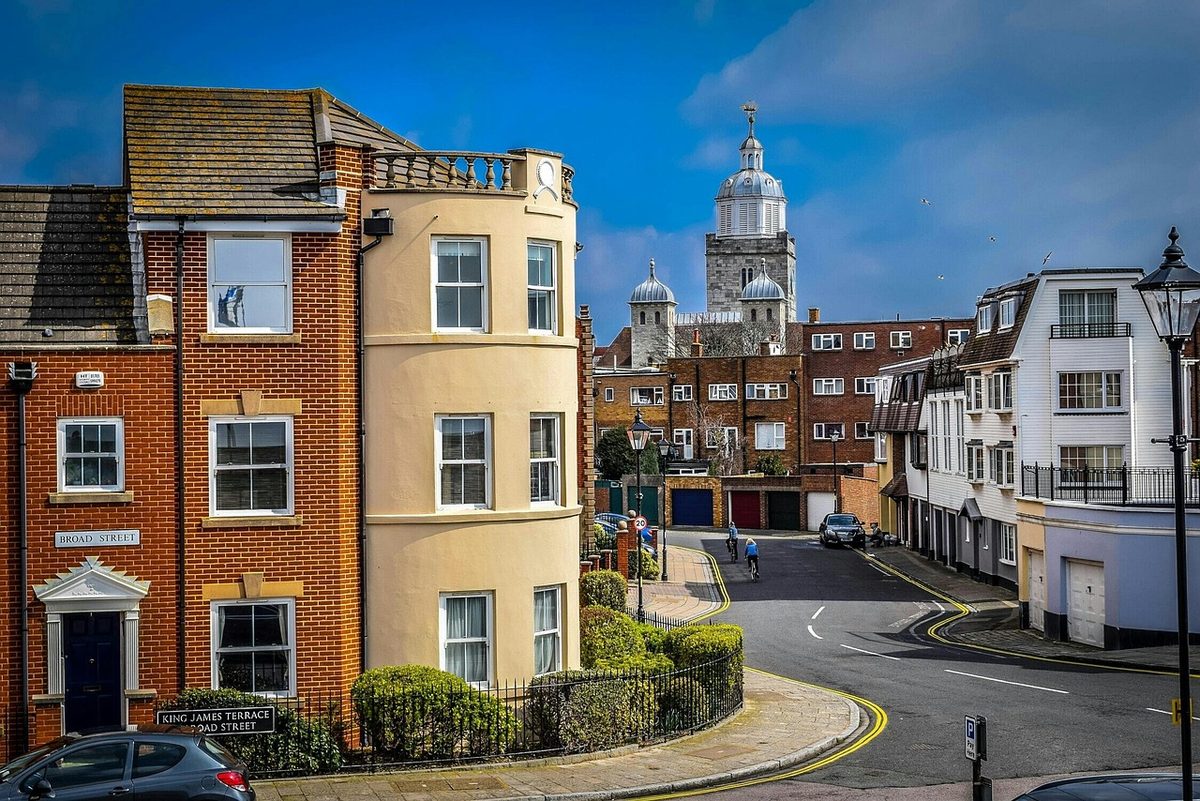
A Portsmouth sale falling through over the loft is more common than it used to be. A buyer's surveyor pops their head through the hatch, sees spray foam stuck to the underside of the roof, and within a week the lender has pulled the mortgage offer. Spray foam insulation removal in Portsmouth has gone from a rare job to a regular one for local roofers. Around 250,000 UK homes are thought to have spray foam in the roof, much of it sold door to door between about 2015 and 2022 with promises of 30-40% lower heating bills. Portsmouth's roofs are a bad fit for it. The city sits mostly on Portsea Island, surrounded by sea, so the air is damp almost all year, and around 750mm of rain a year is driven in on south-westerly winds off the Solent. Foam that traps moisture against old roof timbers in that climate can cause real damage, and it makes lenders nervous whether it has or not.
Why Spray Foam Is a Problem for Portsmouth Homes
Spray foam is sprayed between the rafters on the underside of the roof. It sets hard or spongy, depending on the type, and seals the roof from the inside. The theory was that it insulates and holds loose tiles in place at the same time.
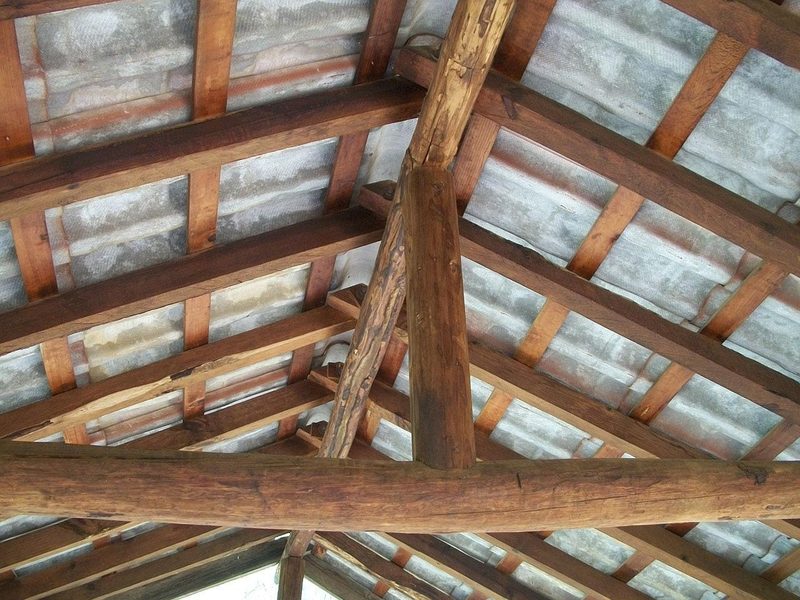
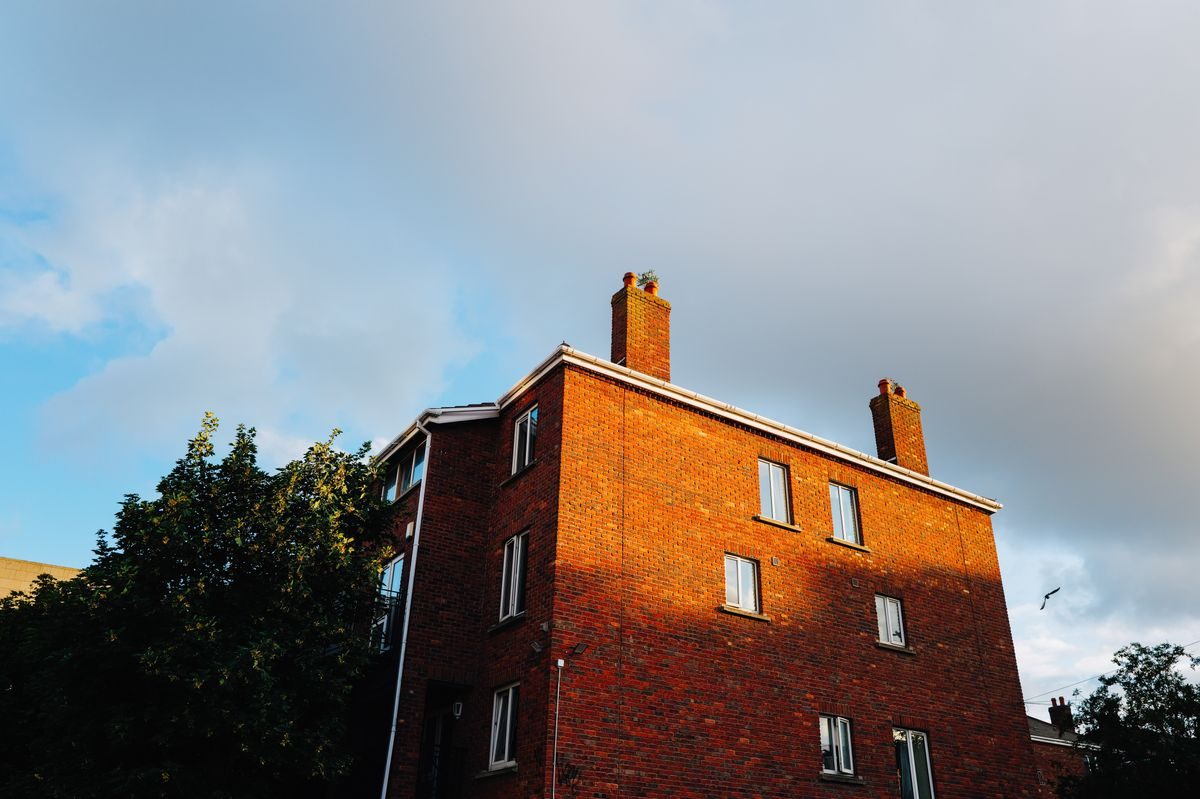
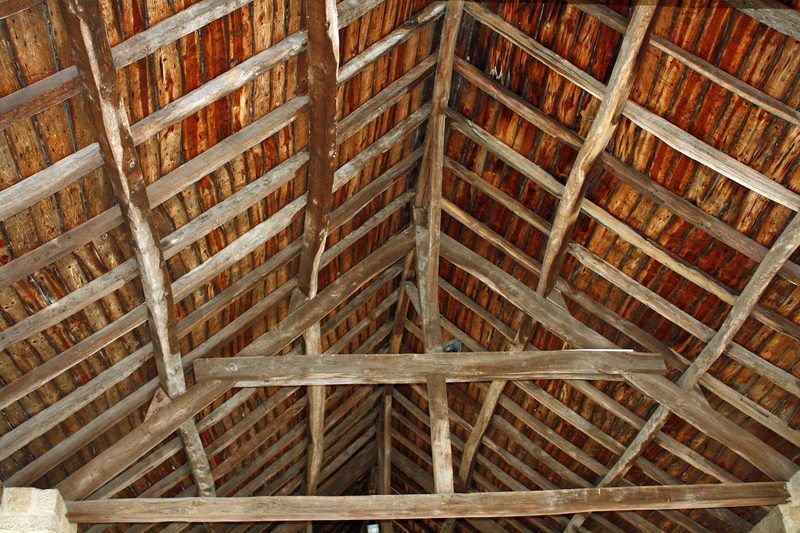
The trouble is that roofs need to breathe. Moisture from the house rises into the loft, and on a traditional roof it escapes through gaps in the tiles, the eaves and the felt. Seal all that with foam and the moisture can get trapped against the rafters and battens. On Portsmouth's Victorian and Edwardian terraces, many of which still have their original timbers and either no felt or old bitumen felt, that's 100+ year old wood sealed in a damp envelope. Rot can develop where nobody can see it.
The other problem is inspection. Once the underside of the roof is covered, a surveyor can't see the condition of the timbers, the battens or the back of the tiles. Lenders don't like lending against something nobody can check.
If you've found foam in your loft and want to know what you're dealing with, Roof Repairs Portsmouth can inspect the roof from inside and out and tell you whether removal is needed.
Open Cell vs Closed Cell Foam
Not all spray foam is the same, and it changes both the risk and the removal cost.
Open cell foam
Soft, spongy, usually pale yellow or cream. It's more breathable, so it's slightly less likely to trap moisture, and it's easier to remove because it can be cut and scraped off the timbers. Most foam installed in UK homes in the last decade is open cell.
Closed cell foam
Hard and rigid, often sprayed directly onto the back of the tiles or slates. It bonds to everything it touches. Removing it from tiles often isn't possible without damaging them, and some closed cell jobs end up needing a full re-roof. It's more common on older installations sold as a fix for slipped or "nail sick" slates.
A quick test: press it with a gloved finger. If it gives like a sponge, it's probably open cell. If it's rock hard, closed cell.
Spray Foam, Mortgages and Equity Release
This is why most Portsmouth homeowners end up calling us. Many mainstream lenders and almost every equity release lender will decline or delay a property with spray foam unless there's a report from a qualified surveyor saying it was installed properly and the roof is sound.

That report usually needs to come from a RICS-registered surveyor, and you can search for one through the RICS Find a Surveyor directory. Expect £300-£700 for a specialist spray foam inspection in Portsmouth. It may include moisture readings on the timbers and sometimes a small cut-out of foam to check what's behind it.
Lender policies vary a lot. Some will accept foam with a clean report, some won't touch it at all, and a few are fine with open cell but not closed cell. If one lender says no, a mortgage broker may find another who'll accept it. Removal doesn't automatically guarantee a mortgage either, as Cornwall Council's trading standards advice on spray foam points out. Lenders still want evidence the roof underneath is in decent condition.
We've covered the wider picture for anyone selling in our guide to selling a house with roof problems in Portsmouth, including how retentions and price reductions usually work.
What Spray Foam Removal Involves
On a typical Portsmouth two-up two-down or three-bed terrace, removal goes roughly like this:
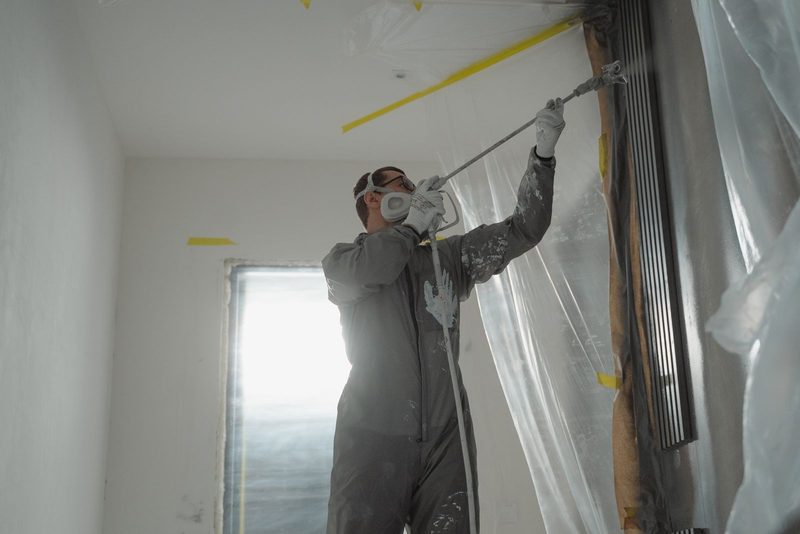
1. The loft is cleared and boarded for safe access, and dust sheets go down. 2. The foam is cut and scraped off the rafters by hand, sometimes with specialist tools. Open cell foam on a 40-50 square metre roof takes 2-3 days. 3. Timbers and battens are checked. Any rot, damp or broken battens are photographed and noted. 4. The roof is assessed for weather tightness. If foam was holding loose slates in place, those may now need refixing from outside. 5. The roof is insulated properly, usually with mineral wool between the joists at ceiling level, plus loft ventilation if needed. 6. A removal certificate and photos are provided for your lender or buyer.
The step that surprises people is number 4. Spray foam is often sold to homes where the roof was already near the end of its life. Take it away and you find out what the roof was really like.
Spray Foam Removal Costs in Portsmouth for 2026
Typical prices, including VAT:
- Specialist inspection and report: £300-£700
- Open cell foam removal, small terrace: £2,000-£3,500
- Open cell foam removal, three or four-bed semi: £3,000-£5,000
- Closed cell foam removal (where possible): £4,000-£7,000
- New loft insulation at joist level: £400-£900
- Replacing damaged battens and felt, roof tiles stripped and relaid: £5,000-£9,000
- Full re-roof where closed cell foam has bonded to slates: £8,000-£14,000
On a terrace in Southsea or Fratton, scaffold for any external work typically adds £800-£1,600, and more if it needs a pavement licence from Portsmouth City Council on a narrow street.
Can you claim the money back?
Sometimes. If the foam was sold on your doorstep with misleading claims, or installed under a government scheme, you may have grounds for a complaint or claim. Some installers have gone out of business, so check whether the work came with an insurance-backed guarantee, which may still pay out. Keep every document you have from the original installation.
Portsmouth's Climate and Why Removal Can't Always Wait
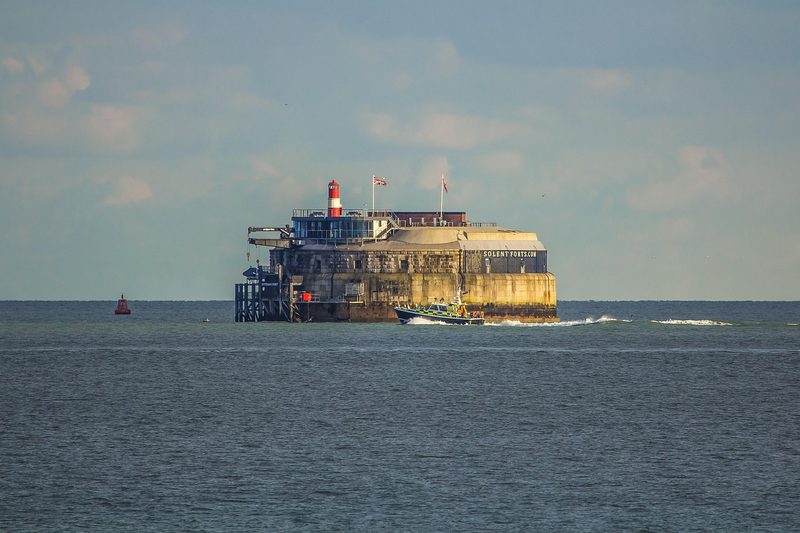
Portsmouth is one of the most densely populated cities in the UK outside London, and much of its housing is pre-1919 terraces with shallow lofts. Combine that with coastal humidity that rarely drops much below 75-80% in winter, and moisture trapped behind foam has nowhere to go.
Winter is the busiest time for roofers here, and removal jobs tend to come up suddenly, when a sale is already agreed. Local roofers who do this work are often booked 3-6 weeks ahead from November to March, so if you're planning to sell in spring, get the inspection done now rather than waiting for the buyer's survey.
Should You Remove Spray Foam If You're Not Selling?
Not always. If the foam is open cell, the roof is well ventilated, and an inspection shows dry timbers, some owners choose to leave it and monitor it. But if you're planning to sell, remortgage or release equity in the next few years, removal now usually costs less than a collapsed sale later. And if there are any signs of damp, a musty smell in the loft, or stains on the ceilings below, get it looked at straight away.
Frequently Asked Questions About Spray Foam Removal in Portsmouth
How much does spray foam removal cost in Portsmouth?
Open cell foam removal typically costs £2,000-£5,000 in 2026 depending on the size of the roof. Closed cell foam costs more, around £4,000-£7,000, and can lead to a full re-roof if it has bonded to the tiles or slates.
Will I get a mortgage on a house with spray foam insulation?
Possibly, but many lenders and most equity release lenders will refuse it without a report from a RICS-registered surveyor confirming the roof is sound. Policies vary between lenders, so a broker may find one that accepts it.
How long does spray foam removal take?
Removing open cell foam from a typical Portsmouth terrace takes 2-3 days. If timbers, battens or loose slates need repairing afterwards, allow another 2-5 days.
Is spray foam bad for old roofs?
It can be. Foam can trap moisture against rafters and battens and stops anyone inspecting them. On Portsmouth's older terraces, in a damp coastal climate, that raises the risk of hidden rot.
Ready to work with Roof Repairs Portsmouth?
Let's connect! We’re here to help.
Send us a message and we’ll be in touch.
Or give us a call today at 023 9355 3469
Agency Contact Form
More Marketing Tips, Tricks & Tools