Listed Building and Conservation Area Roof Work in Portsmouth: Consent, Materials and 2026 Costs
Roof work on a listed building or in a conservation area in Portsmouth comes with rules that catch a lot of homeowners out, usually halfway through a job. The city has more than 600 listed buildings and 25 designated conservation areas, from Old Portsmouth and Portsea to Owen's Southsea, the Seafront and Craneswater. On top of that, parts of several of those areas carry Article 4 directions that take away your right to re-cover the front roof slope without planning permission. Then there's the weather. Portsea Island sees roughly 750-800mm of rain a year and its Victorian slate is exposed to salt-laden south-westerlies off the Solent for most of the winter, so old roofs here wear out faster than the same roof would 20 miles inland. This guide explains when you need consent and when you don't, which materials the council expects, who to speak to, what the heritage premium adds to the bill, and what happens if the work goes ahead without permission.
Is Your Portsmouth Home Listed or in a Conservation Area?
Start by finding out which rules actually apply to your house, because listed status and conservation area status are two different things. A listed building is protected on the national list for its own architectural or historic interest, and the protection covers the whole building, inside and out, roof included. A conservation area protects the character of a whole street or district, and most of the houses in it aren't listed at all.
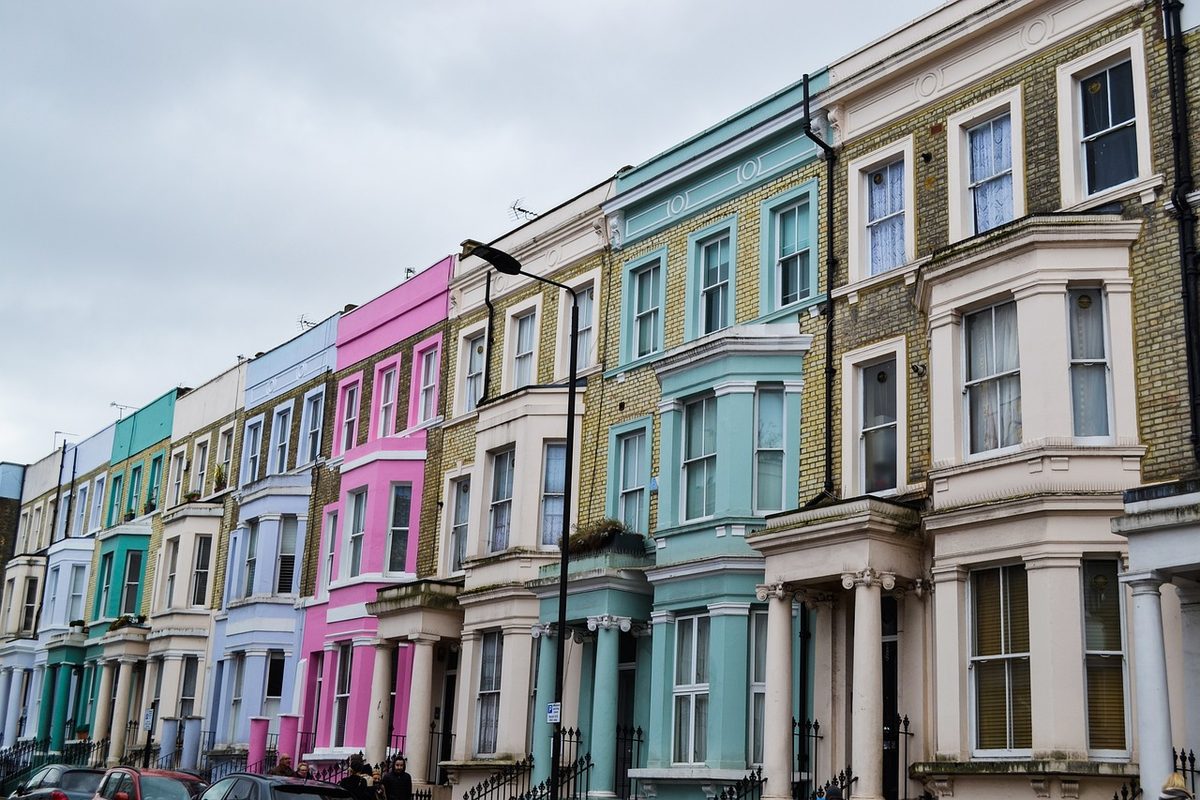
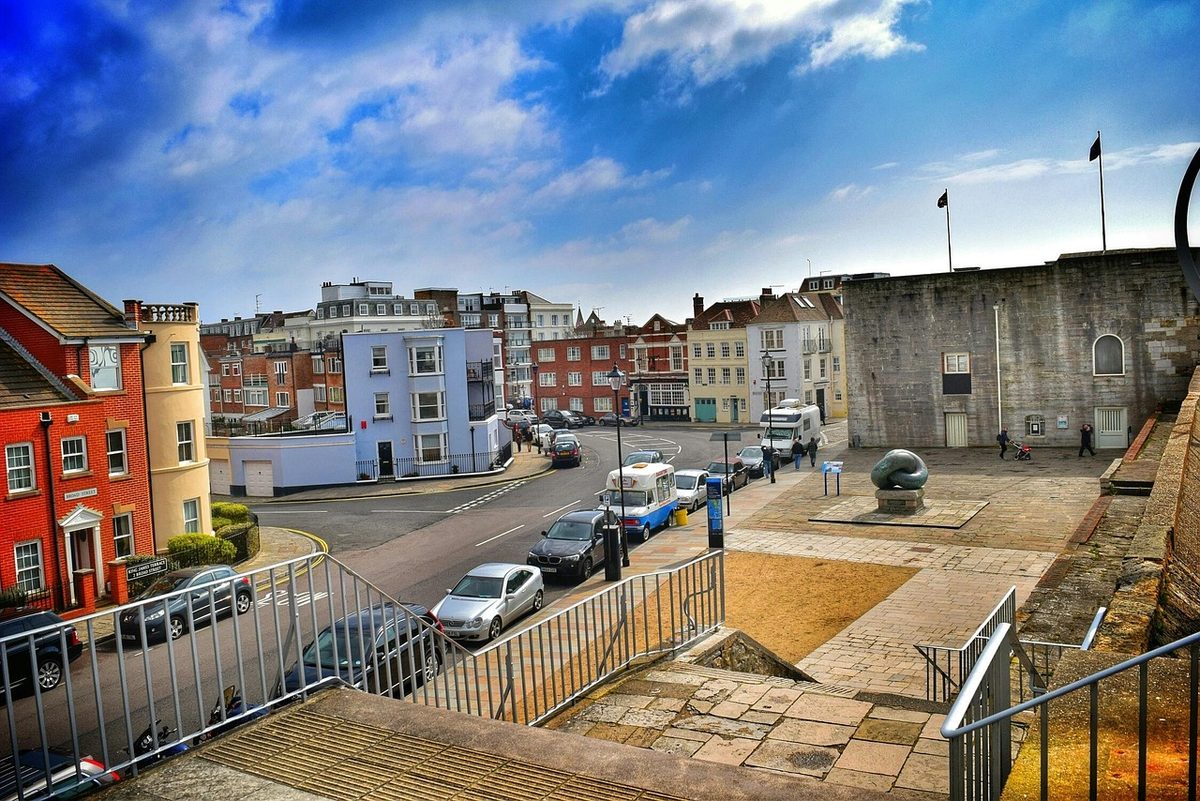
Portsmouth City Council's list of conservation areas in Portsmouth has a map and a page for each of the 25 areas. Old Portsmouth alone covers about 40 hectares of the original town. Owen's Southsea takes in the terraces and villas Thomas Ellis Owen began building from the 1830s, and East Southsea, The Terraces and Craneswater & Eastern Parade cover a large share of the bay-fronted Victorian housing further east. If your address isn't on any of those maps, standard permitted development rules apply to your roof. If you're unsure, our team at Roof Repairs Portsmouth can usually tell you what you're dealing with at the first survey visit.
Listed status is searched separately on the national list. The council says Portsmouth has over 600 listed buildings, 12 of them Grade I, and most of the rest are Grade II. If you bought your house in the last few years, check your conveyancing pack, because the local search should have flagged both.
When Roof Work Needs Listed Building Consent
On a listed building, the test is whether the work affects the building's character as a building of special interest. Under section 7 of the Planning (Listed Buildings and Conservation Areas) Act 1990, any alteration that affects that character needs listed building consent. A genuine like-for-like repair, such as replacing 10 cracked slates with matching slates, fixed the same way, normally doesn't need consent. Changing the material does. So does stripping and re-covering the whole roof, adding rooflights, removing a chimney, swapping lime for cement mortar, or putting in a breathable membrane and new insulation that raises the roof line.

In practice, most small repairs on listed houses go ahead without an application. Nearly every full re-roof needs one. Consent is free to apply for. The council has a statutory 8 weeks to decide, and complex cases on Grade I or Grade II* buildings can take longer if Historic England has to be consulted.
The grey area: partial re-roofing
The tricky jobs fall in between. Re-slating one slope with reclaimed Welsh slate on a Grade II house might count as repair, but replacing it with new Spanish slate probably wouldn't, because the colour, thickness and texture are different. When you're not sure, put it to the council in writing and keep the reply. A written "no consent needed" from the planning service costs you a few weeks and is your best protection if anyone questions the work later.
Article 4 Directions and What They Mean for Your Roof
Most homeowners in Portsmouth's conservation areas can still repair or re-cover their roof without planning permission. The council's own guidance says many changes to roofs, chimneys and windows remain permitted development in conservation areas. The exception is any street covered by an Article 4 direction, and Portsmouth has a lot of them.
These directions were mostly made between 1998 and 2008 under the old General Permitted Development Order. Typically they remove permitted development rights for:
- replacing the roof covering on the main slope facing a highway
- removing or altering chimney stacks
- replacing front windows and doors
- altering canopies and other architectural details on the front elevation
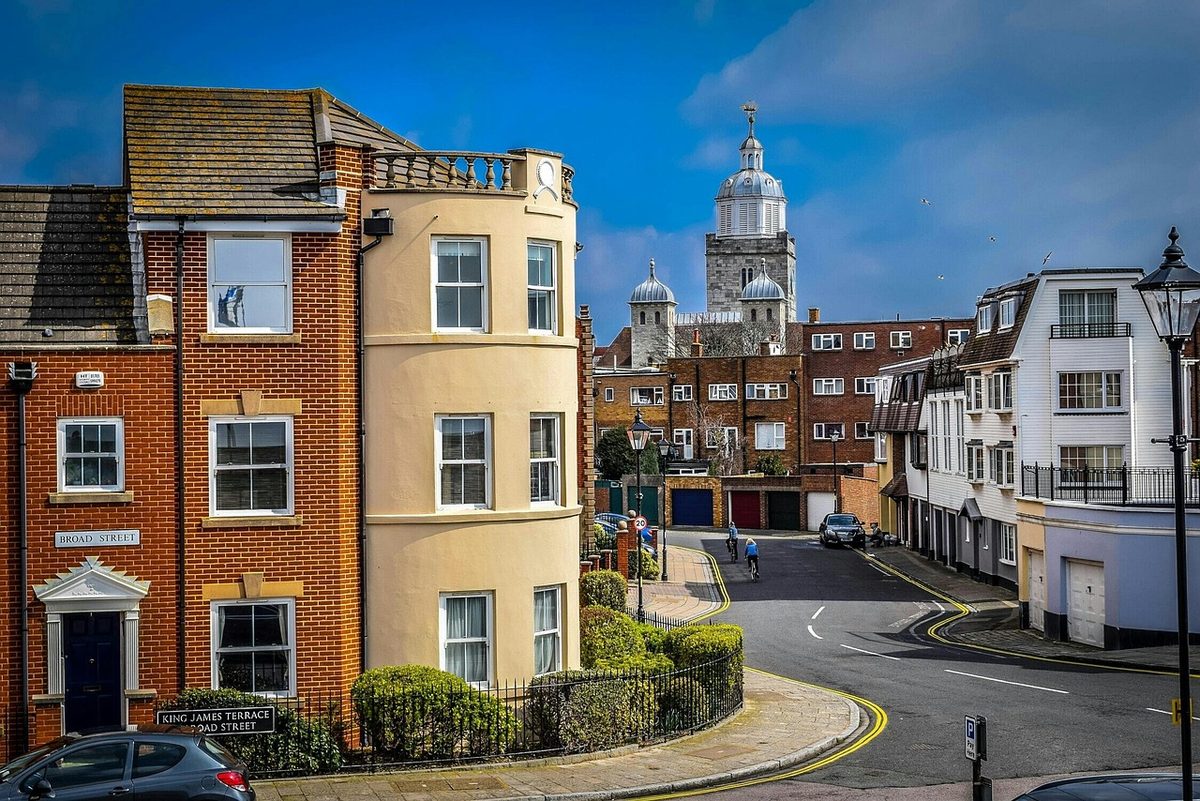
Article 4 directions apply to named properties in Old Portsmouth (including parts of Bath Square, Broad Street, Tower Street and West Street), in Owen's Southsea (including roads such as Sussex Road, Villiers Road, The Vale and Queen's Grove), and in the Castle Road area. On those houses, swapping natural slate for concrete tiles on the front slope, or taking down a chimney stack that's become unsafe, needs a planning application first. Planning applications are free when the only reason you need one is an Article 4 direction. The rear slope usually isn't covered, which is why you'll see plenty of Southsea terraces with Welsh slate on the front and concrete interlocking tiles on the back.
Like-for-Like Materials: Slate, Clay, Lead and Cast Iron
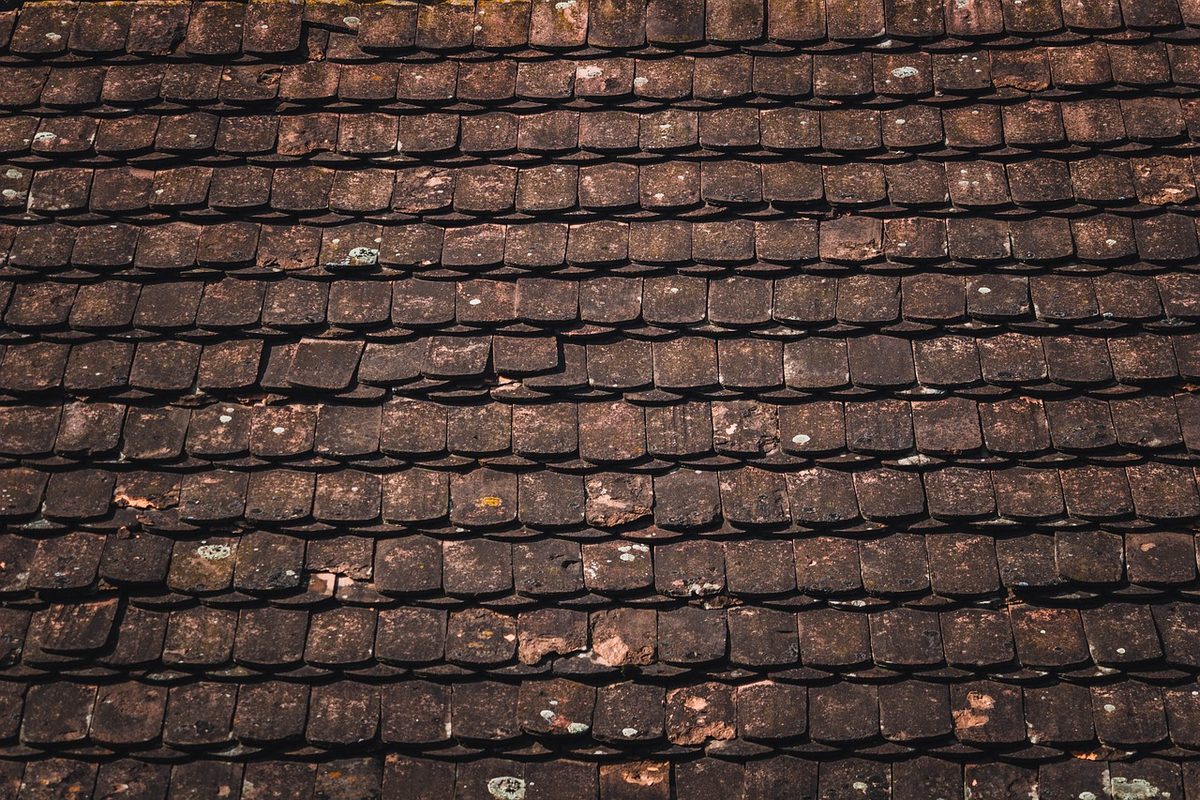
"Like-for-like" is the phrase you'll hear most often. It means matching the original in material, size, colour, thickness and fixing method. For most of Portsmouth's historic housing that means Welsh slate on the Victorian and Edwardian terraces, handmade or early machine-made clay tiles on some of the older Georgian buildings in Old Portsmouth and Portsea, lead for valleys, flashings and bay roofs, and cast iron for gutters and downpipes.
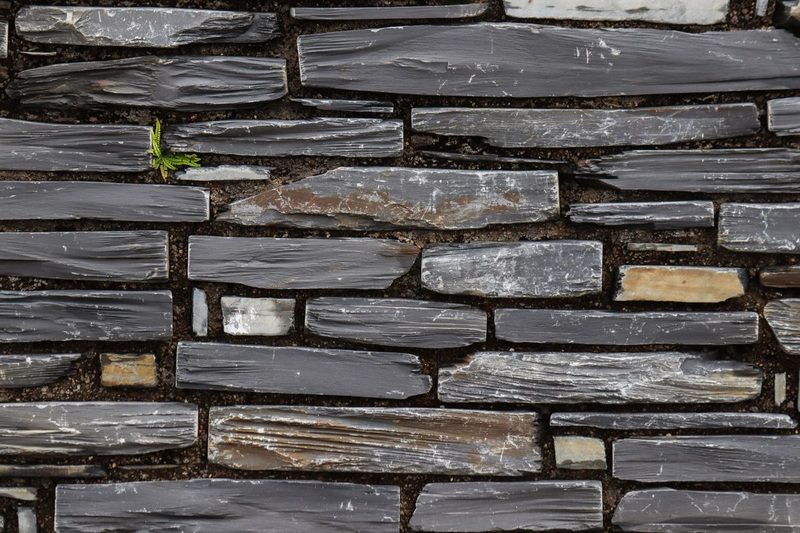
None of it is cheap. A new Welsh slate costs roughly £4-£7 each, against £1.50-£2.50 for a Spanish slate and under £1 for a concrete tile. Handmade clay tiles run around £1.50-£4.50 each. Cast iron gutter is about £60-£100 a metre supplied and fitted, while uPVC is £20-£35. Lead work has to follow the Lead Sheet Training Academy guidance on code and bay sizes, and on listed buildings it usually has to be replaced in lead rather than a GRP or synthetic alternative.
Why matching matters more on the coast
On this coast, matching isn't only about looks. Welsh slate holds up very well in coastal exposure and often lasts 100 years or more, but the nails holding it go first. Copper nails are the standard on heritage work here because galvanised steel nails corrode in salt air and cause nail sickness after 30-40 years. Lime mortar on ridges and verges also flexes and breathes in a way cement doesn't, and in a climate where wind-driven rain hits the south-west faces of Southsea's terraces from October to March, that makes a real difference to how long a repair lasts. We've written more about how long each roofing material lasts in Portsmouth's coastal conditions if you're weighing repair against replacement.
Who to Talk to at Portsmouth City Council
The planning service handles both listed building consent and Article 4 applications, and its conservation officers advise on heritage cases. The council's guidance strongly recommends a formal pre-application enquiry before any work on a designated heritage asset. For a full re-roof on a listed house, or anything that changes materials on an Article 4 street, do it. A pre-app usually takes 4-6 weeks and comes with a fee. In return you get a written view on materials and detailing before you've spent anything on drawings.

The council also keeps a local list of historic buildings that aren't nationally listed but are still taken into account in planning decisions under the Portsmouth Plan. Being locally listed doesn't create a consent requirement on its own, but it does affect how an application is judged if you need one for other reasons.
Two practical tips. First, send photos. A conservation officer can say a lot more from 6-8 clear photos of the roof, ridge and chimney than from a written description. Second, include your roofer's material specification with the enquiry, naming the slate source, the nail type and the mortar mix. The council's guidance on listed buildings in Portsmouth sets out what qualifies and links to the local list.
What Heritage Roof Work Costs in Portsmouth in 2026
Heritage roof work in Portsmouth usually costs 20-50% more than the same job on an unprotected house. The premium comes from three places: dearer materials, slower labour (lime work and hand-dressed lead take longer), and the shortage of roofers who do this kind of work properly. Roughly 1 in 5 roofing firms around Portsmouth regularly handles listed or Article 4 work, and the good ones are often booked 6-10 weeks ahead in autumn.
Typical 2026 figures for a two-storey Victorian terrace in Southsea:
- Replacing 10-20 slipped or broken Welsh slates with matching slate and copper nails: £300-£650, against £200-£400 on a non-heritage roof
- Re-bedding a ridge in lime mortar: £900-£1,800, against £600-£1,200 in cement
- Renewing a lead bay roof in Code 5 lead: £1,200-£2,500
- Replacing 10 metres of cast iron guttering: £700-£1,100
- Full re-slate of the front slope in reclaimed or new Welsh slate: £7,000-£11,000
- Full re-roof of a listed Georgian house in Old Portsmouth in handmade clay: £18,000-£35,000 depending on size and access
Scaffolding is often the hidden extra, because many of these streets are narrow and need a pavement licence. Add £1,200-£2,500 for a typical terrace front, more on three-storey houses.
What Happens if Roof Work Is Done Without Consent
Carrying out unauthorised works to a listed building is a criminal offence. Under section 9 of the Listed Buildings Act, the penalty can run to two years in prison, an unlimited fine, or both, and the court has to consider any financial benefit you gained. Unlike most planning breaches, there's no time limit on enforcement. The council can serve a listed building enforcement notice years later, and that notice binds whoever owns the house at the time, including a buyer who had nothing to do with the work.
An Article 4 breach isn't a crime, but it still hurts. Enforcement usually means a retrospective application, and if that's refused, an order to put the original materials back. Swapping a front slope from slate to concrete and then being told to reverse it can easily cost £10,000-£15,000 once you've paid for the work twice. It also turns up in conveyancing, where 3 or 4 extra weeks of indemnity negotiations can be enough to lose a buyer.
Storm damage and emergency repairs
There's a statutory defence for genuinely urgent works. After a storm like those that regularly strip slates along Southsea seafront, you can make the roof safe and weathertight without waiting for consent, as long as the work is the minimum needed, temporary support or shelter wouldn't have been enough, and you write to the council justifying it as soon as you reasonably can. Tarpaulins, temporary battens and refixing loose slates are fine. A full re-cover in a different material isn't, even after storm damage.
Frequently Asked Questions
Do I need listed building consent to replace slipped slates in Portsmouth?
Usually not, as long as the replacement slates match the originals in type, size, colour and fixing. Small like-for-like repairs are normally treated as maintenance. Changing the material, re-covering a whole slope or altering the ridge or chimney generally needs consent, so ask the council in writing if you're unsure.
Can I use concrete tiles on my house in a Portsmouth conservation area?
On most conservation area houses you can still re-cover the roof under permitted development. But if your house is covered by an Article 4 direction, which many are in Old Portsmouth, Owen's Southsea and around Castle Road, replacing the front roof covering facing the road needs planning permission, and concrete tiles are unlikely to be approved.
How much more does heritage roof work cost in Portsmouth?
Expect 20-50% more than the same job on an unprotected house. Welsh slate costs about £4-£7 a slate against under £1 for concrete tiles, lime mortar and lead work take longer, and fewer local roofers specialise in it. A front-slope re-slate on a Southsea terrace typically costs £7,000-£11,000 in 2026.
What if the previous owner did roof work without consent?
A listed building enforcement notice binds the current owner, and there's no time limit on enforcement. The criminal offence attaches to whoever carried out the work, but you could still be required to put it right. Raise it with your solicitor before buying, or speak to the council's planning service if you've already bought.
Ready to work with Roof Repairs Portsmouth?
Let's connect! We’re here to help.
Send us a message and we’ll be in touch.
Or give us a call today at 023 9355 3469
Agency Contact Form
More Marketing Tips, Tricks & Tools