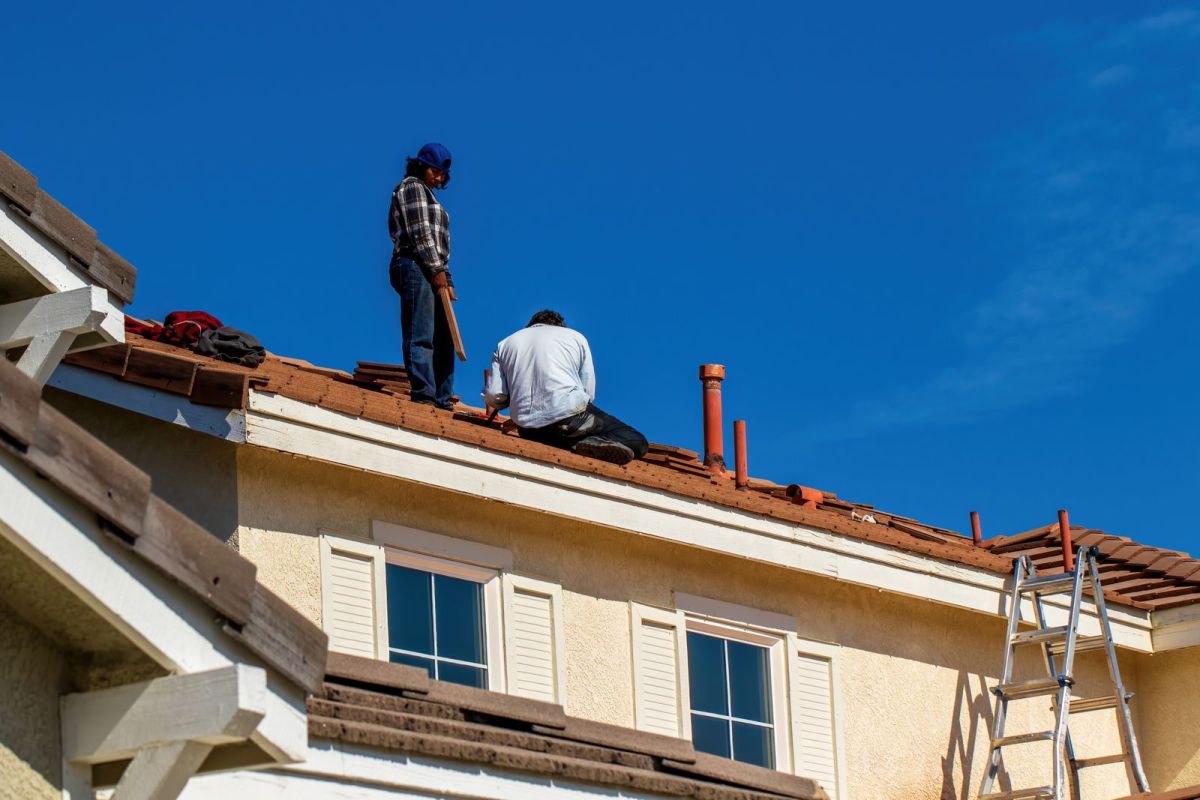
How Long Does a Roof Last in Portsmouth? Coastal Lifespan by Material
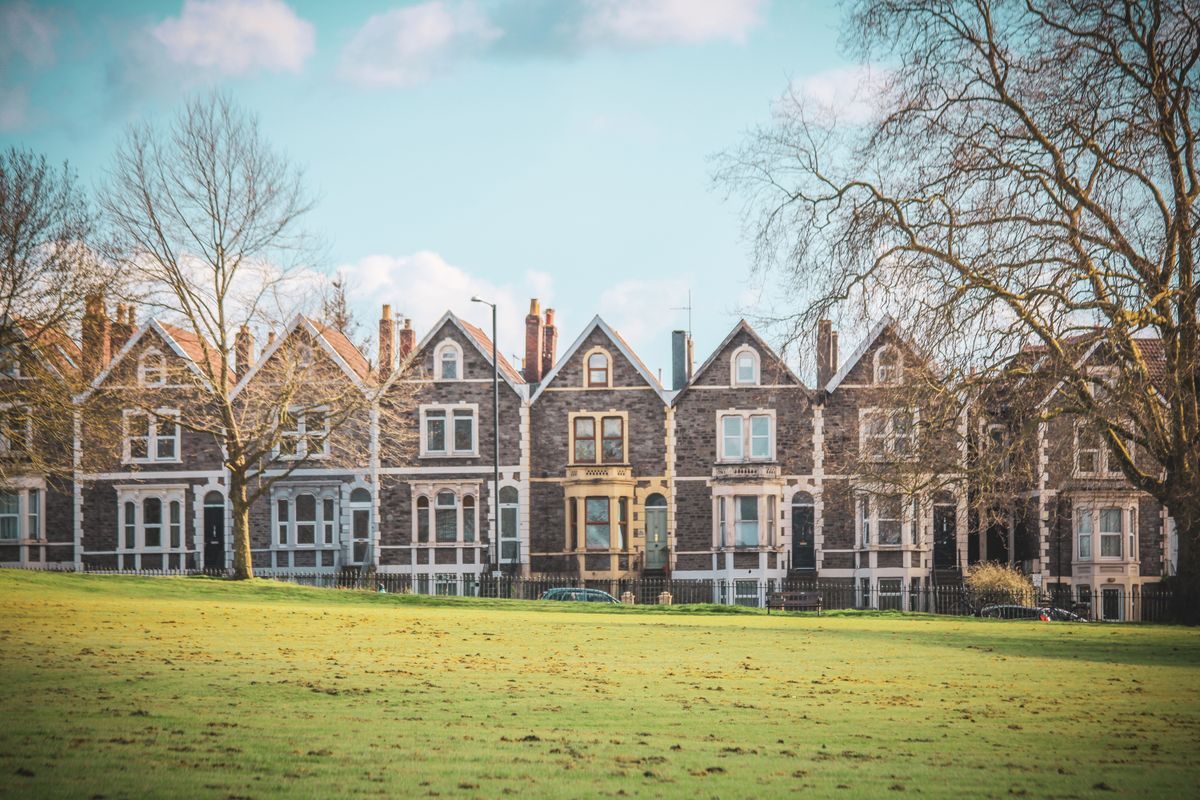
Roofing manufacturers quote lifespans measured on a test rig, not on a Southsea seafront terrace. In Portsmouth you should knock roughly 15 - 25% off most published figures, because the city sits on an island in the Solent with an average wind speed above the England mean, around 30 - 35 gale days a year at nearby coastal stations, and airborne chloride levels high enough to corrode fixings and flashings several times faster than inland. Add a housing stock where more than 40% of properties are terraced, many built between 1880 and 1930 with mortar-bedded ridges, and the numbers shift again. This guide gives realistic Portsmouth lifespans by material, explains which components fail long before the covering does, and covers how to tell where yours is in its life.
The Numbers, Adjusted for Portsmouth
Published lifespans assume moderate exposure. Here is what actually holds up locally.
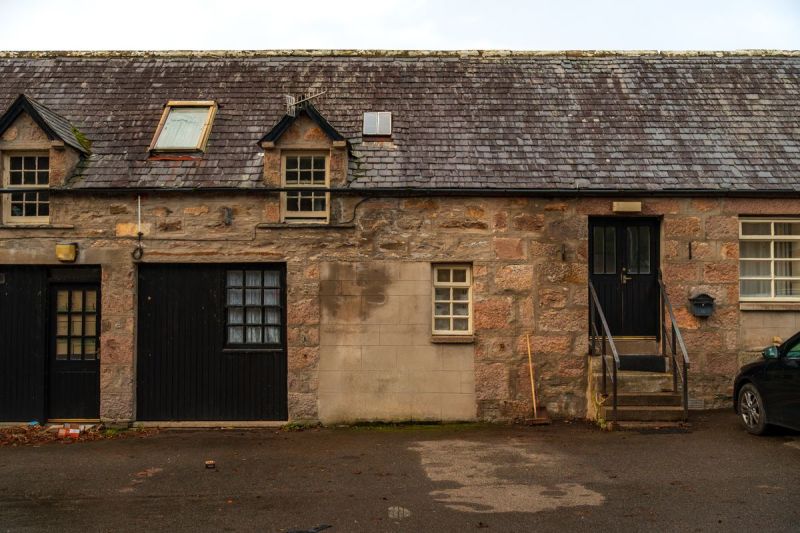
Natural slate lasts 80 - 120 years inland and 60 - 90 years in Portsmouth, with the limit usually set by nail fatigue rather than the slate. Clay plain tiles run 60 - 100 years, reduced to 50 - 80 near the seafront. Concrete interlocking tiles, the standard on post-war Portsmouth estates, are quoted at 50 - 60 years and realistically deliver 35 - 50 here, because the surface coating erodes faster under salt and wind-driven rain and the tiles then absorb water and delaminate in frost.
Felt flat roofs give 10 - 20 years, EPDM rubber 20 - 30, and GRP fibreglass 20 - 25. Lead flashings last 60 - 100 years and are often the only original component left on an old Portsmouth roof. Zinc and aluminium fixings corrode considerably faster in coastal air, which is exactly why they should not be used within a few miles of the water.
If you want a straight answer on your own roof rather than a table, Roof Repairs Portsmouth will inspect and tell you how long it has realistically got, which is a more useful number than the material's nominal life.
Why the Roof Rarely Fails First
Homeowners fixate on the covering. In practice the roof covering usually outlives three or four other components, and it is those that let water in.
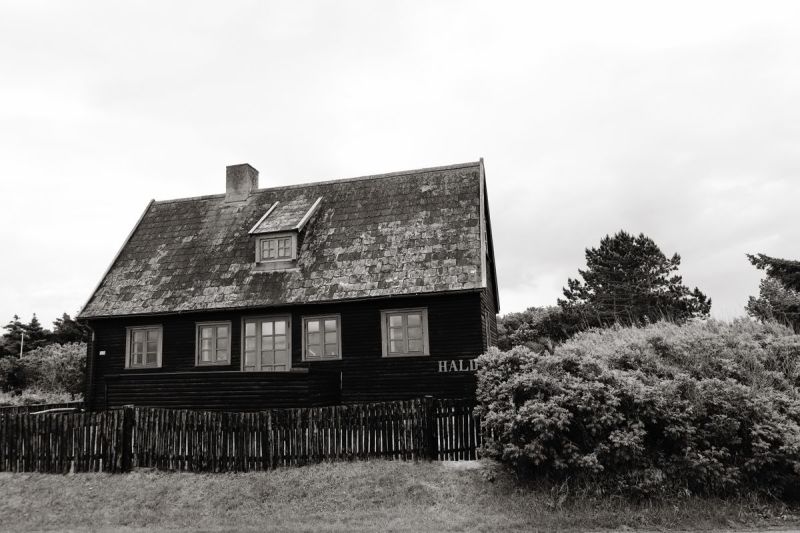
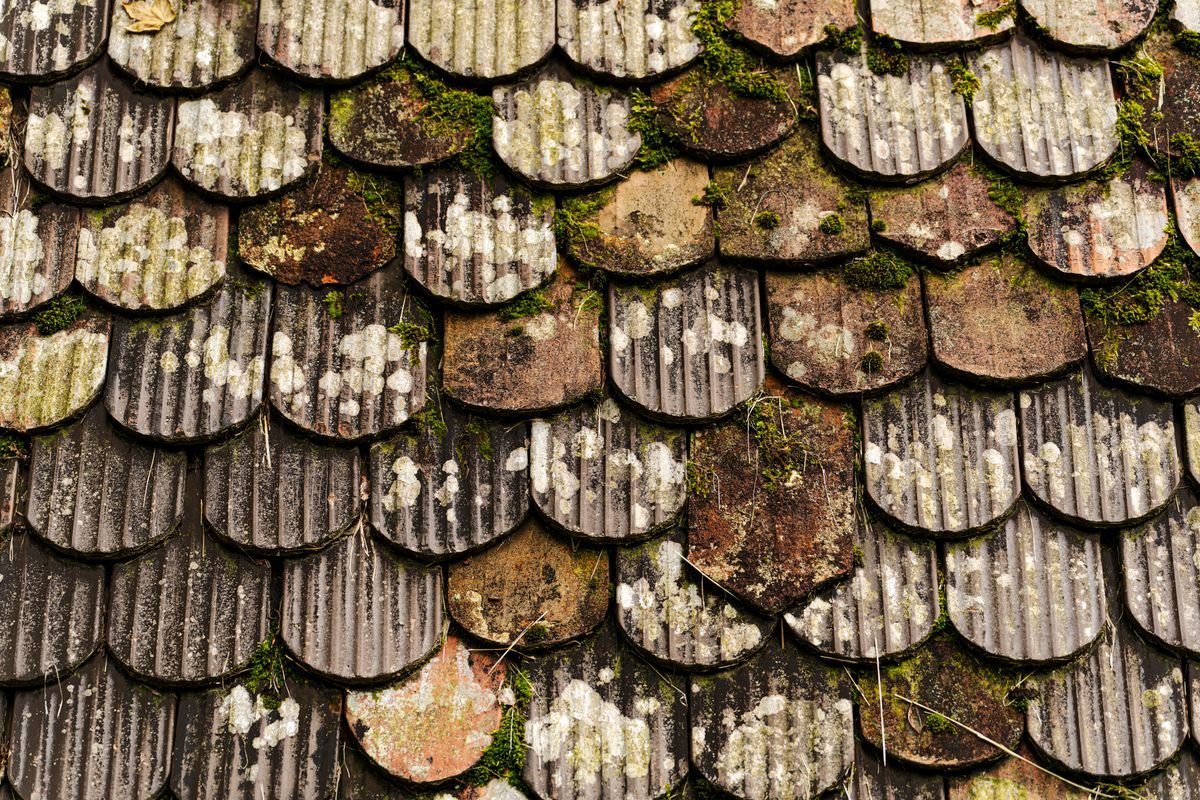
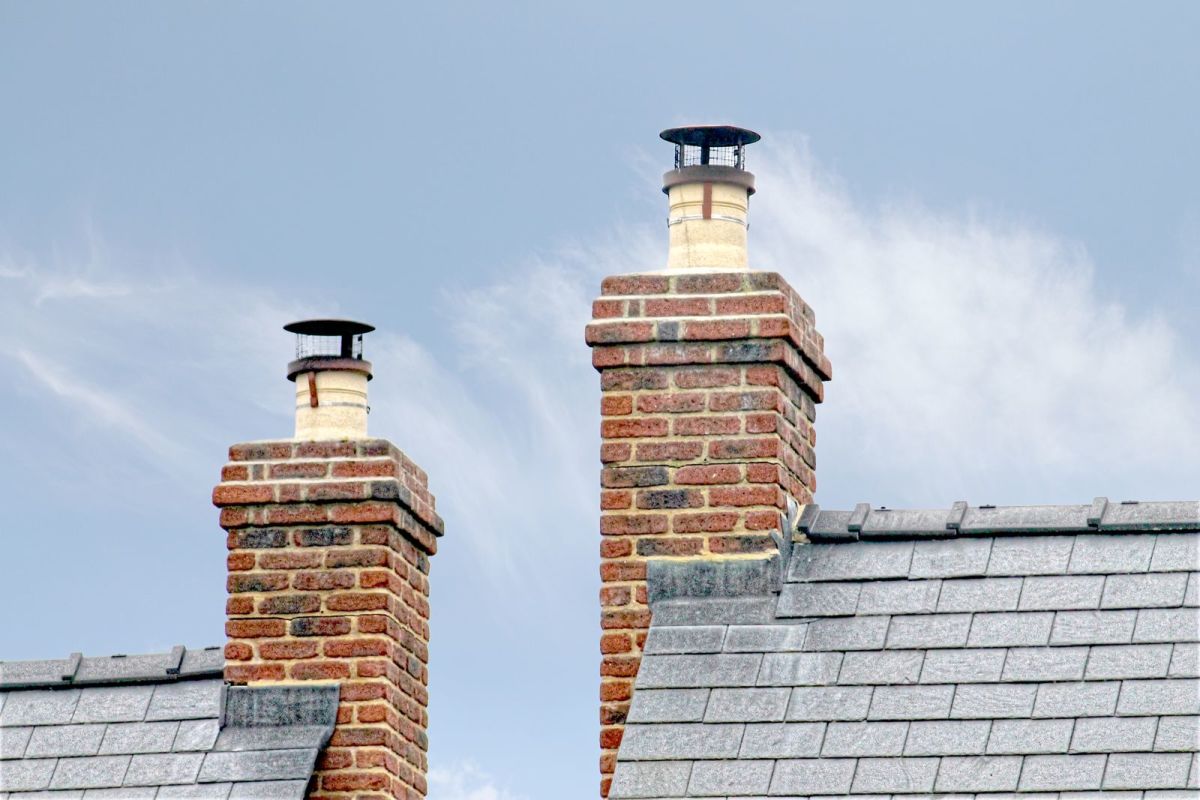
Mortar bedding on ridges and verges is the classic Portsmouth failure. Sand and cement bedding has a working life of 20 - 30 years, less on an exposed elevation, and once it cracks the ridge tiles start moving in every gale. Underlay is next: bitumen felt from before the 1990s becomes brittle and tears at the eaves after 30 - 40 years, and a torn felt tray is why water reaches a ceiling from a single displaced tile.
Then fixings. Nails corrode, particularly galvanised nails in a salt environment, and slates start slipping in ones and twos across an otherwise sound roof. That is nail sickness, and it is a re-roof job rather than a repair once it starts in earnest.
The Order Things Go
On a typical 1900s Portsmouth terrace, expect the mortar at around 25 years, the felt at 35, the flashings at 60, the nails at 60 - 80, and the slate itself possibly never. Understanding that order is what stops people spending £9,000 on a re-roof when £1,400 of ridge and verge work buys another fifteen years.
What the Solent Actually Does to a Roof
Three mechanisms, all of them accelerating.
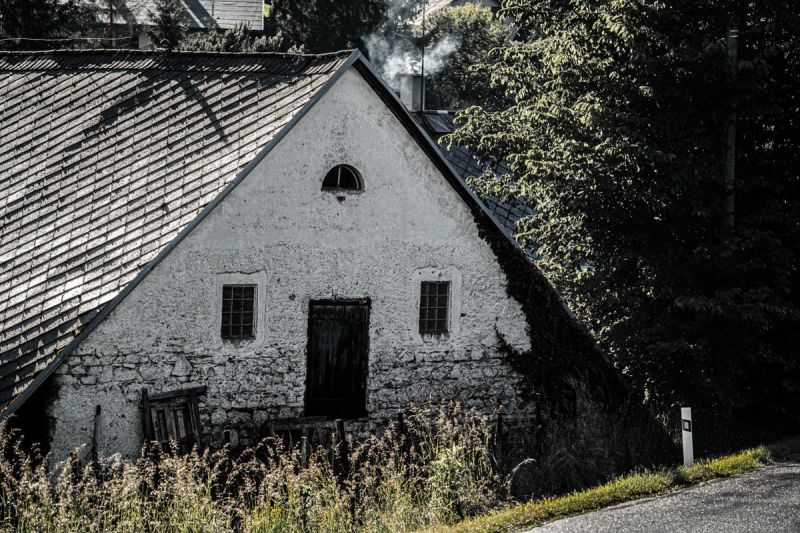
Salt deposition is the main one. Chloride settles on the roof surface and is drawn into porous materials, where it accelerates corrosion of any ferrous fixing and attacks the cement matrix in concrete tiles. Properties in Southsea, Eastney, Old Portsmouth and along the Hayling and Gosport shorelines carry the heaviest load, with measurable reduction inland but far less past Cosham and Waterlooville.
Wind uplift is the second. Portsmouth's exposure means suction on ridge lines and verges is significantly higher than an inland equivalent, so mortar and mechanical fixings work loose sooner. Verge tiles on a gable facing south-west take the worst of it.
Driving rain is the third. Rain arriving horizontally penetrates joints and laps that would shed water fine on a sheltered site. It is why Portsmouth roofs need underlay in good condition far more urgently than a roof in, say, mid-Hampshire.
Signs Your Portsmouth Roof Is Near the End
A few of these are normal maintenance. Several together is a different conversation.
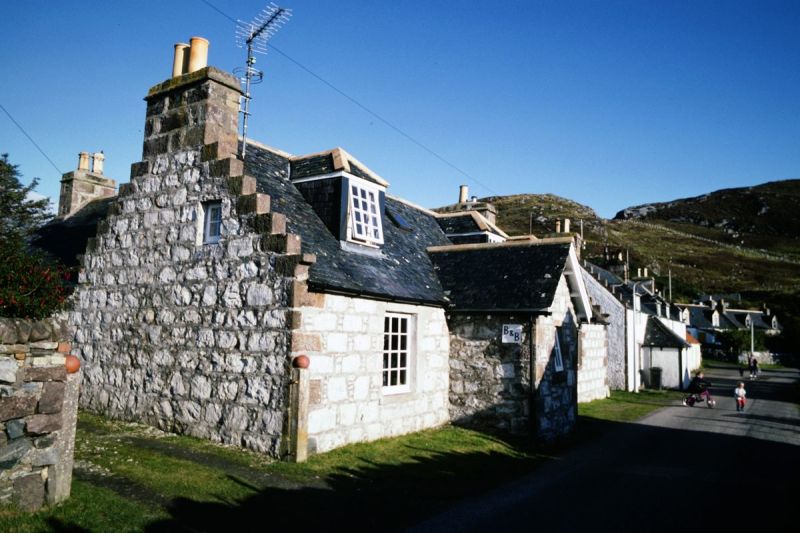
Slipped or missing tiles appearing repeatedly in different places rather than in one spot. Slate fragments and nail heads in the gutters after a windy week. Daylight visible through the roof from inside the loft. Sagging between rafters, which usually means the battens are going. Widespread moss holding damp against the covering. Mortar dust and pointing fragments collecting at the eaves.
Inside, look for staining that appears in a new place after each storm rather than the same place every time. A single recurring stain is a specific defect. Multiple wandering stains suggest the underlay has failed generally, and patch repairs will chase the problem around the roof indefinitely.
Repair, Overhaul or Replace
Three tiers, and picking the right one saves thousands.
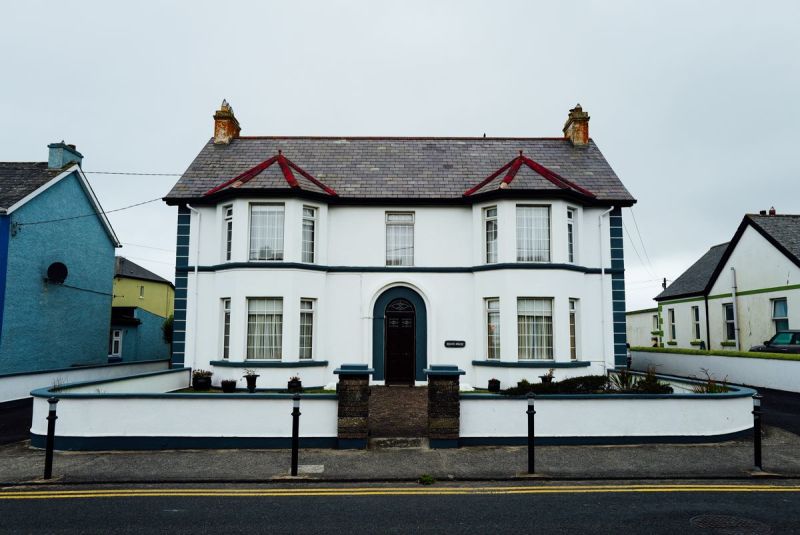
A targeted repair suits a defined fault on an otherwise sound roof: a slipped tile, a failed flashing, a cracked ridge. Portsmouth costs run £150 - £600 for most of these, and the detail is in our guide to roof repair costs in Portsmouth fault by fault.
An overhaul suits a roof where the covering is sound but the trim has gone. Strip and re-bed the ridge and verges, replace flashings, renew the eaves felt, refix slipped units. Expect £1,800 - £4,000 on a Portsmouth terrace or semi, and expect it to buy 15 - 20 years.
Full replacement is the answer when the underlay has failed across the roof, or nail sickness is general, or the battens are perished. A three-bed Portsmouth semi runs £7,000 - £12,000; a terrace with pavement scaffold and a licence sits at the higher end.
The rough decision rule: if the estimated remaining life is under ten years and an overhaul costs more than a third of a re-roof, re-roof.
Maintenance That Genuinely Extends Life in a Coastal City
Some maintenance is theatre. A few things measurably help here.
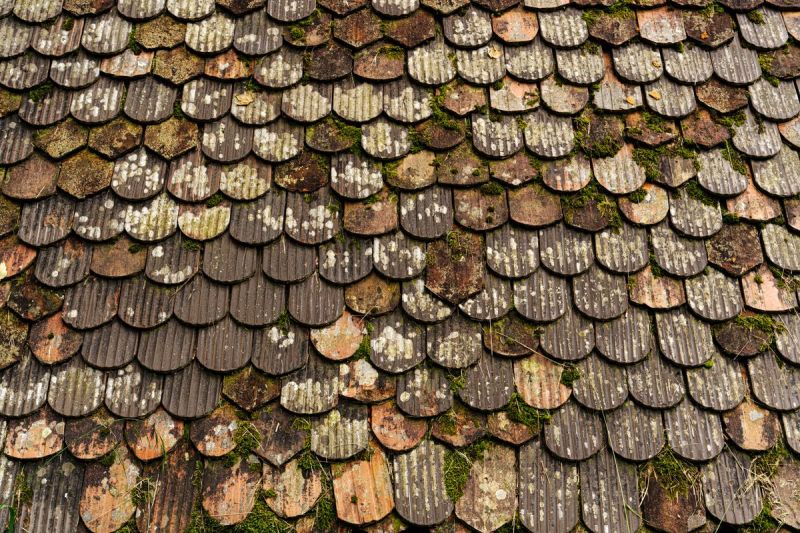
Clear gutters twice a year rather than once. Portsmouth's combination of salt, gulls and dense housing fills gutters faster than most places, and overflowing gutters saturate fascias and wall heads. Budget £80 - £150 a visit.
Keep moss down, but do it properly. Soft brushing and a biocide treatment is fine at £250 - £600. Pressure washing a tiled roof strips the surface coating off concrete tiles and takes years off them, and in a salt-laden environment that surface is doing real work. It is the single most damaging thing people pay for.
Check flashings and mortar every couple of years, ideally after the winter gales rather than before. Replace any galvanised or ferrous fixing you find with stainless steel; the price difference is trivial and the life difference near the sea is not.
The National Federation of Roofing Contractors publishes guidance on maintenance intervals and what competent contractors should be checking, and the Met Office UK climate averages are worth a look if you want to see how much windier Portsmouth's exposure is than the inland Hampshire stations.
What Buyers and Surveyors Look For
If you are buying in Portsmouth, roof age is one of the few things a homebuyer survey will flag but not price. That falls to you.
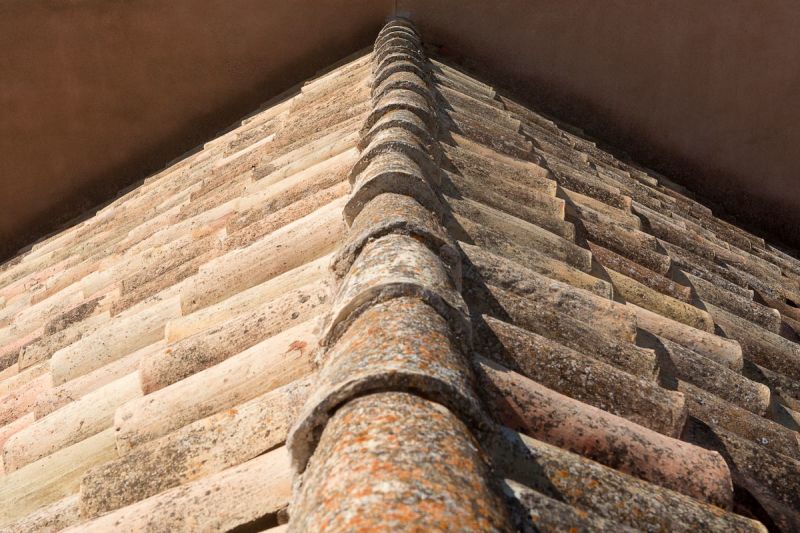
A Level 2 survey typically inspects from the ground with binoculars and from the loft hatch. It will not tell you whether nails are failing. If the property is over eighty years old and the roof looks original, commission a separate roof inspection at £150 - £350 before exchange. On a £280,000 Portsmouth terrace, discovering a £9,000 re-roof after completion is a bad outcome that a few hundred pounds prevents.
Ask specifically about the underlay, since a roof with sound slate and no felt is common in Portsmouth and behaves very differently in driving rain. RICS explains what each survey level does and does not cover, and it is worth understanding before you choose one.
A Realistic Planning Horizon
If your Portsmouth roof is under 20 years old, budget for gutter clearing and nothing else. Between 20 and 35, expect ridge and verge work and possibly flashings. Between 35 and 55 on concrete tiles, or 60 plus on slate, start putting money aside and get a proper inspection every couple of years.
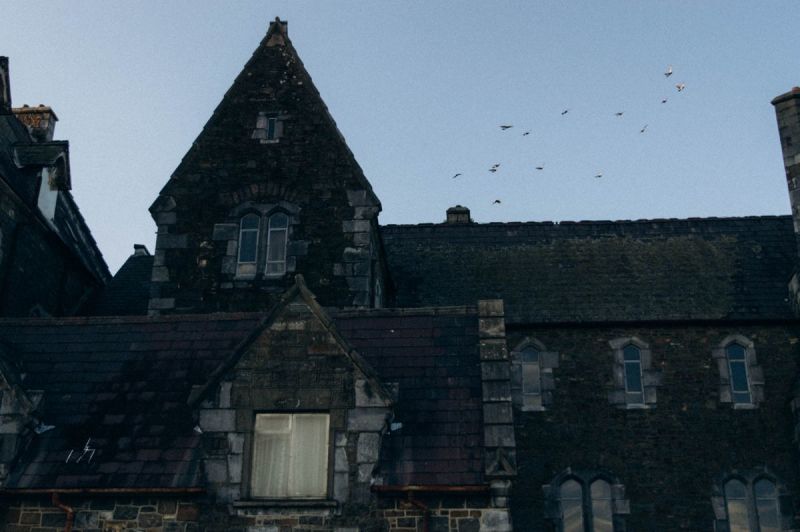
Roofs rarely fail suddenly. They give notice for two or three years, usually in the form of small repeated repairs that people pay for one at a time without adding up. Three repairs in two winters on the same roof is the roof telling you something.
Frequently Asked Questions
How long does a concrete tile roof last in Portsmouth?
Realistically 35 - 50 years, against a manufacturer figure of 50 - 60. Salt-laden air and wind-driven rain erode the surface coating on concrete tiles faster here, after which the tile absorbs water and starts to delaminate in frost. Roofs on the post-war estates around Paulsgrove, Leigh Park and Wymering are largely in this bracket now, and many are due ridge and verge work rather than replacement.
Does living near the sea in Portsmouth really shorten roof life?
Yes, measurably. Airborne chloride corrodes ferrous nails and fixings, attacks the cement in mortar and concrete tiles, and the city's exposure means higher wind uplift on ridges and verges. Expect roughly 15 - 25% less life than an inland equivalent, with the effect strongest in Southsea, Eastney, Old Portsmouth and along the Hayling and Gosport shorelines, and much weaker north of Cosham.
Is it worth repairing an old roof or should I replace it?
If the covering is sound and only the mortar, flashings and eaves felt have failed, an overhaul at £1,800 - £4,000 typically buys 15 - 20 years and is much better value than replacement. Replace when the underlay has failed generally, when slipped slates are appearing across the whole roof rather than in one area, or when the battens are perished. A rough rule: if the overhaul costs more than a third of a re-roof and under ten years remain, re-roof.
How can I tell if my roof underlay has failed?
Go into the loft on a bright day and look. Daylight through the covering, torn or brittle felt at the eaves, and staining on rafters away from any obvious leak point all indicate failure. The clearest sign from inside the house is water appearing in a different place after each storm rather than the same place, which means the roof is no longer shedding water at the second line of defence.
```json { "@context": "https://schema.org", "@type": "FAQPage", "mainEntity": [ { "@type": "Question", "name": "How long does a concrete tile roof last in Portsmouth?", "acceptedAnswer": { "@type": "Answer", "text": "Realistically 35 to 50 years, against a manufacturer figure of 50 to 60. Salt-laden air and wind-driven rain erode the surface coating faster here, after which the tile absorbs water and delaminates in frost. Roofs on the post-war estates around Paulsgrove, Leigh Park and Wymering are largely in this bracket now, and many need ridge and verge work rather than replacement." } }, { "@type": "Question", "name": "Does living near the sea in Portsmouth really shorten roof life?", "acceptedAnswer": { "@type": "Answer", "text": "Yes, measurably. Airborne chloride corrodes ferrous nails and fixings, attacks the cement in mortar and concrete tiles, and the city's exposure means higher wind uplift on ridges and verges. Expect roughly 15 to 25% less life than an inland equivalent, strongest in Southsea, Eastney, Old Portsmouth and along the Hayling and Gosport shorelines." } }, { "@type": "Question", "name": "Is it worth repairing an old roof or should I replace it?", "acceptedAnswer": { "@type": "Answer", "text": "If the covering is sound and only the mortar, flashings and eaves felt have failed, an overhaul at £1,800 to £4,000 typically buys 15 to 20 years and beats replacement on value. Replace when the underlay has failed generally, slipped slates appear across the whole roof, or the battens are perished. If the overhaul costs more than a third of a re-roof and under ten years remain, re-roof." } }, { "@type": "Question", "name": "How can I tell if my roof underlay has failed?", "acceptedAnswer": { "@type": "Answer", "text": "Go into the loft on a bright day and look. Daylight through the covering, torn or brittle felt at the eaves, and staining on rafters away from any obvious leak point all indicate failure. From inside the house, water appearing in a different place after each storm rather than the same place means the roof is no longer shedding water at the second line of defence." } } ] } ```
Ready to work with Roof Repairs Portsmouth?
Let's connect! We’re here to help.
Send us a message and we’ll be in touch.
Or give us a call today at 023 9355 3469
Agency Contact Form
More Marketing Tips, Tricks & Tools