Roof Surveys When Buying a House in Portsmouth: What Gets Flagged
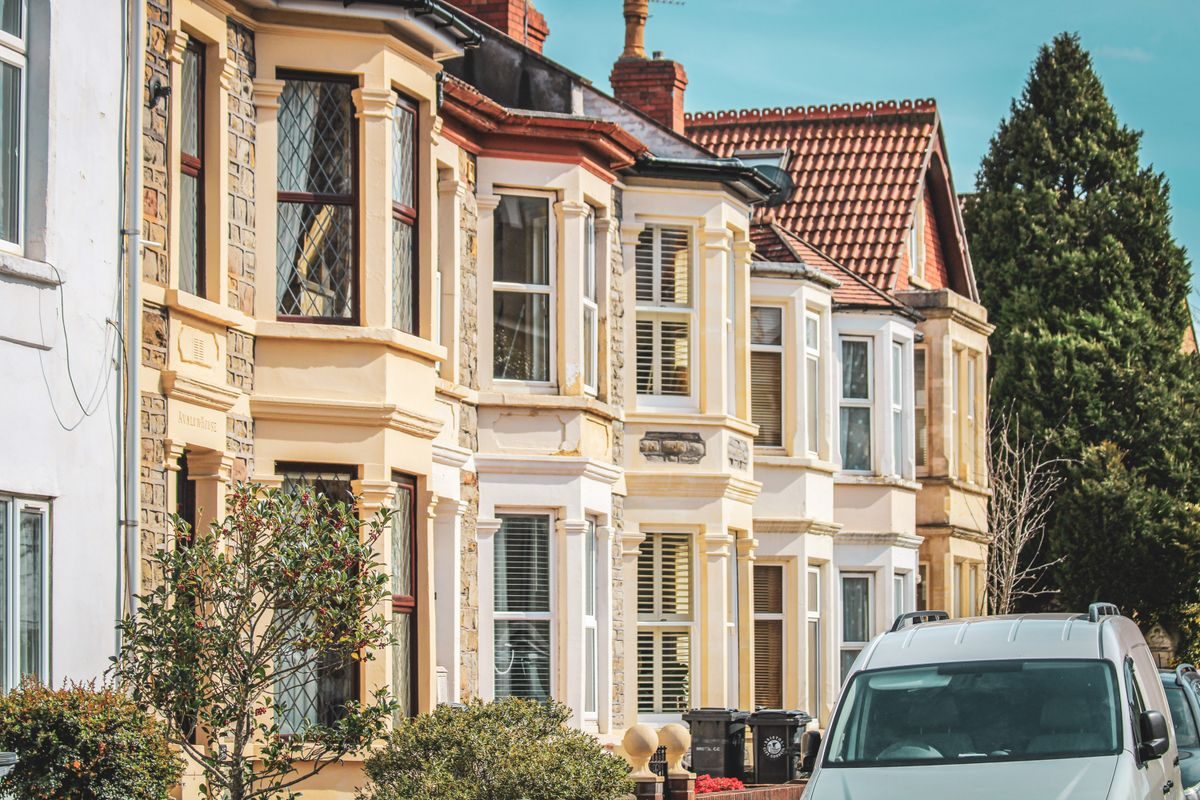
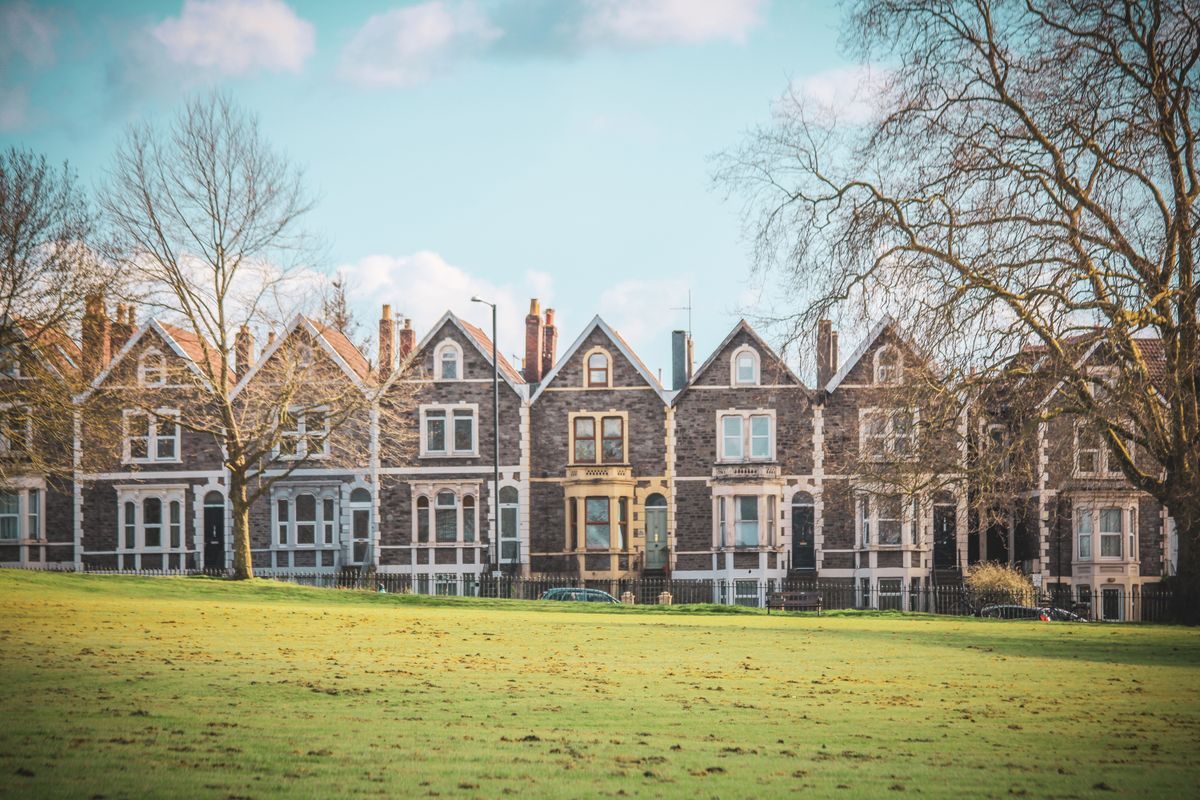
Buy a house in Portsmouth and your roof survey will almost certainly say more than a survey on the same house forty miles inland. Portsea Island sits fully exposed to the Solent, average wind speeds here run above the England mean, and salt-laden air corrodes fixings and flashings several times faster than a sheltered site. Add a housing stock where roughly 70% of homes are Victorian or Edwardian terraces with roofs well past their first refit, and it is easy to see why roof-related items turn up in a large share of Portsmouth homebuyer reports - by some estimates, close to one in three flags something roof-related worth a second look. This guide walks through what a coastal surveyor is looking for, what those findings genuinely mean for the property, and how to use them at the negotiating table rather than just filing the report away.
What a Portsmouth Roof Survey Really Checks
A RICS homebuyer survey is not a roofing inspection. It is a general condition report with a section on the roof, usually written after a look from ground level, from any accessible window, and through the loft hatch if there is one. On a Portsmouth property that limited vantage point still catches plenty, because coastal defects tend to be visible ones - cracked ridge mortar, lifted lead, gaps at a valley - rather than the hidden internal decay a surveyor would need scaffold to find.
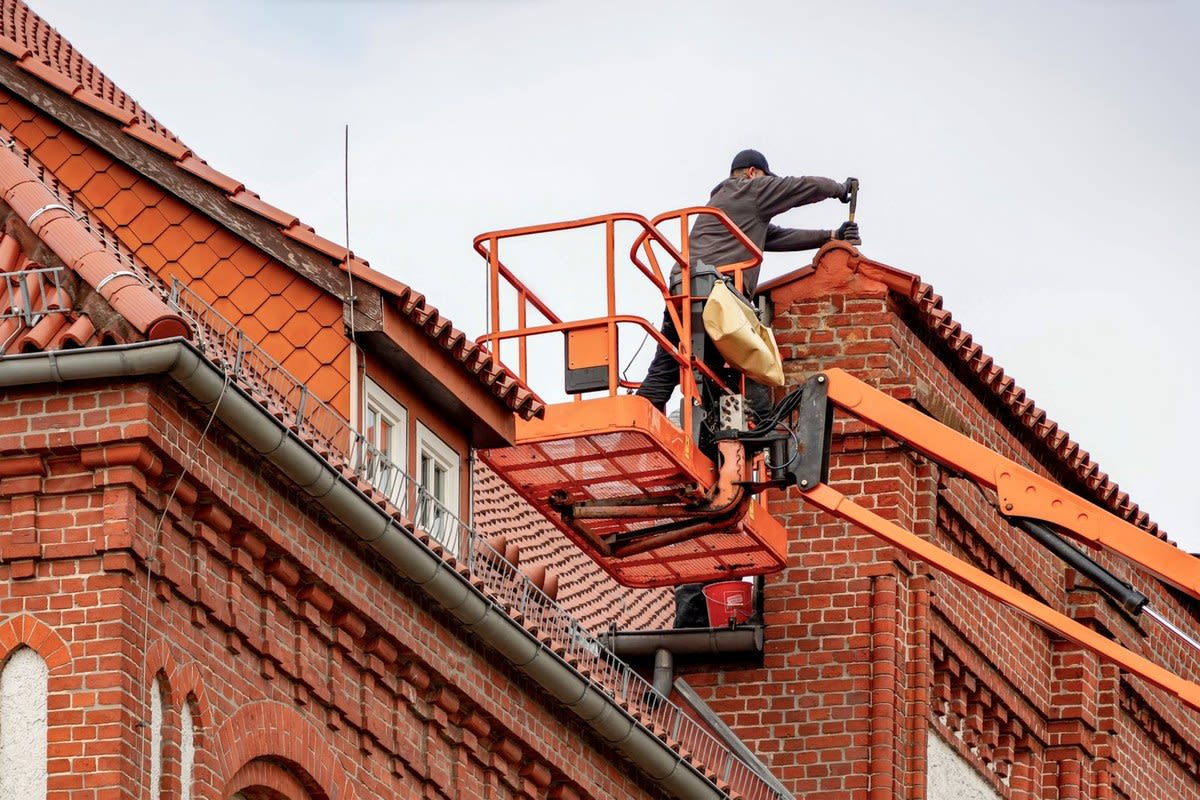
If you are viewing a property and want a second opinion before you commit to an offer, Roof Repairs Portsmouth will walk a roof properly rather than from the pavement, and can turn a report around fast enough to fit inside a typical Portsmouth sale timeline. That matters because surveys here often come back with more caveats than a buyer expects, and knowing which ones are serious saves a lot of second-guessing.
Two things shape almost every finding on a Portsmouth roof: how close the property sits to open water, and how old the roof covering is relative to its components. A tile that looks fine can still be sitting on fixings that are failing underneath it, which is exactly the kind of thing a Level 2 report will hint at without fully quantifying.
Salt Air and Corroded Flashings: The Number One Flag
Lead flashing failure is the single most common roof item on Portsmouth survey reports, and it shows up more here than in almost any inland town of similar size. Chloride from sea spray settles on exposed lead and accelerates a condition where the flashing lifts, cracks, or develops pinholes years before it would fail on a sheltered roof. Surveyors around Southsea, Old Portsmouth, Eastney and the Hayling and Gosport shorelines flag it constantly, while the same defect is rarer once you get past Cosham and Waterlooville.
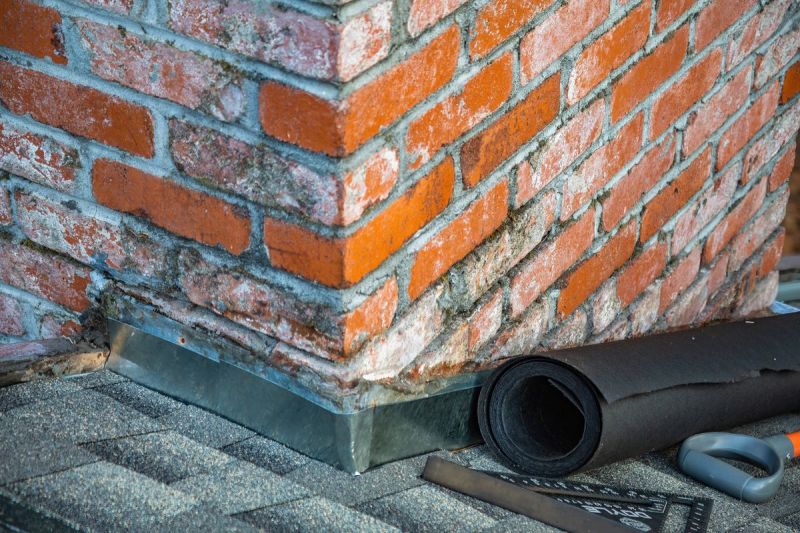
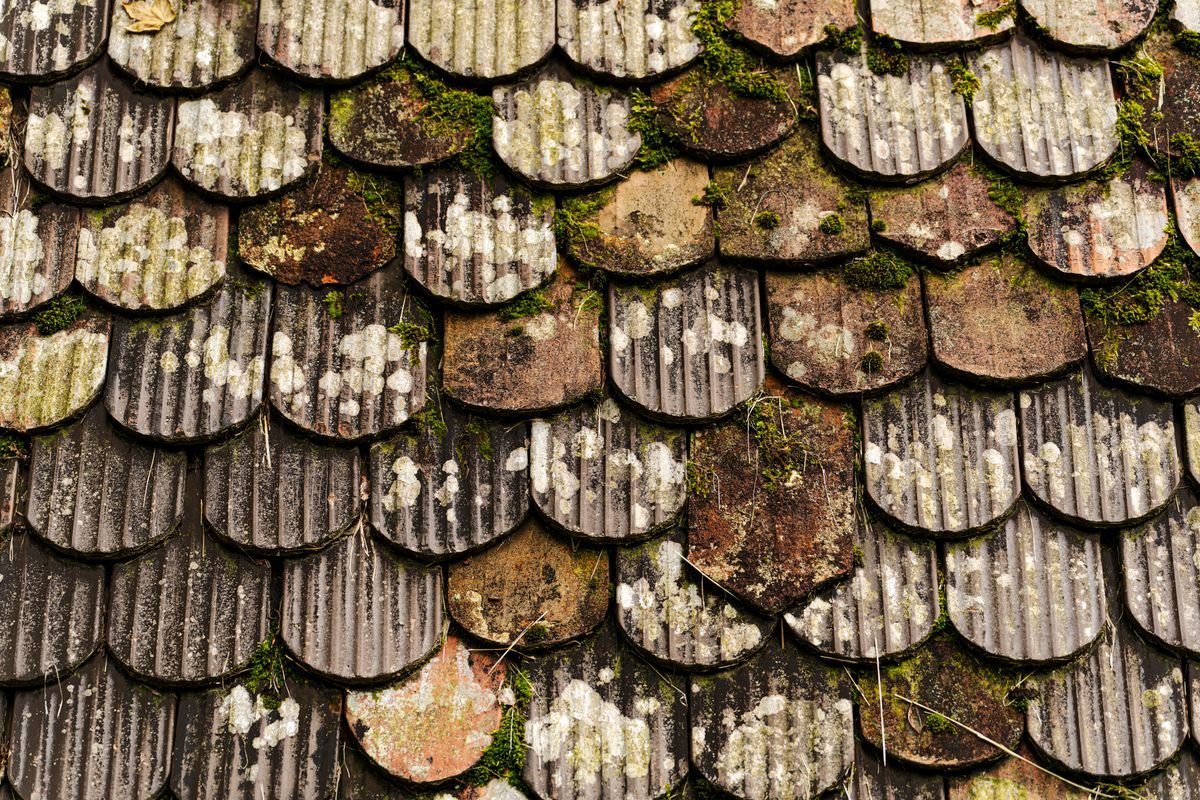
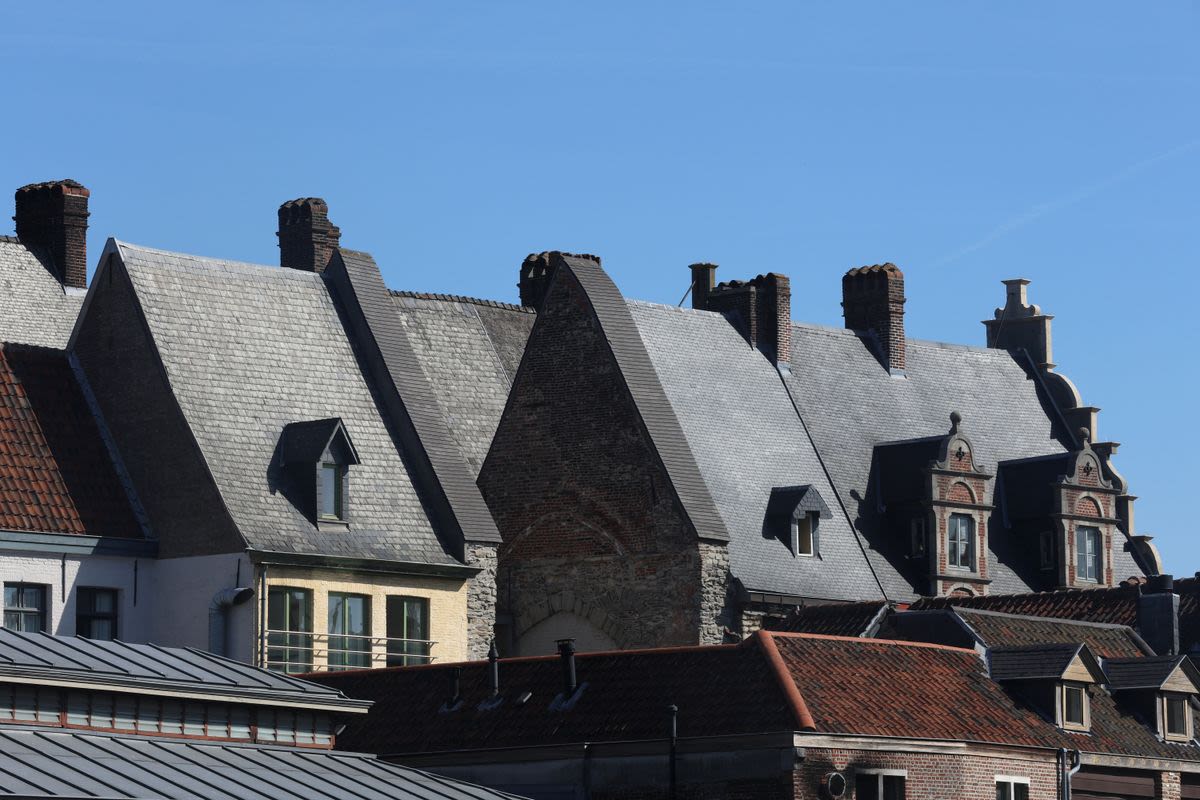
The second corrosion flag is nail sickness - the mild steel nails used in most pre-1960s roofs rusting through in salt air until slates start slipping individually rather than in a single storm-damaged patch. Around 60% of pre-1940 coastal roofs show some degree of nail sickness by the time they reach 80 years old, and a surveyor who sees three or four loose slates scattered across a roof, rather than clustered in one spot, is usually flagging exactly this rather than a one-off repair.
Neither defect is usually a deal-breaker on its own. Both are expensive to ignore, because a corroded flashing or a slate that has started sliding only gets worse, and both are the kind of finding a seller will often discount for rather than argue about, since they are hard to dispute once pointed out.
Wind-Exposure Tile Displacement and Loose Ridge Detail
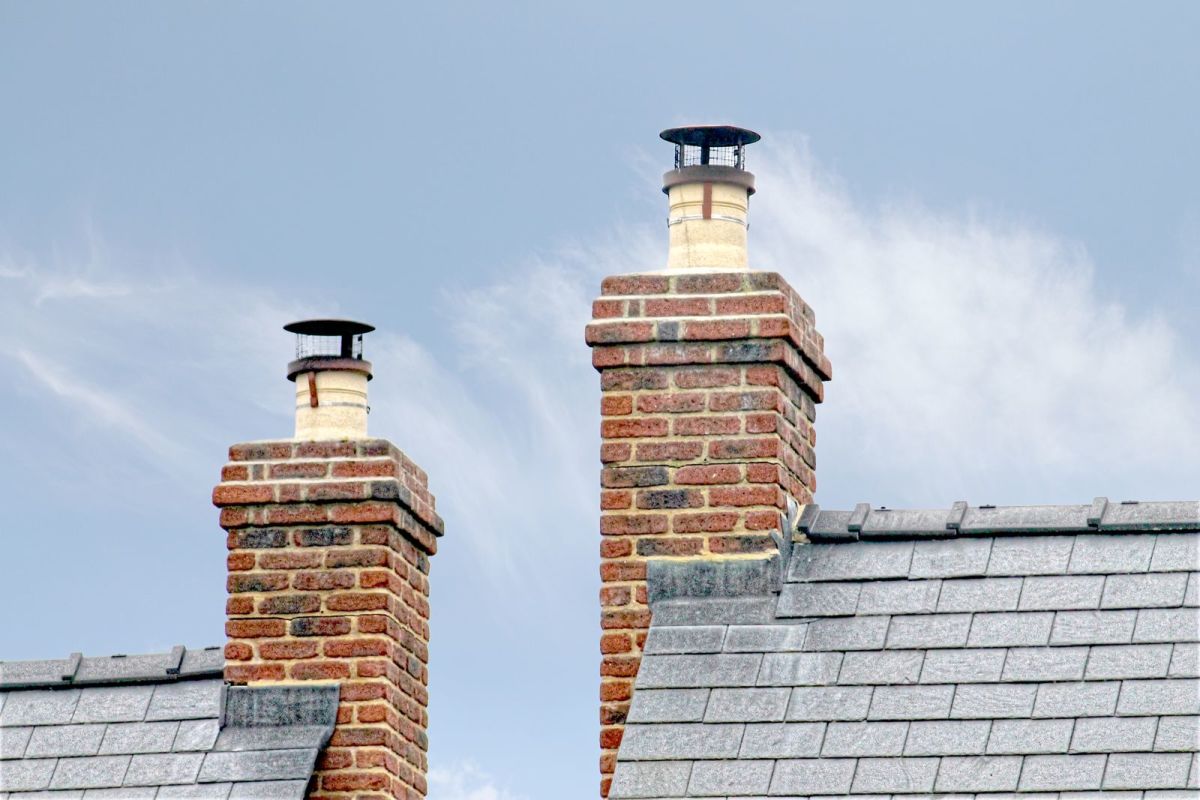
The second cluster of findings relates to wind rather than salt, though the two often compound each other. Portsmouth's exposure means suction on ridge lines and verges runs noticeably higher than an inland equivalent, so mortar bedding and mechanical fixings work loose years before they would elsewhere. A surveyor walking the boundary of a Portsmouth property after a windy winter will often note "displaced ridge tiles" or "cracked verge pointing" as a standard line, particularly on end-of-terrace and semi-detached properties with an exposed gable.
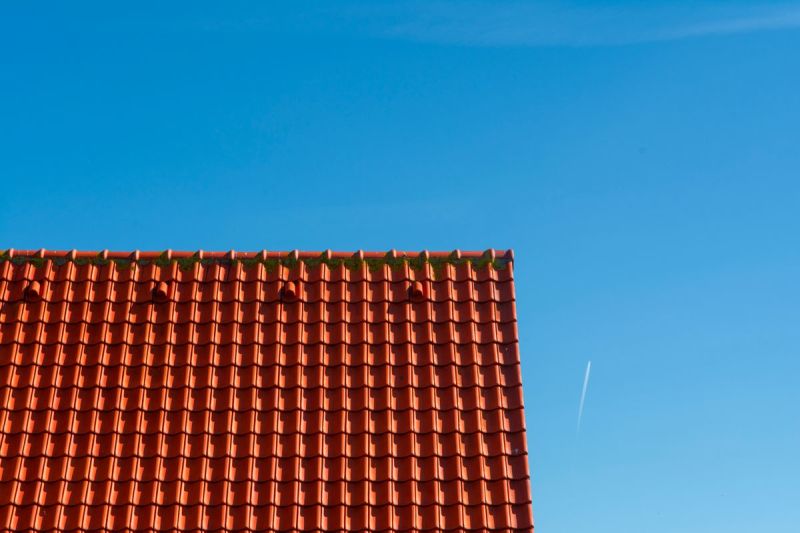
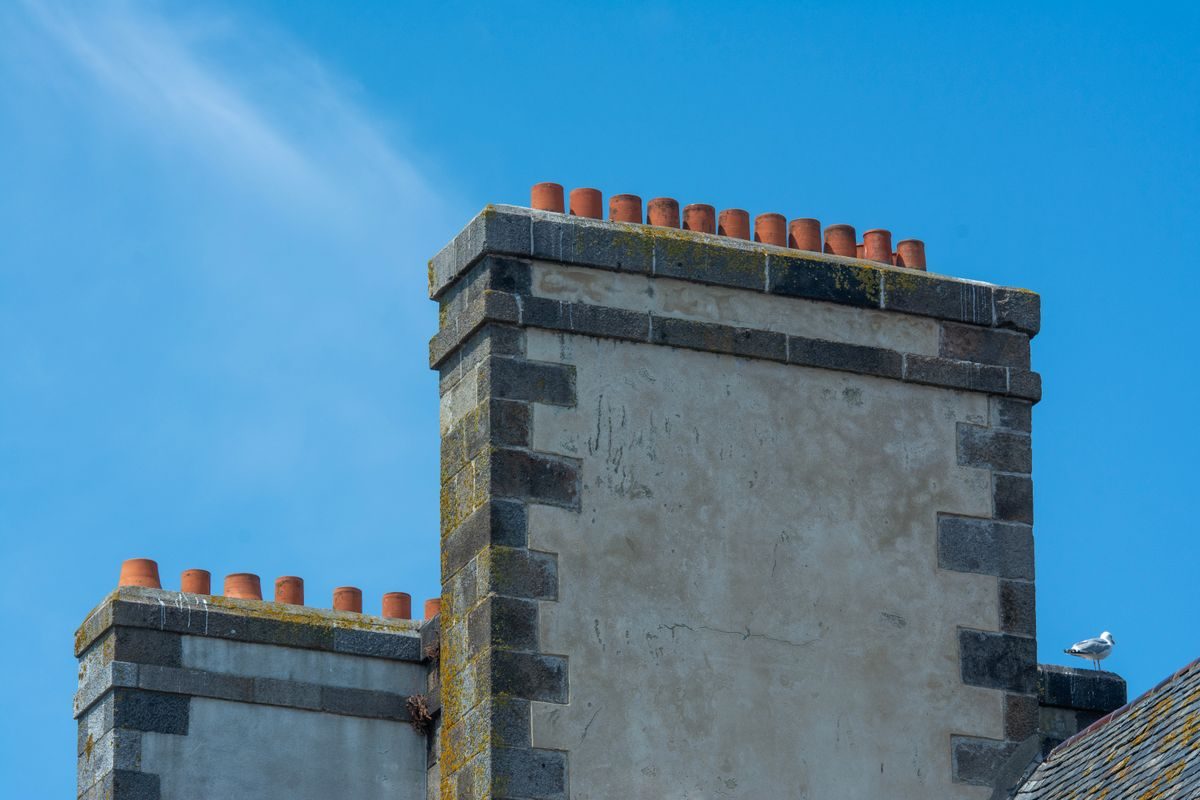
Sand-and-cement ridge bedding has a working life of roughly 20 to 30 years, less again on a south-west-facing gable that takes the worst of prevailing Solent winds. Once it cracks, individual ridge tiles start moving in every gale rather than sitting as one continuous run, and that movement is exactly what a surveyor is trained to spot from ground level, even without getting on the roof.
How Old Is Too Old? What Our Coastal Lifespan Guide Adds to the Survey
A homebuyer report will describe a defect but rarely tells you how much life the roof has left, and that number matters more than the defect itself when you're pricing an offer. We cover realistic material-by-material lifespans for Portsmouth's coastal exposure in more detail in our guide to how long a roof lasts in Portsmouth, which is worth reading alongside any survey that flags ridge, verge or flashing wear, since it puts a number on how many years those symptoms buy you before a full re-roof becomes unavoidable.
Damp, Condensation and Roof Timbers in Older Housing Stock
Portsmouth's dense terraced streets bring a third recurring theme: condensation and damp in loft timbers, particularly in roofs that were re-covered at some point without updating the underlay or adding ventilation. Surveyors regularly find damp staining on rafters in houses where the felt beneath the tiles has failed generally rather than in one obvious spot, and in an unventilated loft that moisture condenses on cold timber and slowly rots battens and rafter ends.
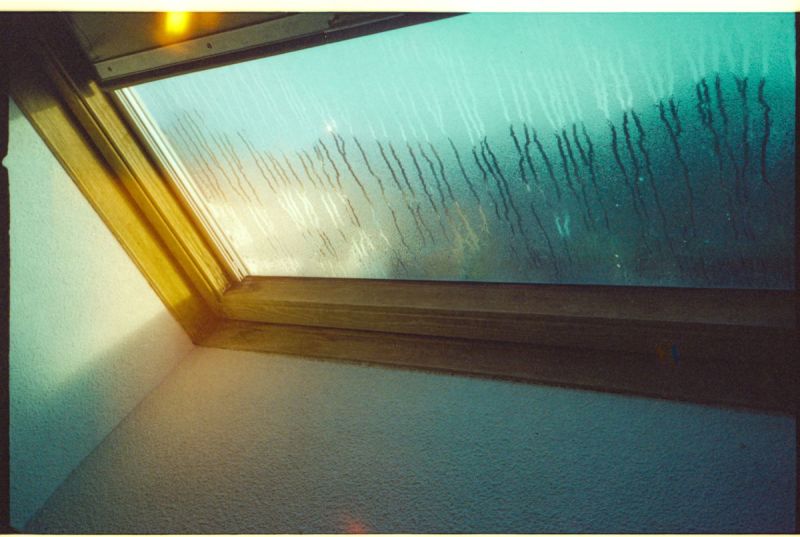
This finding matters more on a purchase than a routine inspection, because it is genuinely difficult to price from a report alone. A patch of staining might mean nothing beyond a single historic leak that has since been fixed, or it might mean the underlay has failed across the whole roof and every batten needs checking. Ask the seller's agent whether any roof work has been carried out and, if the survey flags this, get a proper loft inspection before you commit rather than assuming the worst or the best.
RICS Level 2 vs Level 3: What Each Survey Level Covers on the Roof
Buyers often assume any survey gives the roof a thorough look, and that is not quite true. A RICS Level 2 Home Survey, sometimes still called a HomeBuyer Report, is a visual inspection with no roof access - the surveyor looks from ground level, from windows, and through the loft hatch, then rates each element on a simple traffic-light condition scale. It is the standard choice for a conventional Portsmouth property in reasonable condition and is what most mortgage lenders' valuations sit alongside.

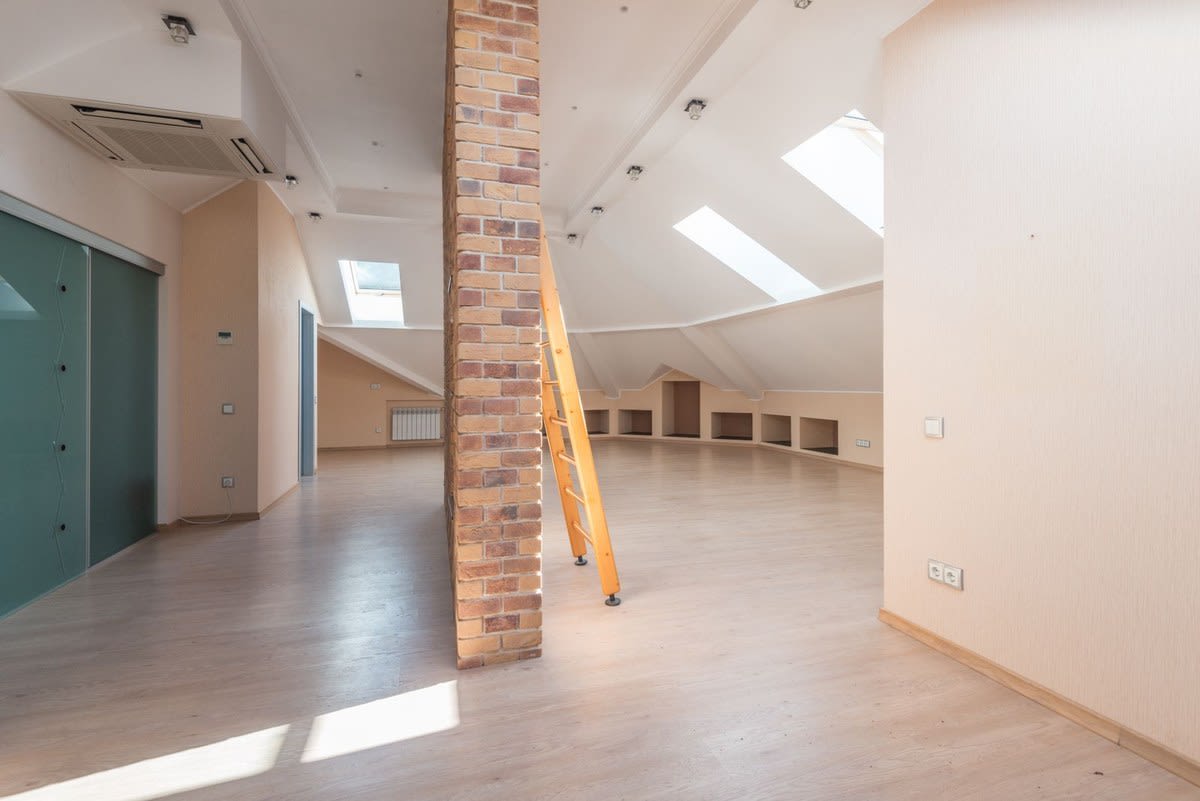
A Level 3 Building Survey goes much further: it includes roof space access where safe, a more detailed description of construction and defects, and cost guidance for repairs. It costs more but is worth the difference on any Portsmouth property over roughly 80 years old, on anything with visible historic alterations like a loft conversion or rebuilt chimney, or on a property in a conservation area such as Old Portsmouth or parts of Southsea, where like-for-like material rules can make repairs pricier than elsewhere. The RICS consumer guide to the Home Survey levels sets out exactly what each level does and does not cover, and is worth reading before you instruct one rather than after the report lands.
Turning Survey Findings Into a Lower Offer or a Repair Credit
A roof finding only helps you if you use it properly, and there is a right way to do this. Get a fixed quote for the flagged work from a roofer, not just a rough figure from the survey, since surveyors deliberately give wide cost ranges to avoid liability and sellers know it. A specific number - "£1,800 to re-bed the ridge and renew two flashings" - is much harder for a seller's agent to dismiss than a survey line reading "ridge bedding requires attention."
On a typical Portsmouth transaction, successful roof-related negotiations tend to land in one of two ways: a straight price reduction roughly matching the repair quote, or the seller arranging the work before completion through their own contractor. Sellers usually prefer the first option because it is faster and avoids them managing building work on a house they are leaving. Either way, raise it through your solicitor in writing rather than informally through the agent, and do it as soon as the report lands - buyers who sit on a survey for two weeks lose most of their negotiating leverage as the chain moves on. The government's guide to buying and selling a home sets out where in the process this negotiation typically happens and what your solicitor needs from you to act on it quickly.
It also helps to know who you would use to fix the issue, since a vague "get it repaired" clause is worth less than a named contractor and a firm quote. The National Federation of Roofing Contractors publishes guidance on vetting a competent roofer, which is worth a look if the survey has thrown up something you were not expecting and you need a second, trustworthy quote quickly.
When to Walk Away vs When to Keep Negotiating
Most Portsmouth roof findings are negotiable rather than disqualifying, but a small number genuinely change the calculation. Widespread nail sickness across the whole roof, structural sagging between rafters, or an underlay that has failed generally rather than in one area usually mean a full re-roof at £7,000 to £12,000 on a typical terrace or semi, and that number should shape your offer regardless of how the seller responds to negotiation.

Everything short of that - a corroded flashing, a section of loose ridge, a damp patch traced to a single old leak - is a repair conversation, not a reason to pull out. As a rough guide: if the quoted fix is under about 2% of the purchase price, it is usually worth negotiating rather than walking. Above that, especially stacked with other issues the survey has raised elsewhere in the property, it is worth pausing and getting a specialist roofer's opinion before you commit further, since a second visual check costs a few hundred pounds against a purchase running into six figures.
Frequently Asked Questions
Does a standard homebuyer survey check the roof properly in Portsmouth?
Not fully. A RICS Level 2 survey looks from ground level, from windows, and through the loft hatch, so it catches visible defects like lifted flashing or cracked ridge mortar but cannot assess fixings, underlay condition across the whole roof, or anything needing roof access. On coastal properties where corrosion and wind damage are common, a separate roof-specific inspection alongside the survey is worth the extra £150 to £350.
What roof defects come up most often on Portsmouth survey reports?
Corroded lead flashing and cracked ridge or verge mortar are the two most common findings, driven by salt air and Solent wind exposure. Nail sickness, where slipping slates appear scattered across the roof rather than clustered in one spot, is the next most frequent, particularly on pre-1940 properties in Southsea, Old Portsmouth, and along the Hayling and Gosport shorelines.
Can I use a roof survey finding to reduce my offer on a Portsmouth house?
Yes, and it is common practice. Get a fixed quote for the specific repair the survey flagged, then raise a reduction matching that figure through your solicitor rather than informally. Sellers typically respond better to a precise number from a roofer than to a vague survey line, and acting quickly matters since negotiating leverage fades the longer a chain sits waiting.
Should I pay for a Level 3 survey instead of a Level 2 on an older Portsmouth property?
If the property is over roughly 80 years old, has had a loft conversion or chimney alteration, or sits in a conservation area like Old Portsmouth, a Level 3 Building Survey is usually worth the extra cost. It includes roof space access where safe and gives repair cost guidance that a Level 2 report does not.
```json { "@context": "https://schema.org", "@type": "FAQPage", "mainEntity": [ { "@type": "Question", "name": "Does a standard homebuyer survey check the roof properly in Portsmouth?", "acceptedAnswer": { "@type": "Answer", "text": "Not fully. A RICS Level 2 survey looks from ground level, from windows, and through the loft hatch, so it catches visible defects like lifted flashing or cracked ridge mortar but cannot assess fixings, underlay condition across the whole roof, or anything needing roof access. On coastal properties where corrosion and wind damage are common, a separate roof-specific inspection alongside the survey is worth the extra £150 to £350." } }, { "@type": "Question", "name": "What roof defects come up most often on Portsmouth survey reports?", "acceptedAnswer": { "@type": "Answer", "text": "Corroded lead flashing and cracked ridge or verge mortar are the two most common findings, driven by salt air and Solent wind exposure. Nail sickness, where slipping slates appear scattered across the roof rather than clustered in one spot, is the next most frequent, particularly on pre-1940 properties in Southsea, Old Portsmouth, and along the Hayling and Gosport shorelines." } }, { "@type": "Question", "name": "Can I use a roof survey finding to reduce my offer on a Portsmouth house?", "acceptedAnswer": { "@type": "Answer", "text": "Yes, and it is common practice. Get a fixed quote for the specific repair the survey flagged, then raise a reduction matching that figure through your solicitor rather than informally. Sellers typically respond better to a precise number from a roofer than to a vague survey line, and acting quickly matters since negotiating leverage fades the longer a chain sits waiting." } }, { "@type": "Question", "name": "Should I pay for a Level 3 survey instead of a Level 2 on an older Portsmouth property?", "acceptedAnswer": { "@type": "Answer", "text": "If the property is over roughly 80 years old, has had a loft conversion or chimney alteration, or sits in a conservation area like Old Portsmouth, a Level 3 Building Survey is usually worth the extra cost. It includes roof space access where safe and gives repair cost guidance that a Level 2 report does not." } } ] } ```
Ready to work with Roof Repairs Portsmouth?
Let's connect! We’re here to help.
Send us a message and we’ll be in touch.
Or give us a call today at 023 9355 3469
Agency Contact Form
More Marketing Tips, Tricks & Tools