Bungalow Roof Repairs and Replacement in Portsmouth: Common Faults and 2026 Costs
A bungalow roof looks like the easy job on the street. It's low, you can almost reach the gutter from a stepladder, and there's no three-storey scaffold to pay for. But bungalow roof repairs in Portsmouth throw up their own problems, and a bungalow can cost more to re-roof than a two-storey semi next door. A typical 3-bed detached bungalow has roughly 30-50% more roof area than a semi with the same floor space, because the whole house sits under one roof. Most of the city's bungalows went up between the 1950s and the 1970s, in Drayton, Farlington and on the slopes below Portsdown Hill, and out towards Hayling Island and Lee-on-the-Solent. That puts many of their original concrete tile roofs at 50-70 years old. Add Portsmouth's coastal wind and salt air, and you get a specific set of faults. Here's what goes wrong on Portsmouth bungalows, what's worth repairing, and what replacement costs in 2026.
Why Bungalow Roofs in Portsmouth Wear Differently
Three things set bungalows apart.

First, the shape. Most Portsmouth bungalows have hipped roofs, sloping on all four sides, rather than the gable ends you see on terraces. Hips look neat and resist wind well, but every hip is a long line of mortar-bedded hip tiles. A detached hipped bungalow can have 25-35 metres of hip and ridge, against about 8-10 metres of ridge on a terraced house. That's a lot more mortar to crack.
Second, the pitch. Many 1960s bungalows were built with fairly shallow roofs, sometimes 20-25 degrees, using concrete interlocking tiles designed for low pitches. That works when everything is in good shape. As tiles wear and the interlocks lose their edge, water that would run off a steep roof lingers and gets blown back up under the laps.
Third, exposure. A bungalow has nothing above it, and on an open plot in Farlington or near the seafront at Eastney, the whole roof takes the full force of south-westerly gales. Portsmouth gets around 750mm of rain a year, well below the UK average of about 1,160mm, but it's one of the windier places on the south coast. The salt in that wind corrodes nails and clips faster than inland.
If you're not sure whether your bungalow roof needs a repair or a rethink, Roof Repairs Portsmouth can inspect it, usually without any scaffold, and talk you through the options in plain English.
The Five Faults We See Most on Portsmouth Bungalows
These come up again and again, in roughly this order.

- Cracked or missing hip and ridge mortar. The most common call-out. Mortar from the 1960s is now past its life, and on hipped roofs a loose hip tile at the bottom corner can slide off completely.
- Rusted hip irons. The curved steel bracket at the foot of each hip holds the bottom hip tile in place. Near the sea they rust through, and the bottom tile drops.
- Slipped tiles from corroded nails. Concrete tiles are often nailed every other course on older roofs. Once nails rust, a gale lifts the tiles and they slide.
- Failed felt at the eaves. The felt that runs into the gutter goes brittle in sunlight and crumbles, so water runs behind the fascia.
- Leaks around flat-roofed extensions and porches. A lot of bungalows have had a kitchen or garage extension added with a felt flat roof, and the joint where it meets the main tiled roof is a classic leak point.
None of these on its own means you need a new roof. Several of them at once, on a roof over 50 years old, usually does.
Hipped Bungalows vs Chalet Bungalows
Standard hipped bungalow
The roof is mostly open loft, which makes life easier. A roofer can check the felt, timbers and any leaks from inside in a few minutes, and most repairs can be done from a ladder and roof ladder, or a tower scaffold for longer jobs. If the hips are the problem, many owners now switch to a dry hip system, which uses mechanical clips and a roll-out seal instead of mortar. It typically adds £600-£1,200 to the cost of a hip and ridge job on a detached bungalow, but you shouldn't need to repoint it again.
Chalet bungalow
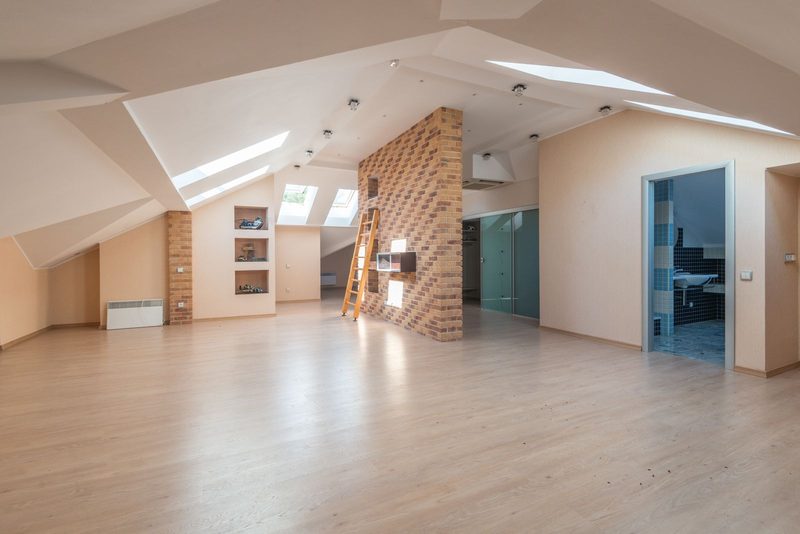
Chalet bungalows have rooms in the roof, usually with dormer windows front or back. They're common in Cosham, Drayton and Waterlooville. The roof here is doing two jobs: keeping the rain out and insulating a bedroom. That brings different faults. Dormer cheeks and flat dormer tops leak, lead flashings around dormers crack, and condensation builds in the small voids behind the knee walls. Repairs are more fiddly, because you can't easily see the underside of the roof from inside a finished bedroom. Leak tracing on a chalet bungalow can take 1-2 hours longer than on a hipped one.
If you're thinking of turning a hipped bungalow into a chalet with a loft conversion, the Planning Portal's guide to loft conversions sets out the permitted development limits, including the 50 cubic metre allowance for detached and semi-detached houses and the rule that dormers on the front slope need planning permission.
Repair or Replace? A Rule of Thumb for Bungalows
Bungalows tip over into replacement sooner than two-storey houses, and the reason is mostly cost. With a two-storey house, scaffolding is a big chunk of any job, so it often pays to keep repairing. With a bungalow, scaffold costs less, so there's less reason to put off doing the whole roof once it's tired.
As a rough guide:
- If the roof is under 40 years old and only one fault is showing, repair it.
- If it's 40-60 years old with hip mortar, a few slipped tiles and sound felt, repair it and budget for replacement within 5-10 years.
- If it's 50 years old or more, the felt is brittle across the loft and you're paying for repairs every winter, replacement is usually the better use of money.
There's also a long-term point. Many people buy a bungalow intending to stay for 20 years or more. A new roof done now, at 60, is one you shouldn't need to think about again.
Bungalow Roof Replacement Costs in Portsmouth for 2026
These are typical prices, including VAT, for bungalows in Portsmouth and the surrounding area. Your quote will vary with roof size, pitch, tile choice and access.

- Rebedding the hips and ridge on a semi-detached bungalow: £700-£1,400.
- Rebedding the hips and ridge on a detached hipped bungalow: £1,200-£2,400.
- Converting hips and ridge to a dry system on a detached bungalow: £1,800-£3,200.
- Replacing slipped tiles and a hip iron: £150-£400.
- Full re-roof of a 2-bed semi-detached bungalow in concrete tiles: £6,000-£9,500.
- Full re-roof of a 3-bed detached hipped bungalow in concrete tiles: £9,500-£15,000.
- Full re-roof of a chalet bungalow with two dormers: £12,000-£20,000.
Scaffolding for a single-storey bungalow typically costs £600-£1,300, against £1,200-£2,500 for a two-storey semi. Hayling Island and seafront jobs can come in 5-10% higher because of the extra fixings needed for wind exposure and the time lost on gusty days.
Insulation when you re-roof
If you replace more than a quarter of the roof, building regulations normally expect the insulation to be brought up to modern standards where it's practical. On a hipped bungalow that's usually just topping up the loft to around 270mm of mineral wool. On a chalet bungalow it can mean insulating between and under the rafters, which adds cost. The government's Approved Document L on conservation of fuel and power sets the targets your roofer will be working to.
Choosing Tiles and Fixings for a Coastal Bungalow
Most Portsmouth bungalows were built with concrete interlocking tiles, and that's what most owners go back to. They're quick to lay, cheap compared with slate or clay, and suit the low pitch. Check that whatever tile you choose is rated for your roof's pitch, because some popular profiles need 22.5 degrees or more, and a 1960s bungalow at 20 degrees needs a low-pitch tile.
Near the sea, the fixings matter as much as the tile. Modern standards require every tile on most roofs to be mechanically fixed, often with nails and clips, and a coastal roof should use stainless steel or aluminium fixings rather than standard galvanised ones. Ask your roofer to write the fixing spec into the quote.
We've compared slate, clay and concrete for local homes in more detail in our guide to the best roof tiles for Portsmouth homes on the coast. For bungalows the case for concrete is even stronger, because the wide, shallow roof shows off the cost difference.
Getting the Work Done in Portsmouth
Portsmouth's roofers are busy through autumn and winter, like everywhere on the south coast. After a big storm, waits for non-urgent work can reach 4-6 weeks. A full bungalow re-roof is a 5-8 working day job in decent weather, and can stretch to 2-3 weeks between November and February once you allow for wind and rain. Roofers won't strip a roof on a day when gusts are forecast over about 30mph.
Many bungalow owners are older, and some live alone, which makes them a target for cold callers after storms. Get 2-3 written quotes, and check any firm on a register you can search yourself, such as the government-endorsed TrustMark register. Don't agree to work on the doorstep, and don't pay more than about 25% up front.
Frequently Asked Questions About Bungalow Roofs in Portsmouth
Is it cheaper to re-roof a bungalow than a house?
Not always. Scaffolding is cheaper, but a bungalow usually has a bigger roof area for its floor space and more hips to finish. A detached hipped bungalow in Portsmouth often costs more to re-roof than a two-storey semi, at around £9,500-£15,000 in 2026.
How long does a bungalow roof last?
Concrete tile roofs on 1950s-70s bungalows typically last 50-70 years, though the mortar and felt often need attention well before that. Near the coast in Portsmouth, corroded fixings can shorten the life of the original roof.
Do I need planning permission to re-roof my bungalow?
Usually not, if you're replacing like with like. You may need permission in a conservation area, if you're changing the roof shape, or if you're adding front dormers. Building regulations normally apply when more than 25% of the roof is replaced.
Why do the bottom hip tiles keep falling off my bungalow?
Usually because the hip iron at the base has rusted or the mortar under the bottom tile has failed. Replacing the hip iron and rebedding or mechanically fixing the tile typically costs £150-£400.
Ready to work with Roof Repairs Portsmouth?
Let's connect! We’re here to help.
Send us a message and we’ll be in touch.
Or give us a call today at 023 9355 3469
Agency Contact Form
More Marketing Tips, Tricks & Tools