Winter Roof Maintenance in Portsmouth: Pre-Storm Checks and the Repairs to Book Now (2026 Costs)
Most of the roof damage we're called out to in January was already there in October. A ridge tile with cracked mortar, a gutter half full of leaves, a strip of lead lifting at one corner. None of it leaks on a calm day, and then the first big south-westerly blows in off the Solent. Winter roof maintenance in Portsmouth is about finding those weak spots while the weather still lets a roofer fix them properly. The timing matters here more than in most places. The Met Office has named between 5 and 12 storms in each season since naming began in 2015, and the south coast takes the first hit from most of them. Portsmouth gets around 750mm of rain a year, with roughly 40% of it falling between November and February, usually blown in sideways. A small repair at £150-£400 now often heads off an emergency call-out at £300-£600, plus the ceiling damage.
Why Winter Roof Maintenance in Portsmouth Can't Wait Until the First Storm
On a coastal roof, the damage from a winter storm builds up bit by bit. Wind gets under one loose tile, lifts it, and the next gust takes the two beside it. Rain driven at 40-50mph finds its way through pointing that would keep out a normal downpour. Salt in the air works on mortar, fixings and lead all year round, so by autumn a Portsmouth roof has had 12 months of corrosion that an inland roof simply hasn't.

The other problem is booking. From November onwards, most roofers across south Hampshire spend their days on emergency work. Once a named storm has been through, waits of 2-4 weeks for non-urgent jobs are normal, and tarpaulins go on roofs that only needed a £200 fix in the autumn. If you book planned maintenance in October or early November, you'll usually get a date within a week or two.
If you'd rather have someone look at it for you, Roof Repairs Portsmouth can carry out a pre-winter roof check and give you a written list of anything that needs doing, in priority order.
The 20-Minute Check You Can Do From the Ground
You don't need a ladder for this, and you shouldn't go up on the roof yourself. A pair of binoculars and a torch for the loft will show you most of what matters.

From the street and the garden
- Count the ridge tiles along the top. Any with a visible gap underneath, or with mortar missing at the joints, are the first thing a gale will lift.
- Look for tiles or slates sitting at a different angle from their neighbours. Even 10-15mm of slip lets wind get underneath.
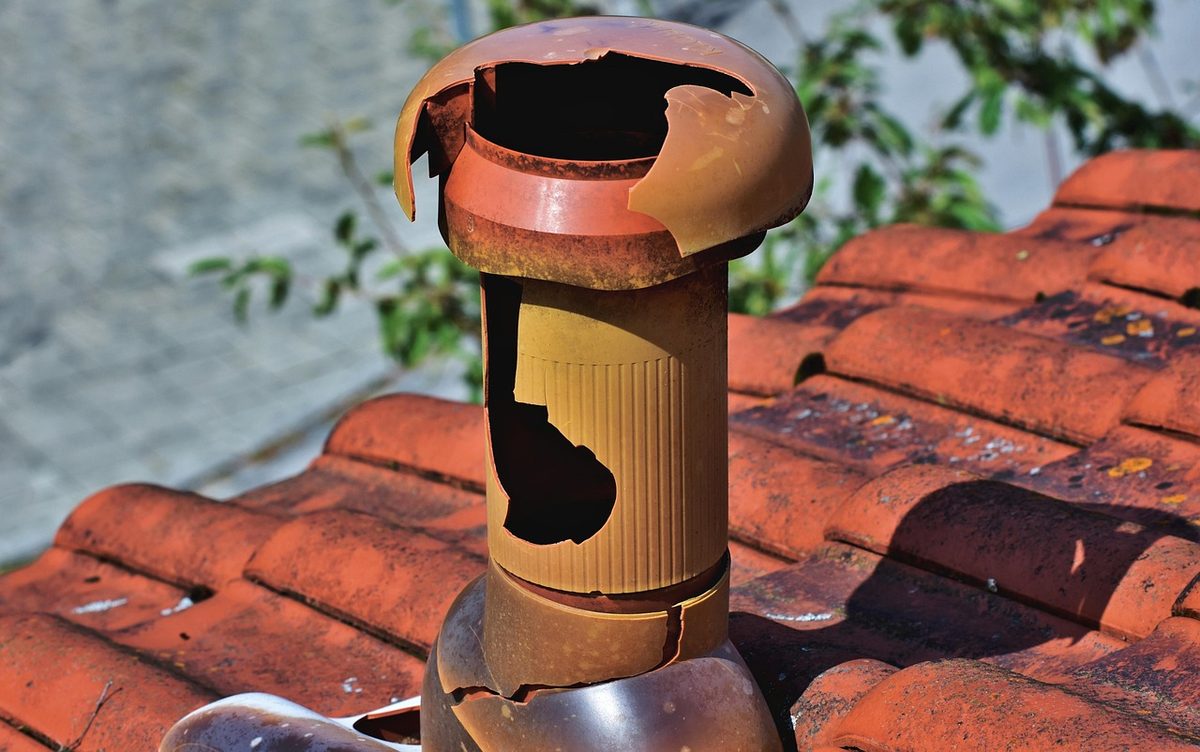
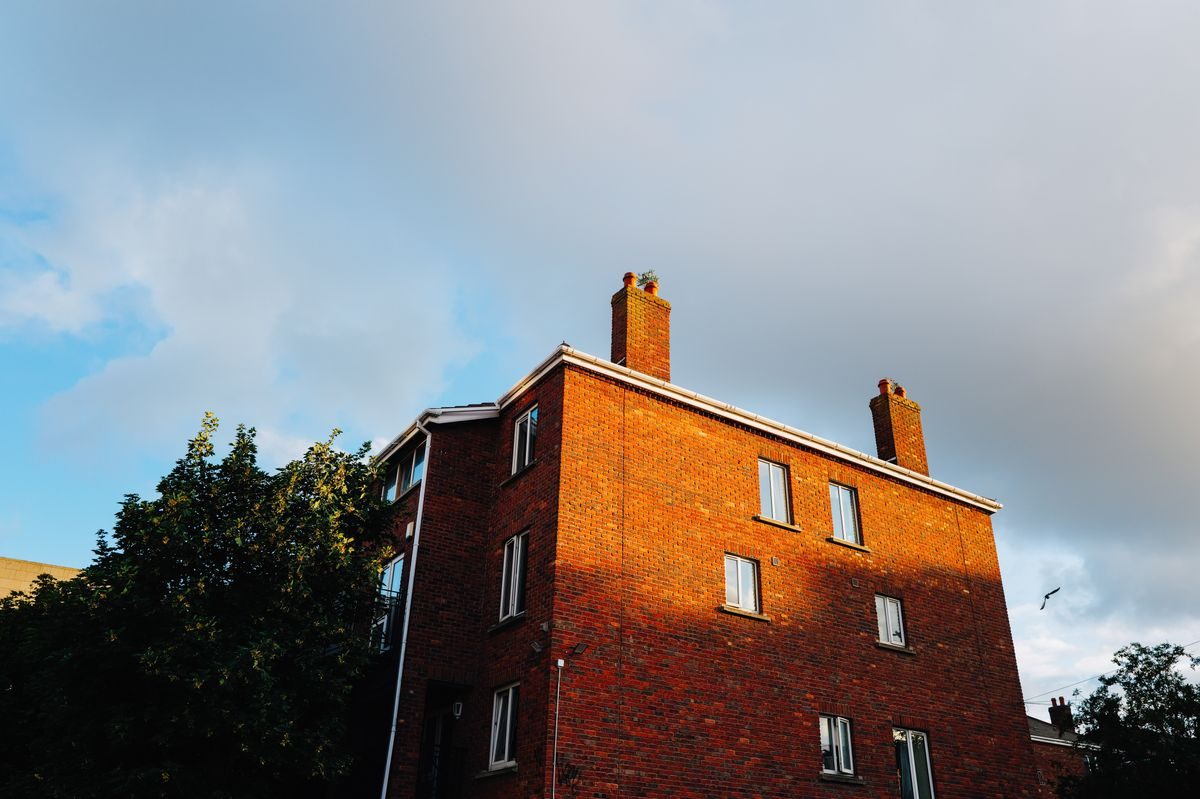
- Check the chimney. Look for cracked flaunching around the pots, leaning pots, or lead flashing that's pulled away from the brickwork.
- Look along the gutters for plants growing out of them, sagging sections or dark streaks down the wall underneath.
- On a flat roof you can see from an upstairs window, look for blisters, splits or standing water that's still there 48 hours after rain.
From the loft
Go up after a wet day if you can. Shine a torch along the underside of the roof and look for damp patches on the felt or timber, daylight coming through, and tide marks on the insulation. Damp near the eaves usually points to blocked gutters or failed felt at the bottom of the roof. Damp around the chimney breast almost always points to the flashing.
Gutters and Downpipes: The Cheapest Winter Job With the Biggest Payoff
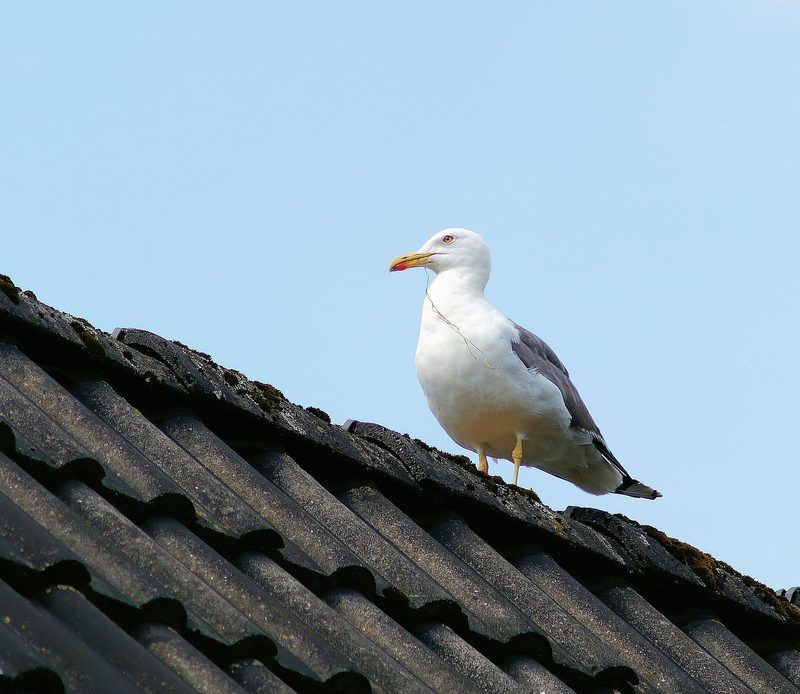
Blocked gutters cause more winter damage on Portsmouth homes than any other single fault we see. When a gutter overflows in heavy rain, the water runs back behind the fascia, soaks the top of the wall and the ends of the rafters, and on terraces it often comes through the front bedroom ceiling. Leaves are part of it, but on the coast the bigger culprit is often gull nesting debris and moss washed down from the tiles.

A standard gutter clear and downpipe flush on a terrace costs about £80-£150, and £120-£220 on a semi or detached house. It's best done in late October or November, once most leaves are down. Ask the roofer to check the joints and brackets while they're up there. A gutter that's dropped by 20-30mm at one end will hold water and overflow however clean it is, and refixing brackets is usually only £40-£90 extra on the same visit.
Ridge Tiles, Hips and Verges: What Lifts First in a Gale
Ridge and hip tiles on older Portsmouth houses are held on with mortar alone. Over 20-30 years of salt air and frost, the mortar shrinks, cracks and lets go of the tile. You won't notice a loose ridge until wind gets under it, and then it either rocks free or comes off in one piece, often taking the tiles below with it on the way down.
The same goes for the verges, the edges of the roof at the gable ends. Mortar verges crack and fall out in chunks, which is exactly where wind gets in on an end-of-terrace house.
Repoint, rebed or dry fix?
- Repointing: raking out and replacing the joint mortar where the tiles themselves are still firmly bedded. Roughly £20-£35 per metre.
- Rebedding: lifting the ridge tiles and relaying them on fresh mortar. Usually £40-£70 per metre, so £400-£700 for a typical terrace ridge.
- Dry ridge or dry verge: mechanically fixing the tiles with clips and screws instead of mortar. Around £50-£90 per metre, and it won't wash out again.
BS 5534, the British Standard for slating and tiling, has required ridge and hip tiles to be mechanically fixed on new work since 2015, mortar or not. On an exposed coastal roof, dry fixing is the better long-term choice. We've covered how the felt and underlay under Portsmouth roofs fail in wind-driven rain in a separate guide, and it's worth reading if you have damp in the loft as well as loose ridges.
Mortar work has one winter catch. It needs temperatures above about 5°C while it cures, so ridge rebedding is best done before December. Dry fix systems can go on in the cold, which is another reason they suit winter work.
Lead Flashings and Chimneys: Small Gaps, Big Leaks
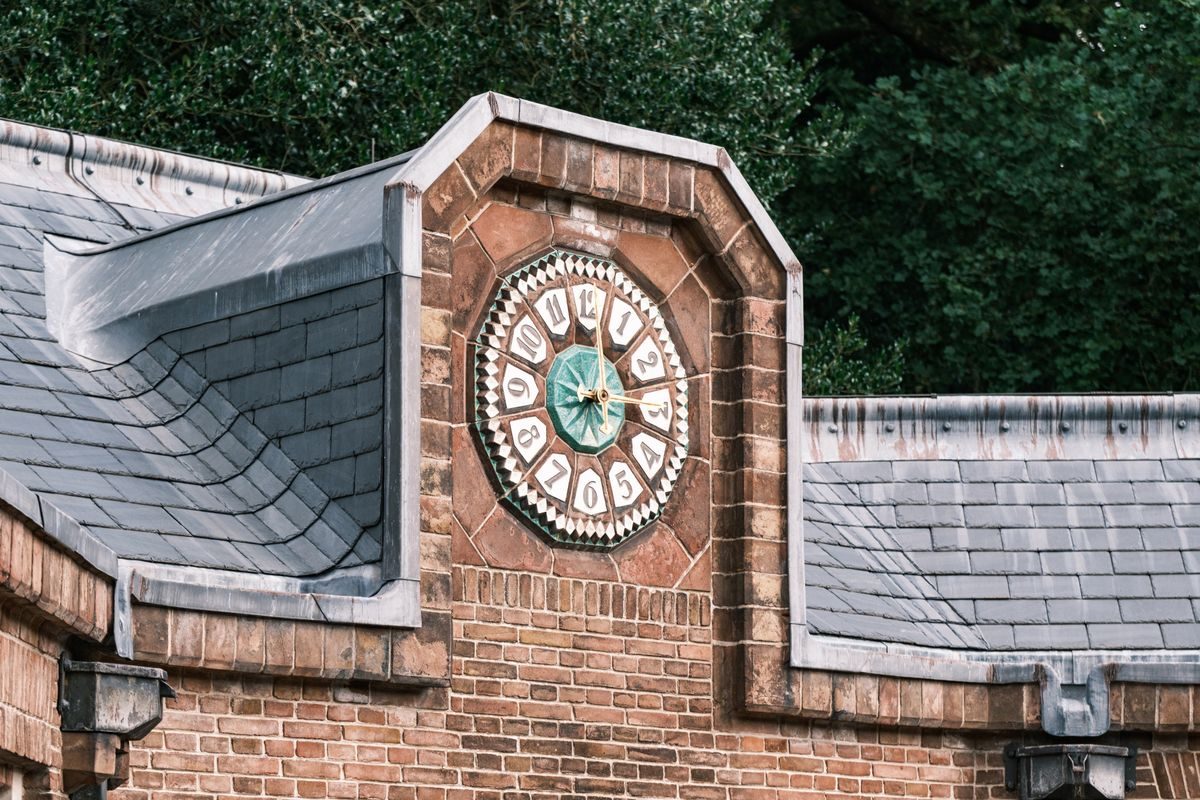
The lead where your roof meets a chimney, a party wall or a dormer is supposed to lie flat and tight. On Portsmouth roofs, it's often been dressed decades ago and has crept, split or lifted at the top edge, where it tucks into the brickwork. A 5mm gap at the top of a flashing is enough to let wind-driven rain run straight down the inside of the chimney breast.
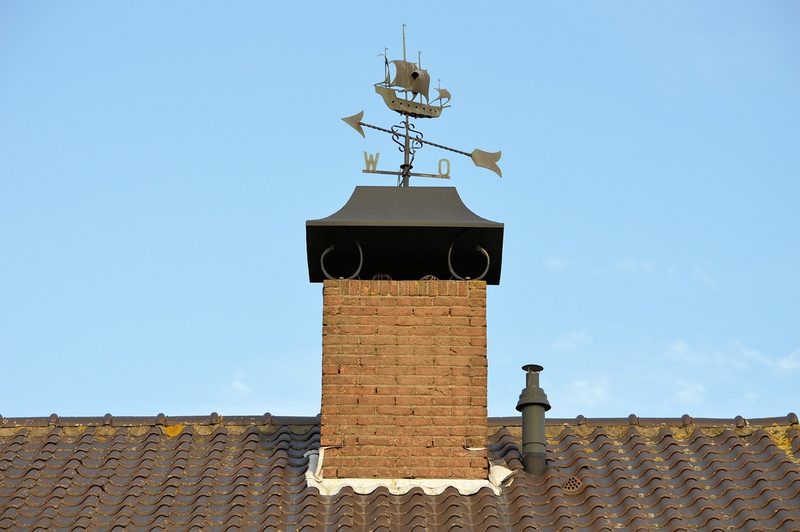
Most flashing repairs are small. Repointing the lead into the joint costs around £120-£250, and replacing a short section of stepped flashing typically runs £250-£500. A full chimney flashing replacement, including the back gutter, is more like £450-£900 depending on access. Don't let anyone fix a lifted flashing with a tube of sealant. It looks fine for a winter and then fails again by spring.
While the roofer's at the chimney, ask them to check the pots and flaunching. A cracked pot can come down in a 60mph gust, and on a terrace that means a pavement or a neighbour's roof. Capping off a disused pot with a vented cowl costs around £80-£150 per pot and stops rain getting down an unused flue.
Flat Roofs, Bays and Extensions Before the Wet Season
Flat roofs over kitchen extensions, bays and dormers are often the first things to leak in a Portsmouth winter. Standing water is the main enemy. Water that sits for more than a couple of days freezes and thaws on cold nights, finds every hairline crack, and on old felt roofs it breaks down the surface far faster than rain that drains away.

Before winter, it's worth having the outlets and edge trims cleared and any blisters or splits checked. Small patch repairs on felt cost around £150-£350. If a felt flat roof is past 15-20 years old and patched in several places, it may make more sense to plan a replacement in spring rather than keep patching. Most torch-on felt and GRP systems also have temperature and dry-weather limits for installation, so a full replacement mid-winter isn't always possible. A good roofer will tell you honestly if a temporary repair is the right call to get you to March.
What Pre-Winter Roof Maintenance Costs in Portsmouth in 2026
Typical prices, including VAT:
- Pre-winter roof inspection with written report: £90-£180
- Gutter clear and downpipe flush, terrace: £80-£150
- Gutter clear and downpipe flush, semi or detached: £120-£220
- Replacing a handful of slipped or broken tiles: £150-£350
- Ridge repointing: £20-£35 per metre
- Ridge rebedding: £40-£70 per metre
- Dry ridge or dry verge system: £50-£90 per metre
- Lead flashing repoint: £120-£250
- Chimney pot cap and cowl: £80-£150 per pot
- Flat roof patch repair: £150-£350
Portsmouth prices run about 5-10% above the UK average. Access is the main reason, as many terraces in Southsea, Fratton and North End front straight onto the pavement, so even a short job may need a tower or scaffold and occasionally a licence from the council. Combining two or three jobs on one visit, such as gutters, ridge and a flashing, cuts the access cost and usually brings the total down by 15-25% compared with booking them separately.
The Health and Safety Executive's guidance on working at height is a good reminder of why this isn't a DIY job. Falls from height are among the most common causes of fatal injuries at work in the UK, and a wet, mossy roof in November is about as dangerous as roofs get. Check that any roofer you hire is a member of the National Federation of Roofing Contractors or a similar vetted scheme, and keep an eye on Met Office weather warnings so you know when to check for damage.
What to Do If a Storm Hits Before the Work Is Done
If a storm arrives before your roofer does, don't go up yourself. Move valuables away from any damp patches, put a bucket under drips and take photos of the damage from the ground and the loft with the date showing. Those photos help with any insurance claim later. If you can see daylight or water is coming in, call for an emergency repair rather than waiting for the planned visit.

Once the weather calms, go round the house again with the binoculars. Storms often loosen tiles without dislodging them completely, and a tile that's moved 20mm after one gale tends to come off in the next one.
Frequently Asked Questions About Winter Roof Maintenance in Portsmouth
When should I get my roof checked before winter in Portsmouth?
October to mid-November is the best window. The weather is still mild enough for mortar work, most leaves have fallen so gutters only need clearing once, and roofers aren't yet tied up with storm call-outs.

How much does a pre-winter roof check cost in Portsmouth?
Most roofers charge around £90-£180 for an inspection with a written report. Some will knock the inspection fee off the price if you go ahead with the repairs they find.
Can roof repairs be done in winter?
Many can. Tile replacements, lead work and dry fix ridge systems can go on in cold weather. Mortar-based ridge and pointing work needs temperatures above about 5°C, and most flat roof systems need dry conditions, so those are best booked before December.
What roof problems cause the most winter leaks in Portsmouth?
Blocked or sagging gutters, loose ridge tiles and lifted lead flashings around chimneys account for most of the winter leaks we see. All three are fairly cheap to fix if they're caught before the storms arrive.
Ready to work with Roof Repairs Portsmouth?
Let's connect! We’re here to help.
Send us a message and we’ll be in touch.
Or give us a call today at 023 9355 3469
Agency Contact Form
More Marketing Tips, Tricks & Tools