Chimney Removal in Portsmouth: Taking Down, Reducing or Capping a Terrace Stack (2026 Costs)
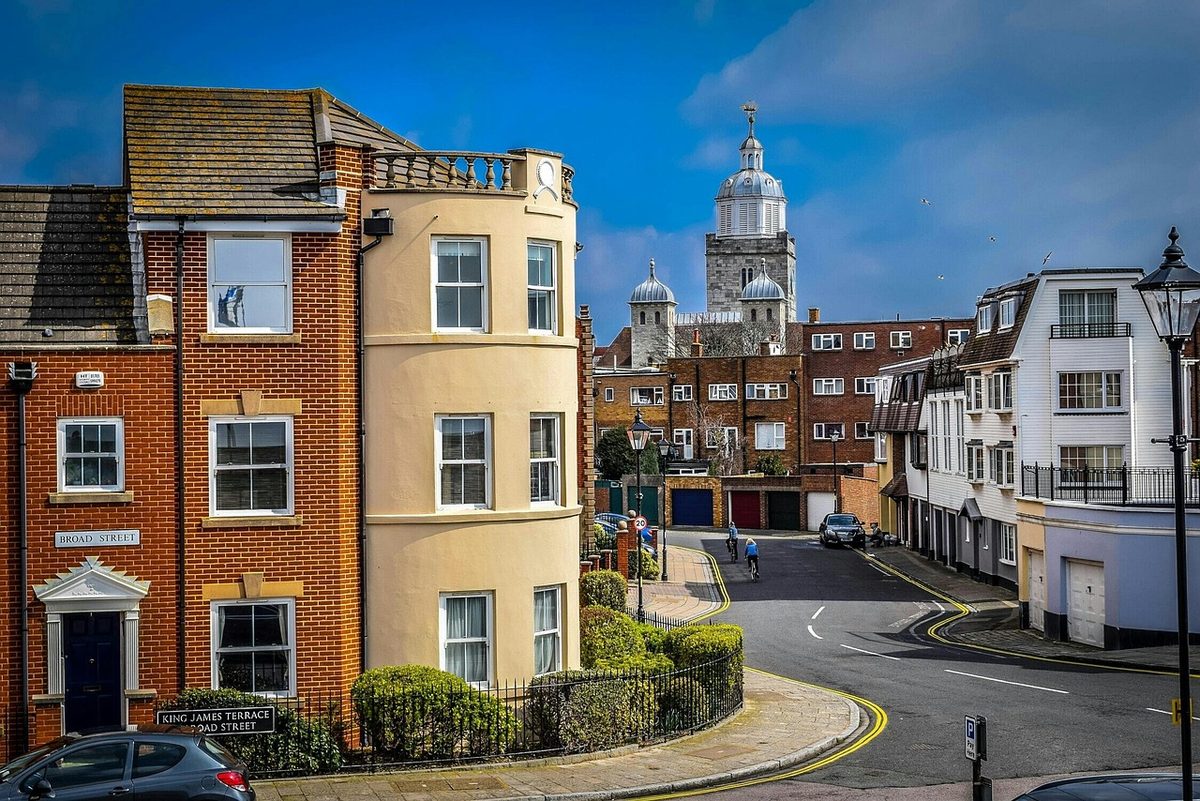
Chimney removal in Portsmouth is a common question on Victorian and Edwardian terraces, where most stacks haven't carried smoke for 50 years or more. Across Southsea, Fratton, North End and Stamshaw, a typical street has a stack every two houses, usually shared across the party wall and carrying a tonne or more of brickwork. Portsmouth only gets around 750mm of rain a year, well under the UK average of roughly 1,160mm, but the city sits almost entirely on an island and takes salt-laden south-westerlies straight off the Solent from October to March. That combination wears out mortar, lead and pots faster than inland. Most of the stack enquiries we get come down to one choice: repair again, reduce it, or take it away for good. Here's how each option works, including when half the stack is your neighbour's, and what each costs in 2026.
Why Chimney Removal in Portsmouth Comes Up So Often
Most terraced houses in the city were built between about 1870 and 1914, when every bedroom and front room had a coal fire. A two-up, two-down might have four flues running into one stack, and the house next door adds another four. Today, maybe 1 in 10 of those flues serves a working fire or stove. The rest are dead weight that still needs maintaining.
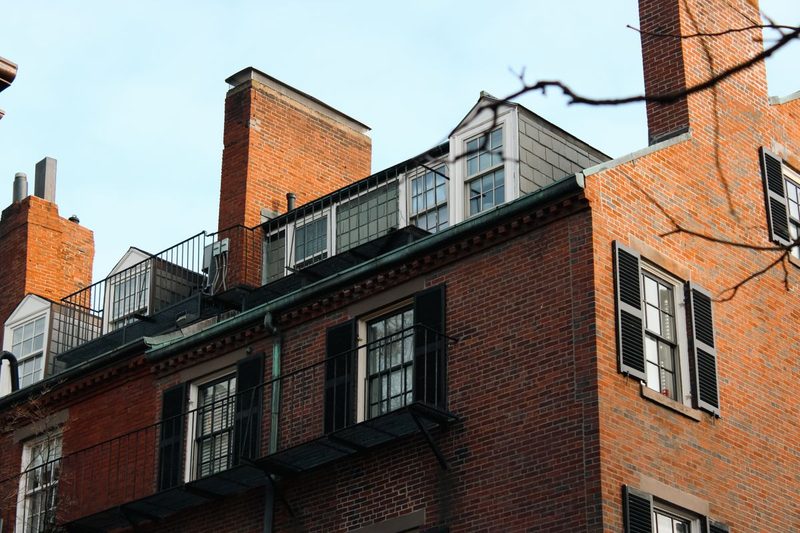
Coastal weather is the main reason these stacks fail. Salt crystallises inside soft lime mortar and pushes it out, so joints on the windward face can lose 10-15mm of depth in 20-30 years. If you've had the stack patched twice in ten years, it's worth weighing up a permanent answer. You can talk through your options with Roof Repairs Portsmouth, and we'll tell you honestly whether yours needs to come down or just needs a good repair.
Finding someone can take a while. Portsmouth has plenty of general roofers, but far fewer who'll take down a shared stack on a narrow street and deal with the party wall side too, so autumn waits of 4-6 weeks aren't unusual.
Your Three Options: Full Removal, Below Roofline, or Reduce and Cap
Full removal
This means taking out the stack above the roof and the chimney breasts inside the house, right down to the ground floor. It's the only option that gains floor space, typically 0.3-0.5 square metres per room, and it's the most expensive by a long way. On a terrace it almost always needs a structural engineer.
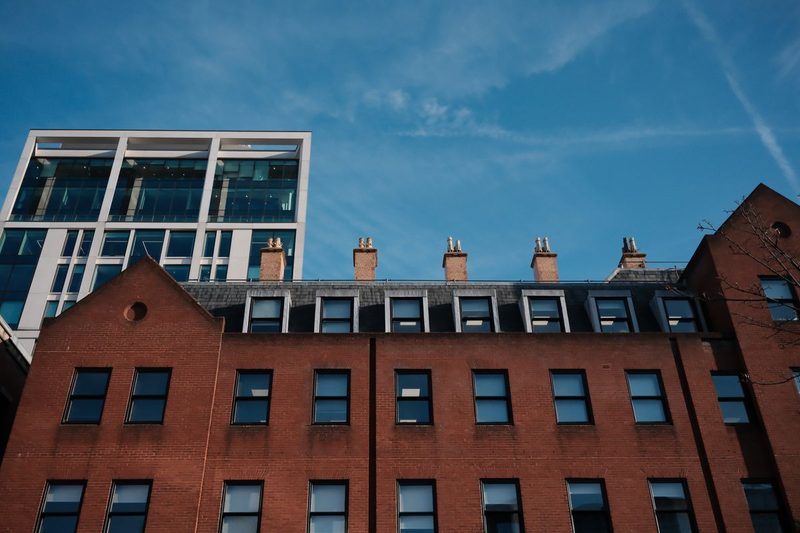
Taking the stack down below the roofline
Here the stack is dismantled to just below the rafters, the gap in the roof is boarded, felted and tiled or slated to match, and the breasts inside are left alone. The leaky part goes, and the flues below are sealed and vented. It's the most popular choice on Portsmouth terraces.
Reducing and capping
If the stack is sound lower down but the top few courses are loose, a roofer can take it down by 4-8 courses, rebuild a new top, fit new lead flashing and cap it. The stack stays visible from the street, which matters in conservation areas. Each flue still needs venting, normally with a capped pot or a vented cap.
Shared Stacks and the Party Wall Act
On most Portsmouth terraces the stack straddles the line between two houses. Half of it, and half the flues inside, belong to next door. You can't take down their half without agreement.
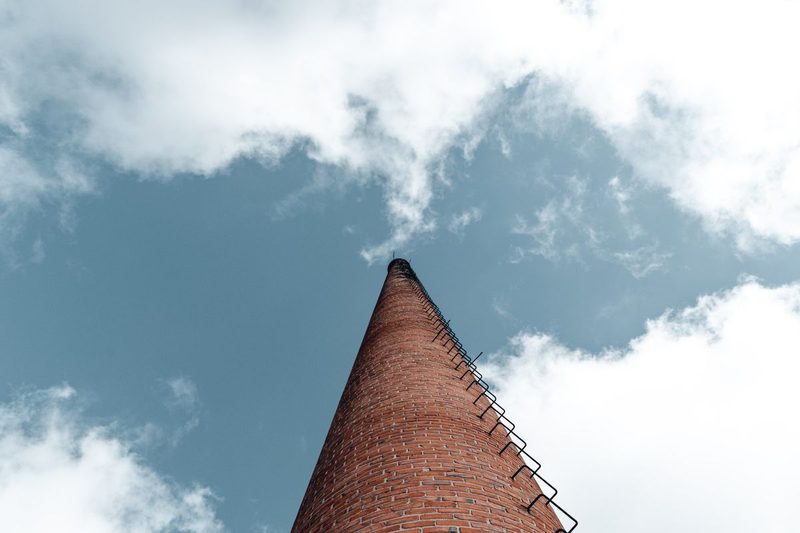
Work that cuts into or removes part of a party structure usually needs a formal notice under the Party Wall etc. Act 1996, served at least one month before work starts on the party wall itself. The government's guidance on the Party Wall etc. Act sets out the notice periods and what happens if your neighbour doesn't respond within 14 days. If they dissent, surveyors get involved, typically at £700-£1,500 per neighbour.
What happens to your neighbour's flues
Before anything comes down, every flue in the stack needs checking. If your neighbour has a gas fire, a boiler flue or a wood burner using any part of the stack, removal is off the table unless they're willing to change it. A smoke test (£80-£150) shows which flue runs where. In our experience, around 1 in 5 shared stacks in Southsea still has at least one live flue on the other side.
The best outcome is usually a joint job with a shared scaffold and a 50/50 split, which can save each side £500-£1,000 compared with doing it separately. We've covered how neighbours tend to split costs in our guide to shared roofs and party walls on Portsmouth terraces.
Removing Chimney Breasts and Supporting What's Left
Taking out a chimney breast is structural work, so Building Regulations apply. If the breast below is removed while the stack or the breast above stays, the remaining masonry needs proper support - usually a steel beam or, in some cases, steel gallows brackets bolted into the wall. Approved Document A sets out the requirements, and you can read it in the government's Building Regulations guidance on structure.
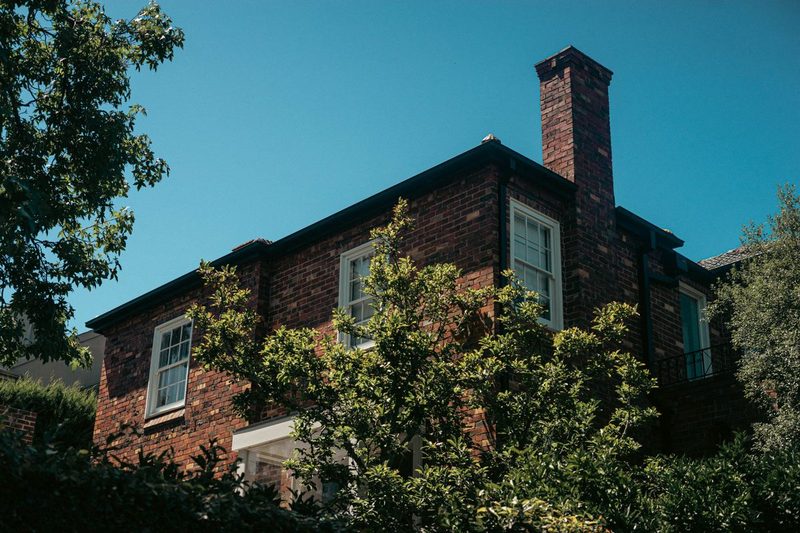
Gallows brackets are cheaper, around £300-£600 fitted, but many building control officers prefer a steel beam on a soft-brick Victorian party wall. A structural engineer's calculations cost £300-£600, and the building control fee is typically £300-£700 depending on the route you choose.
Conservation Areas, Planning and the Seafront Wind
Portsmouth has more than 20 conservation areas, and several cover large parts of Southsea's Victorian streets. In many of them, removing a chimney stack that's visible from the street needs planning permission, and some are covered by Article 4 directions that remove permitted development rights altogether. Check the Portsmouth City Council conservation areas page before booking anything, as an application can add 8 weeks to the timetable.
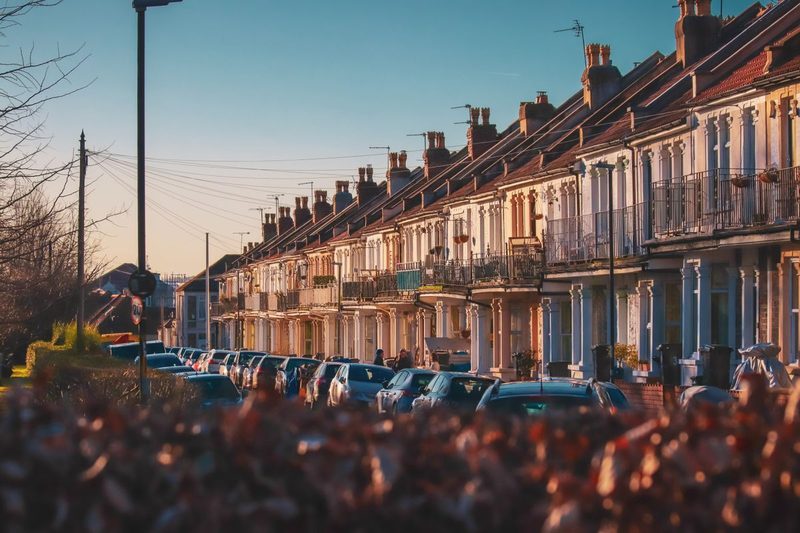
Where removal isn't allowed, reduce and cap is usually the compromise. Planners generally accept it if the brick and pots match.
Wind is the other local factor. Gusts above 50mph are recorded along the seafront most winters, and a stack that's been reduced too far or rebuilt with modern cement mortar can crack at the joint between old and new work. A good roofer rebuilds in a lime-based mortar that suits the original brick.
Scaffolding on Narrow Terraced Streets
Scaffolding is often the biggest single cost. A chimney on a mid-terrace usually needs a scaffold at the front with a roof-level chimney platform, and in many Fratton and Southsea streets that means a pavement licence from the council. Expect £700-£1,400 for a typical chimney scaffold in 2026, including the licence, for a 2-4 week hire.
Taking a stack down brick by brick from a platform, rather than dropping material down the roof, protects your neighbour's slates too. Expect 1-3 days of work for a reduction and 2-4 days for a below-roofline removal, weather permitting.
Ventilating Capped Flues So You Don't Swap One Problem for Another
A sealed flue with no air movement traps moisture. Within a year or two that shows up as brown staining on the chimney breast, often blamed on a leak. Every capped flue needs air in at the bottom and out at the top.
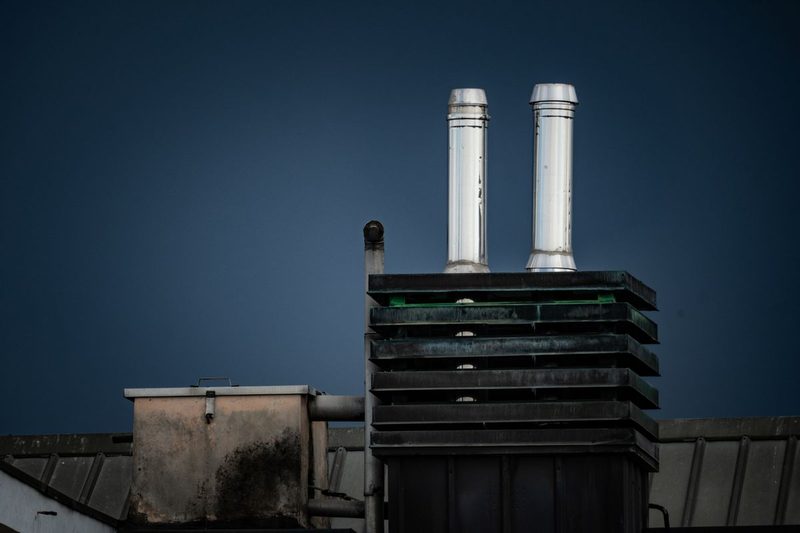
At the top, that means a vented cap, a capped pot or a ventilated ridge or slate where the stack has been removed below the roofline. At the bottom, fit an air vent into each blocked-up fireplace, typically a 9x9 inch grille costing £10-£30. Around 4 in 10 damp chimney breasts we see in Portsmouth have no ventilation at one end or the other.
What Chimney Removal and Reduction Costs in Portsmouth in 2026
These are typical prices for a terraced house in Portsmouth, including scaffold and VAT, for one household's share of the work unless stated:
- Capping pots with vented cowls only: £150-£400 per pot, plus access
- Reducing and capping a stack (4-8 courses, rebuild, new lead): £1,200-£2,500
- Taking a stack down below the roofline and making good the roof: £1,800-£3,500
- Whole shared stack below roofline, cost split between two houses: £1,200-£2,200 each
- Chimney breast removal, one room, with steel and building control: £1,500-£3,500
- Full removal of stack and breasts on all floors: £5,000-£9,000
- Party wall surveyor if your neighbour dissents: £700-£1,500 per neighbour
- Planning application in a conservation area (householder fee): around £528 plus drawings
Prices go up by 10-20% for slate roofs, where matching reclaimed Welsh slate can be hard to find, and for any job booked in the busy October to February season. If you're still deciding whether to fix the stack instead, our breakdown of chimney repairs in Portsmouth and what coastal weather does covers repointing, flashing and rebuild prices.
Frequently Asked Questions About Chimney Removal in Portsmouth
Do I need my neighbour's permission to remove a shared chimney stack?
In most cases, yes. A stack that straddles the party wall is a shared structure, so you'll usually need to serve a Party Wall Act notice and get their written consent, or appoint surveyors if they dissent. You also need to confirm none of their flues are still in use.

How much does chimney stack removal cost in Portsmouth?
Taking a stack down below the roofline and making good the roof typically costs £1,800-£3,500 in 2026, including scaffold. Splitting a shared stack with your neighbour can bring each household's share down to around £1,200-£2,200.
Do I need planning permission to remove a chimney in Portsmouth?
Outside a conservation area, removing a chimney is usually permitted development. Inside one, particularly in Southsea, you may need planning permission, and Article 4 directions can apply. Check with Portsmouth City Council first.
Is it cheaper to reduce a chimney than to remove it?
Usually, yes. Reducing and capping costs around £1,200-£2,500, compared with £1,800-£3,500 to take it below the roofline. But a reduced stack still needs maintenance, so removal often works out cheaper over 20 years.
Do I need to ventilate a capped chimney?
Yes. Every capped flue needs a vent at the top and an air grille in the blocked fireplace at the bottom. Without airflow, condensation builds up and causes damp patches on the chimney breast.
Ready to work with Roof Repairs Portsmouth?
Let's connect! We’re here to help.
Send us a message and we’ll be in touch.
Or give us a call today at 023 9355 3469
Agency Contact Form
More Marketing Tips, Tricks & Tools