Chimney Repairs in Portsmouth: What Coastal Weather Does and What Fixes Cost
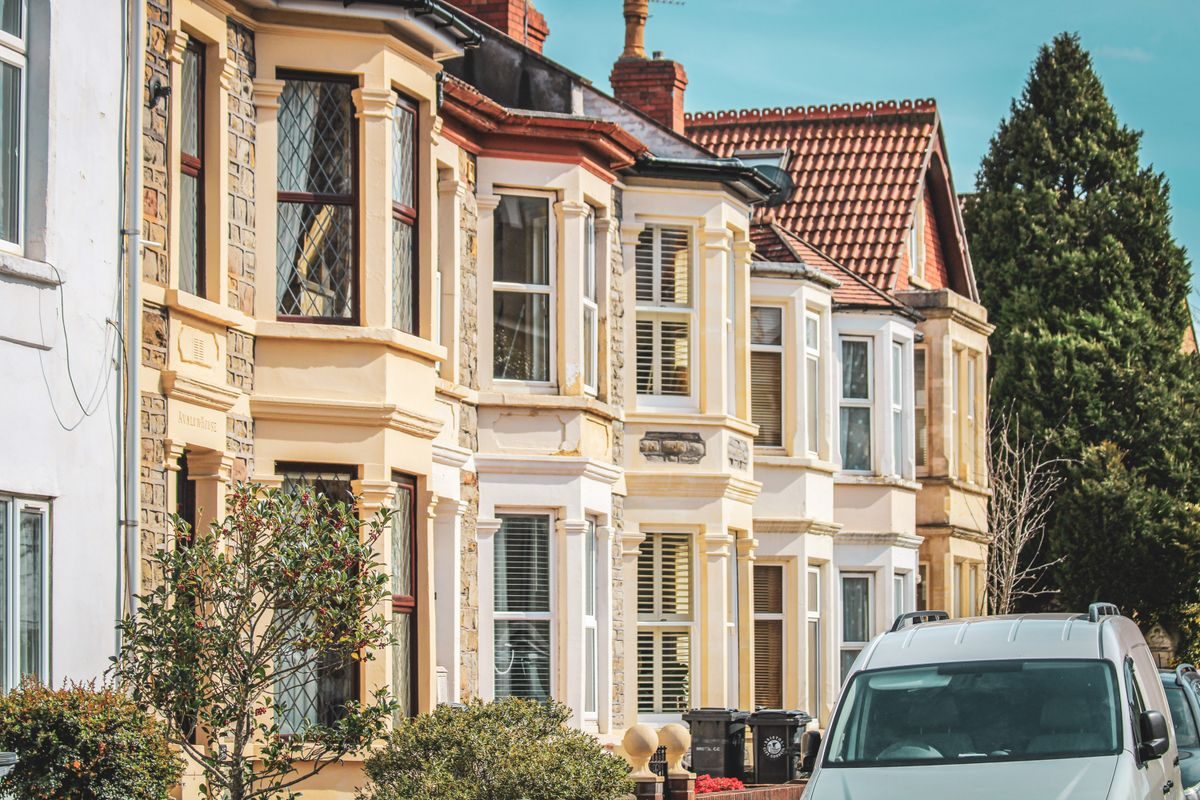
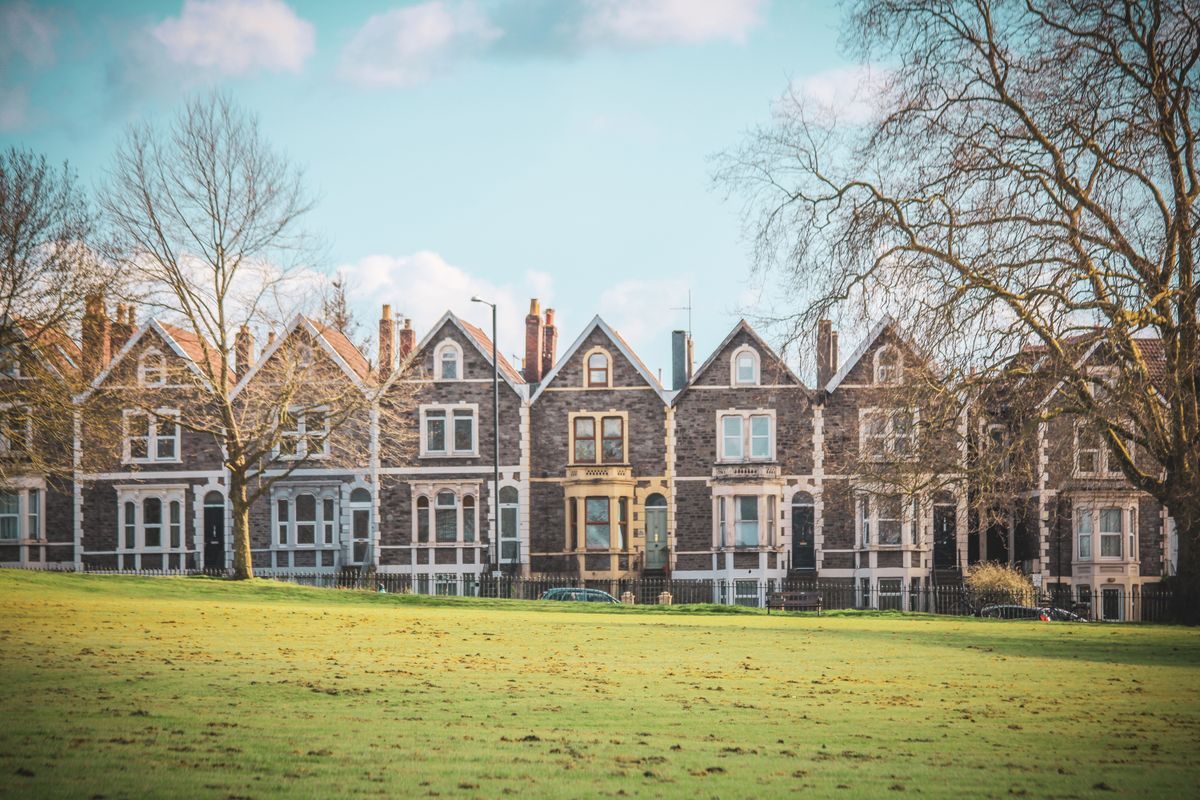
Portsmouth is the most densely populated city in the UK outside London, and the great majority of its housing stock predates 1945 - Victorian and Edwardian terraces across Fratton, Buckland and Southsea, interwar semis at Copnor, Milton and North End. Almost every one of those houses has at least one chimney stack, and something close to 70% of them no longer have a working fire beneath. That combination, an unused stack on an island city surrounded by salt water, produces the fastest chimney deterioration of any building element in the city. Repointing costs £480 to £1,000, a partial rebuild £1,200 to £2,600, and full removal £2,400 to £5,000. Here is what actually fails and how to decide what to do about it.
Why Unused Chimneys Deteriorate Faster Than Working Ones
This is the point most homeowners miss. A chimney in use is being dried continuously from the inside by warm flue gases. Take the fire out, and the stack becomes a tall, exposed, unheated brick column with water entering the top.
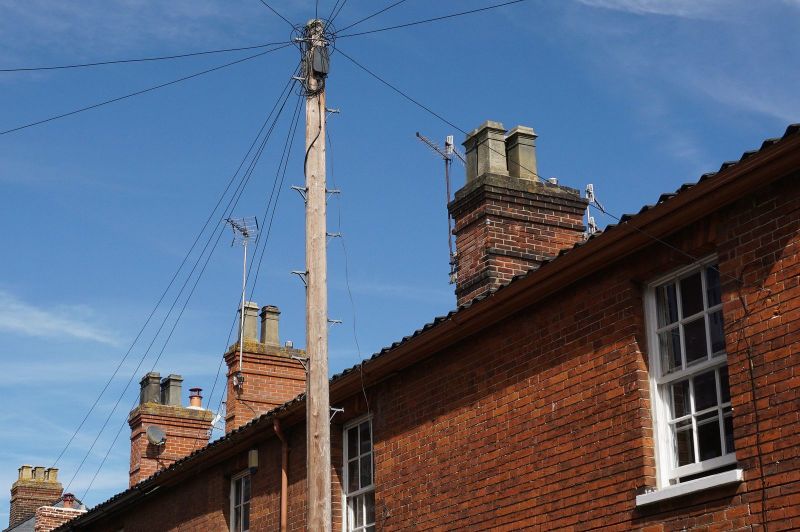
Rain falling down an uncapped flue soaks the internal brickwork. In a working chimney it evaporates. In a redundant one it sits, migrates through the stack, and shows up as damp staining on the chimney breast in the bedroom below - a symptom regularly misdiagnosed as a roof leak.
Capping a redundant stack is the cheapest preventive job in roofing. A ventilated cap or hood costs £90 to £220 fitted per pot, and the ventilation part matters: sealing a flue completely traps moisture inside and causes worse problems than leaving it open. The stack needs to be kept dry and still able to breathe.
If you are unsure whether your stack is redundant or just unused, Roof Repairs Portsmouth can check the flue and the condition of the brickwork in the same visit rather than treating it as two jobs.
What Salt Air Does to Portsmouth Brickwork
Portsea Island is surrounded by saline water and airborne salt deposition across the city is high, especially on the Southsea and Eastney frontages and along the harbour side.
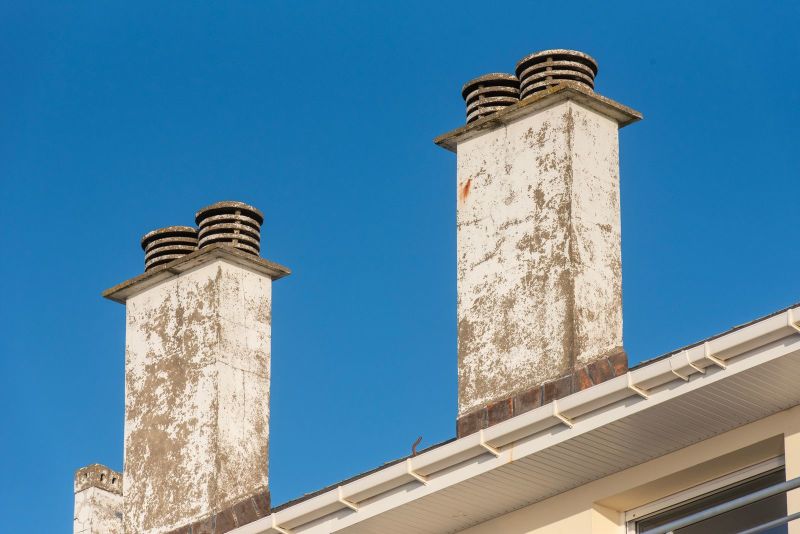
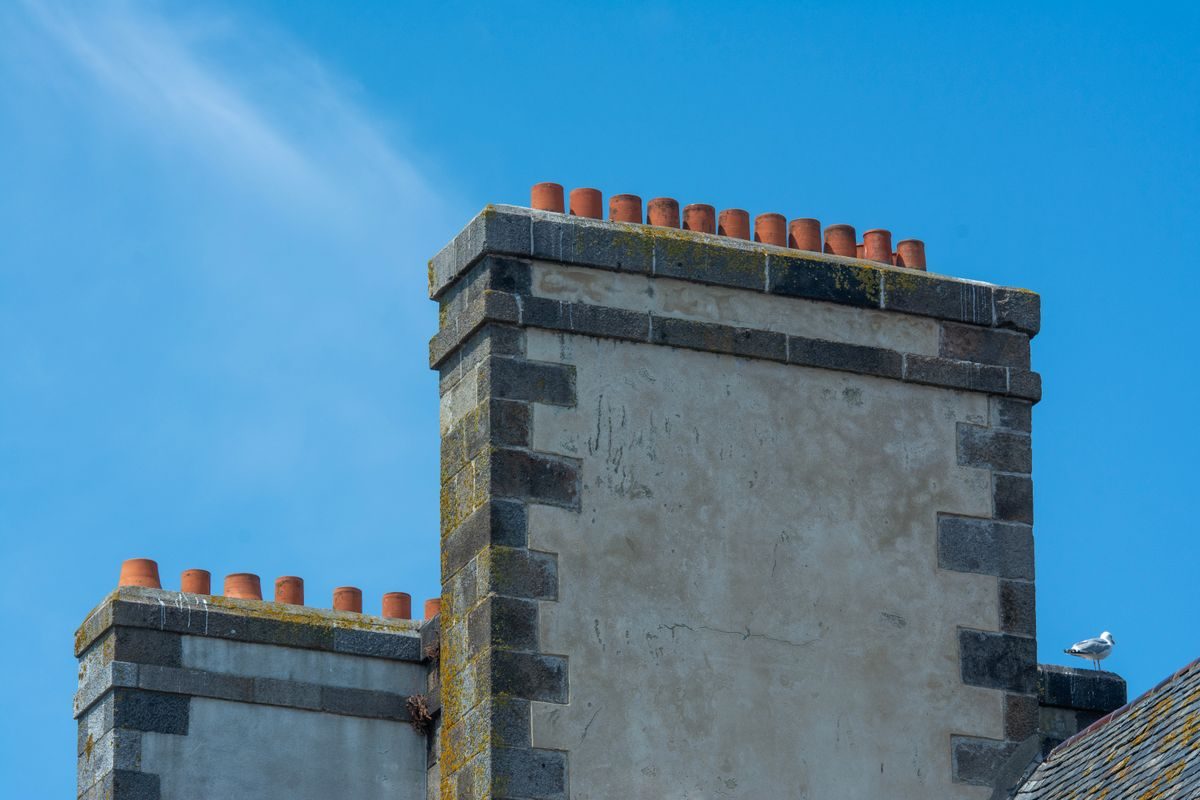
Salt attacks masonry through crystallisation. Salt-laden water is drawn into the brick, and when it evaporates the salt crystallises inside the pore structure, exerting pressure that spalls the face off the brick. On a chimney stack, which is the most exposed masonry on the whole building, this happens faster than anywhere else.
The visible progression is predictable. First the mortar joints erode and go soft, typically within 20 to 30 years of pointing rather than the 40 to 60 you would get inland. Then individual brick faces begin to blow, particularly on the prevailing weather side. Then the stack starts to lean, because the mortar bed is no longer holding.
Cement mortar makes it worse on older stacks. Victorian brickwork was built in lime mortar, which is softer than the brick and allows moisture to escape through the joint. Repointing it in hard cement traps moisture in the brick, and the salt then destroys the brick face rather than the joint. On any pre-1919 Portsmouth chimney, lime mortar is the correct specification even though it costs more.
The Leaning Stack
A stack leaning towards the prevailing wind is usually sulphate attack rather than salt. Sulphates in flue gases combine with cement in the mortar and cause it to expand, and because the expansion is greater on the wetter, colder side, the stack curves. It is common on stacks that burned coal for decades and were then repointed in cement. A leaning stack is a structural matter and generally needs a rebuild from below the lean, not repointing.
What Each Repair Costs in Portsmouth in 2026
Costs assume scaffold or a tower is needed, which for a chimney is almost always the case.
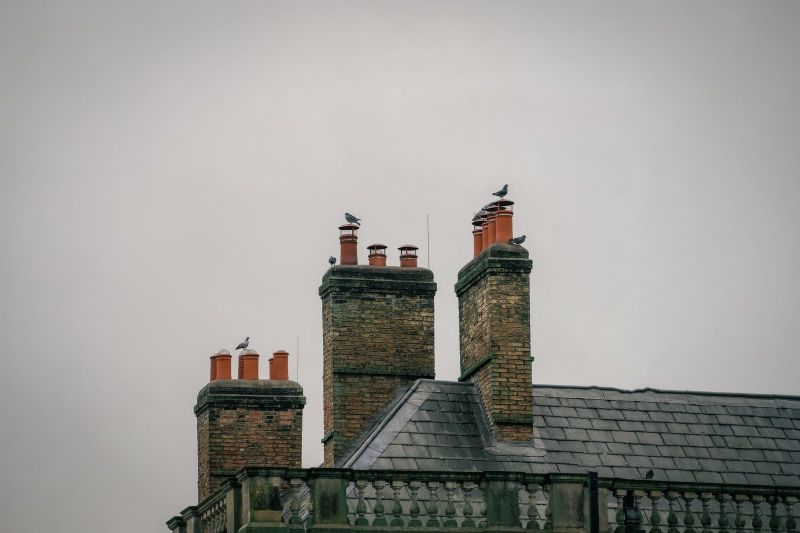
Repointing a stack: £480 to £1,000 depending on height and access, using lime mortar on older properties. Renewing flashing where the stack meets the roof, in Code 4 or Code 5 lead: £440 to £920. Fitting a ventilated cap or hood: £90 to £220 per pot. Replacing a cracked or missing pot: £180 to £400 each.
Rebuilding the top few courses, which is the most common substantial repair: £1,200 to £2,600. Rebuilding a full stack from roof level: £2,200 to £4,500. Taking a stack down to below roof level and weathering over: £900 to £1,800.
Full removal including the internal breast: £2,400 to £5,000, plus making good the rooms and dealing with the redistributed load. That last part matters and is covered below.
Scaffolding is £600 to £1,400 of most of these figures. Where a stack sits on a party wall between terraced houses, which is the standard arrangement across Fratton and Buckland, coordinating with the neighbour and doing both halves at once shares the scaffold cost.
Flashing: Where Most Chimney Leaks Actually Start
A leak at a chimney is more often a flashing failure than a brickwork failure, and the two get confused.
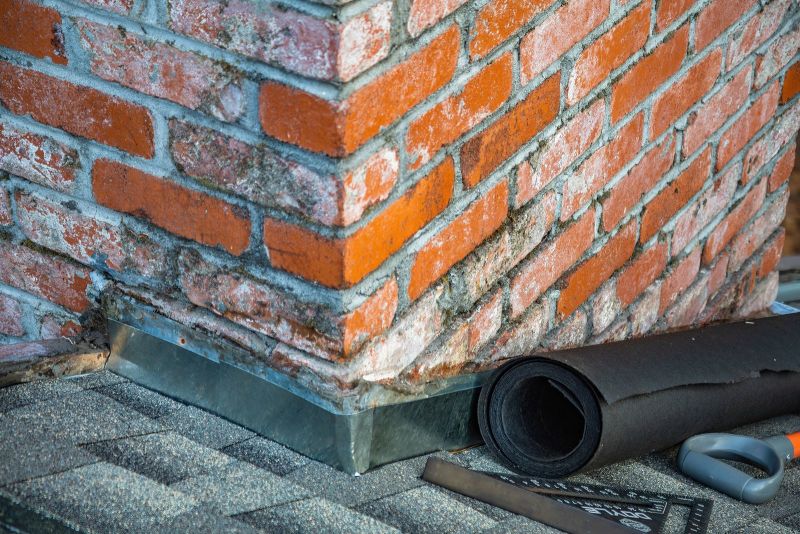
The flashing is the lead detail sealing the junction between stack and roof: a front apron, side step flashings or soakers, and a back gutter. Each element fails differently. Aprons lift at the edge where the lead has been under-dressed. Step flashings pull out where the mortar joint they are wedged into has eroded. Back gutters fill with debris and rot the timber beneath.
Lead is the right material here and the coastal environment is the reason. Lead is essentially inert to salt, where zinc and aluminium alternatives corrode noticeably faster. Lead-effect flashing tapes are a temporary fix at best in this location, typically lasting three to seven years against thirty for properly dressed lead.
A telltale for flashing failure rather than a porous stack: the damp appears during driving rain from one direction only, and dries out between events. Damp from a porous or uncapped stack is more constant and worsens through winter regardless of wind direction. We cover the related mortar failures in our guide to ridge tile and pointing repairs in Portsmouth.
Should You Remove the Chimney Instead?
Removal is tempting, and sometimes right, but it carries consequences that quotes rarely mention.
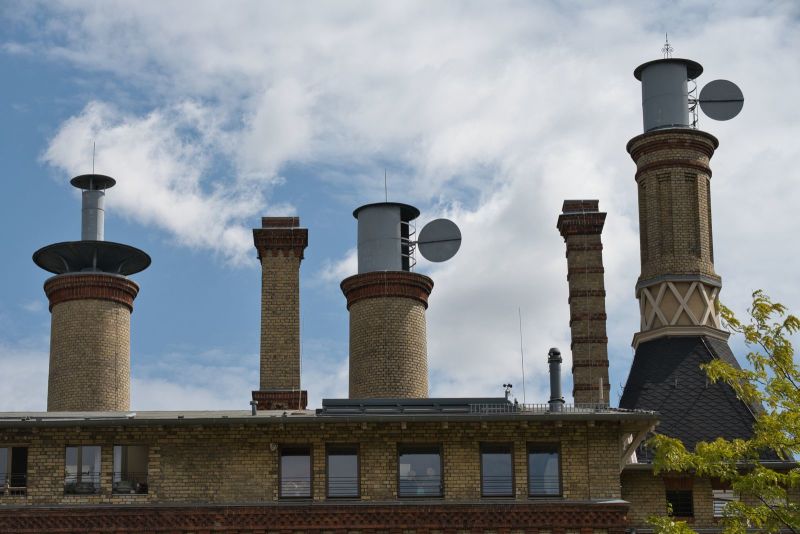
Removing the stack alone, down to below roof level, is straightforward and costs £900 to £1,800. It removes the maintenance burden and the leak risk entirely.
Removing the breast as well is a different job. The chimney breast in a Victorian terrace is often load-bearing or at least load-sharing, and taking it out on one floor while leaving the one above unsupported is a genuine structural failure mode. Any breast removal needs either a gallows bracket arrangement or, more properly, a steel beam, and it needs building control approval. Doing it without approval creates a serious problem at sale.
There is also the party wall issue. Stacks in Portsmouth terraces sit on party walls in most cases, so removal is notifiable work under the Party Wall etc. Act 1996 and requires notice to the neighbour. Skipping that step is common and causes disputes.
And a practical one: removing the chimney removes ventilation. Victorian houses were designed with air movement up the flues, and sealing every route out of the building contributes to condensation. If you remove or cap stacks, make sure the rooms have another ventilation path.
Maintenance That Actually Extends a Stack's Life
Three things, in order of value for money.
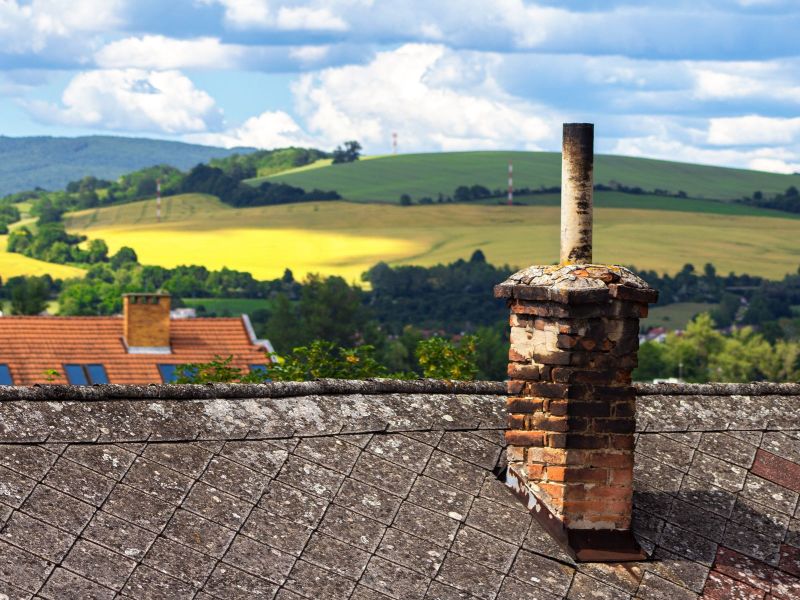
Cap redundant flues with a ventilated cover. At £90 to £220 per pot, this is the single highest-return chimney job in Portsmouth, because it stops the primary water ingress route.
Have the flashing inspected every three to five years. Lead does not fail suddenly; it lifts, splits or pulls out gradually, and catching it early is a £150 dressing job rather than a £900 renewal.
Repoint before the brick faces start to blow, not after. Once you can rake mortar out with a finger, water is reaching the brick. Repointing at that stage costs £480 to £1,000. Waiting until faces spall means a rebuild at £1,200 to £2,600.
Do not paint or seal a chimney with a waterproofing coating. It is sold as a fix and it traps moisture in the masonry, which in a salt environment accelerates spalling considerably.
Choosing Someone to Do the Work
Chimney work at height on an exposed coastal stack is not a job for a general builder with a ladder. Ask what access is proposed, and be sceptical of anyone offering to repoint a full stack from a ladder - it cannot be done properly.
Check public liability insurance of at least £2 million and ask for the certificate. Ask whether the firm is a member of a body such as the National Federation of Roofing Contractors, whose members are vetted and audited. For any work involving removal or structural alteration, confirm that building control at Portsmouth City Council will be notified and that you will receive the completion certificate.
Ask one specific question that separates local knowledge from general competence: what mortar mix will you use, and why? On a pre-1919 Portsmouth stack the answer should involve lime, and a contractor who says "standard sand and cement" for a Victorian chimney a few hundred metres from the sea has not understood the building.
Frequently Asked Questions
How much does chimney repointing cost in Portsmouth?
Repointing a stack typically runs £480 to £1,000 including scaffold access, using lime mortar on pre-1919 properties. Rebuilding the top few courses costs £1,200 to £2,600, and a full stack rebuild from roof level £2,200 to £4,500. Removal down to below roof level is £900 to £1,800.

Why do Portsmouth chimneys deteriorate so quickly?
Two reasons combine. Airborne salt from the surrounding water crystallises inside the brick pores and spalls the faces, so mortar joints erode in 20 to 30 years rather than the 40 to 60 typical inland. And most stacks are now redundant, so there are no warm flue gases drying them from the inside, leaving rain that enters an uncapped flue to soak the brickwork.
Should I cap an unused chimney?
Yes, with a ventilated cap rather than a sealed one. A ventilated cover costs £90 to £220 per pot and stops the main water ingress route while still letting the stack breathe. Sealing a flue completely traps moisture inside and causes worse damp problems than leaving it open.
Do I need permission to remove a chimney in Portsmouth?
Removing the stack above roof level generally does not need planning permission on an unlisted house, but removing the chimney breast is structural work needing building control approval and usually a steel beam rather than gallows brackets. Because most Portsmouth terrace stacks sit on party walls, removal is also notifiable under the Party Wall etc. Act 1996.
Ready to work with Roof Repairs Portsmouth?
Let's connect! We’re here to help.
Send us a message and we’ll be in touch.
Or give us a call today at 023 9355 3469
Agency Contact Form
More Marketing Tips, Tricks & Tools