Loft Condensation and Roof Ventilation in Portsmouth: Why It Happens Here and What Fixes Cost
Every winter we get called out to Portsmouth lofts that are soaking wet and have no leak whatsoever. Homeowner goes up for the Christmas decorations, finds water running down the underside of the felt, black spotting on the rafters near the eaves, and insulation that squeezes like a sponge. It looks exactly like a roof failure. It is not. It is condensation, and Portsmouth gets more of it than almost anywhere else in England for reasons that have nothing to do with the quality of the roof. The city sits on Portsea Island with water on effectively all sides, it is the most densely populated place in the UK outside London at roughly 5,100 people per square kilometre, and the average relative humidity here rarely drops below 75% between November and March. Here is why lofts here suffer, and what the fixes actually cost.
What Condensation in a Loft Actually Is
Warm air holds more moisture than cold air. A family of four puts something like 10 to 15 litres of water vapour into a house every day through breathing, cooking, showering and drying washing. That moist air is buoyant, so it rises, and it finds every gap in your ceiling: the loft hatch, downlighters, the hole where the soil pipe passes through, badly sealed pipe boxing.
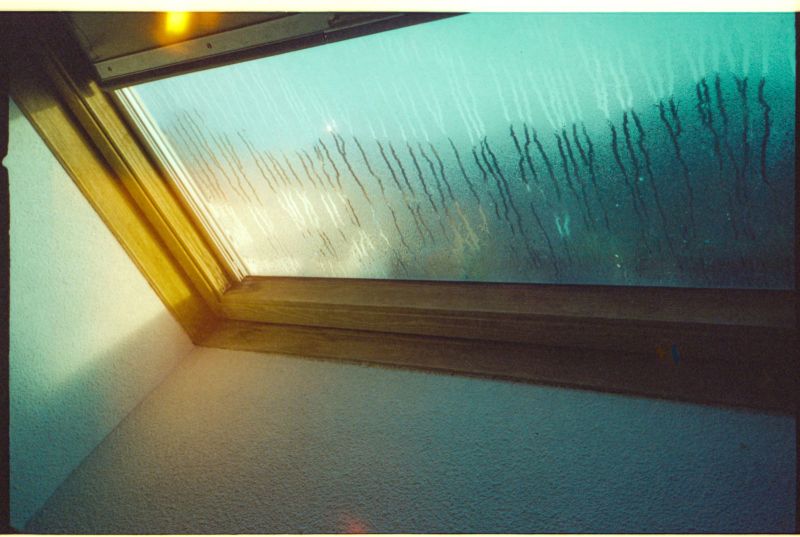
Once it reaches the loft it meets cold surfaces. The underside of the roofing felt or the slates is the coldest thing up there on a January night, and when the moist air touches it the water comes out of suspension. On a clear cold night in Portsmouth the underside of a roof can sit several degrees below the outside air temperature because of radiative cooling to a clear sky.
Do that for four months and you get sodden insulation, mould on the timbers, rusted nail plates on trusses and, eventually, real rot. If you have found damp up there and want someone to look at it properly rather than guess from a photo, you can arrange a survey through the Roof Repairs Portsmouth website.
Why Portsmouth Is Worse Than Most Places
Three things stack up here.

The first is the water. Portsea Island is surrounded by the Solent, Langstone Harbour and Portsmouth Harbour, and that keeps ambient humidity high all year. There is no dry continental air mass to draw on the way there is inland.
The second is the mild winter. Portsmouth is one of the mildest and sunniest cities in the UK, with roughly 1,900 hours of sunshine a year and very few hard frosts. That sounds like good news for damp, and it is the opposite. A hard frost dries things out. A long run of 7°C and 85% humidity does not dry anything at all, it just keeps everything at the point where mould grows happily.
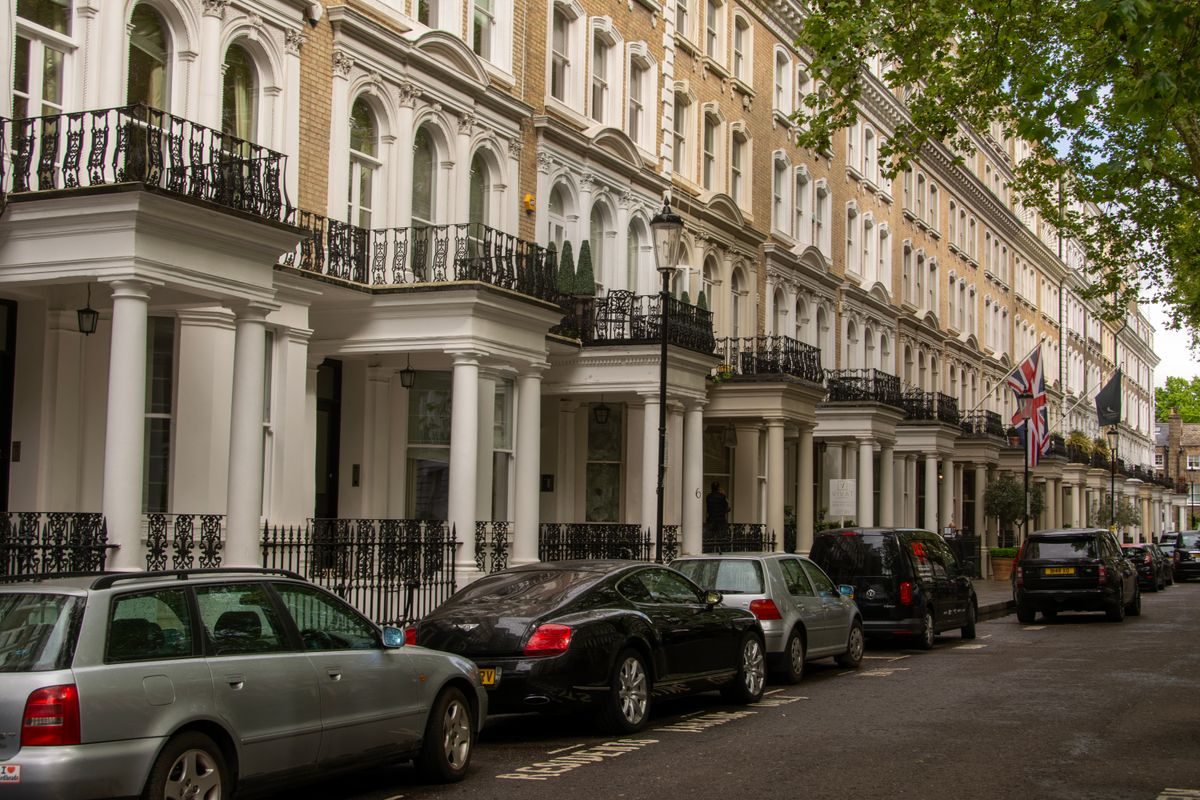
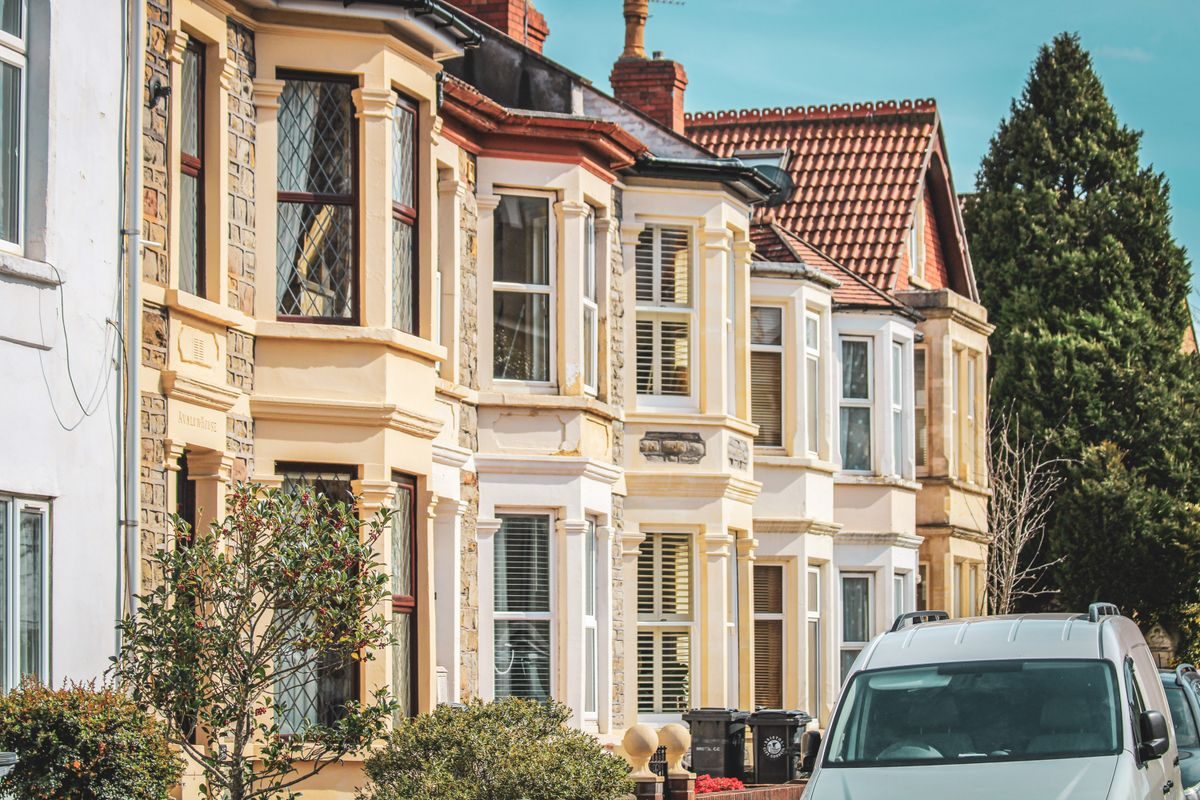
The third is the housing. The Victorian and Edwardian terraces across Southsea, Fratton, North End and Buckland were built with slate on battens and no felt at all, which ventilated beautifully by accident. Many have since been re-roofed with modern bitumen felt or a non-breathable membrane, which sealed that accidental ventilation shut. Terraces also share party walls and often have continuous loft spaces, so one neighbour's moisture becomes everyone's problem.
The Insulation Trap
This is the one that catches most people, and it is worth understanding because the intervention that caused it was well-intentioned.

Through the 2010s a very large number of Portsmouth homes had free or subsidised loft insulation top-ups under government energy schemes, taking depths from 100mm up to 270mm or more. Colder loft, better-heated house, lower bills. All good.
The problem is what happens at the eaves. If the insulation is pushed right out to the wall plate, it blocks the ventilation gap at the eaves completely. The loft is now colder than it was, because less heat leaks up into it, and it has less airflow than it had. Both changes push it towards condensation.
Fitting eaves ventilation trays, sometimes called rafter trays, restores a 25 to 50mm airflow path over the top of the insulation. They cost £6 to £12 each supplied and around £350 to £750 to install across a typical Portsmouth terrace loft, and in a lot of cases that alone solves the problem. Our guide to loft and roof insulation costs in Portsmouth covers the insulation side of the equation.
What the Ventilation Fixes Cost in 2026
Prices for the Portsmouth area, working figures:
- Eaves ventilation trays fitted throughout a loft: £350 to £750
- Over-fascia vents, per linear metre: £22 to £38
- Soffit vent strips retrofitted: £280 to £600 depending on run length
- Tile or slate vents, each fitted: £120 to £220
- Dry ridge system with integral ventilation: £55 to £90 per linear metre
- Positive input ventilation unit in the loft: £550 to £950 installed
- Full re-roof with a breathable membrane: £7,500 to £16,000 on a terrace
Building Regulations set out the ventilation requirement in Approved Document C and Approved Document F, and the working rule for a pitched roof is continuous ventilation equivalent to a 10mm gap at the eaves on both sides, with a 5mm equivalent at the ridge for low-pitch roofs. That equivalence is why a handful of tile vents scattered about does not do the job. Ventilation needs a path in and a path out.
When positive input ventilation is the right answer
A PIV unit sits in the loft and gently pushes filtered air down into the house, diluting the moisture at source rather than dealing with it once it has reached the roof. For flats and smaller terraces where the moisture load is high and the roof cannot be easily vented, it is often the most practical fix. It is not a substitute for eaves ventilation on a house that simply has none, and anyone selling it as one is selling you a box.
Salt Air, Nail Plates and Why This Gets Expensive If Ignored
Portsmouth's other problem is what the damp does once it has been there a while.
Salt-laden air accelerates corrosion. Trussed rafter roofs, which is most Portsmouth housing built from the mid-1960s onwards, rely on galvanised steel nail plates pressed into the timber joints. Persistent condensation plus airborne salt corrodes those plates. Once the galvanising has gone, the plate loses its grip and the joint loses its rated strength.
That takes a repair from a few hundred pounds of vents to structural work costing thousands. The same applies to any steelwork, cold water tank fittings and cable clips up there.
Signs worth acting on quickly: rust streaks running down from truss joints, black mould concentrated on the north-facing slope, insulation that is visibly darker near the eaves, or a musty smell when you open the hatch. None of those need a leak to explain them.
The Cheap Things to Do First
Before anyone quotes you for roof work, fix what is putting the moisture up there.

Seal the loft hatch with a proper compression seal and insulate its back. An unsealed hatch is the single biggest moisture route into most lofts.
Vent the bathroom and kitchen extractors to outside, not into the loft. We still find flexible ducts terminating loose above the ceiling in Portsmouth houses, pumping shower steam straight into the roof space. If your extractor duct disappears into the loft and does not reappear through a tile vent or a wall, that is your problem, and it is a £120 to £280 fix.
Stop drying washing on radiators if you can. A single load of wet washing releases around 2 litres of water into the house. Building Research Establishment work on domestic moisture has consistently identified indoor drying as one of the largest single contributors, and the BRE has published extensively on the subject.
Then, if the loft is still wet next winter, look at the ventilation.
Frequently Asked Questions
How do I know if it is condensation or a leak?
Condensation is spread evenly across the underside of the roof, worst on cold clear mornings, and often heaviest near the eaves and on the north-facing slope. A leak is localised, follows rain rather than temperature, and usually leaves a stained track down a specific rafter or a wet patch in one spot. If the whole loft is damp, it is almost always condensation.
Will more loft insulation make condensation worse?
It can, if the eaves ventilation gets blocked in the process. More insulation makes the loft colder, which increases condensation risk unless airflow is maintained. Fit eaves ventilation trays at the same time as any top-up and the insulation is a straightforward benefit.
How much does it cost to fix loft condensation in Portsmouth?
Most cases are resolved for £350 to £1,200 through eaves trays, soffit or over-fascia vents and tile vents. Adding a dry ridge ventilation system or a positive input ventilation unit takes it towards £1,500 to £2,500. Only cases where the membrane itself is the problem run into a re-roof.
Does a breathable membrane remove the need for vents?
Not entirely. Breathable membranes reduce the ventilation requirement but most manufacturers still specify eaves ventilation, and the guidance depends on the roof design and whether the ceiling below is well sealed. Treat "breathable membrane fitted" as helpful rather than as a complete solution.
Ready to work with Roof Repairs Portsmouth?
Let's connect! We’re here to help.
Send us a message and we’ll be in touch.
Or give us a call today at 023 9355 3469
Agency Contact Form
More Marketing Tips, Tricks & Tools