Loft and Roof Insulation Costs in Portsmouth: Prices and Energy Savings
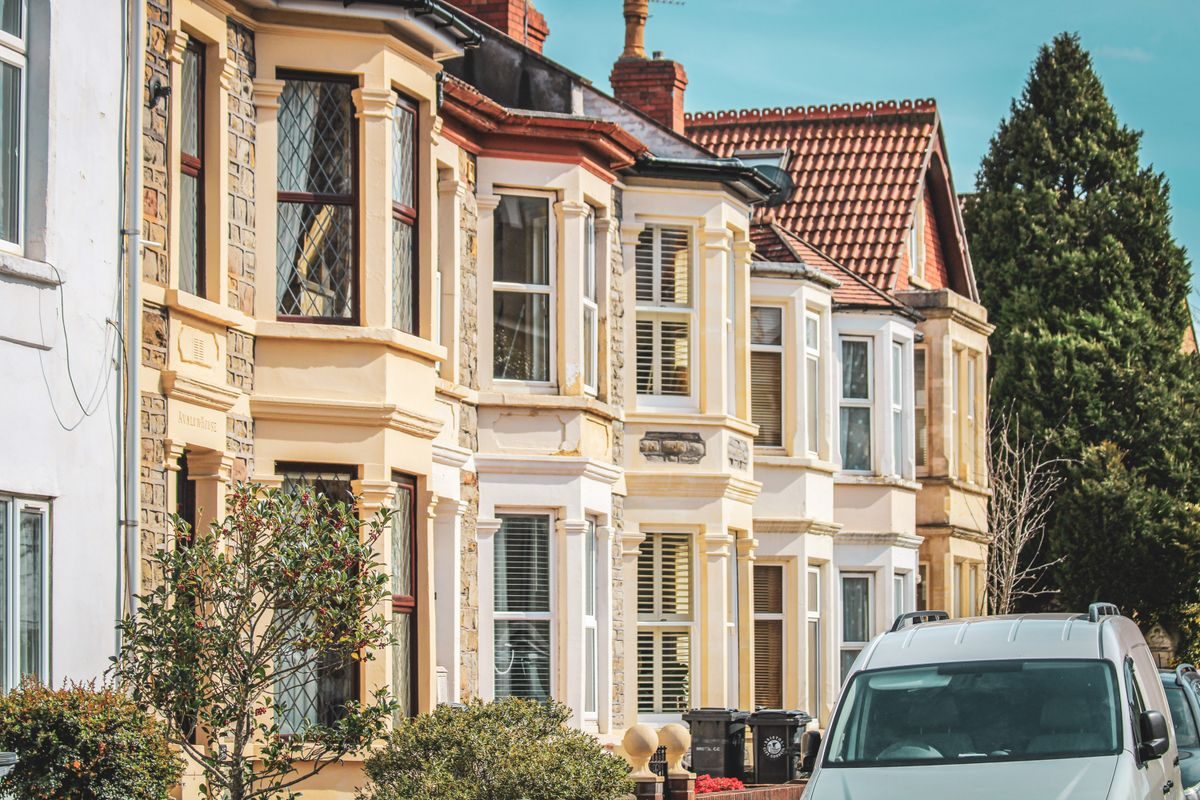
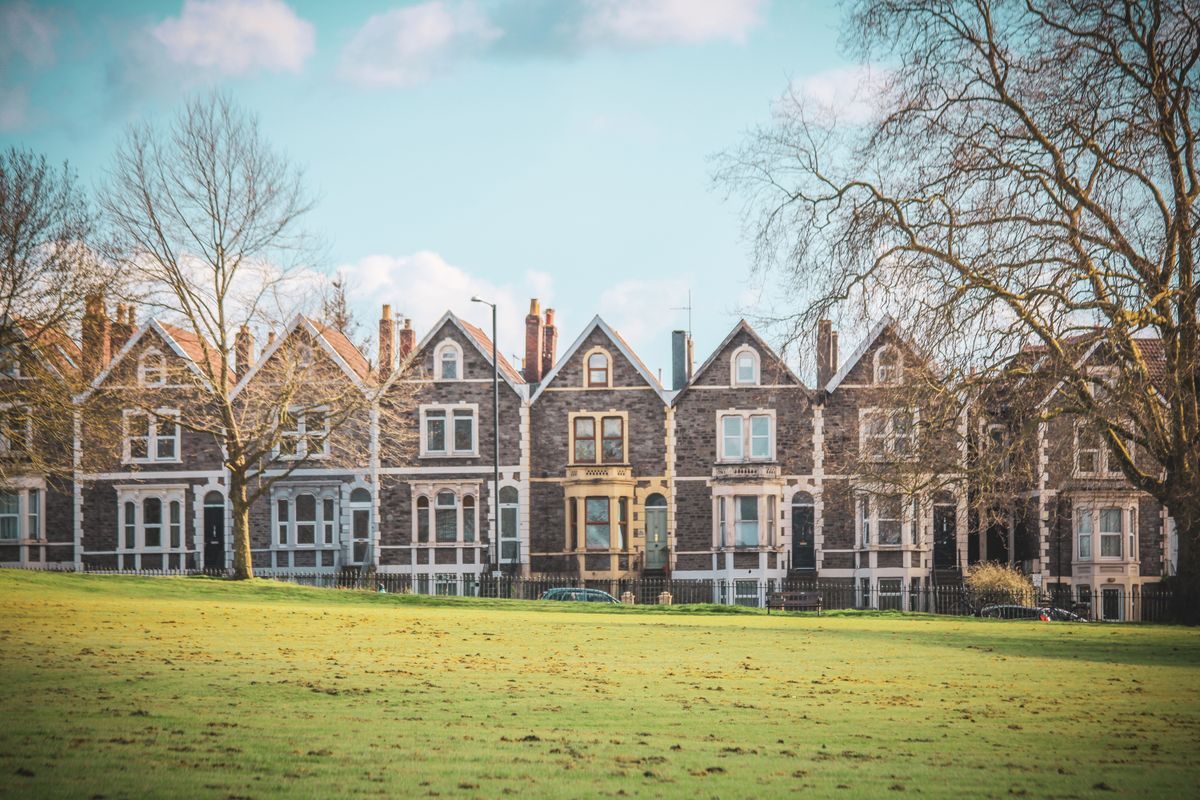
Portsmouth homes leak heat, and most of the time it goes straight up. Around a quarter of the heat in an uninsulated house escapes through the roof, and with roughly 70% of the city's housing stock dating from the Victorian and Edwardian era, an awful lot of Portsea Island lofts were never built with insulation in mind at all. Plenty of the ones that do have it were done to the old 100mm standard rather than the 270mm depth recommended today. Getting a typical three-bedroom Portsmouth terrace loft up to that depth costs somewhere between £700 and £1,500 fitted, and takes £150 to £300 a year off the heating bill for as long as you own the house. That's a payback measured in a handful of years, not decades. Here's what the work costs, what depth you actually need, and where coastal conditions change the answer.
What Loft and Roof Insulation Costs in Portsmouth in 2026
For a straightforward cold loft - joists you can walk between, no conversion, decent hatch access - professional supply and fit runs roughly £20 to £35 per square metre. A typical Portsmouth mid-terrace loft footprint is 30 to 45 square metres, which puts a full job at £700 to £1,500. If you already have 100mm down and only need topping up to 270mm, expect £400 to £900 instead, because the labour is the same but you're buying less material.
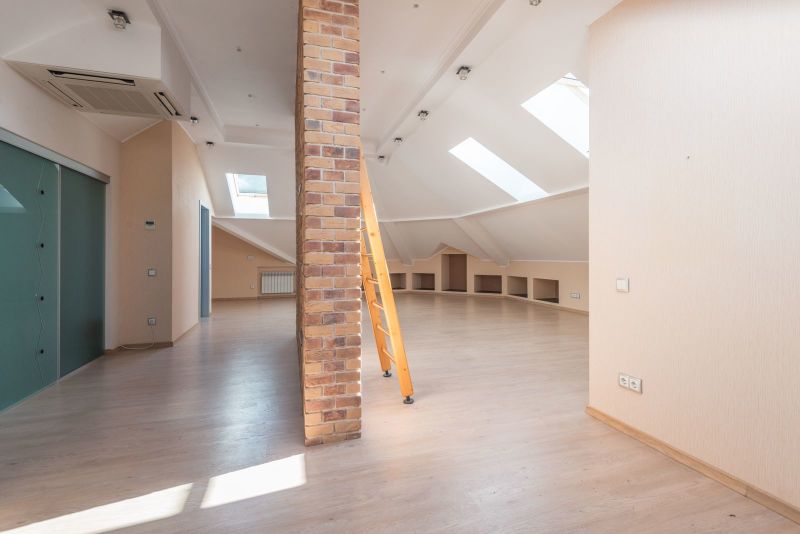
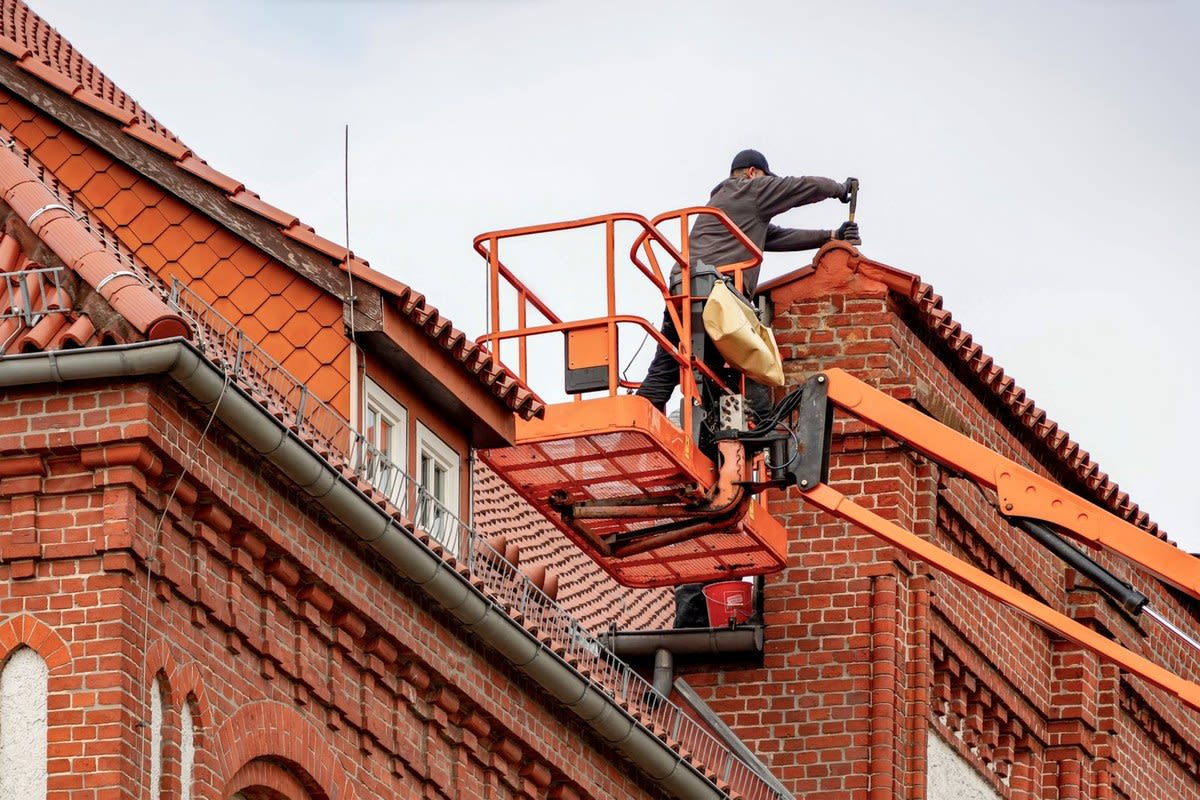
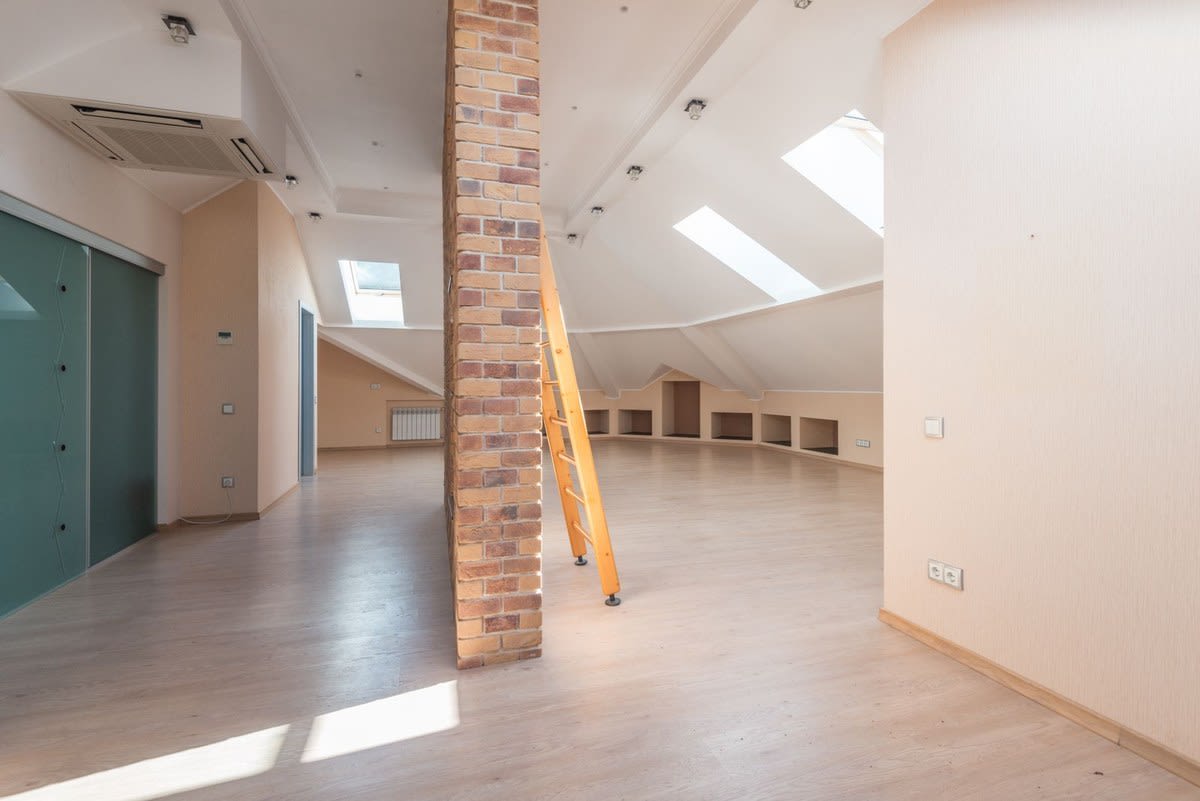
Insulating at rafter level is a different animal. A warm roof build-up, which is what you need if the loft is a habitable room or you want the space to stay usable, costs £70 to £120 per square metre and typically lands between £3,000 and £6,000 for a converted loft room. Flat roof warm deck insulation, common on Portsmouth's rear extensions and back additions, sits around £60 to £100 per square metre and is usually done as part of a recovering job rather than on its own. If you're not sure which category your roof falls into, Roof Repairs Portsmouth can look at the actual structure and tell you what it will take rather than quoting off a floor plan.
DIY is genuinely viable for a simple cold loft - mineral wool rolls cost £5 to £9 per square metre - but only if the loft is safe to move around in and you're happy working in a confined space. Get it wrong and you block the eaves ventilation, which on a damp coastal site causes more trouble than the insulation solves.
Why Portsmouth Homes Lose More Heat Than You'd Expect
Portsmouth's winters are mild by UK standards. Average January lows sit around 3°C to 5°C, several degrees warmer than the Midlands or the north. That's the reason a lot of homeowners here assume insulation matters less. It doesn't work out that way in practice.
The problem is exposure. Portsea Island is flat, low-lying, and sticks out into the Solent, so there's very little in the way of shelter. Gusts topping 50mph are routine from October through March, and wind stripping heat off a cold roof surface makes a far bigger difference to your heating bill than the thermometer reading suggests. Wind-driven rain, which the south coast gets plenty of within its 750mm to 800mm annual rainfall, also soaks exposed brickwork and pushes damp into loft spaces through gaps that would never leak in still weather.
Then there's the housing itself. Dense pre-1945 terraces with solid nine-inch walls, single-skin back additions, and lofts that were converted decades ago with a few centimetres of foil-backed board under the plasterboard. The heating season here runs roughly seven months, October to April, so even a modest efficiency gain compounds across a lot of days.
How Deep Should Insulation Actually Be?
The current recommendation for a cold loft is 270mm of mineral wool, laid in two layers - the first between the joists, the second across them at right angles to break the cold bridging through the timber. That depth gets you to roughly a 0.16 W/m²K U-value, which is what the building regulations expect when you're insulating a roof as part of a renovation.
The reason 270mm matters is that returns fall off sharply beyond it. Going from nothing to 100mm captures most of the benefit. Going from 100mm to 270mm captures a good chunk of what's left. Going from 270mm to 400mm gains you very little for the extra cost, and on a Portsmouth terrace where loft volume is often tight, it can start to interfere with eaves ventilation.
What if you want to use the loft for storage?
This trips people up constantly. Laying boards straight onto the joists squashes the insulation flat and wipes out most of its value. The fix is a raised loft boarding system on legs, which holds the deck 270mm clear of the ceiling and costs £30 to £50 per square metre on top of the insulation. It's worth doing properly. We've written about how rooflights and loft openings affect heat loss in our guide to skylights and roof windows in Portsmouth, which is worth a read if your loft has any glazing in it.
Cold Loft or Warm Roof: Picking the Right Approach
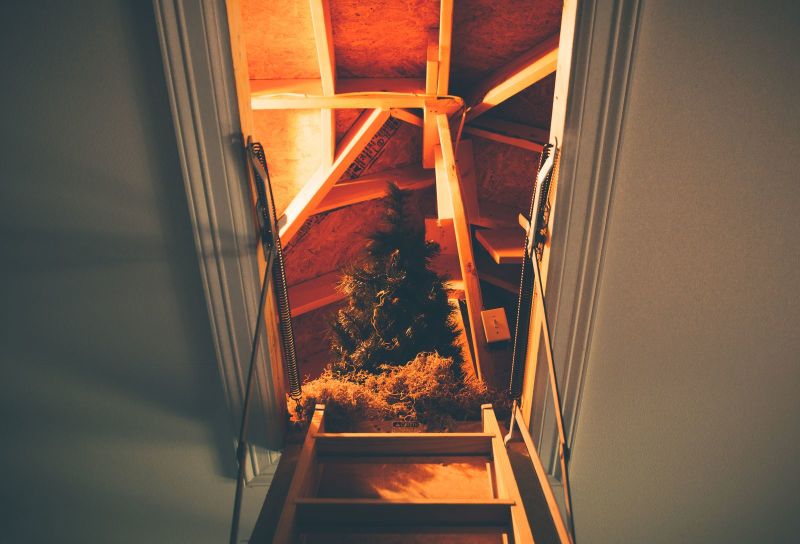
A cold loft means the insulation sits at ceiling level and the loft space above it stays cold and ventilated. It's cheaper, simpler, and right for the majority of Portsmouth homes where the loft is used for nothing more than Christmas decorations and a water tank.
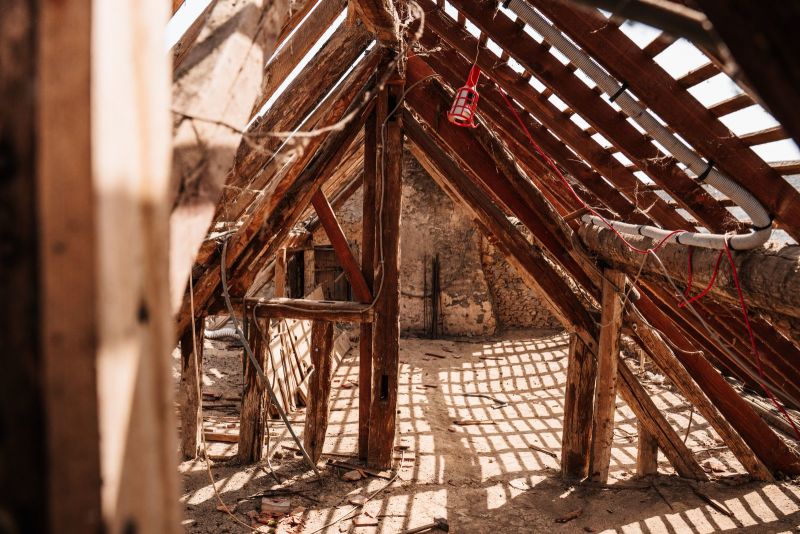
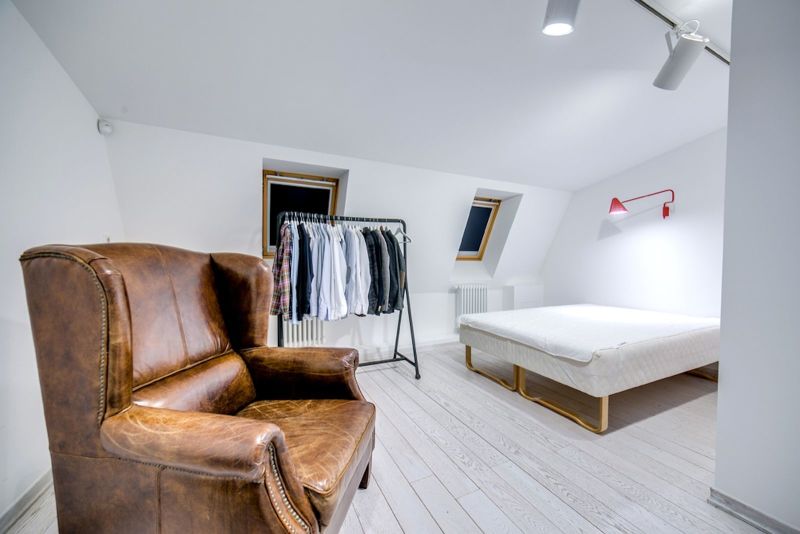
A warm roof puts the insulation at rafter level, so the whole loft volume stays inside the heated envelope. You need this if the space is a bedroom or office, if there are pipes and tanks up there you'd rather not lag individually, or if the roof structure makes ceiling-level work impractical. It costs three to four times as much per square metre, so don't drift into it by default.
The spray foam warning
Spray foam insulation gets pushed hard, often at £2,000 to £4,000 a job, and on a coastal property it deserves real scepticism. Closed-cell foam applied directly to the underside of the tiles traps moisture against the timber and makes it impossible to inspect the battens and rafters. Several major lenders now decline or heavily question mortgages on properties with it. On a Portsea Island roof, where salt-laden air already works on fixings and timber, hiding the structure behind foam is a poor trade for the saving.
What You'll Actually Save
Take an uninsulated three-bedroom Portsmouth terrace with gas central heating. Bringing the loft up to 270mm typically cuts £150 to £250 a year off the heating bill. A semi-detached house with more exposed roof area saves more, usually £200 to £350. Topping up from 100mm to 270mm is a smaller gain, generally £40 to £80 a year, which still pays for itself but over a longer stretch.
On a full job at £900, a £200 annual saving is a payback of about four and a half years, and insulation laid properly lasts 40 years or more without maintenance. The comfort difference shows up faster than the money does - rooms hold their heat overnight instead of dumping it through the ceiling by 3am.
Grant funding is worth checking before you pay. The Great British Insulation Scheme on gov.uk covers loft insulation for eligible households, with eligibility based on council tax band and income, and can cover most or all of the cost for those who qualify.
Ventilation and Condensation: The Coastal Catch
Insulation without ventilation causes damp, and Portsmouth's humidity makes that failure mode more likely than it would be inland. When you stop heat escaping into the loft, that space runs colder, and any moisture drifting up from the house below condenses on the cold underside of the roof.
The fix is straightforward but easy to skip. Keep insulation clear of the eaves so air can move through - eaves vent trays cost a few pounds each and are non-negotiable. On a cold loft you want continuous ventilation at eaves level, and on lower-pitched roofs a ridge vent as well. The requirements are set out in the government's Approved Document F on ventilation, which any competent installer should be working to.
Also worth doing at the same time: seal the loft hatch with draught stripping and insulate the hatch board itself. An uninsulated hatch on an otherwise well-insulated loft is a hole in the middle of the job, and it costs about £30 to fix.
Choosing an Installer and Timing the Work
Loft insulation is a one-day job on most Portsmouth terraces. Rafter-level warm roof work takes three to five days depending on the room size and whether plasterboarding is included. Hampshire has a reasonable supply of insulation installers, but the ones who also understand roofs are thinner on the ground, and demand spikes hard from September onwards as the weather turns. Booking in late spring or summer usually gets you a better price and a faster slot.

Check credentials before you commit. A TrustMark registered installer is vetted for both workmanship and trading standards, and using one is a requirement for most grant-funded work anyway. Ask for a written quote that specifies the material, the finished depth in millimetres, whether eaves vents are included, and whether the hatch is being done. A quote reading "insulate loft - £850" with nothing else on it tells you nothing about what you're getting.
One last thing worth checking first: if your roof has any active leaks, slipped tiles, or damp staining on the loft timbers, sort that before insulating. Laying mineral wool over a wet ceiling just hides the problem and ruins the insulation.
---
FAQ
Q: How much does loft insulation cost in Portsmouth?
A: Professional supply and fit for a cold loft runs roughly £20 to £35 per square metre, which puts a typical Portsmouth three-bedroom terrace loft of 30 to 45 square metres at £700 to £1,500. Topping up existing 100mm insulation to 270mm is cheaper at £400 to £900. Rafter-level warm roof insulation costs far more at £70 to £120 per square metre, usually £3,000 to £6,000 for a converted loft room.
Q: How much will I save on heating with loft insulation?
A: An uninsulated three-bedroom Portsmouth terrace typically saves £150 to £250 a year once the loft is brought up to 270mm, and a semi-detached house saves £200 to £350 because it has more exposed roof area. Topping up from 100mm to 270mm saves less, around £40 to £80 a year. On a £900 job, that's usually a payback of four to five years against insulation that lasts 40 years or more.
Q: Why is 270mm the recommended insulation depth?
A: 270mm of mineral wool, laid as two layers crossed at right angles, gets a loft to roughly a 0.16 W/m²K U-value, which is the standard the building regulations expect when a roof is insulated during renovation. Returns drop off sharply above that depth, so going to 400mm gains very little while eating into loft volume and risking blocked eaves ventilation.
Q: Is spray foam insulation a good idea on a Portsmouth roof?
A: Generally no. Closed-cell foam sprayed onto the underside of the tiles traps moisture against the roof timbers and makes it impossible to inspect battens and rafters, which matters on Portsea Island where salt air already attacks fixings and timber. Several major lenders now decline or heavily question mortgages on properties with spray foam, so the £2,000 to £4,000 spend can cost you far more at resale.
---
Ready to work with Roof Repairs Portsmouth?
Let's connect! We’re here to help.
Send us a message and we’ll be in touch.
Or give us a call today at 023 9355 3469
Agency Contact Form
More Marketing Tips, Tricks & Tools