Roof Insurance Claims in Portsmouth: Storm vs Wear and Tear, Evidence and Getting Paid
A roof insurance claim in Portsmouth usually turns on one question: was it the storm, or was the roof already worn out? Insurers ask it on almost every claim, and the answer decides whether you get £3,000 towards new slates or a letter quoting "gradual deterioration". Portsmouth gives you a better starting point than most of the UK. Portsea Island sits flat and exposed to south-westerly gales coming up the Channel, and gusts of 50-60mph are recorded along this stretch of coast in most winters. But a lot of the city's roofs are on Victorian and Edwardian terraces that are 100-120 years old, and that age is exactly what insurers point to when they want to say no. Most refused roof claims we see go wrong on evidence, not on the weather. This guide covers how insurers decide what counts as a storm, what proof to gather, what the loss adjuster is looking for and how to push back if the answer is no.
How a Roof Insurance Claim in Portsmouth Actually Works
Buildings insurance covers sudden, one-off events. Storm, fallen trees, impact and fire are typically in. Slow decline such as rusting nails, cracked mortar or perished felt is typically out. Your policy wording will list "storm" as an insured peril, and most also carry a general exclusion for wear and tear and gradual damage. Most roof claims end up as an argument over which of those two clauses applies.

The usual sequence runs like this. You report the damage, ideally within 24-48 hours. You arrange emergency make-safe work, which typically costs £150-£400 for a tarpaulin or temporary patch, and keep the invoice. The insurer then either accepts on the photos and a roofer's quote, which is common for claims under about £2,000-£3,000, or sends a surveyor or loss adjuster for anything bigger. From first call to money in the bank, a straightforward Portsmouth roof claim tends to take 3-8 weeks. After a named storm, when thousands of claims land in the same week, it can be twice that.
If you're not sure whether the damage is storm-related or not, get a roofer up there before you ring the insurer. Roof Repairs Portsmouth can inspect the roof, make it safe and write up what caused the damage in plain terms, which is the document your claim will lean on.
Storm Damage vs Wear and Tear on Portsmouth Roofs
Insurers don't argue that the wind didn't blow. They argue the wind only finished off something that was already failing. On older Portsmouth roofs that argument is easy to make, which is why it's worth knowing what each type of damage looks like.
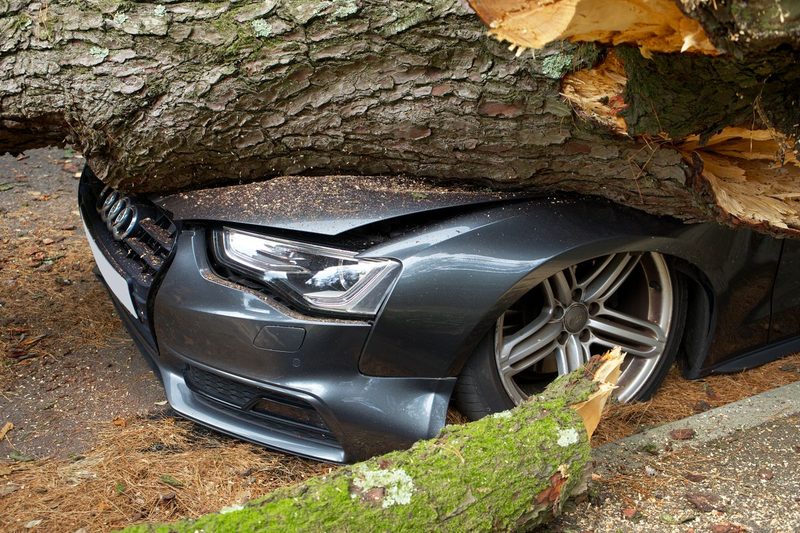
What storm damage looks like
- Clean breaks, freshly snapped slates or tiles, with bright, unweathered edges.
- Ridge tiles lifted as a run, often 3-6 in a line, on the side facing the wind.
- Lead flashings peeled back from a chimney on the windward side.
- Felt torn on a flat roof extension where the wind got under an edge.
What insurers call wear and tear
- Nail sickness, where slates slide because the old iron nails have rusted through. Within a couple of miles of the sea this can start at 40-60 years on a roof that would otherwise last 80-100.
- Mortar on ridges and verges that's cracked and missing in patches, with moss or algae growing in the gaps.
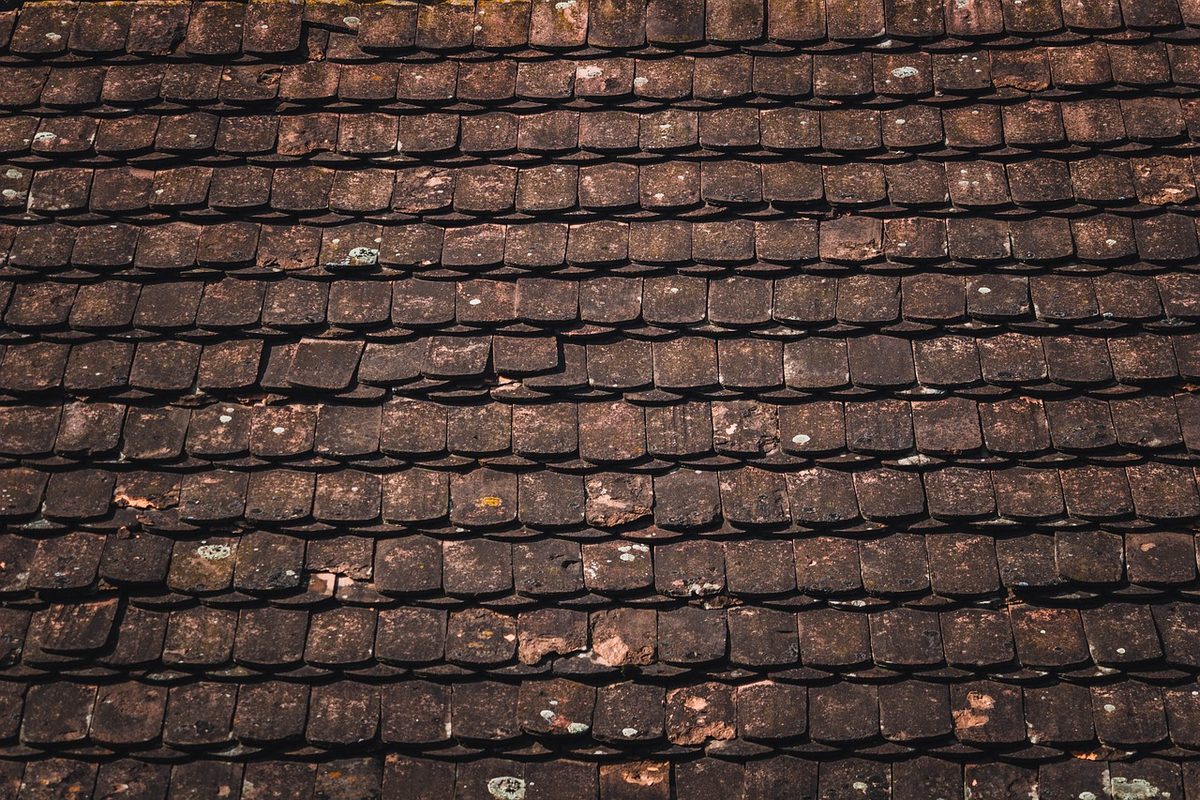
- Slates with weathered, rounded edges or slipped slates held in with tingles from earlier repairs.
- Felt underlay that crumbles when touched, common on roofs felted before the 1980s.
Many Portsmouth claims have both. A south-westerly gale strips 15 slates from a roof that's also got nail sickness. In that case a fair insurer should pay for the storm damage and decline the general upgrade, and you'll want a roofer who can explain clearly which slates went in the storm and which were already loose.
The Wind Speeds Insurers Use - and What Portsmouth Records
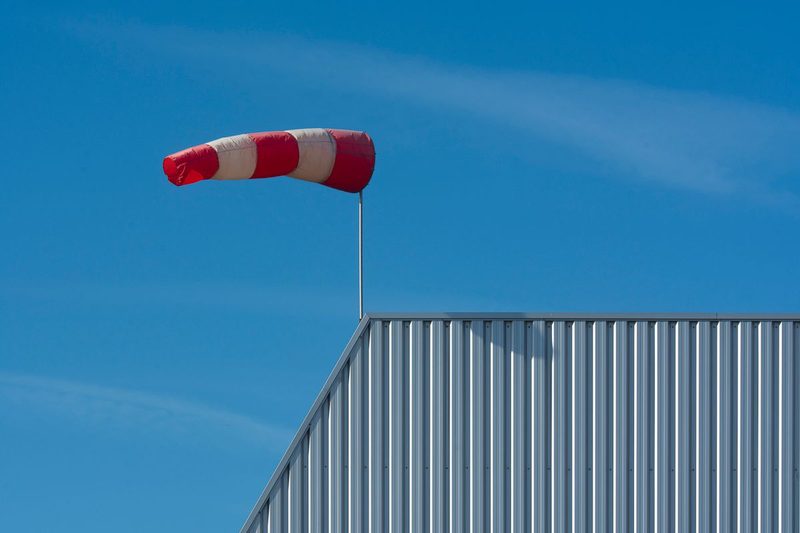
There is no single legal definition of a storm. Each policy sets its own, and some don't define it at all. In practice, many UK insurers treat gusts of around 47-55mph as the point at which a storm becomes likely to damage a sound roof. That's roughly force 9 on the Beaufort scale. Some also count heavy rain, often around 25mm in an hour, or heavy snow of about 30cm in 24 hours.
The Financial Ombudsman Service's guidance on storm damage complaints sets out the three questions it asks when a storm claim is refused. Was there a storm on the date of the damage? Is the damage consistent with what storms usually do? And were the storm conditions the main cause? Your claim needs a yes to all three.
Why the Portsmouth coast counts in your favour
Insurers check weather data against your postcode, usually through a commercial weather service. Portsmouth's exposure means the first question is often the easy one. Wind speeds on an open seafront in Southsea or Eastney can run 10-20mph higher than inland at Waterlooville, and named storms in recent years have pushed coastal gusts well beyond 60mph. The city gets about 750mm of rain a year, well under the UK average of around 1,160mm, but it comes sideways on strong winds, which is harder on roofs than steady drizzle. If you want to check readings for the area yourself, the Met Office's historic station data is free to look through. Note the date and time the damage happened, and the storm's name if it had one.
Why it can also count against you
The same exposure feeds the wear and tear argument. Salt air speeds up corrosion of nails, clips and flashings, so an insurer may argue that a Southsea roof had been weakened for years before the gale arrived. That's where your evidence comes in.
Building Your Evidence: Photos, Loft Checks and a Roofer's Report
Insurers and the Ombudsman both start with your photos, the roofer's opinion and the timeline. Get those right and a fair refusal becomes hard to justify.
Photos from the ground and the loft
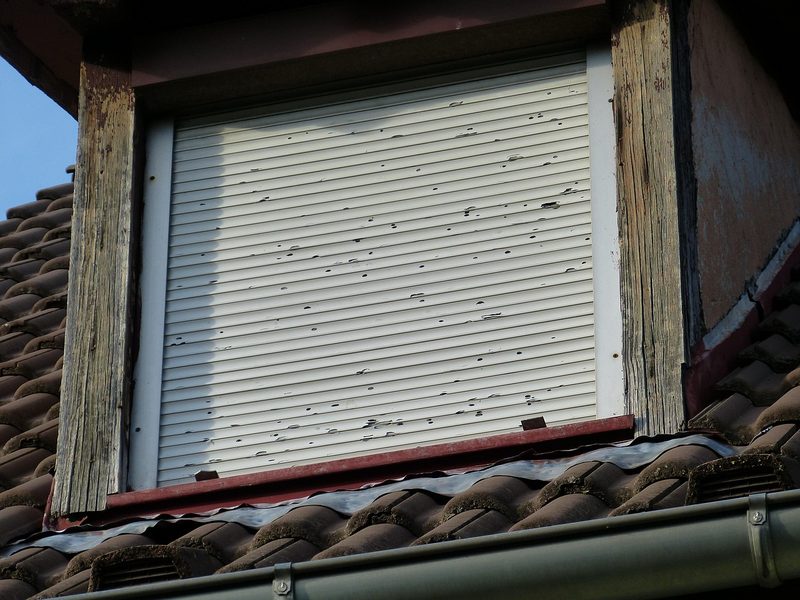
Photograph the roof from the street and the garden before anyone touches it, with the date visible if you can. Take close-ups of any debris, broken slates on the path, lead on the lawn, ridge tiles in the gutter. Then go into the loft with a torch and photograph wet patches, daylight and stained timbers. Aim for 20-30 photos. It feels like overkill until the insurer asks for the one you didn't take. Keep any broken slates or tiles in a bag, as some insurers will ask to see them.
A roofer's written report
Of everything you send, this does the most work. It should describe the damage, give the likely cause and say why it's consistent with storm action, for example "fresh breaks to 12 slates on the south-west slope, ridge lifted in a 2.4m run, no existing nail sickness in adjacent courses". It should also give an itemised repair price. Vague notes like "storm damage, £2,500" don't help anyone.
We've written about what to do in the first hours after a storm in our guide to storm damage roof repairs in Portsmouth and what insurance covers, which pairs well with this one if the damage has only just happened.
Keep a timeline
Write down when you noticed the damage, when you reported it, who you spoke to and their reference numbers. Most policies require you to report "as soon as reasonably possible", and a delay of weeks gives the insurer a reason to argue the damage got worse because you didn't act.
Loss Adjusters on Your Roof: What They Check
For bigger claims, roughly anything over £5,000 or wherever the insurer has doubts, a loss adjuster will be appointed. They work for the insurer, not for you. Most are fair. But they're there to establish the cause and the cost and apply the policy terms, not to get you the biggest cheque.
On a Portsmouth roof they'll usually look at the age and type of covering, signs of earlier patch repairs, the condition of nails and mortar near the damaged area, and whether the damage lines up with the wind direction on the day. Many now use a drone or a pole camera rather than a ladder. Visits after a big storm can be 2-4 weeks out.
It helps to have your roofer there for the visit, or at least to hand over the written report at the start. If the adjuster says "wear and tear", ask them to put the reasons in writing. Under the Ombudsman's approach, the insurer has to show the exclusion applies, not the other way round.
Some homeowners appoint a loss assessor to fight their corner. Assessors usually charge 5-15% of the settlement, so on a £6,000 roof claim you might hand over £300-£900. For a large or disputed claim that can be worth it. For a £1,500 ridge repair it usually isn't. The Chartered Institute of Loss Adjusters is the professional body for the industry if you want to check who you're dealing with.
Getting Paid on a Roof Insurance Claim in Portsmouth
Once the claim is accepted, the insurer will either send one of its own contractors or offer a cash settlement. You're usually free to pick your own roofer and take the cash, though some insurers will pay only what their network would have charged, which can be 10-25% below a local quote.

Excess and deductions
Your excess comes off first. On buildings policies this is commonly £100-£500, and some policies have a higher storm or subsidence excess. If your roof was already near the end of its life, an insurer may also make a deduction for "betterment" when it's replaced with new materials.
Matching slates and tiles
This is a common sticking point on Portsmouth's older terraces. If 20 Welsh slates go and the insurer pays for 20 modern slates that look obviously different, you've got a patchwork roof. Most policies cover repair to the damaged area only, but if a reasonable match genuinely can't be found, the Ombudsman has in some cases expected insurers to pay for a wider section. Reclaimed Welsh slate in Hampshire typically costs £2-£4 per slate against £1-£2 for new imports, so ask your roofer to price a matching option and explain why it's needed.
Timescales for the work
Good local roofers are often booked 4-8 weeks ahead after a big storm. Get the make-safe done straight away, and book the permanent repair as soon as the insurer agrees the figure, rather than waiting for payment to land.
When a Roof Insurance Claim Is Refused
A refusal isn't the end of it. Ask for the decision in writing, with the specific policy clause and the evidence it's based on. Then make a formal complaint, setting out why you think the damage was caused by the storm and attaching your roofer's report, photos and weather data for the day.
The insurer has eight weeks to send a final response. If it doesn't, or you're unhappy with what it says, you can take the complaint to the Financial Ombudsman Service for free, normally within six months of the final response. The Ombudsman's step-by-step guide to complaining explains what to send. It doesn't just rubber-stamp the insurer's view. Where the photos, the report and the weather data all point to the storm, homeowners do win.
Don't let the refusal stop you making the roof safe. If water is getting in, get it patched and keep the invoice. If the complaint later succeeds, that cost goes back on the claim.
Frequently Asked Questions About Roof Insurance Claims in Portsmouth
What wind speed counts as a storm for a roof insurance claim?
There's no fixed legal figure. Many insurers treat gusts of around 47-55mph as storm conditions, and some policies also include heavy rain of about 25mm in an hour. Check your own policy's definition, and note the date and time of the damage so the insurer can check weather records for your Portsmouth postcode.
Will my insurer pay for a whole new roof after storm damage?
Usually not. Policies typically pay to repair the damaged area, minus your excess. A full replacement is more likely if the damage is widespread or if matching materials genuinely can't be found for an older Portsmouth roof, and some insurers make a deduction where an old roof is replaced with new.
Should I get a roofer's report before calling my insurer?
It helps a lot. A written report describing the damage, its likely cause and an itemised repair price gives the insurer something specific to assess. Report the claim promptly as well, ideally within 48 hours, and arrange emergency make-safe work if water is getting in.
How long does a roof insurance claim take in Portsmouth?
A simple claim settled on photos and a quote can be paid in 2-4 weeks. Claims that need a loss adjuster commonly take 4-8 weeks, and after a named storm with thousands of claims across the south coast, it can stretch beyond that.
Ready to work with Roof Repairs Portsmouth?
Let's connect! We’re here to help.
Send us a message and we’ll be in touch.
Or give us a call today at 023 9355 3469
Agency Contact Form
More Marketing Tips, Tricks & Tools