Storm Damage Roof Repairs in Portsmouth: What to Do and What Insurance Covers
Portsmouth takes more of a battering from the weather than almost anywhere on the south coast. Sitting exposed on Portsea Island with the Solent funnelling south-westerly gales straight at the city, it regularly records winter gusts above 50mph, and the Met Office logs several named storms crossing the south of England every year. When one hits, roofs are the first thing to go - stripped tiles, lifted ridges, torn felt on flat extensions, and lead flashings peeled back from chimneys. A typical storm week keeps every roofer in Hampshire flat out, and emergency call-outs jump by well over 200%. Most storm damage claims fall between £500 and £5,000, but the difference between a claim that pays and one that's refused often comes down to what you do in the first 48 hours. Here's exactly what to do when a storm damages your Portsmouth roof, what the repairs cost, and how insurance really works.
First Steps After Storm Damage in Portsmouth
The moment the wind drops, your priority is safety, not the roof. Stay clear of any area where tiles or debris could still fall, keep well back from hanging gutters or loose flashing, and never go up a ladder in wet or windy conditions. Most serious roofing injuries in storm season happen during the clean-up, not the storm itself.
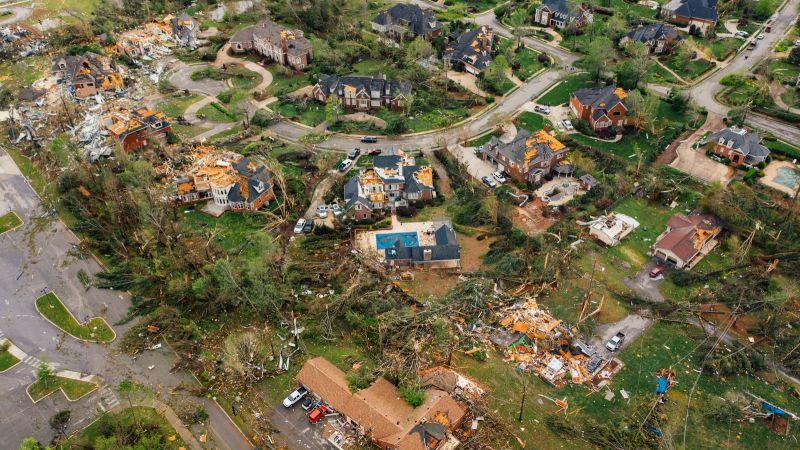
Once it's safe, look for the obvious signs from the ground: gaps in the tile courses, slate or tile fragments in the garden, a sagging gutter, or daylight where a ridge tile used to sit. Inside, check the loft with a torch for wet felt, water stains, or daylight coming through. Photograph everything before you touch it - those photos are the backbone of any insurance claim later.
If water is actively getting in, you need someone out fast. Roof Repairs Portsmouth can make a damaged roof watertight the same day and give you the written report your insurer will ask for, which matters far more than most homeowners realise.
Why Portsmouth Roofs Take the Worst of It
Portsmouth's geography works against its rooftops. The city sits low and flat on an island, with the prevailing south-westerly winds arriving off open water with nothing to slow them. Coastal towns routinely see wind speeds 10-15mph higher than inland Hampshire for the same weather system, and that extra push is exactly what turns a "bit breezy" forecast into stripped tiles.
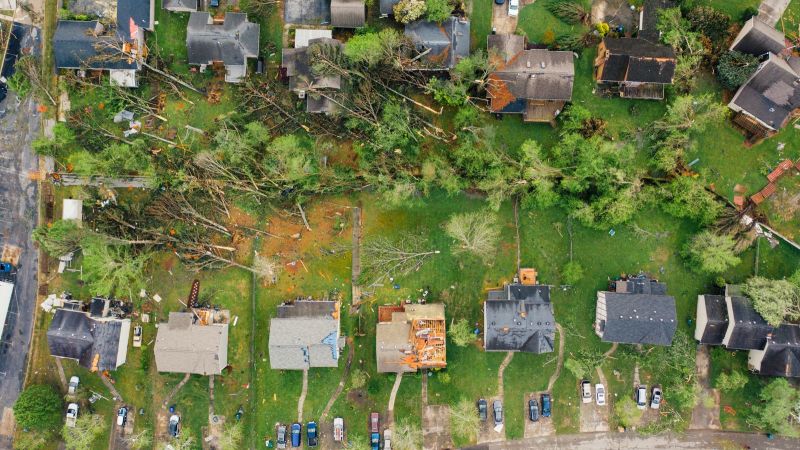
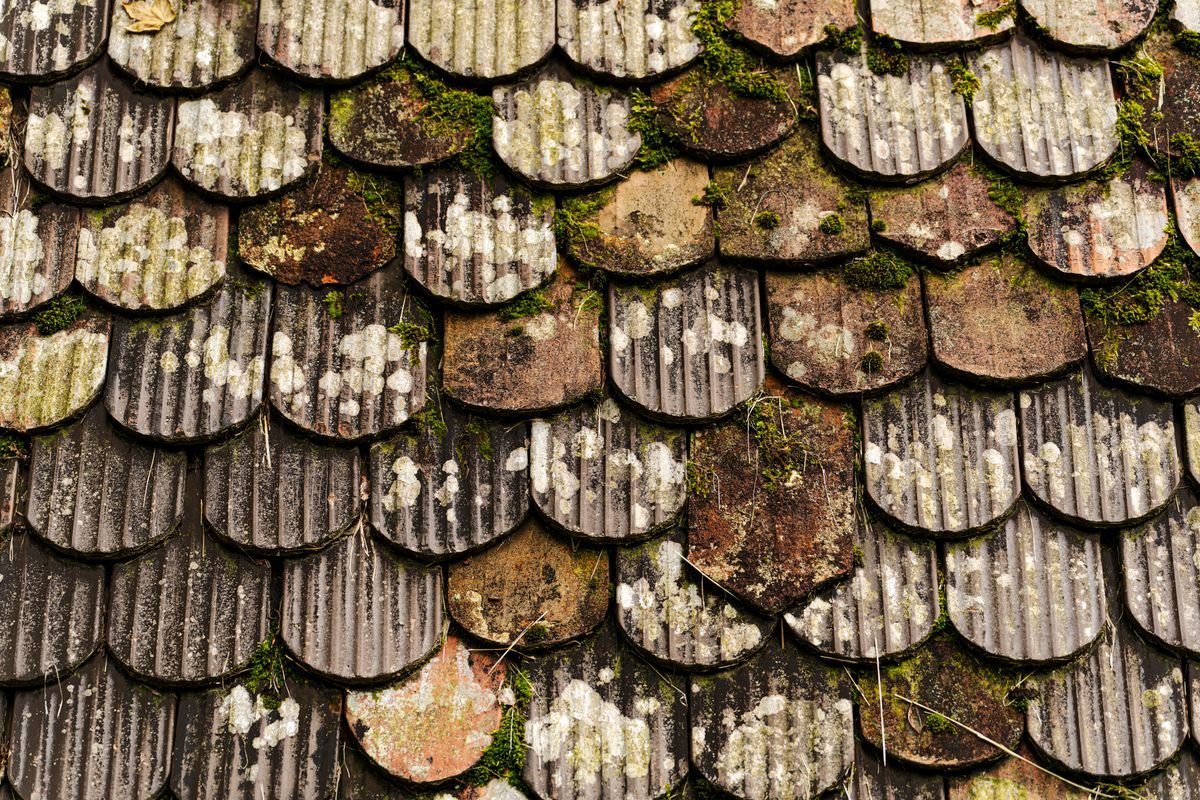
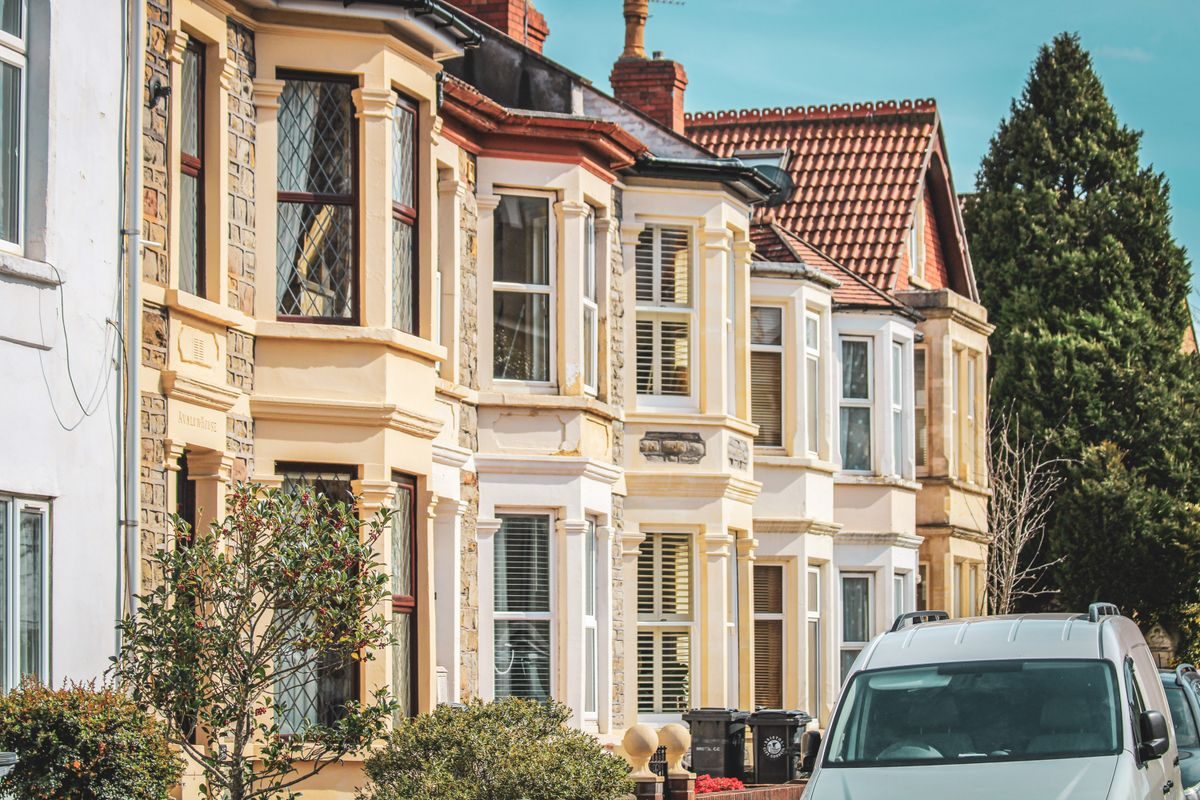
The housing stock adds to the problem. Around 60% of Portsmouth homes are Victorian and Edwardian terraces, many with roofs over a century old and originally fixed with mild steel nails that salt air has long since corroded. A tile that's only half-held by a rusted nail lets go at a fraction of the wind speed a sound roof would shrug off.
Flat-roofed extensions are a weak point
Thousands of Portsmouth terraces have flat-roofed rear extensions and bay-window tops, and these take a beating in storms. Old felt roofs go brittle with age and UV exposure, and a strong gust can lift a whole section or drive rain under a lifted edge. Flat roofs account for a disproportionate share of storm leak call-outs across the city, and a failed flat roof floods a room far faster than a slipped tile ever would.
Emergency Storm Repairs and What They Cost
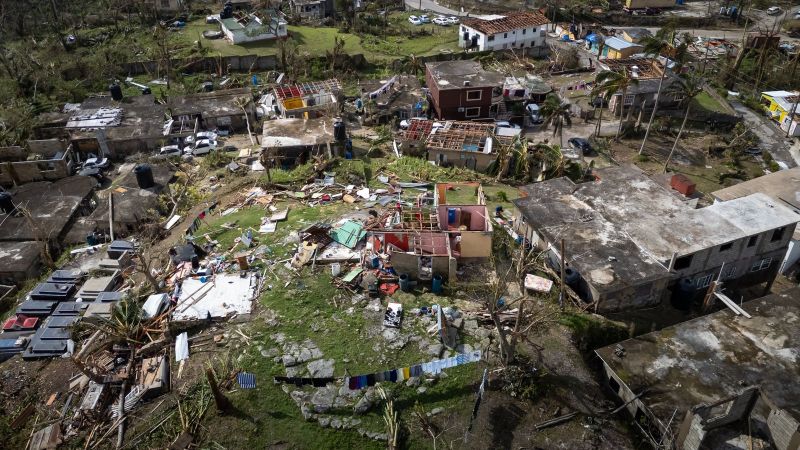
Emergency work is about stopping further damage, not fixing everything at once. A temporary tarpaulin or a flashband patch to make a roof watertight typically costs £120 - £300, and insurers expect you to arrange it - you have a duty to prevent the damage getting worse.
Here's a rough guide to what storm repairs cost in Portsmouth:
Temporary make-safe (tarp or flashband): £120 - £300.
Replacing storm-stripped tiles or slates: £150 - £500 for a small area, more if scaffold is needed.
Re-bedding or replacing ridge tiles: £300 - £800.
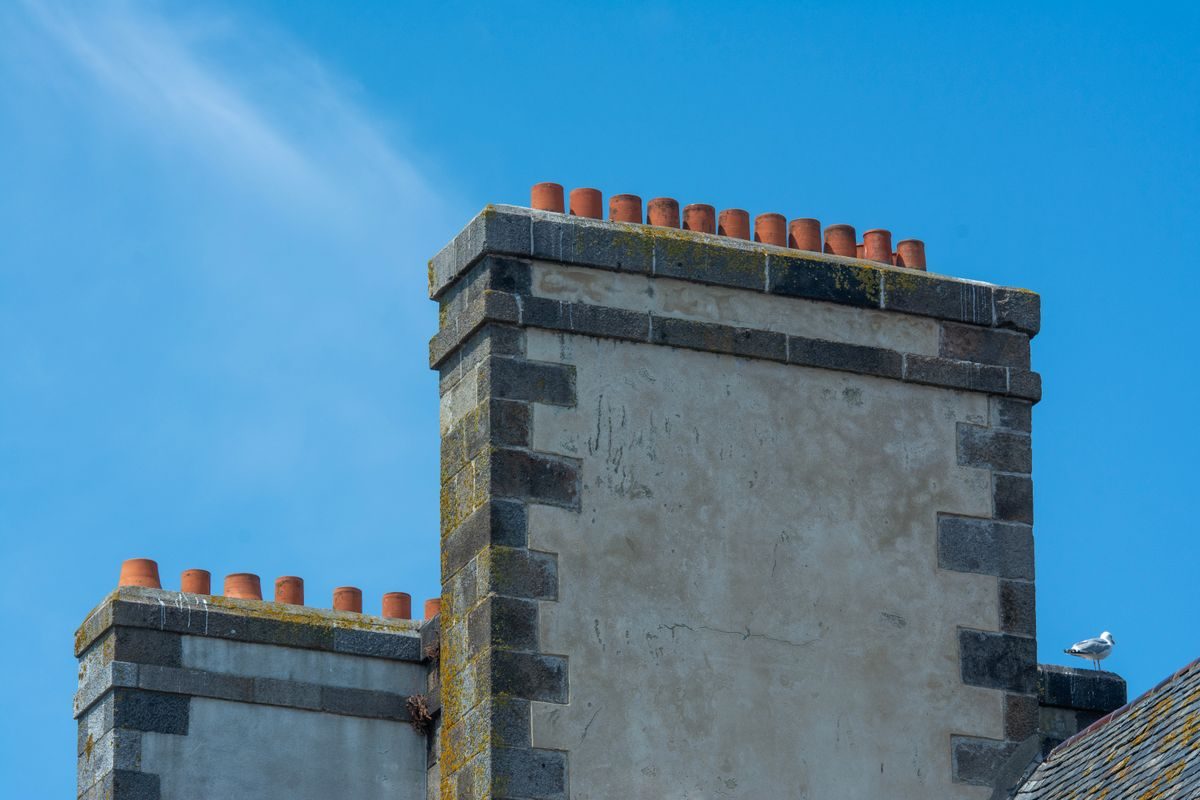
Repairing lifted lead flashing around a chimney: £250 - £600.
Patching or re-covering a storm-damaged flat extension roof: £600 - £2,500.
Scaffold is the big variable. On a three-storey Southsea terrace, access alone can add £400 - £700 to any job, which is why it pays to have every visible bit of damage dealt with in a single visit rather than paying for access twice.
Making a Storm Damage Insurance Claim
Most buildings insurance policies cover storm damage, but insurers apply a fairly strict definition. In practice they expect wind speeds of roughly 47-55mph or more at the time, and Portsmouth clears that bar several times most winters. Your first job is to establish that a genuine storm occurred - the Met Office keeps regional records, and a quick note of the storm's name and date strengthens your case considerably.
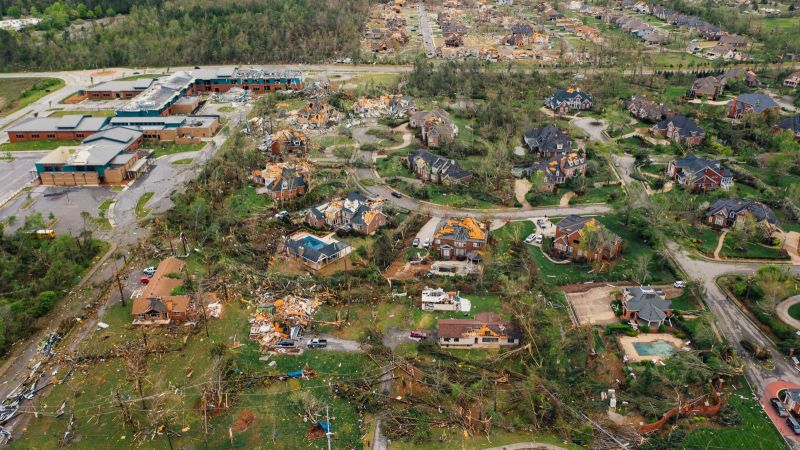
The Association of British Insurers publishes clear guidance on making a home insurance claim after storm and flood damage that's worth reading before you call your insurer. The core steps are simple: photograph everything, don't throw away damaged materials, arrange emergency make-safe work but hold off on permanent repairs until the insurer has assessed the damage, and keep every receipt and report.
What insurers commonly refuse
The most frequent reason a storm claim is reduced or refused is "wear and tear". If your roof was already suffering from nail sickness, brittle felt, or missing tiles before the storm, the insurer may argue the damage was waiting to happen rather than caused by the wind. This is where a roofer's written report earns its keep - a line confirming the damage is consistent with storm action rather than long-term deterioration does a great deal of work in a disputed claim. Around a third of storm claims meet some resistance, so documentation is everything.
Repair or Full Replacement After a Storm?
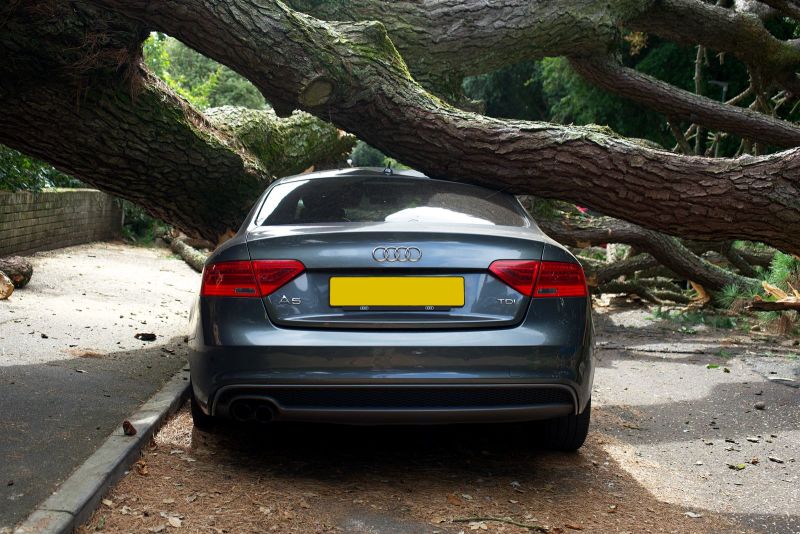
A single storm event usually means a repair, not a new roof. Stripped tiles, a lifted ridge, or a torn flat-roof section can all be put right without re-covering the whole thing. But a storm often exposes a roof that was already on its way out, and that's the moment to think harder.
The honest test is age and pattern. If your roof is over 50 years old, has needed repairs after each of the last few winters, or the storm has revealed widespread nail sickness, then patching it again is throwing good money after bad. A full strip and re-cover on a typical Portsmouth terrace runs £5,000 - £9,000, but it comes with corrosion-resistant fixings and modern underlay that will shrug off the next decade of Solent gales.
We've written before about the tell-tale signs a roof is failing rather than just damaged in our guide to slipped and loose roof tiles in Portsmouth, which is worth a read if the same tiles keep coming down every winter.
Choosing a Storm Damage Roofer in Portsmouth
Storm weeks bring out the best and the worst of the trade. Portsmouth and the wider Hampshire area are well served for genuine roofers, but a big storm also draws in doorstep callers and out-of-area chancers who "happened to notice" your damage. Quotes for identical work can vary by 50% or more, and the cheapest cash-only caller is almost never the safe choice.

Get two or three written quotes for anything beyond emergency make-safe work, and check credentials rather than trusting a van sign. Look for membership of the National Federation of Roofing Contractors, the industry's main trade body, or registration with the government-endorsed TrustMark scheme, which vets tradespeople for quality and consumer protection. A roofer accountable to either will document the work properly, which also happens to be exactly what your insurer needs. A doorstep caller demanding cash up front is accountable to no one.
---
FAQ
Q: What should I do first after storm damage to my Portsmouth roof?
A: Stay safe and stay off ladders in wet or windy conditions. Once it's safe, photograph all the damage from the ground and check the loft for leaks. If water is getting in, arrange emergency make-safe work such as a tarpaulin or flashband patch, which costs £120 - £300, then get a roofer's written report before your insurer assesses the claim.
Q: Does home insurance cover storm damage to a roof in Portsmouth?
A: Usually yes, if wind speeds at the time exceeded roughly 47-55mph, which Portsmouth reaches several times most winters. Claims are commonly reduced or refused where the damage is judged to be down to pre-existing wear and tear, such as nail sickness or brittle felt, so a roofer's report confirming storm action is important.
Q: How much do emergency storm roof repairs cost in Portsmouth?
A: Temporary make-safe work costs £120 - £300. Replacing storm-stripped tiles runs £150 - £500 for a small area, ridge tile repairs £300 - £800, and lifted lead flashing £250 - £600. A storm-damaged flat extension roof can cost £600 - £2,500 to patch or re-cover. Scaffold on a three-storey terrace can add £400 - £700.
Q: Should I repair or replace my roof after storm damage?
A: A single storm event usually means a repair. Replacement makes more sense if the roof is over 50 years old, has needed repairs each of the last few winters, or the storm has revealed widespread nail sickness. A full strip and re-cover on a Portsmouth terrace costs £5,000 - £9,000 but ends the cycle of yearly call-outs.
---
Ready to work with Roof Repairs Portsmouth?
Let's connect! We’re here to help.
Send us a message and we’ll be in touch.
Or give us a call today at 023 9355 3469
Agency Contact Form
More Marketing Tips, Tricks & Tools