Roof Moss and Algae Cleaning in Portsmouth: Costs and What Works
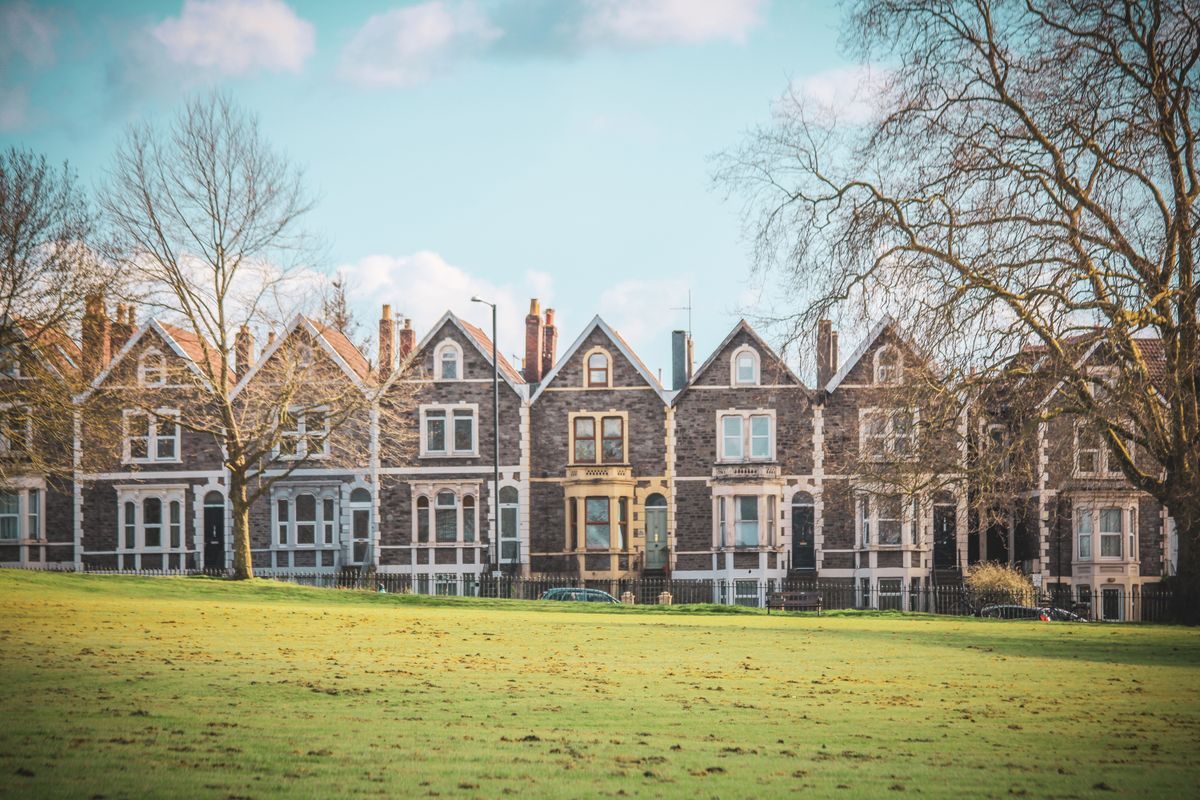
That green film creeping across your roof isn't just an eyesore - on a damp, coastal roof it can shorten the life of your tiles and clog the very gutters that keep water out of the house. Portsmouth is prime moss country. Sitting on low-lying Portsea Island with the Solent on its doorstep, the city carries high humidity year-round, and its dense Victorian terraces throw long shadows across north-facing slopes that never fully dry out. The Met Office records the south coast getting around 1,700 hours of sunshine a year, but a shaded terrace roof sees a fraction of that, and moss loves the difference. A professional roof clean in Portsmouth typically costs £300 - £700, while the tile and gutter damage neglected moss causes can run into the thousands. Here's what actually works, what it costs, and when a green roof is genuinely worth worrying about.
Why Portsmouth Roofs Grow So Much Moss and Algae
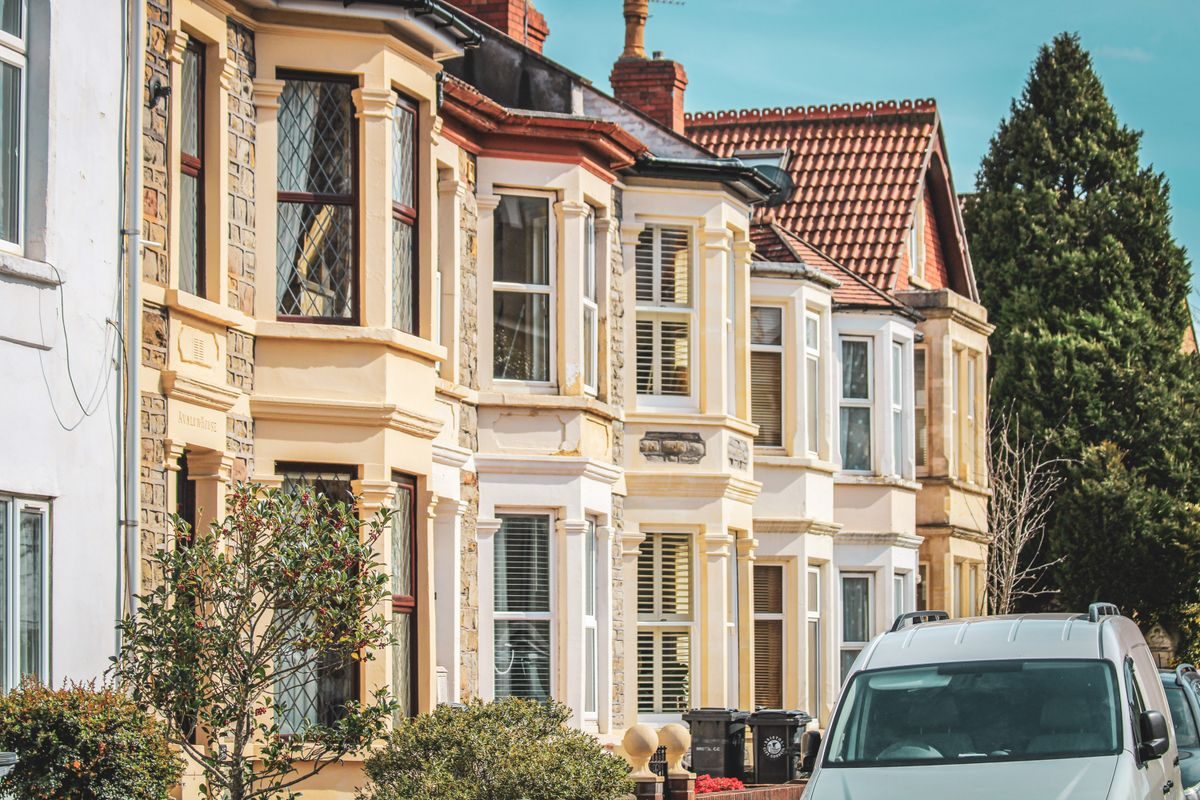
Moss and algae need three things: moisture, shade, and something to cling to. Portsmouth supplies all three in abundance. The city's coastal position keeps average humidity high through the year, and the sea air means roofs stay damp for longer after rain than they would inland. Add the shade thrown by tightly packed terraces and mature street trees, and you get slopes that stay wet for days.
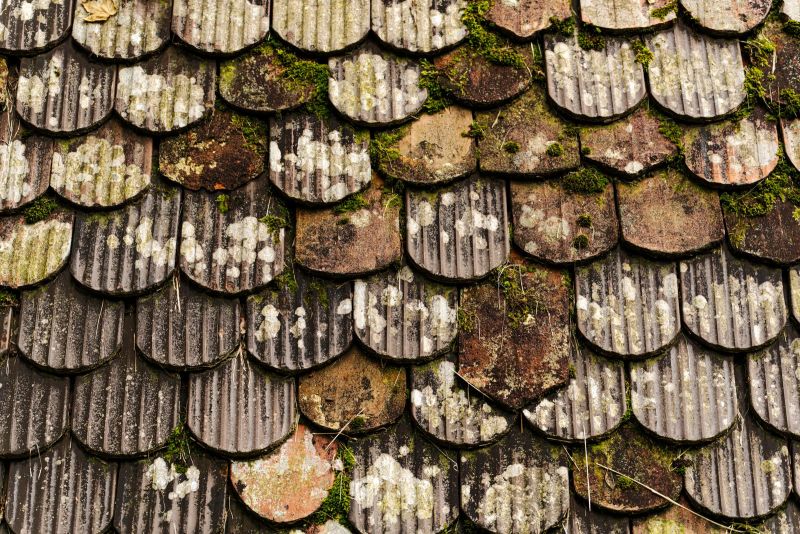
North and east-facing roof slopes are the worst affected, because they get the least drying sun - often 70% or more of the moss on a terrace sits on its shaded side. Older concrete and clay tiles are more vulnerable too: decades of coastal weathering roughen the surface and open up the pores, giving spores an easy grip. Newer smooth or glazed tiles shrug off growth for longer. If your roof has gone visibly green in patches, Roof Repairs Portsmouth can assess whether it's surface algae that's purely cosmetic or moss that's starting to lift tiles and block drainage.
The Difference Between Algae, Moss, and Lichen
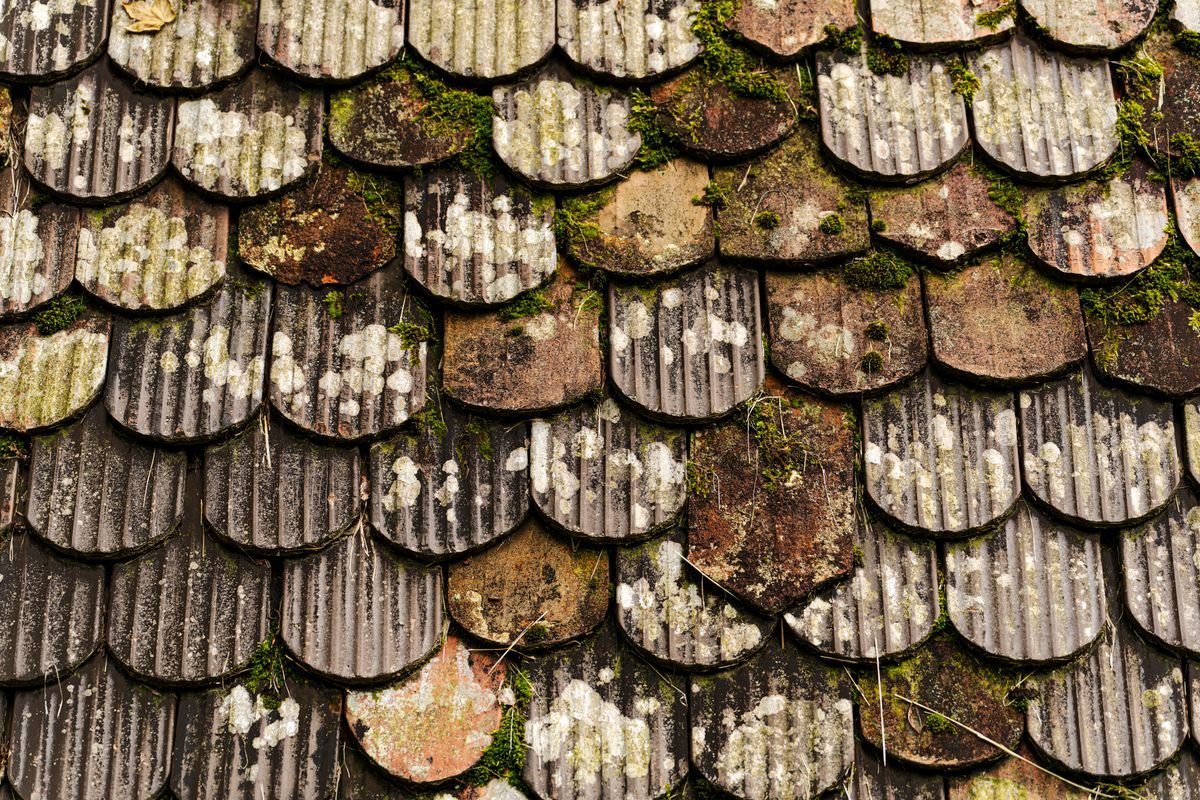
It's worth knowing which green you're looking at, because they cause different problems. Algae is the flat black or green staining - often seen as dark streaks running down a roof - and it's largely cosmetic. It looks tired but rarely damages the tile itself. Around half the "dirty roof" calls in Portsmouth are algae staining rather than structural growth.
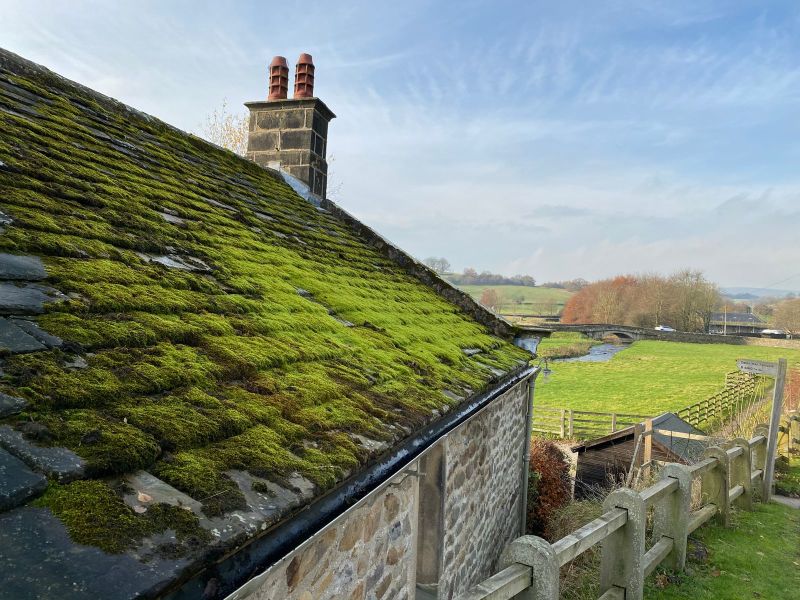
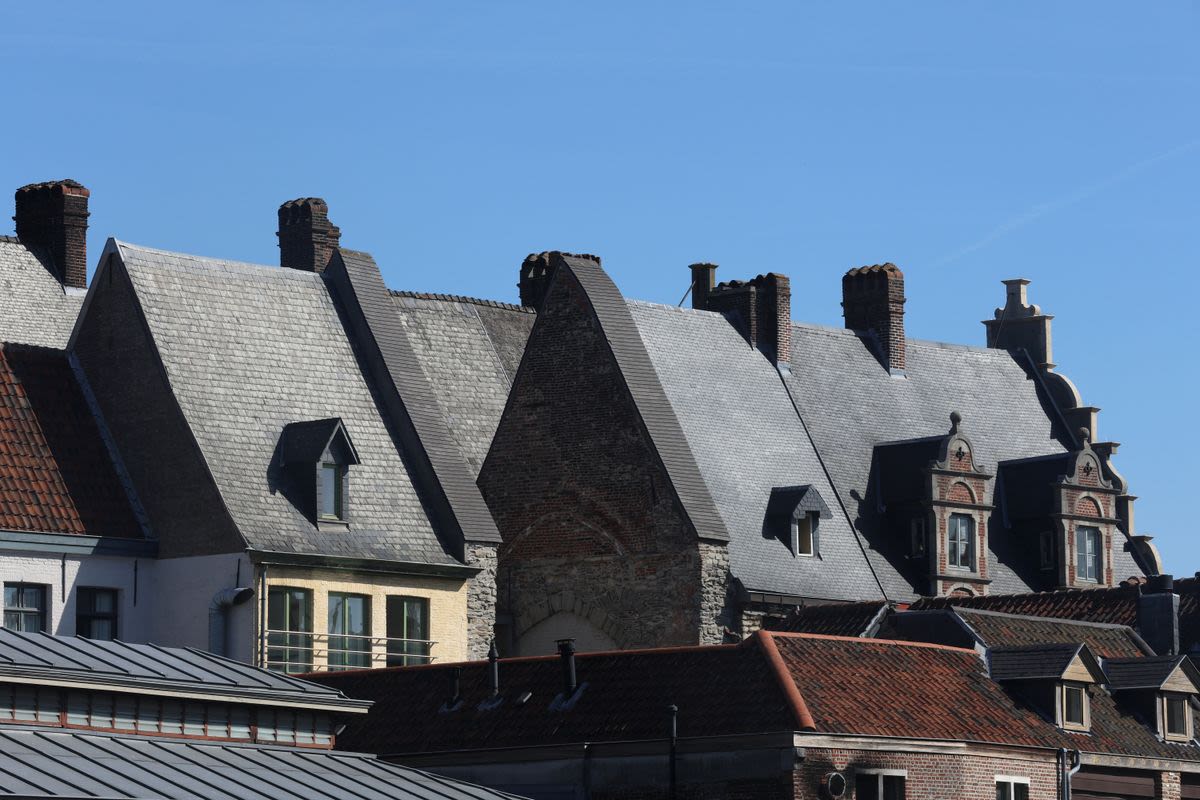
Moss is the raised, spongy green cushion, and it's the one that matters. Moss holds water against the tile like a sponge, which keeps the surface permanently damp and, in Portsmouth's handful of winter frosts, that trapped water freezes, expands, and flakes the tile face - a slow erosion called spalling. Moss also breaks off and washes into gutters, where it forms dams that overflow down the wall. Lichen, the crusty grey-green patches, is the most stubborn of the three; it bonds chemically to the tile and is the hardest to remove without damage. Knowing which you've got decides how gently the roof needs treating.
When green is actually a problem
A light algae stain on a sound roof is mostly a kerb-appeal issue and can wait. Thick moss is different: once it's lifting tile edges, filling valleys, or blocking gutters, it's actively shortening the roof's life and should be dealt with. As a rough guide, if you can see raised moss cushions from the ground or moss debris in your gutters, it's past cosmetic.
Cleaning Methods That Actually Work
The safest and most effective approach on a Portsmouth roof is manual removal followed by a biocide treatment. A roofer scrapes and soft-brushes the moss off by hand, clears the gutters and valleys, then applies a chemical biocide that kills the remaining spores and slows regrowth. It's less dramatic than a jet wash but far kinder to the tiles, and the results last longer - typically 3 - 5 years before regrowth needs attention.
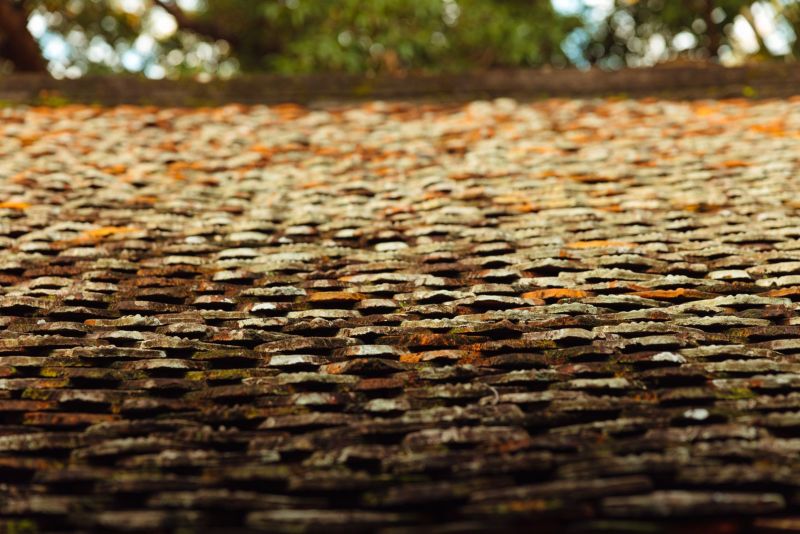
Biocide-only "soft washing" is the gentlest option, spraying a treatment that kills the growth and lets weathering wash it off over the following months. It suits roofs where the moss is light or the tiles are too fragile to brush. It's slower to show results but carries almost no risk of damage, and it's increasingly the method reputable firms prefer.
Why pressure washing is usually the wrong call
High-pressure jet washing looks satisfying and gets instant results, which is exactly why it's oversold. On an older Portsmouth roof it's often the worst thing you can do: the force strips the protective surface off concrete tiles, forces water under the laps, and can crack brittle century-old clay. Roofers routinely get called to re-bed and replace tiles damaged by an aggressive jet wash, and the "cleaned" roof frequently grows back greener within a year because the roughened surface holds spores better. Around 3 in 10 pressure-washed roofs we see need remedial tile work afterwards. If a cleaner leads with a power washer on a Victorian terrace roof, that's a reason to pause.
What Roof Cleaning Costs in Portsmouth
Soft wash / biocide treatment only (light algae): £250 - £500 depending on roof size and access.
Manual moss removal plus biocide (the standard job): £350 - £700 for a typical terrace.
Larger or steeper roofs, or difficult three-storey access: £600 - £1,200.
Gutter clearing as part of the clean: often £80 - £150 on top, or included.
Scaffold or tower where a roof ladder won't safely reach: £250 - £600 extra.
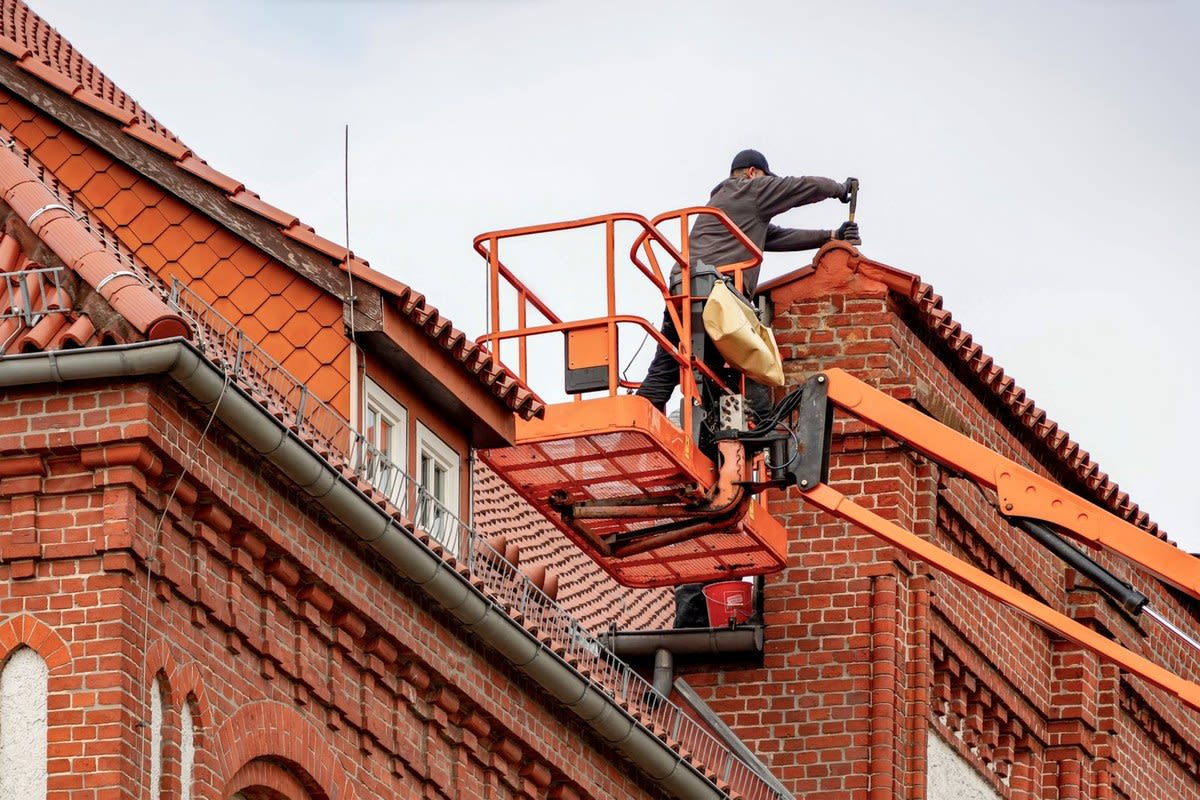
As with any Portsmouth roof job, access is the swing factor - a two-storey terrace you can reach off a ladder is cheap, while a tall three-storey slope needing scaffold costs more to stand on than to clean. Be wary of a suspiciously cheap quote, usually £99 - £150, as it almost always means a quick pressure wash with no biocide and no gutter clearing - the kind of job that looks good for a season and grows back fast. A fair price buys manual removal, a proper biocide, and cleared drainage.
Keeping Moss Off for Longer
The most effective long-term deterrent is a run of zinc or copper strip fitted along the ridge. When rain washes over the metal it releases trace ions that are mildly toxic to moss and algae, and they trickle down the slope suppressing growth. It's a modest add-on, usually £100 - £250 fitted during a clean, and it noticeably slows regrowth on shaded coastal roofs. It won't make a roof self-cleaning, but it buys you extra years between cleans.
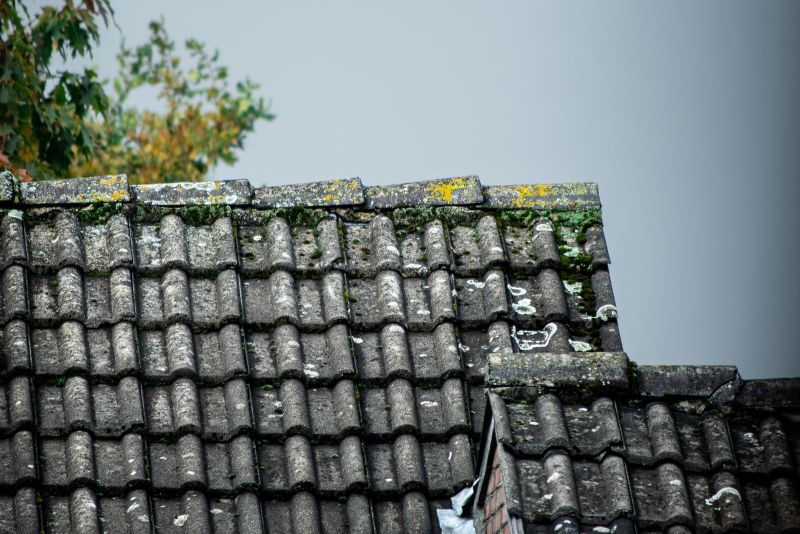
Keeping gutters and valleys clear does the rest. Moss thrives where water lingers, so a roof that drains freely stays greener for less time. It's also worth cutting back any overhanging branches shading the roof, since more airflow and light means faster drying. We've covered how blocked drainage causes wider damage in our guide to gutters, fascias and soffits in Portsmouth, which pairs closely with keeping moss under control.
Hiring a Roof Cleaner You Can Trust
Roof cleaning is lightly regulated, which means the quality varies wildly, so credentials matter. Look for a firm that will inspect the roof and tell you honestly whether it needs cleaning at all - a good one will happily say a light stain can wait rather than upselling you. Registration with the government-endorsed TrustMark scheme or membership of a recognised trade body offers real accountability, and reputable roofers follow the National Federation of Roofing Contractors' guidance on maintenance and workmanship.
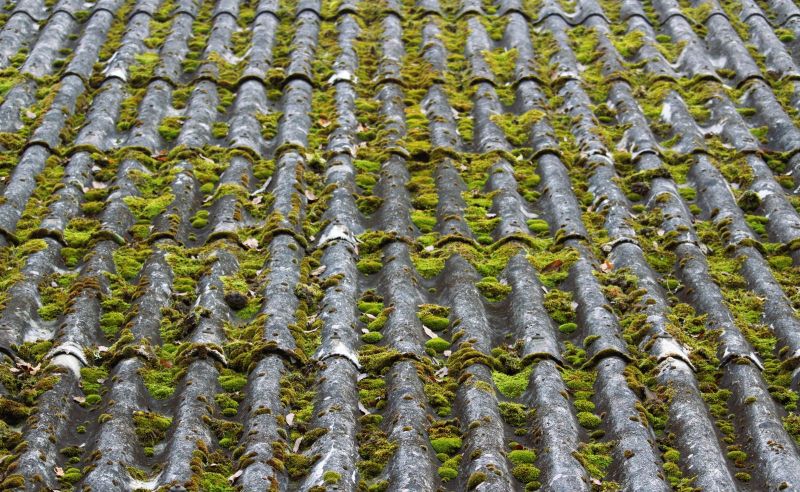
Ask which method they'll use before booking. A trustworthy cleaner leads with manual removal and biocide, explains why they avoid high pressure on older tiles, and includes gutter clearing in the price. Be cautious of doorstep callers offering a same-day power wash for cash - Portsmouth and the wider Hampshire area have plenty of proper roofing firms, so there's no need to gamble on the first knock. Get the method and price in writing, and if a quote seems too cheap to include real moss removal, it probably is.
---
FAQ
Q: Is moss on my Portsmouth roof actually a problem?
A: It depends which green you have. Flat algae staining is largely cosmetic and can wait. Raised, spongy moss is the one that matters - it holds water against the tiles, which freezes and flakes the surface in winter frosts, and it washes into gutters and blocks drainage. As a rough guide, if you can see raised moss cushions from the ground or moss debris in your gutters, it's gone past cosmetic and is worth dealing with.
Q: How much does roof moss and algae cleaning cost in Portsmouth?
A: A biocide-only soft wash for light algae runs around £250 - £500, while manual moss removal plus biocide - the standard job - is typically £350 - £700 for a terrace. Larger, steeper, or three-storey roofs cost £600 - £1,200, and scaffold can add £250 - £600. Be wary of £99 quotes, which usually mean a quick pressure wash with no biocide and no gutter clearing.
Q: Should I pressure wash my roof to remove moss?
A: Usually not, especially on an older Portsmouth roof. High-pressure washing strips the protective surface off concrete tiles, forces water under the laps, and can crack brittle century-old clay. It also roughens the surface so moss grows back greener within a year. Manual removal followed by a biocide treatment is safer and lasts longer - typically 3 - 5 years before regrowth needs attention.
Q: How can I stop moss coming back on my roof?
A: Fitting a zinc or copper strip along the ridge is the most effective deterrent - rain washes trace ions down the slope that suppress moss and algae, usually for £100 - £250 fitted during a clean. Keeping gutters and valleys clear so water drains freely, and cutting back overhanging branches to let the roof dry faster, both slow regrowth on shaded coastal roofs.
---
Ready to work with Roof Repairs Portsmouth?
Let's connect! We’re here to help.
Send us a message and we’ll be in touch.
Or give us a call today at 023 9355 3469
Agency Contact Form
More Marketing Tips, Tricks & Tools