Slipped and Loose Roof Tiles in Portsmouth: Causes, Costs, and Fixes
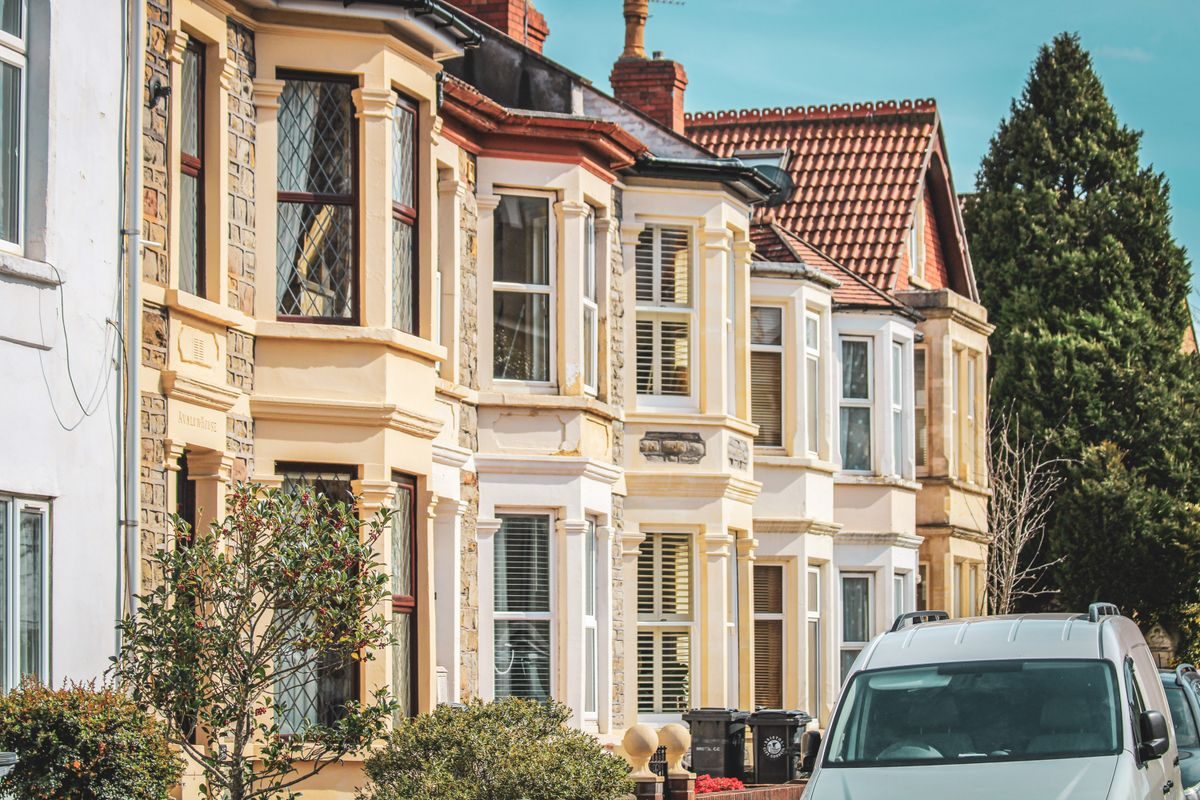
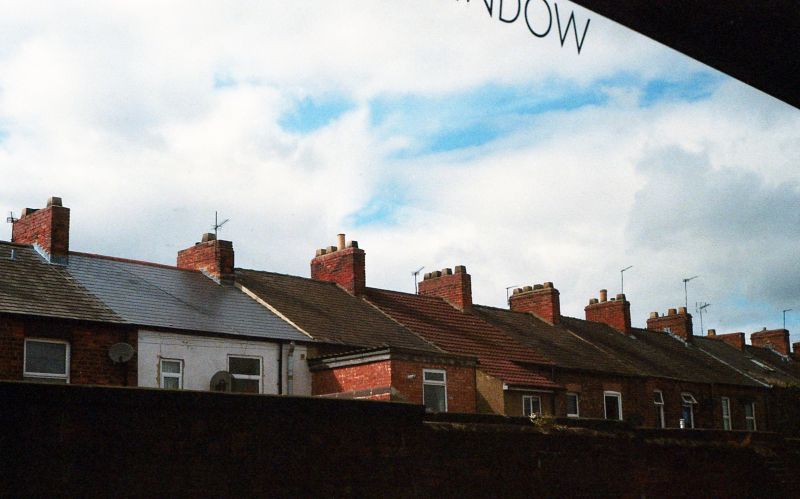
A single slipped roof tile is the most common roofing call-out in Portsmouth, and it's rarely just one. Around 60% of the city's housing stock sits in dense Victorian and Edwardian terraces on Portsea Island, and most of those roofs are now well past 100 years old. The nails that originally fixed the tiles were mild steel, and a century of salt-laden coastal air corrodes them long before the tiles themselves wear out. Add the Solent's exposure - Portsmouth regularly records gusts above 50mph in winter storms - and tiles start to slip, rattle, and drop. A slipped tile repair typically costs £100 - £250. Ignore it, and water finds the felt, then the timbers, then your bedroom ceiling, and the bill climbs into the thousands. Here's what causes slipped and loose tiles in Portsmouth, what fixing them costs, and how to tell a quick repair from the first sign of a tired roof.
Why Roof Tiles Slip in Portsmouth
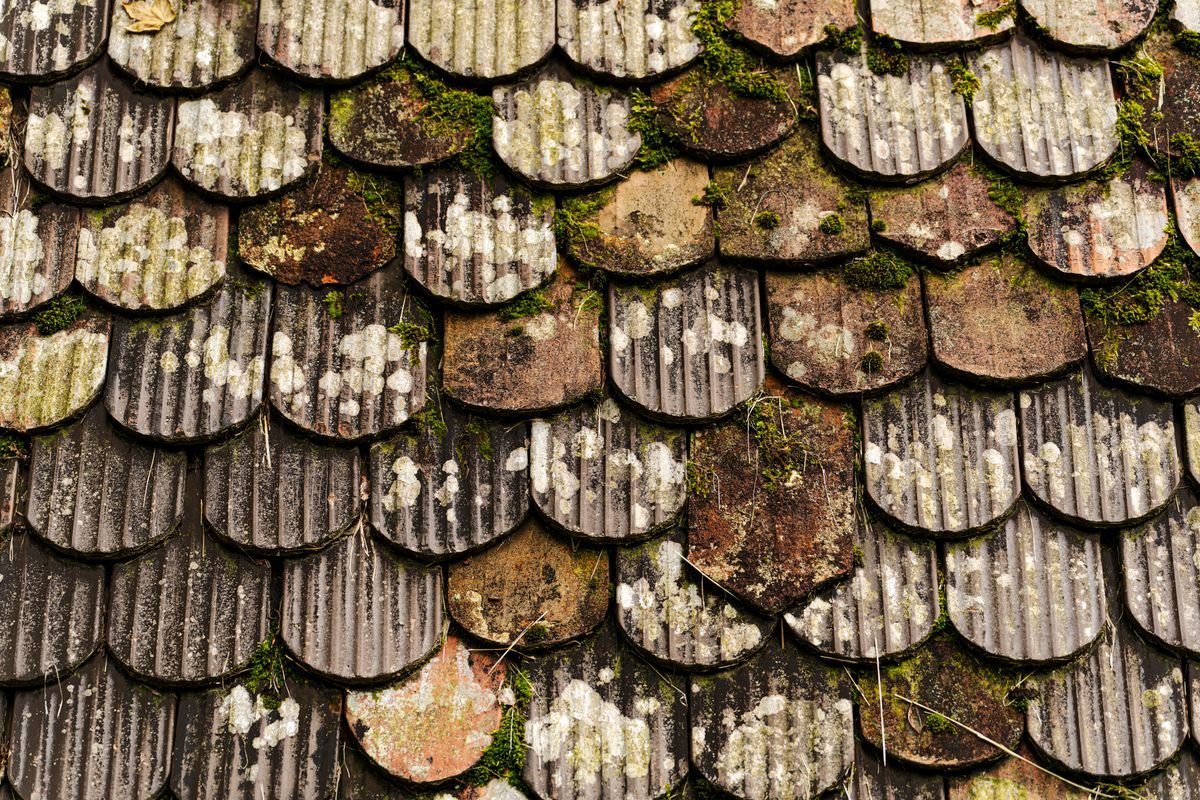
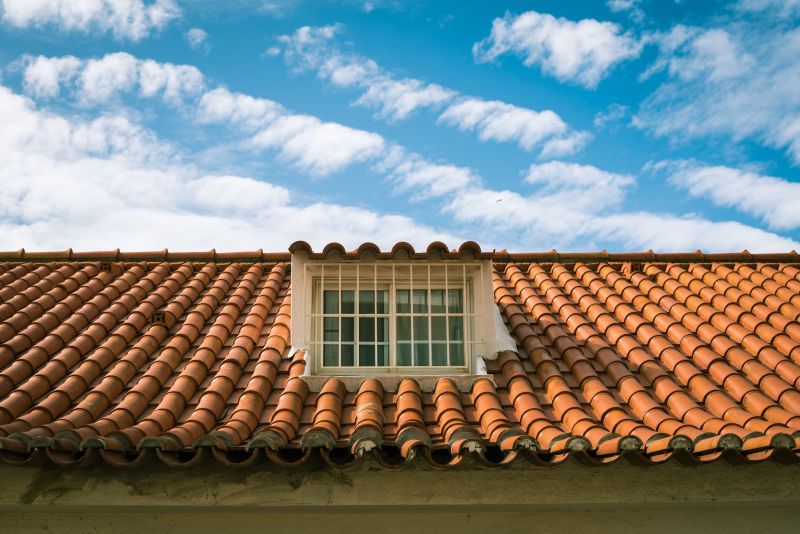
Tiles almost never slip because the tile itself has failed. Clay tiles last 60-100 years and concrete tiles 50-60. What fails is the fixing - the nail or the nib holding the tile to the batten. On pre-1950s Portsmouth terraces, those nails are mild steel, and salt air accelerates corrosion badly. Roofers call it "nail sickness": the nails rust through, and tiles start letting go one by one.
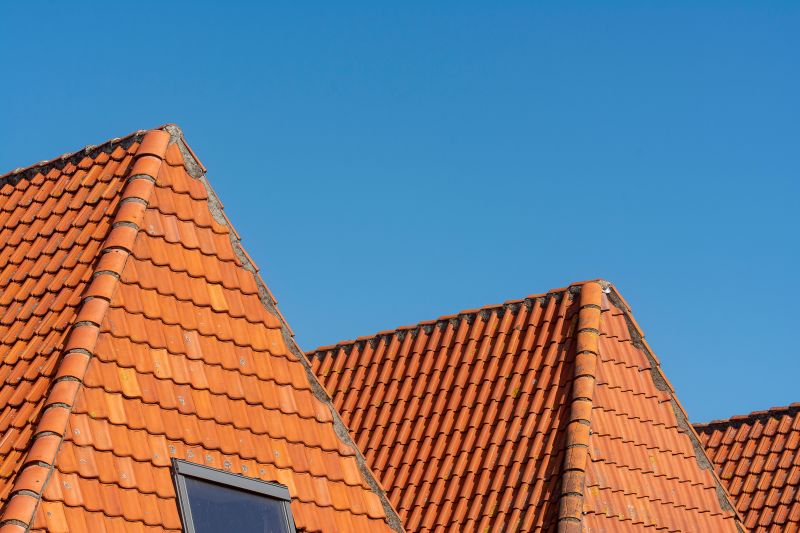
Wind does the rest. Portsmouth's seafront position on the Solent means south-westerly gales hit the city with little in the way. When gusts pass 50mph - which happens several times most winters - wind uplift works loose tiles free, and the suction on the leeward slope can lift tiles that were only just hanging on. The Met Office guide to how wind is measured and what gust speeds mean is worth a read if you want to understand why a "breezy" forecast can still shift a poorly fixed tile.
If you've spotted a slipped tile or found pieces of one in the garden, Roof Repairs Portsmouth can inspect the roof, refix or replace the affected tiles, and tell you honestly whether it's a one-off or the start of a pattern.
How to Spot Slipped and Loose Tiles Early
The obvious sign is a visible gap or a tile sitting out of line with its neighbours - a dark slot in the roof surface where the underfelt shows through. Check from across the street with binoculars after any named storm; you'll see 90% of problems from the ground.
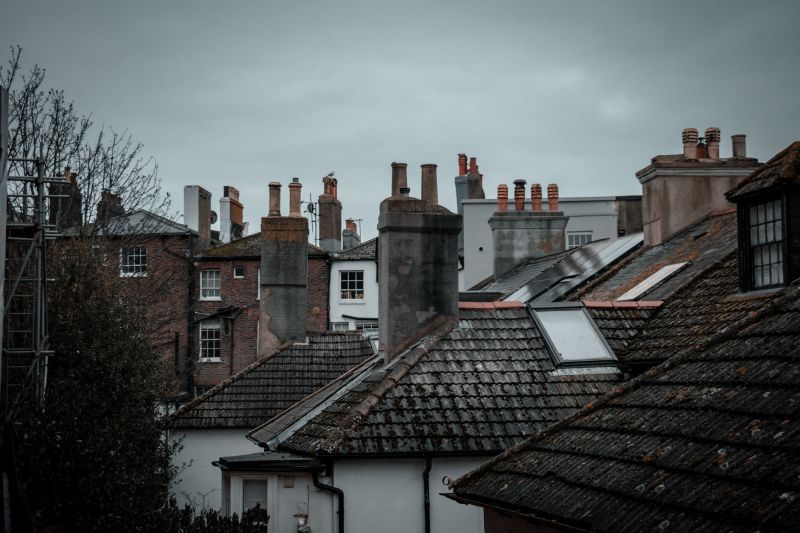
The less obvious signs matter more. Tile fragments in the garden or gutter mean something has cracked and let go. A rattling or clacking noise from the roof in wind means tiles are loose but haven't slipped yet - that's the cheap moment to act. And a damp patch on an upstairs ceiling usually means water has been getting past a slipped tile for weeks or months already.
The two-year rule for older terraces
For a pre-1930s terrace anywhere on Portsea Island, a proper look at the roof every two years is a sensible habit - and always after a storm with gusts over 60mph. Most roofers charge £80 - £150 for an inspection, and many will knock it off the price of any repair that follows.
What Slipped Tile Repairs Cost in Portsmouth
Refixing 1-3 slipped tiles (accessible from ladder or roof ladder): £100 - £250.
Replacing 1-5 broken or missing tiles, like-for-like: £150 - £350.
A patch repair of 10-20 tiles on one slope: £350 - £700.
Re-fixing a larger area with scaffold access: £700 - £1,500, with scaffold making up £400 - £600 of that.
Scaffold is the swing factor. A three-tile fix at gutter level is a cheap job; the same fix near the ridge of a three-storey terrace in Southsea needs scaffold that costs more than the roofwork. This is why it pays to fix everything visible in one visit rather than paying for access twice.
Matching tiles matters too. Many Portsmouth terraces carry double Roman clay tiles or natural slate that's no longer made in the original size. A good roofer sources reclaimed matches - budget an extra £2 - £6 per tile for reclaimed clay against new concrete.
When a Few Loose Tiles Mean a Bigger Problem
One slipped tile after a storm is a repair. Five slipped tiles across different parts of the roof is a diagnosis - and the diagnosis is usually nail sickness. Once the fixings start failing at scale, refixing tiles one at a time becomes false economy, because every winter shakes a few more loose.

The honest test: if you've paid for slipped tile repairs three times in five years, the roof is telling you something. At that point a full strip and re-cover - reusing sound tiles on new battens, new underlay, and stainless steel or aluminium fixings that shrug off salt air - is the better spend. On a typical Portsmouth terrace that's £5,000 - £9,000, against £150 - £300 per call-out forever.
Repair or re-roof? How to decide
We've set out the full decision framework - roof age, leak history, and the cost crossover point - in our guide to roof repair vs replacement in Portsmouth, which is worth reading before you commit either way.
Storm Damage, Insurance, and Loose Tiles
Insurers generally treat tile damage as storm damage when winds exceeded around 47-55mph at the time - and Portsmouth clears that bar several times a year. If a storm has stripped or slipped tiles, photograph everything before any work, note the date, and check local wind records. Most policies cover storm damage but exclude "wear and tear", so a roof already suffering nail sickness may see a claim reduced or refused.
Two practical points. First, get the roof made watertight quickly - a temporary tarpaulin or flashband repair costs £100 - £200 and insurers expect you to limit further damage. Second, keep the roofer's written report; a line stating the damage is consistent with storm action rather than deterioration does a lot of work in a claim.
Choosing a Roofer for Tile Repairs in Portsmouth
The good news: Portsmouth and the wider Hampshire area are well served for roofers, so you're not stuck taking whoever answers the phone. The flip side of a busy market is that storm weeks bring out the chancers - doorstep callers who "noticed a slipped tile" are a known racket, and quotes for identical jobs can vary by 50% or more.
Get two or three quotes for anything beyond a single-tile fix, and check credentials rather than taking a van livery at face value. Look for membership of the National Federation of Roofing Contractors, the industry's main trade body, or registration on the government-endorsed TrustMark scheme, which vets tradespeople for quality and consumer protection. A roofer with either is accountable to someone; a cash-only doorstep caller is not.
Preventing Slipped Tiles on an Exposed Roof
You can't change Portsmouth's weather, but you can change how well the roof resists it. When any significant repair is done, ask for stainless steel nails or clips rather than galvanised - the cost difference is pennies per tile and they last decades longer in salt air. On exposed slopes facing the Solent, mechanical clipping of perimeter tiles (the eaves, verge, and ridge courses take the highest wind loads) adds £150 - £400 to a repair but dramatically cuts future slippage.
Keep gutters clear too. Blocked gutters push water back under the bottom course of tiles, rotting battens exactly where wind uplift is strongest. A twice-yearly gutter clean at £70 - £120 protects the tile fixings above it. Small habits, applied consistently, are the difference between a roof that needs attention every winter and one you barely think about.
---
FAQ
Q: How much does it cost to fix a slipped roof tile in Portsmouth?
A: Refixing one to three slipped tiles typically costs £100 - £250 where the roof is accessible by ladder. If scaffold is needed - common on three-storey terraces - the total rises to £700 - £1,500, with scaffold making up most of the difference. Fixing all visible issues in one visit avoids paying for access twice.
Q: Why do roof tiles keep slipping on older Portsmouth houses?
A: Usually nail sickness. Pre-1950s roofs were fixed with mild steel nails, and Portsmouth's salt-laden coastal air corrodes them faster than inland. Once the nails rust through, tiles let go one by one, and Solent gales above 50mph work them loose. Repeated slippage across different parts of the roof is the classic sign.
Q: Is a slipped tile an emergency?
A: It's urgent rather than an emergency. The underfelt beneath will shed water for a while, but old felt is often brittle and porous, and once water reaches the battens and ceiling the repair cost multiplies. Aim to have a slipped tile refixed within a few weeks - sooner in winter.
Q: Will insurance cover slipped or missing tiles after a storm?
A: Usually yes, if winds at the time exceeded roughly 47-55mph and the roof was in reasonable condition beforehand. Photograph the damage, note the storm date, and get a roofer's written report. Claims are commonly reduced or refused where the real cause is long-term wear such as nail sickness.
Q: When should I stop repairing and re-roof instead?
A: A useful rule: three separate slipped-tile repairs within five years means the fixings are failing at scale. A strip and re-cover on a typical Portsmouth terrace costs £5,000 - £9,000, reusing sound tiles on new battens and corrosion-resistant fixings, and ends the cycle of winter call-outs.
---
Ready to work with Roof Repairs Portsmouth?
Let's connect! We’re here to help.
Send us a message and we’ll be in touch.
Or give us a call today at 023 9355 3469
Agency Contact Form
More Marketing Tips, Tricks & Tools