Flat Roof Repairs in Portsmouth: What Fails, What It Costs, and When to Replace
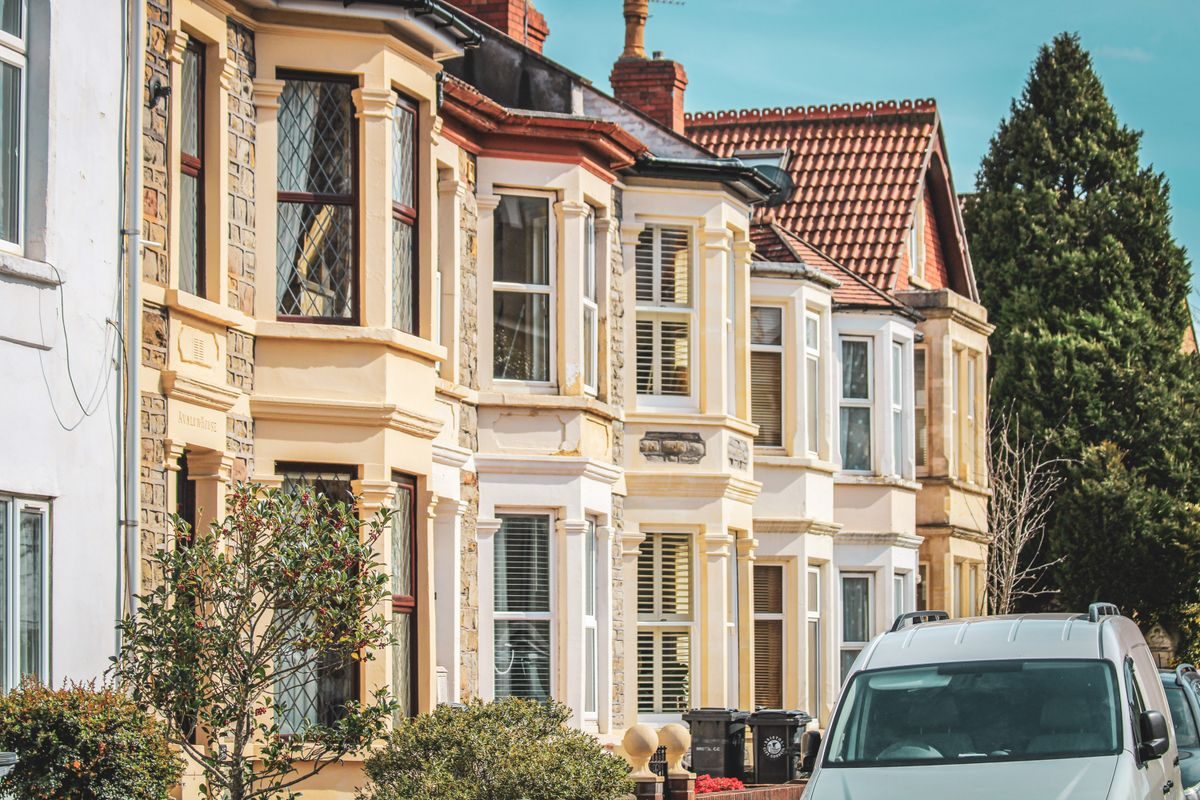
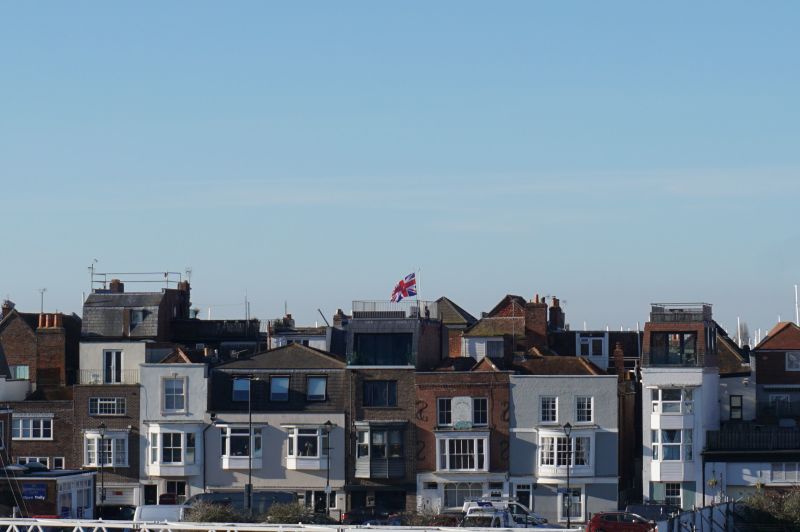
Portsmouth has a lot of flat-roofed extensions. The terraced housing across Southsea, Fratton, Copnor, and Baffins was extended heavily from the 1960s through the 1990s, mostly with felt flat roofs that were functional at the time and are now well past their design life. A felt flat roof from 1985 is 40 years old. It needs replacing, not repairing.
The coastal position makes this more pressing than it would be inland. Salt air from the Solent and the harbour gets into any weakness in the membrane. Portsmouth's wind exposure means flat roof upstands and flashings - the junction between roof and wall - get pushed and pulled more than they would in a sheltered location. These are the failure points that matter.
What Commonly Fails on Portsmouth Flat Roofs
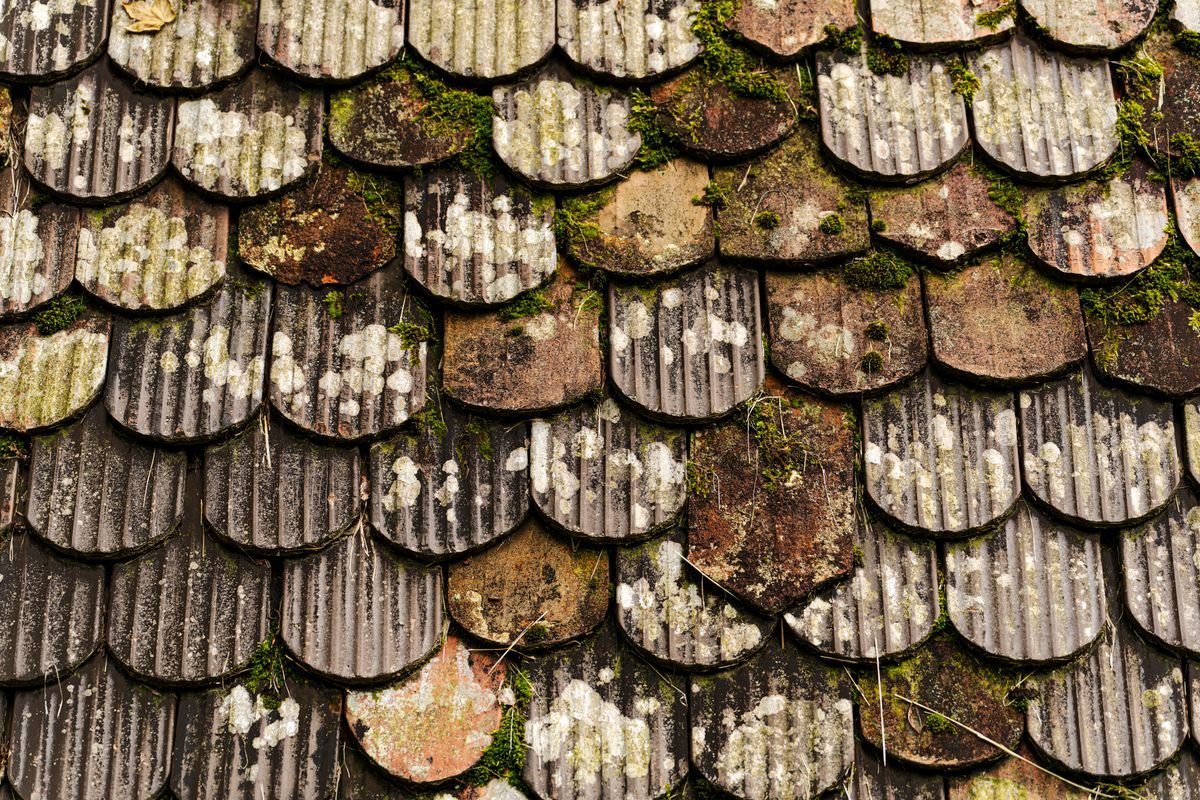
Felt deterioration. Bitumen felt from older Portsmouth extensions has carbonated and gone brittle. It doesn't flex with temperature changes the way it did when new, so it cracks under thermal movement. Once cracked, water gets under the surface and the deterioration accelerates rapidly.
Upstand failure. The felt or membrane has to turn up the wall face at every edge. On older Portsmouth installations this upstand is often felt-on-felt with a timber fillet underneath. It cracks at the fillet, pulls away at the top, and lets water track down behind the wall lining. It's the number one cause of flat roof leaks in Portsmouth terraces.
Lead flashing corrosion. Lead used at window and door abutments on flat roofs has a long lifespan but eventually fatigues or corrodes, particularly in salt air. Lead that's cracked or pulled away from its chase in the brickwork allows water to run directly into the wall cavity.
Ponding. Flat roofs drain to an outlet. When that outlet is blocked or when the roof deck has sagged and the fall is lost, water ponds. Salt-laden water sitting on a membrane is more aggressive than fresh rainwater - it finds weaknesses faster.
Timber deck rot. Once water has been getting into a flat roof long enough, the timber deck boards underneath become saturated and start to rot. A flat roof replacement that reveals significantly rotten deck needs the deck replaced too, which adds to the cost.
Repair or Replace?
Repair is right when the membrane is broadly intact and the failure is localised - a section of upstand that's pulled away, a flashing that's cracked at one point, a small blister that hasn't spread.
Replacement is right when:
- The felt is cracked or brittle across the whole surface
- The roof is over 20 years old and showing widespread deterioration
- Multiple failure points suggest the membrane is at end of life generally
- Water has been getting in long enough to wet the deck boards
Roof Repairs Portsmouth won't patch a roof that needs replacing - the repair would fail within a year and you'd pay twice. The survey visit establishes exactly which situation applies before any work is recommended.
Replacement Material Options for Portsmouth
GRP fibreglass. The most popular choice for Portsmouth flat roof replacements. Seamless, hard surface with no joints for salt air to find. Handles coastal exposure well. Lifespan 25-40 years. The right choice for most Portsmouth extensions.
EPDM rubber. Single-ply rubber membrane - flexible and durable. Handles thermal movement well and performs fine in coastal conditions. Better than GRP for larger roofs where a seamless GRP pour becomes more complex. Lifespan similar to GRP.
Torch-on felt. Modern torch-on felt is better than the traditional felt it replaces - thicker, better adhesion, longer lasting. Still not as durable as GRP or EPDM in Portsmouth's conditions. The right choice where budget is the primary constraint.
What Flat Roof Repairs and Replacement Cost in Portsmouth
Localised repair (upstand, flashing, or patch): £150-£450.
Full felt replacement, typical Portsmouth extension (15-25m²): £900-£2,000.
GRP replacement, same area: £1,500-£3,000.
EPDM replacement, same area: £1,200-£2,600.
Timber deck replacement (if needed): additional £300-£800 depending on extent.
FAQ
Q: How long does a flat roof last in Portsmouth?
Traditional felt: 10-20 years, sometimes less in coastal conditions. Modern torch-on felt: 15-25 years. GRP and EPDM: 25-40 years. Portsmouth's salt air and wind exposure means flat roofs here often reach the lower end of their expected lifespan.
Q: Why is my Portsmouth flat roof leaking when the surface looks intact?
The leak is almost certainly at an upstand or flashing junction rather than in the middle of the membrane. Water at upstands tracks down behind the wall and appears inside well away from the actual entry point. Inspect the wall junctions first.
Q: Is GRP worth the extra cost over felt for a Portsmouth extension?
In most cases, yes. The lifespan difference is significant - a GRP roof should outlast two felt replacements. In Portsmouth's coastal conditions, getting the material right matters more than it does inland. The higher upfront cost pays back over a much longer service life.
Q: Can I repair a Portsmouth flat roof myself?
Small temporary repairs with specialist sealant tape or liquid rubber products are possible as a short-term measure to stop active leaking. They're not a permanent solution. Flat roof repairs and replacement need proper materials and installation to last - a DIY patch on old felt doesn't address the underlying deterioration.
Q: Does salt air damage GRP flat roofs in Portsmouth?
GRP is chemically resistant and handles salt air well. It's one of the reasons it's become the preferred replacement material in coastal locations like Portsmouth. The gel coat surface doesn't corrode or deteriorate with salt exposure the way some other materials do.
Ready to work with Roof Repairs Portsmouth?
Let's connect! We’re here to help.
Send us a message and we’ll be in touch.
Or give us a call today at 023 9355 3469
Agency Contact Form
More Marketing Tips, Tricks & Tools