Roof Repairs in Havant: Common Problems, Coastal Wear, and Costs
Havant sits in an awkward spot for a roof. It's close enough to Langstone and Chichester Harbours to get the full salt-laden coastal air, low enough to catch wind funnelling off the Solent, and much of its housing stock is now at exactly the age where roofs start to fail. The Leigh Park estate alone, one of the largest council-built developments in Europe when it went up in the late 1940s and 1950s to rehouse bombed-out Portsmouth families, put tens of thousands of near-identical roofs into service within a few years of each other - and those roofs are now 70-plus years old. Most pitched roofs are built to last 40 to 60 years, so a large share of Havant is overdue. Minor repairs start around £150, but the underlying issue is often bigger. Here's what actually goes wrong on Havant roofs, why the coast speeds it up, and what the fixes cost in 2026.
The Roof Problems Havant Sees Most
Walk any Havant street and the same faults come up again and again. Slipped and cracked tiles are the most common call-out, usually after a windy spell, and a handful of slipped tiles left unfixed is how a small problem becomes a rotten roof timber six months later. Around 8 in 10 of the emergency roof calls in this part of Hampshire trace back to something that was visible and cheap to fix a season earlier.
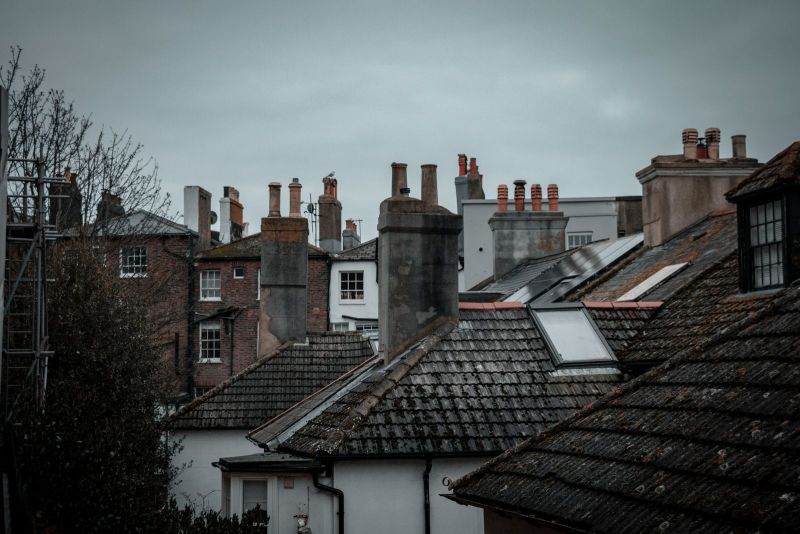
The bigger structural issue across Havant's postwar housing is nail sickness. This is where the iron nails holding the tiles or slates rust through and snap, so tiles start sliding off in numbers even though the tiles themselves are sound. It's an age problem, and it arrives in batches - which is exactly what you'd expect on estates like Leigh Park and Bedhampton where thousands of roofs were nailed up in the same few years with the same materials. Once nail sickness sets in, patch repairs stop being economic and a full re-roof becomes the sensible call.
If you're not sure which camp your roof is in - a genuine one-off repair or the early signs of wholesale failure - it's worth having it looked at properly before you spend, and the team at Roof Repairs Portsmouth covers Havant, Leigh Park, Bedhampton, and Emsworth for exactly that kind of honest assessment.
Why the Coast Wears Havant Roofs Faster
Havant doesn't feel as exposed as Portsea Island, but it pays a coastal tax all the same. It's wedged between two harbours, and salt-laden air off Langstone and Chichester Harbours reaches well inland, especially through Emsworth, Langstone, and the southern edge of the town.
Salt and metal fixings
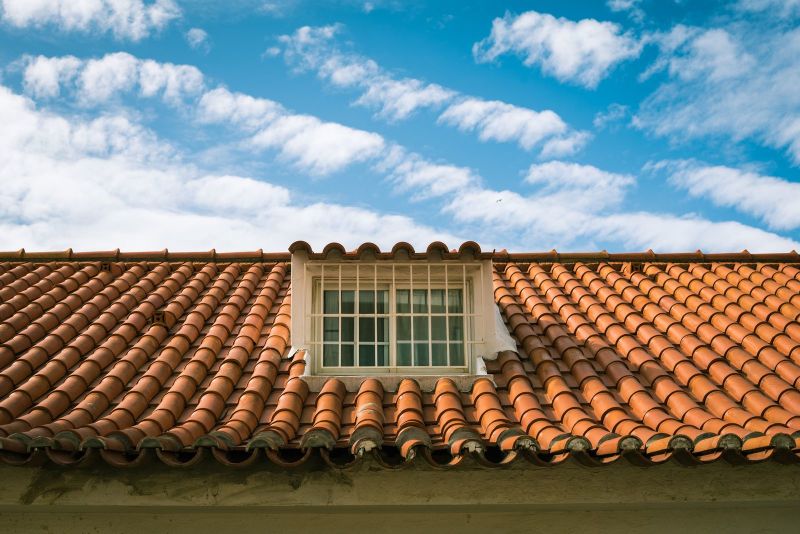
Salt is quietly corrosive to everything metal on a roof. Nails, ridge screws, valley metal, and flashings around chimneys and abutments all corrode faster in salty air, so the nail sickness that might take 60 years to bite inland can arrive a decade sooner near the harbours. Lead and code-4 flashings hold up better than cheaper alternatives, which is one reason a proper repair costs more than a mastic bodge that fails in two winters.
Wind and driven rain
The Solent and the harbour mouths funnel wind, and Havant sees regular winter gusts of 45 to 55mph. Wind lifts loose tiles and drives rain horizontally into laps and joints that would stay dry in a sheltered town. The area gets roughly 750mm to 800mm of rain a year, and the Met Office's records for the south coast climate and its wetter, windier winters show just how much of it lands in the October-to-March window when roofs are already under most strain. Wind-driven rain is why Havant roofs leak at spots that look perfectly sound in dry weather.
Havant's Older Village Core Is a Different Job
Not all of Havant is postwar. The old town core around St Faith's church and the streets off West Street hold Georgian and Victorian buildings, some with natural slate or handmade clay tiles and, in a few cases, listed status. These roofs fail differently and cost more to put right.
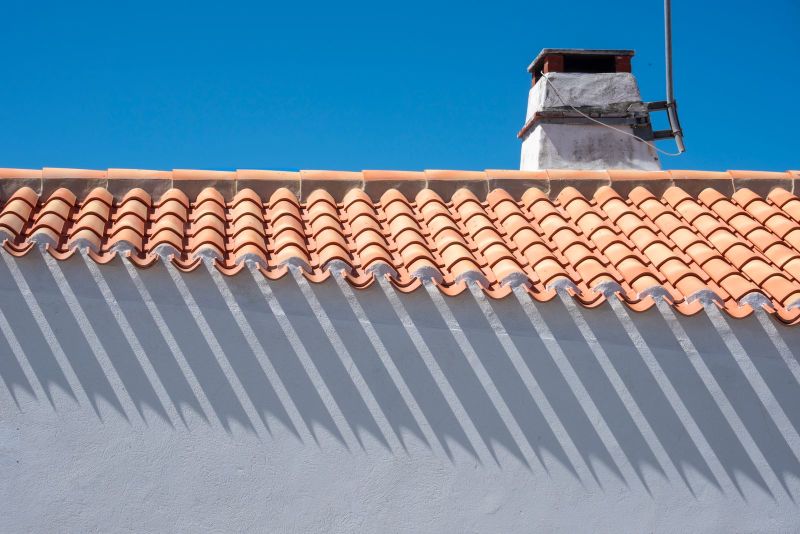
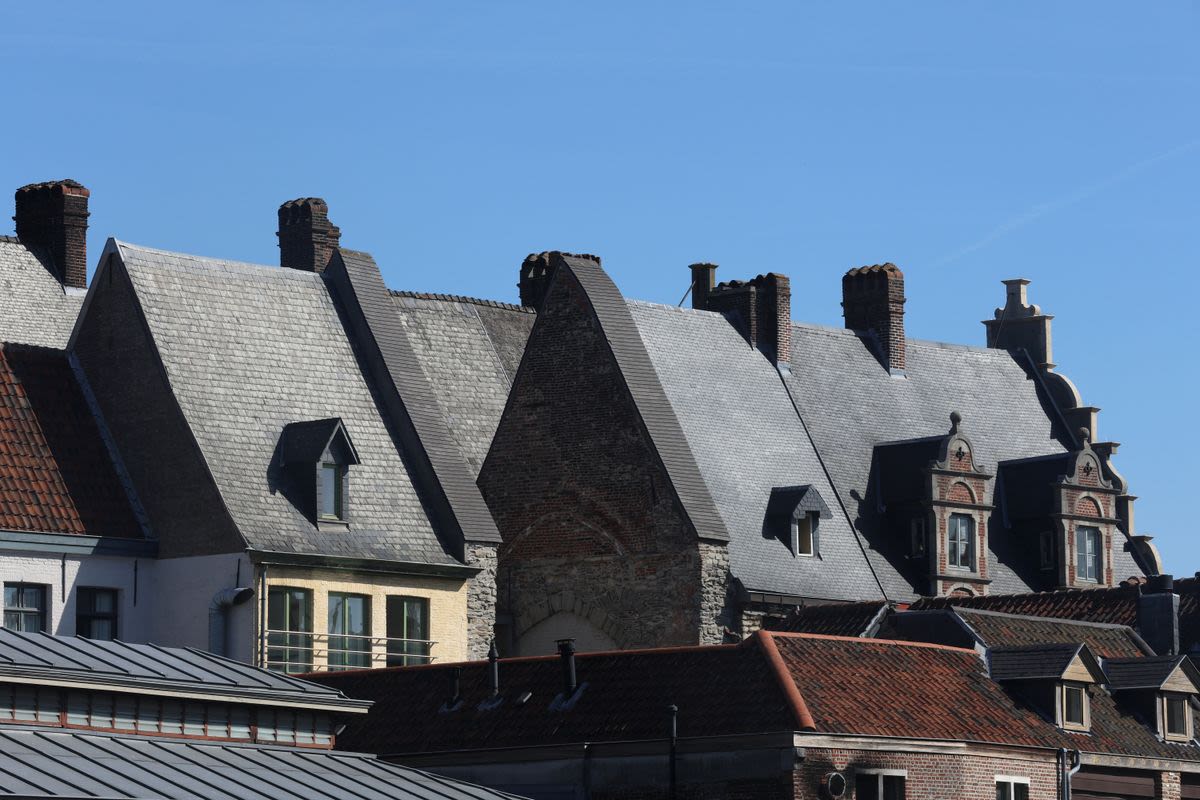
Natural slate roofs suffer their own version of nail sickness plus delamination, where the slate itself starts to flake and soften after 80 to 100 years. Matching reclaimed slate to an existing roof runs £1.50 to £4 a slate before labour, and lime-based bedding and traditional detailing take longer than modern equivalents. On a listed property or one in a conservation area, you may also need listed building consent for repairs that change the appearance, so the paperwork adds time even to a modest job. Getting the right materials matters here - the wrong tile or a cement mortar where lime was used can trap moisture and do more harm than the original fault.
What Roof Repairs Cost in Havant
Honest ranges help more than a single headline number, because roof repair prices swing enormously with access and scale. Here's where things typically land in Havant in 2026:
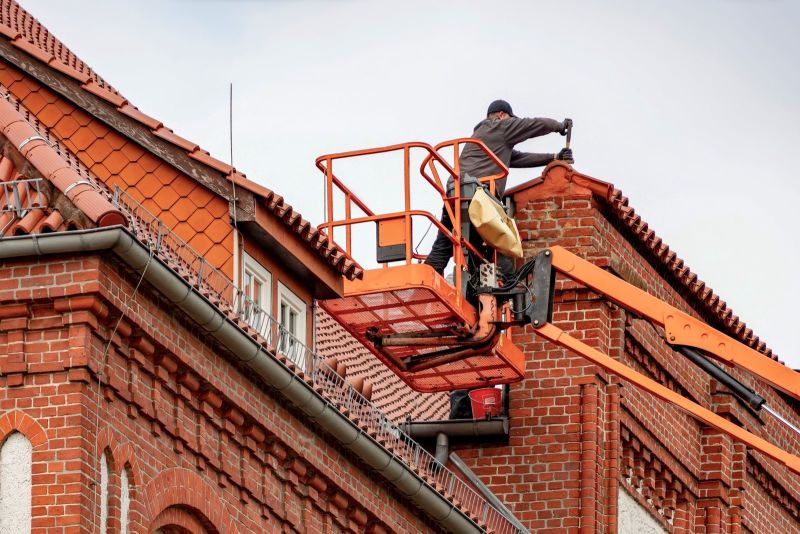
- Replacing a few slipped or cracked tiles: £150 to £400 for a quick call-out, more if scaffolding or a tower is needed for a high or steep roof.
- Re-bedding or re-pointing a ridge line: £600 to £1,500 depending on length, and worth doing properly because a loose ridge is a wind-uplift risk.
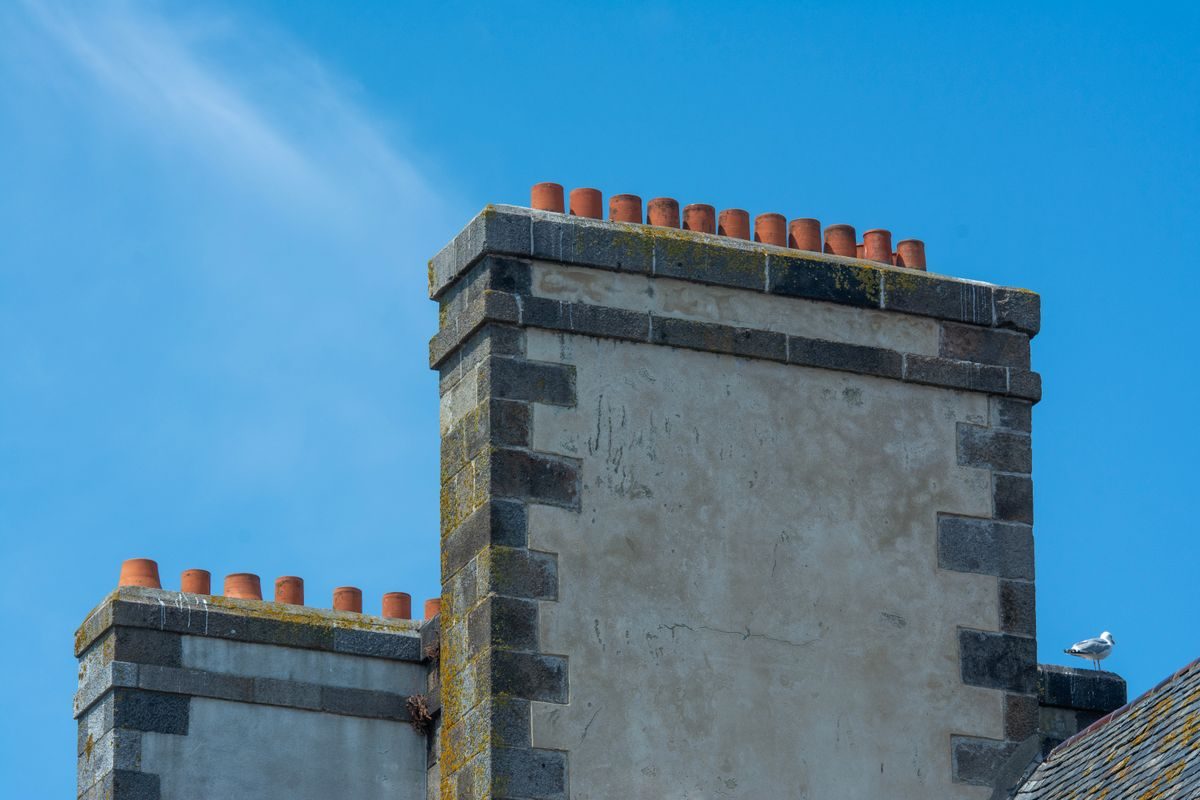
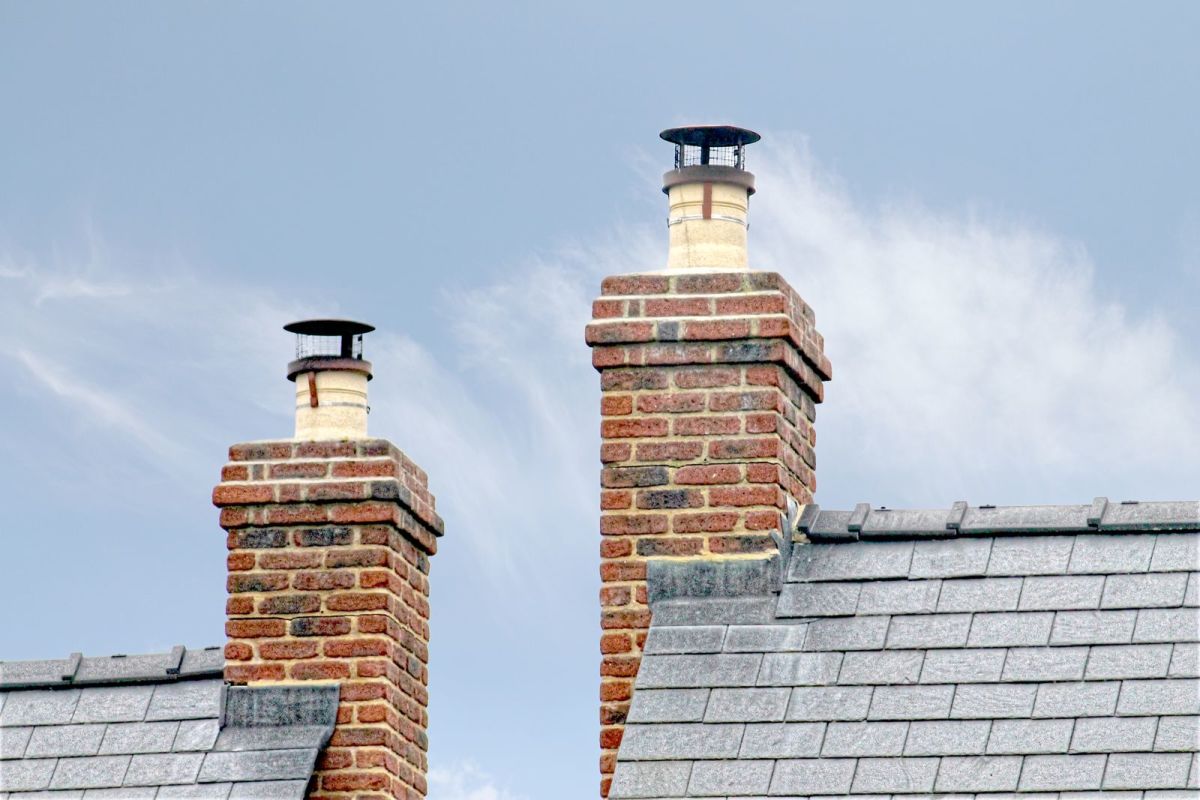
- Chimney flashing renewal: £300 to £800 in lead; chimney leaks are one of the top three causes of damp in Havant's older houses.
- Valley replacement: £500 to £1,200 per valley, a common failure point on the interlocking-tile roofs across the postwar estates.
- Full re-roof of a typical Havant semi: £5,500 to £9,000 for concrete interlocking tiles including new felt and battens, and £9,000 to £14,000-plus for natural slate or a larger, more complex roof.
A useful rule of thumb: once you're spending more than about 30 percent of a re-roof cost on repeated patch repairs within a couple of years, you're throwing good money after bad and a full re-roof is the better value. That threshold comes round quickly on a nail-sick roof.
Flat roofs on extensions and garages
A lot of Havant's postwar homes have flat-roofed rear extensions, garages, and porches, and these fail sooner than the main pitched roof - old felt typically gives 10 to 15 years against 25 to 30 for modern EPDM or GRP. We break the options and lifespans down in our guide to flat roof replacement costs comparing EPDM, GRP, and felt, which is worth a read if the leak is over a Havant extension rather than the main house.
Spotting Trouble Before It Costs You
Most expensive roof jobs in Havant started as cheap ones that were ignored. You don't need to climb up to catch the warning signs. From the ground or an upstairs window, look for tiles that have slipped out of line, a ridge that's no longer straight, green streaks or plant growth suggesting trapped moisture, and daylight or water stains in the loft after heavy rain.

Bits of tile or mortar in the gutters or on the ground after a storm are a classic early sign of nail sickness starting - the fixings are letting go one at a time. Damp patches on upstairs ceilings, particularly near a chimney breast or where a flat-roof extension meets the main wall, usually point to failed flashing rather than the tiles. Catching any of these in autumn, before the wet season, routinely turns a £2,000 problem into a £250 one. A roof check every couple of years, and always after a major storm, is the cheapest insurance a Havant homeowner can buy.
Finding a Reliable Roofer in Havant
There's no shortage of roofers across south-east Hampshire, but the trade also attracts storm-chasers who knock on doors after a gale, do a quick patch, and disappear. On a roof that's genuinely nail-sick, a cheap patch is worse than nothing because it hides the real problem for another year while the timbers get wetter.

Check credentials properly. Look for a firm in the National Federation of Roofing Contractors' verified member directory or registered with the government-backed TrustMark scheme for finding a vetted tradesperson, both of which give you vetted workmanship and a route to recourse if a job goes wrong. Get the diagnosis and the quote in writing, ask for photos of what they actually found up there, and be wary of anyone who won't put a name to the flashing spec or the tile match. Two or three itemised quotes will tell you far more than one cheap verbal figure, and on the coast the cheapest job is rarely the one that lasts.
---
FAQ
Q: How much do roof repairs cost in Havant?
A: Small jobs like replacing a few slipped or cracked tiles typically cost £150 to £400, re-bedding a ridge line £600 to £1,500, and renewing lead chimney flashing £300 to £800. Valley replacement runs £500 to £1,200 per valley. A full re-roof of a typical Havant semi is £5,500 to £9,000 in concrete interlocking tiles, rising to £9,000 to £14,000-plus for natural slate. Once repeated patch repairs pass about 30 percent of a re-roof cost within a couple of years, a full re-roof is better value.
Q: What is nail sickness and why is it common in Havant?
A: Nail sickness is when the iron nails holding tiles or slates rust through and snap, so tiles start slipping off even though the tiles themselves are still sound. It's an age issue that arrives in batches, which is why it's so common across Havant's postwar estates like Leigh Park and Bedhampton, where tens of thousands of roofs were nailed up in the same few years in the late 1940s and 1950s and are now over 70 years old. Salt air near the harbours brings it on a decade sooner than inland.
Q: Why do roofs wear out faster in Havant than inland?
A: Havant sits between Langstone and Chichester Harbours, so salt-laden coastal air corrodes nails, screws, valley metal, and flashings faster than inland - speeding up nail sickness. The Solent and harbour mouths funnel wind, with regular winter gusts of 45 to 55mph lifting loose tiles and driving the area's 750mm to 800mm of annual rain horizontally into joints that would stay dry in a sheltered town. Coastal roofs simply take more punishment through the October-to-March wet season.
Q: How do I know if I need a repair or a full re-roof in Havant?
A: A one-off fault - a few slipped tiles, a single failed flashing - is a repair. Widespread tiles slipping across the whole roof, bits of tile and mortar regularly appearing in the gutters, and repeated leaks in different spots usually mean nail sickness, where the fixings are failing en masse and patching only buys a few months. A good roofer will show you photos of the fixings. As a rule, once patch repairs cost more than about 30 percent of a re-roof within two years, re-roofing is the sensible call.
---
Ready to work with Roof Repairs Portsmouth?
Let's connect! We’re here to help.
Send us a message and we’ll be in touch.
Or give us a call today at 023 9355 3469
Agency Contact Form
More Marketing Tips, Tricks & Tools