Selling a House With Roof Problems in Portsmouth: Fix It, Price It In or Disclose It?
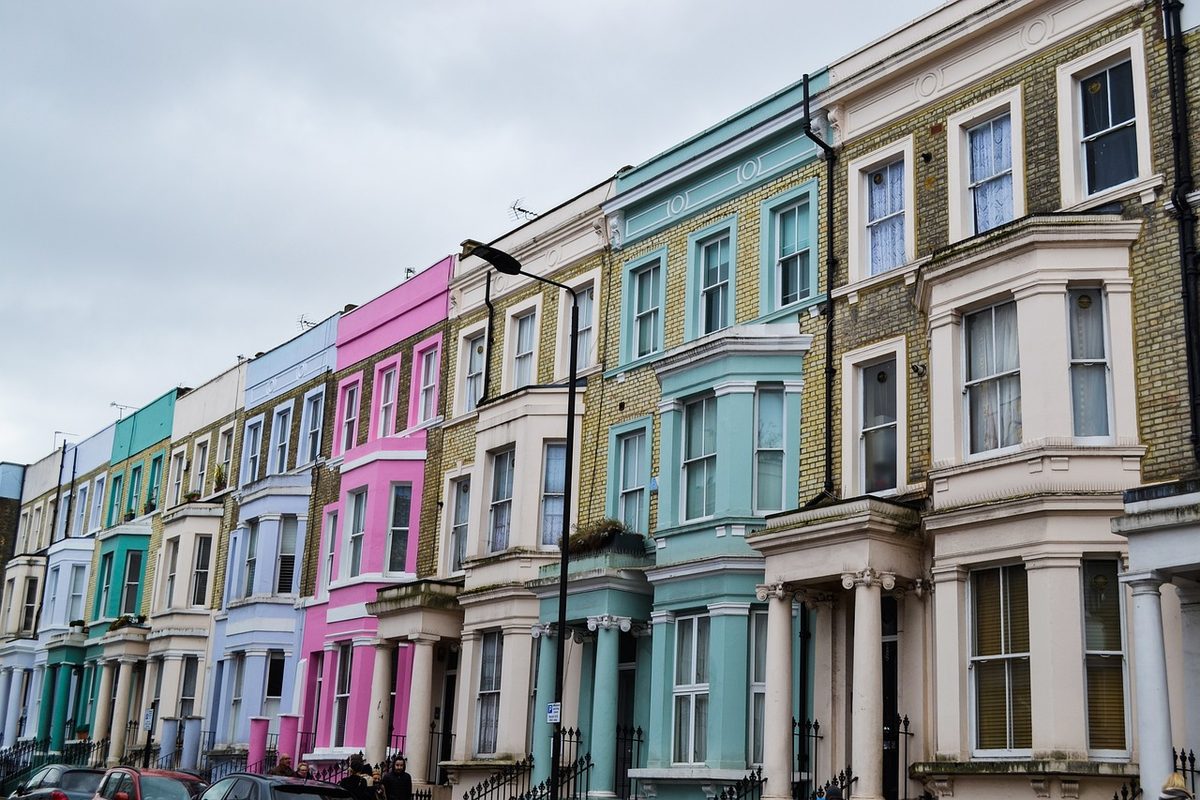
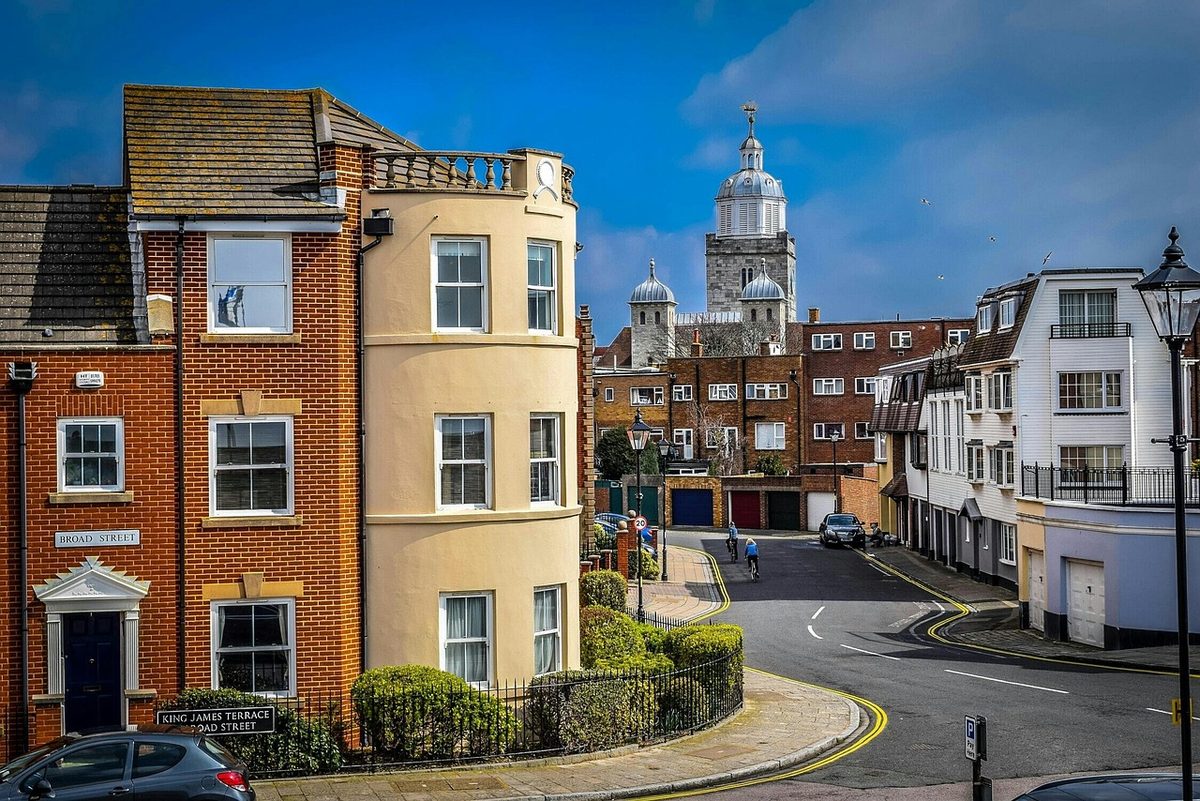
Selling a house with roof problems in Portsmouth is common, because most of the city's homes are old enough to have one. Portsea Island is one of the most densely built-up places in the UK, and a large share of its housing is Victorian and Edwardian terraces, many now 110-140 years old and still on their original slate. Add the sea. Portsmouth only gets around 700-750mm of rain a year, well under the UK average of roughly 1,160mm, but it comes sideways on south-westerly gales from October to March, carrying salt that eats lead, mortar and nails faster than inland. So when a buyer's surveyor goes up a ladder in Southsea, Fratton or North End, there's a good chance something gets written down. On a typical £270,000 terrace, a £5,000 roof fault can knock £10,000 or more off an offer if it's handled badly. Here's how to decide whether to fix it, price it in or simply tell buyers up front.
Selling a House With Roof Problems in Portsmouth: Your Three Options
Every seller with a dodgy roof ends up doing one of three things. You fix it before you list (or before exchange), you knock the cost off the price, or you disclose the problem and let the buyer handle it, usually with a retention or reduced offer attached. None of them is wrong. The right one depends on how big the fault is, how fast you need to move and what kind of buyer you're likely to attract.
As a rough guide, minor faults under about £1,500 (a handful of slipped slates, a cracked ridge tile, a bit of loose flashing) are almost always worth fixing first. They cost little, and an unfixed one gives a buyer's surveyor something to write up as "further investigation required", which spooks people out of all proportion. Bigger jobs, say £5,000-£15,000 for a rear flat roof plus chimney work, are where the maths gets interesting.
If you're not sure what you've actually got up there, Roof Repairs Portsmouth can inspect the roof and give you a written, dated report before you put the house on the market. The government's step-by-step guide on how to sell a home also suggests sorting repairs and paperwork before you list, which is good advice whatever the roof looks like.
What Buyers' Surveyors Flag on Portsmouth Terraces and Coastal Homes
Surveyors here see the same handful of faults over and over. On a RICS Level 2 or Level 3 survey, roof defects tend to land as condition rating 2 (needs repair, not urgent) or condition rating 3 (serious or urgent), and a 3 is the one that makes buyers ring their solicitor.
Slipped slates and nail fatigue
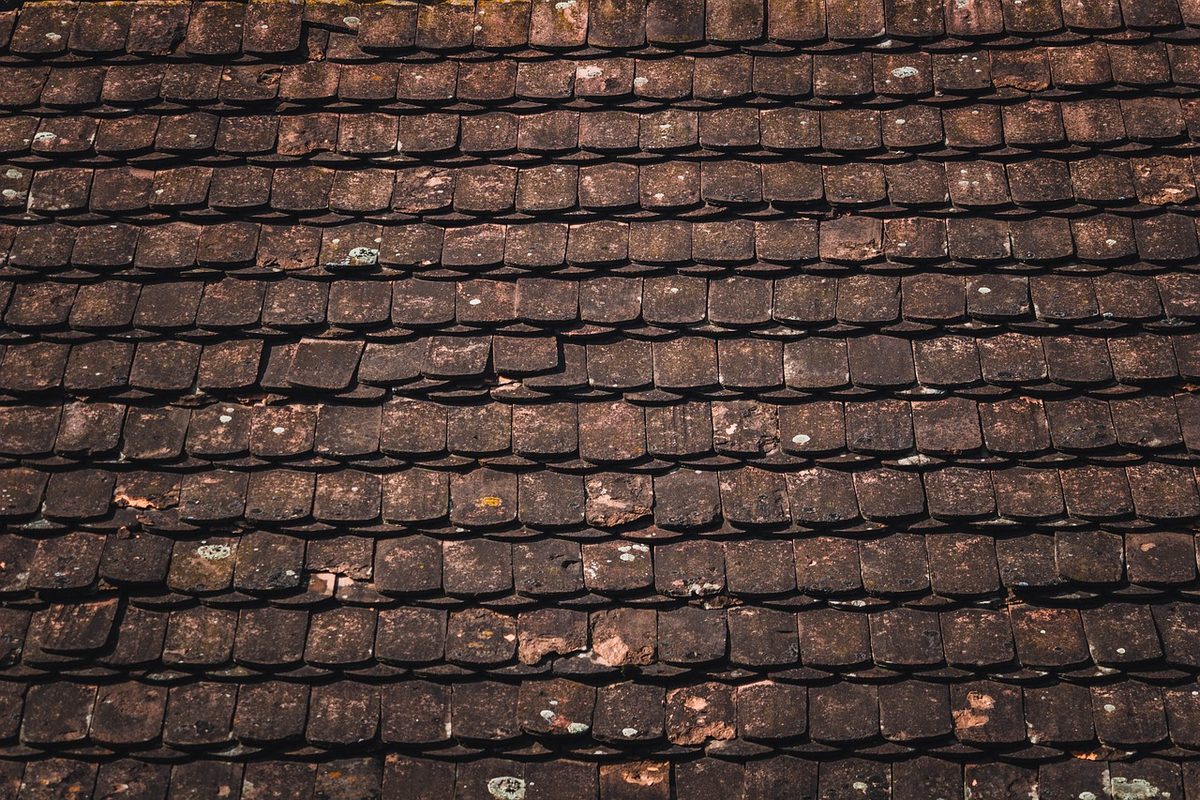
Most Victorian slate in Portsmouth was fixed with iron nails. After a century of salty air, they rust through and the slates start sliding out of line, a problem roofers call nail fatigue or nail sickness. A surveyor will spot 4 or 5 slipped slates from the pavement with binoculars. They'll also often write that the roof is "nearing the end of its life", which is true of plenty of 120-year-old slate roofs, and can turn a £400 repair into a buyer asking for £12,000 off.
Perished lead and salt-worn flashings
Lead around chimneys, at abutments and in valleys lasts well, but salt spray and 100-plus years of expansion and contraction leave it split and thin. Old cement fillets in place of lead are another regular note. Within a mile or so of the seafront in Southsea or Eastney, expect flashings to be one of the first things mentioned.
Chimney stacks
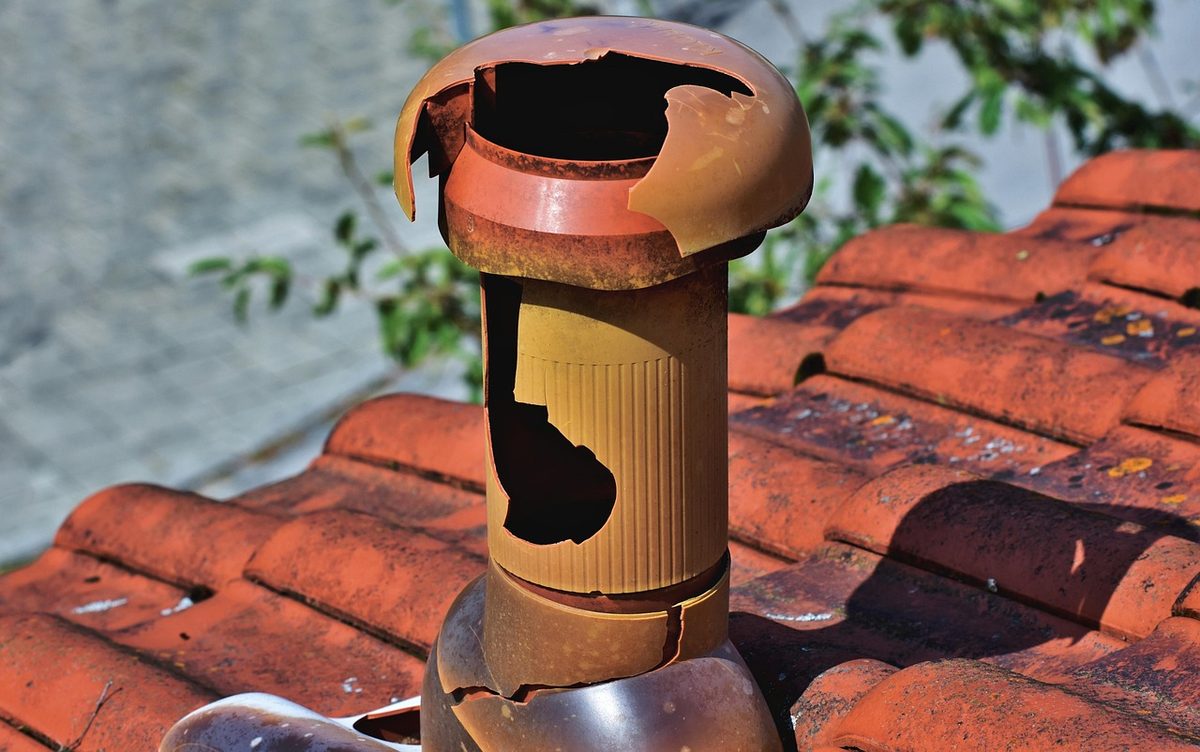
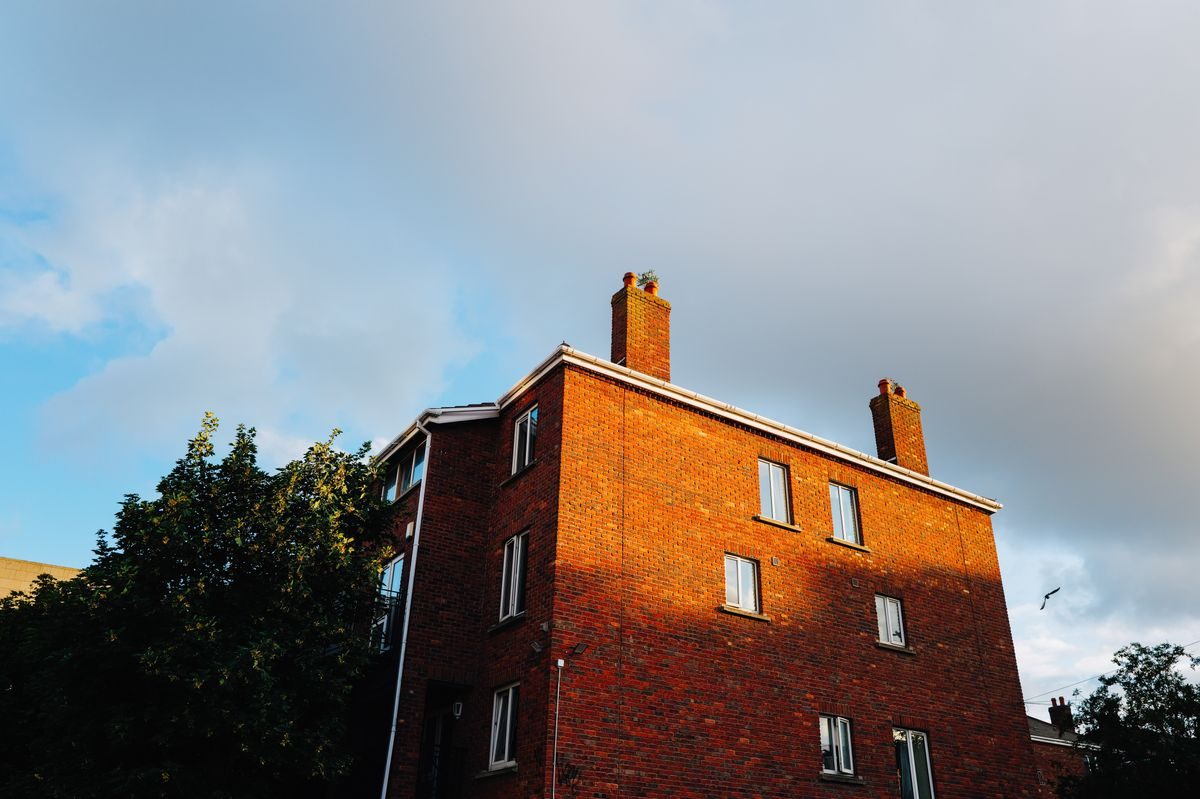
Portsmouth terraces often have shared stacks on the party wall line, with 6-10 pots between two houses. Surveyors flag eroded pointing, cracked flaunching (the mortar cap round the pots), leaning stacks and missing cowls. A stack repair on scaffold usually runs £800-£2,500.
Flat-roof rear extensions
Almost every terrace in Fratton and North End has a back addition, and many have a later kitchen or bathroom extension with a felt flat roof. Felt typically gives 10-20 years here, and plenty were put on in the 1990s. Ponding, blisters and soft decking are standard survey findings.
We've covered the buyer's side of all this in more detail in our guide to roof surveys when buying a house in Portsmouth and what gets flagged. It's worth reading as a seller too, because it shows you exactly what the other side will be looking at.
The TA6 Form: What You Have to Tell a Buyer
In England, the old rule of "buyer beware" still applies to the physical condition of a house. You don't have a general legal duty to list every defect. But that's where the comfort ends, because your conveyancer will hand you the Law Society's TA6 Property Information Form, and whatever you write on it has to be true.
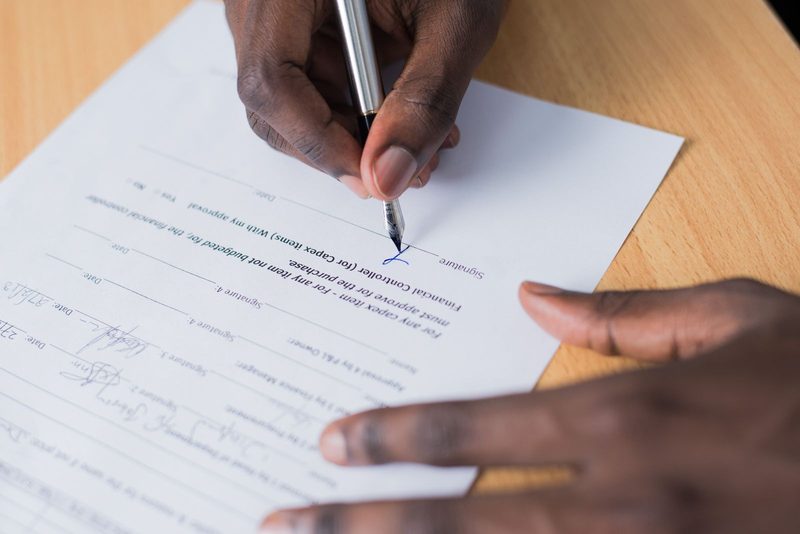
TA6 asks about building works, guarantees and warranties, disputes with neighbours, flooding and more. If you answer "not known" when you do know, or give a half-answer that hides the real picture, you're in risky territory. A buyer who relied on a false or misleading answer can bring a claim under the Misrepresentation Act 1967, which can mean paying damages after completion or, in serious cases, the sale being undone. Painting over a ceiling stain in the back bedroom and saying nothing has gone badly for sellers before.
Estate agents have their own duty. Under consumer protection rules they must give buyers the material information about a property, and National Trading Standards publishes guidance on material information in property listings. If you tell your agent the roof leaks, expect it to come up. That's fine. A known fault, honestly described with a quote attached, sells far better than one a buyer finds three weeks before exchange.
Getting Your Own Pre-Sale Roof Report
A pre-sale roof inspection in Portsmouth usually costs £150-£350, depending on access and whether a drone or pole camera is needed to see the back slopes. What you want back is photos of every slope, a plain list of faults, a dated, itemised quote for each, and a note on what's urgent and what isn't.

Be clear-eyed about one thing. Once you've had a report, you can't honestly answer "not known" to anything it found. In our experience that's no bad thing, because it pushes sellers towards either fixing the faults or disclosing them properly, which are the two routes that keep sales together. A buyer who sees "seller's roof report, 4 slipped slates and a tired felt extension roof, quote £3,200" has a known number to work with. A buyer whose surveyor writes "roof covering at end of life, obtain specialist quotes" has a scary unknown, and that's when offers drop.
Fix, Price Cut or Retention: The 2026 Maths
Take a typical example. A three-bed Southsea terrace on the market at £300,000. The survey finds nail-fatigued slates on the front slope, a failing felt roof on the kitchen extension, and split lead round the chimney. A local quote in 2026 might look like this:

- Scaffold to front and rear, including a pavement licence: £1,100-£1,600
- Strip and refix front-slope slates with new copper nails and replacements where broken: £1,800-£2,600
- New EPDM or GRP roof on a 12m² kitchen extension: £1,600-£2,400
- New lead flashings and repointing to the stack: £900-£1,400
Call it £6,500 in the middle. Here's how the three routes compare.
1. Fix it first. You spend about £6,500, lose 2-6 weeks, and hand over a guarantee. Your asking price stays intact and the survey comes back cleaner. 2. Price it in. Buyers rarely knock off just the quote. They add a margin for hassle and risk, so a request for £9,000-£13,000 off is common, and that's assuming they don't get cold feet and walk away entirely. 3. Disclose and accept a retention. If the buyer has a mortgage, the lender may hold back part of the loan until the work is done (more on that below). Some buyers can manage this. First-time buyers stretched to the limit often can't.
As a rule of thumb, if the work comes to less than about 3% of the sale price and you have time, fixing it usually leaves you better off. If it's a full re-roof (£12,000-£20,000 on a Portsmouth terrace) and you need a quick sale, pricing it in with a written quote can make more sense, especially if you're aiming at investors or builders.
How Mortgage Lenders React to Significant Roof Defects
This is where roof problems hurt sellers most, and it isn't really the buyer's decision. The lender sends its own valuer, separate from any survey the buyer orders. If the valuer reports a significant roof defect, the lender has a few options.
It can make a retention, holding back a sum (often the cost of the work or a bit more) until a roofer confirms the job is done. It can down-value the property, which leaves your buyer with a gap to fund. Or it can decline to lend on the property until the repair is done, which effectively limits you to cash buyers. Down-valuations of £5,000-£15,000 on older Portsmouth terraces with obvious roof issues aren't unusual.
Fixing before the valuer visits avoids most of this. If you can't, have your quote ready to send through your agent the moment the valuation lands. A valuer who can see a dated, itemised price from a local roofer is less likely to guess high.
Shared Roofs and Scaffold on Narrow Terraced Streets
Here's the part generic selling guides skip. On a Portsmouth terrace, your roof isn't really just yours. The slate runs continuously across 6, 10 or 20 houses, stacks are shared on the party wall line, and a fault right at the boundary can belong to you, your neighbour or both. If the survey flags a slipped slate or a leaking stack at the party line, find out whose side it's actually on before you agree a price reduction. Some work on a party wall or shared stack also needs notice under the Party Wall etc. Act 1996, which can add a few weeks.
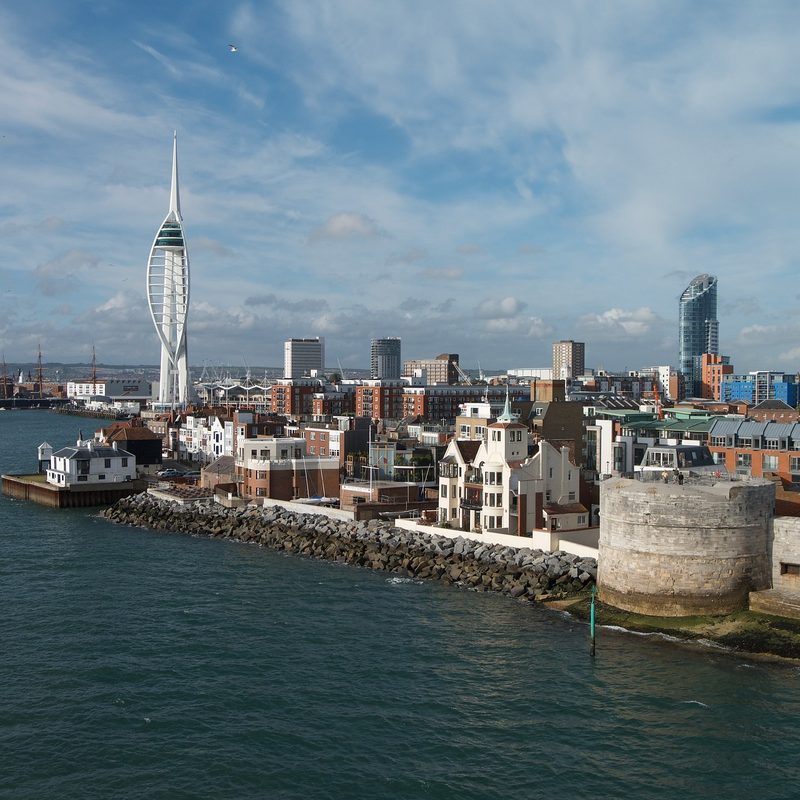
Scaffold is the other headache. Many streets in Fratton, Southsea and North End have narrow pavements and solid rows of parked cars, so a front scaffold often needs a licence from Portsmouth City Council, and sometimes a parking bay suspension. Allow 1-2 weeks for that before anyone can start. Rear access is often worse. Back additions sit off narrow alleys or are boxed in by neighbours' extensions, so materials and scaffold tubes sometimes come through the house. We've carried more than one roll of EPDM down a Southsea hallway. It works, but it's another reason to plan roof work before the house is full of viewers.
Guarantees, Insurance and Timing
When you fix before selling, ask for the guarantee in writing and check it can pass to the next owner. Insurance-backed guarantees usually transfer automatically. Some workmanship guarantees need the roofer's agreement or a small admin step, so ask before you sign. Put the paperwork in your sale pack, because TA6 asks about guarantees and your buyer's solicitor will want copies.

On insurance, your buildings cover normally needs to stay in place until completion, and most lenders want the buyer insured from exchange. If storm damage hits the roof between exchange and completion, your conveyancer will look at the contract terms to see who bears that risk, so keep your policy active and don't let it lapse once you've exchanged.
Timing matters more on the coast than you'd think. From October to March, Portsmouth roofers are busy with storm call-outs, and booking a non-urgent repair can mean waiting 3-6 weeks. If you're planning a spring sale, get the roof looked at in late summer or early autumn, when there's more availability and better weather for felt, lead and mortar work. Most of our pre-sale jobs on terraces take 2-5 days on site once scaffold is up.
Frequently Asked Questions About Selling a House With Roof Problems in Portsmouth
Do I have to tell a buyer about roof problems when selling in Portsmouth?
There's no general duty to list every defect, but every answer on the TA6 Property Information Form must be honest and complete. If you know about a leak or fault and give a false or misleading answer, the buyer could bring a misrepresentation claim after completion. Your estate agent must also pass on material information they know about.
Is it better to fix the roof or reduce the price?
For smaller jobs, usually under about 3% of the sale price, fixing first tends to work out cheaper, because buyers often ask for 1.5-2 times the quoted cost off. For large jobs like a full re-roof, or if you need a quick sale, pricing it in with a written quote can make more sense.
Will a mortgage lender refuse a house with a bad roof?
Not usually outright, but a valuer who finds a significant roof defect can lead the lender to hold back a retention, down-value the property or delay the mortgage offer until repairs are done. A cash buyer isn't affected by this, which is why badly damaged roofs often end up sold to investors.
How much does a pre-sale roof report cost in Portsmouth?
Usually £150-£350, depending on access and whether a drone or pole camera is needed. You should get photos, a list of faults and a dated, itemised quote you can show buyers and their surveyors.
Want to learn more about selling a house with roof problems in Portsmouth? Click here to contact us.
Ready to work with Roof Repairs Portsmouth?
Let's connect! We’re here to help.
Send us a message and we’ll be in touch.
Or give us a call today at 023 9355 3469
Agency Contact Form
More Marketing Tips, Tricks & Tools