Guttering Replacement Costs in Portsmouth: Coastal Wear and 2026 Prices
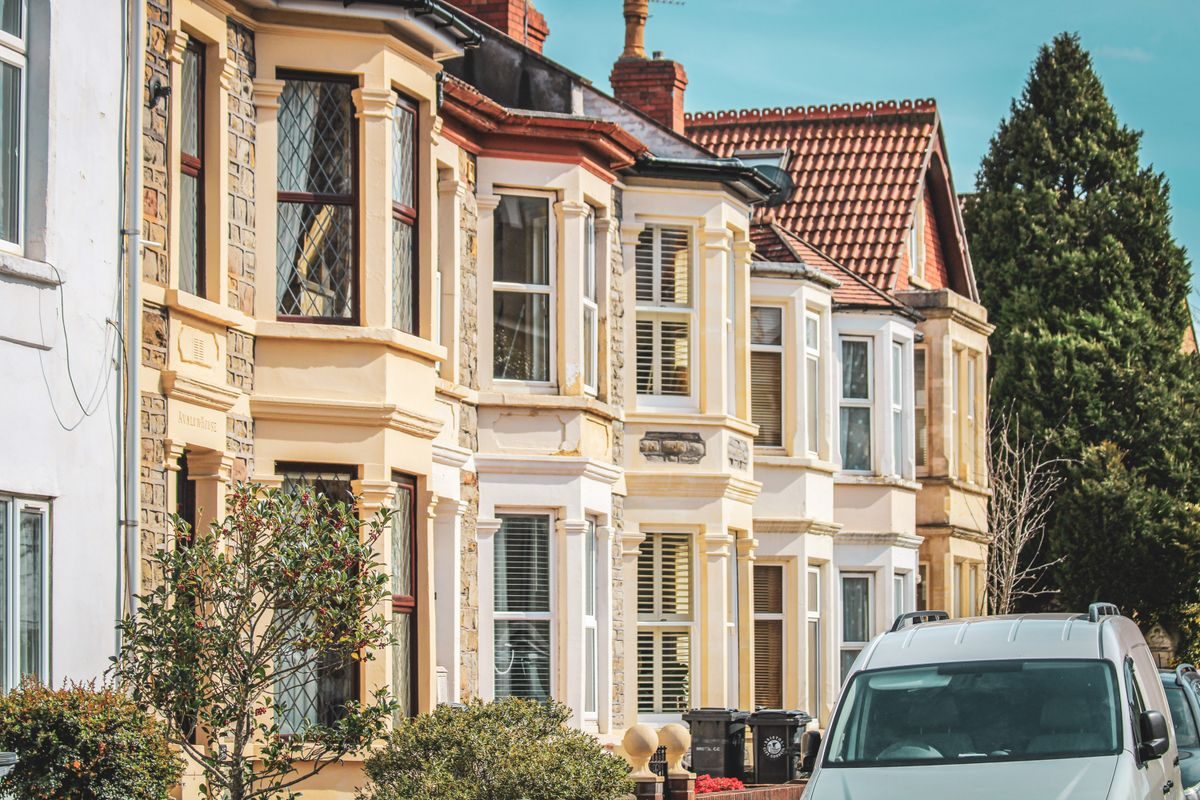
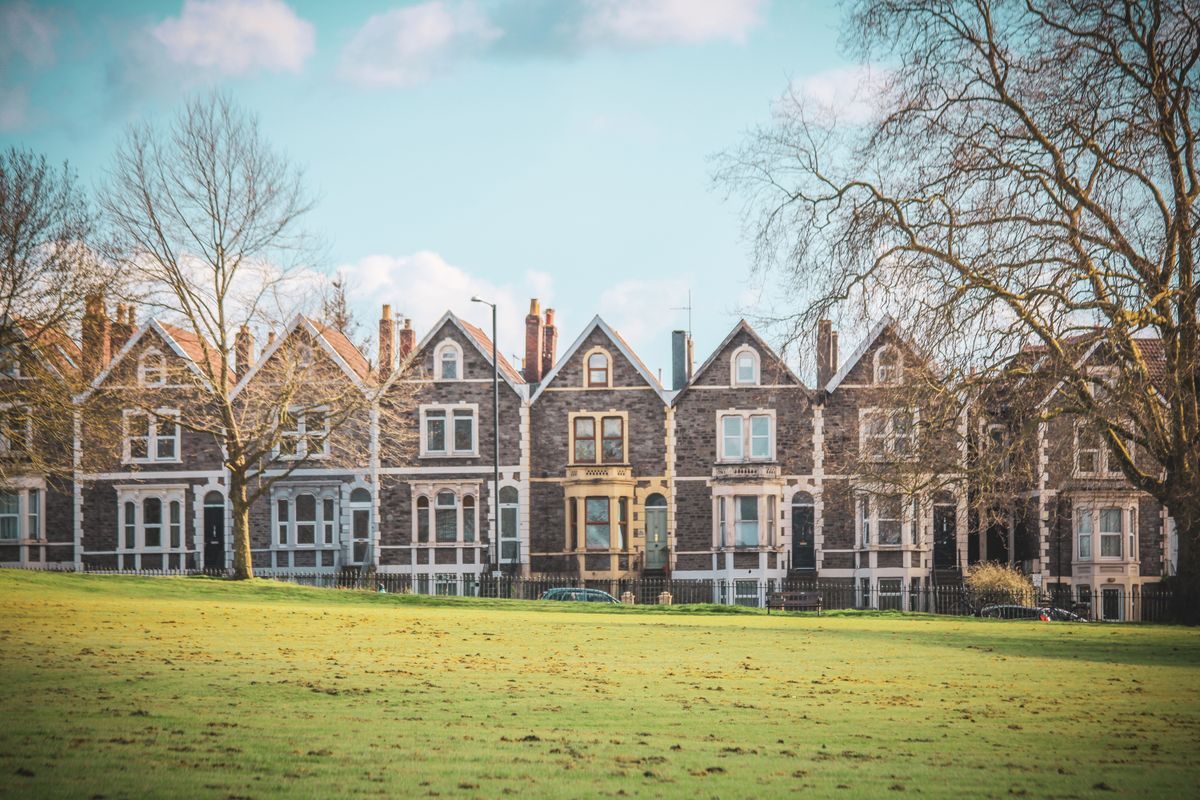
Guttering is the part of the roof nobody thinks about until water is running down the front of the house. On Portsea Island that moment comes sooner than most people expect, because the same salt air and 50mph-plus Solent gales that age Portsmouth roofs also chew through gutters, brackets, and fixings years ahead of the inland average. The city's housing is around 70% Victorian and Edwardian terrace, and a huge share of those homes still run old cast-iron or first-generation plastic guttering that was never built for the coast. A full guttering replacement on a typical Portsmouth terrace runs roughly £700 to £2,500 in 2026 depending on material and access, and getting it done before a failure spares you the far larger bill for damp walls and rotten fascias. Here's what replacement actually costs, what pushes the price up or down, and the point at which patching up old guttering stops making sense.
What Guttering Replacement Costs in Portsmouth in 2026
For a standard two-storey Portsmouth mid-terrace, a full replacement in uPVC typically lands between £700 and £1,400, fitted. That covers new gutters, downpipes, brackets, and disposal of the old run. Move up to a three-storey Southsea townhouse, or specify aluminium or steel guttering, and you're looking at £1,500 to £2,500 or more, largely because of access and material cost. If your budget or your property calls for it, the team at Roof Repairs Portsmouth can price the job against your actual roofline rather than a rough per-metre guess.
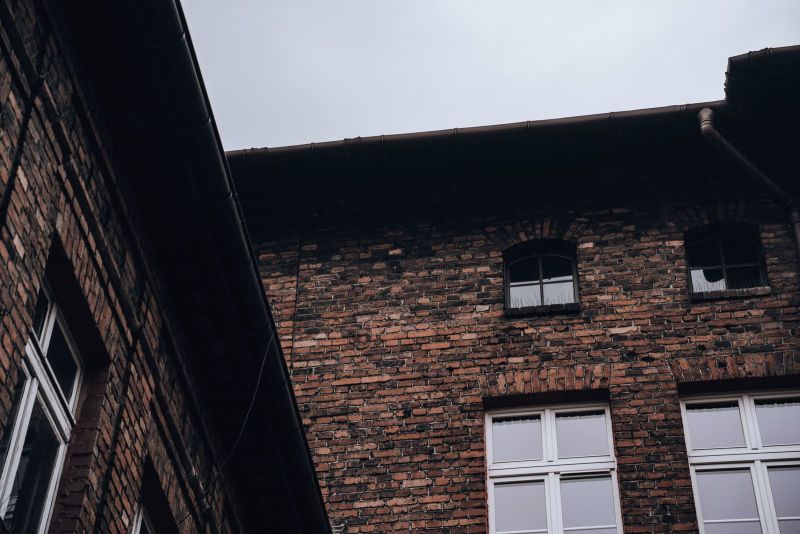
Material is the biggest single lever. uPVC guttering costs around £5 to £10 per metre in materials; powder-coated aluminium runs £15 to £30 per metre; cast iron, the traditional choice for period Portsmouth terraces and sometimes required in conservation areas, can hit £40 to £70 per metre or more once you add fitting.
As a rule of thumb, expect labour to make up 50% to 60% of a straightforward replacement, with the balance in materials and skip hire.
Why Portsmouth Gutters Wear Out Faster
Portsmouth sits on a low, exposed island in the Solent, and that setting is hard on rainwater goods. Airborne salt speeds up corrosion on any metal component - brackets, screws, cast-iron sections - so fixings that might last 30 years inland can fail in 15 to 20 here. According to Met Office climate averages for the south coast, the region gets around 750mm to 800mm of rain a year, much of it in sharp, wind-driven bursts that overwhelm undersized or sagging gutters.
Wind is the other half of the problem. Solent gusts regularly top 50mph in autumn and winter, and that uplift works loose brackets and joints over time, pulling sections out of alignment so water spills at the back rather than draining away. On a dense terrace, one overflowing gutter often means a soaked shared party wall.
Salt-laden rain also carries a fine grit that settles in gutters and traps moisture against the metal or plastic, accelerating pitting and joint failure. It's why coastal guttering needs checking more often than the general once-a-year advice suggests.
Signs Your Guttering Needs Replacing, Not Repairing
A single cracked bracket or one leaking joint is a repair. The trick is spotting when the whole run is past saving, because throwing repairs at a failing system just delays the inevitable and wastes money.
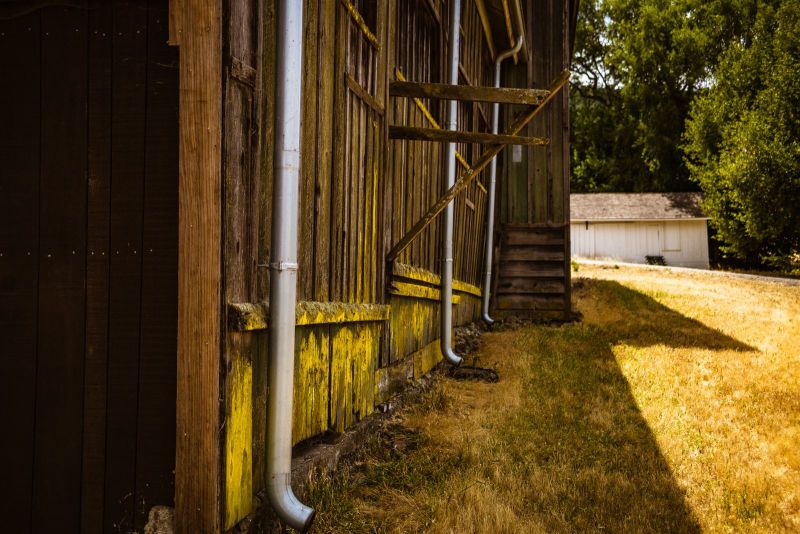
Look for staining or green algae streaks down the wall below the gutter line, which point to persistent overflow. Sagging sections, gaps at the joints, and gutters pulling away from the fascia are all signs the brackets or the gutters themselves have gone. On cast iron, rust that has eaten right through the base, or flaking that leaves the metal thin and brittle, means replacement rather than another coat of paint.
The coastal tipping point
On Portsmouth homes there's a fairly clear tipping point. Once more than roughly a third of the brackets or joints on a run have corroded or failed, piecemeal repair costs start to approach replacement cost without giving you a fresh, guaranteed system. Industry guidance generally puts uPVC guttering's working life at 20 to 25 years and cast iron at 50-plus with maintenance, but knock 20% to 30% off those figures for an exposed coastal position like Portsea Island. If your guttering is at or past that adjusted age and showing multiple failures, replacement is the sensible call.
Choosing the Right Guttering Material for the Coast
Material choice matters more on the coast than almost anywhere, because the wrong pick simply fails sooner. The three common options each suit different Portsmouth properties.
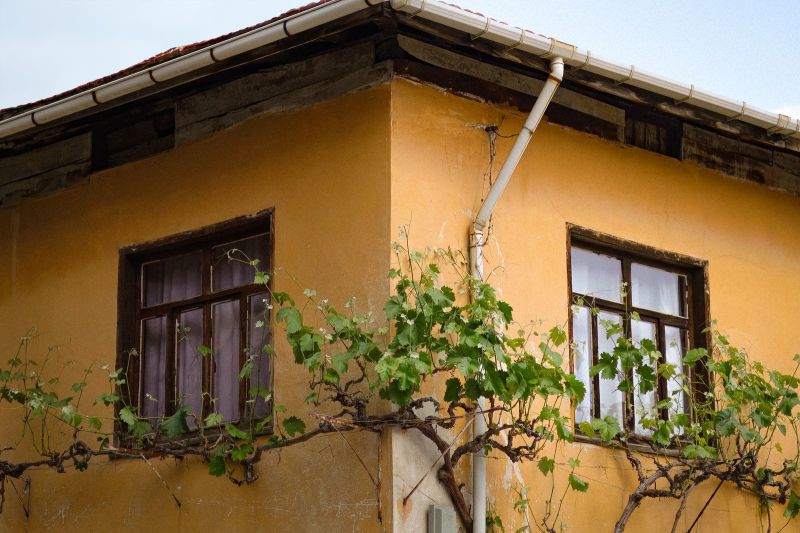
uPVC is the budget-friendly default and copes fine with salt air because it doesn't corrode, though UV and repeated wind flex make it brittle over 20-odd years. Powder-coated aluminium is the sweet spot for many exposed Portsmouth homes: it doesn't rust, the coating shrugs off salt, and it lasts 30 years or more, which often justifies the higher upfront cost. Cast iron looks right on a Victorian or Edwardian terrace and is sometimes required in conservation areas, but it needs regular repainting to hold off coastal rust and carries the highest price.
What conservation areas require
Parts of Portsmouth - Old Portsmouth and pockets of Southsea among them - sit within conservation areas where the council may expect replacement guttering to match the original in material and profile. That can rule out uPVC on a street frontage and push you towards cast iron or cast-aluminium look-alikes. It's worth checking your property's status with the council before ordering materials, since getting it wrong can mean redoing the job. We touched on how coastal exposure shapes these decisions in our guide to gutters, fascias and soffits in Portsmouth, which is a useful companion read if you're planning the whole rainwater system.
What Drives the Price Up or Down
Two Portsmouth houses on the same street can get very different quotes, and it's rarely the roofer being cheeky. Access is the single biggest swing factor.
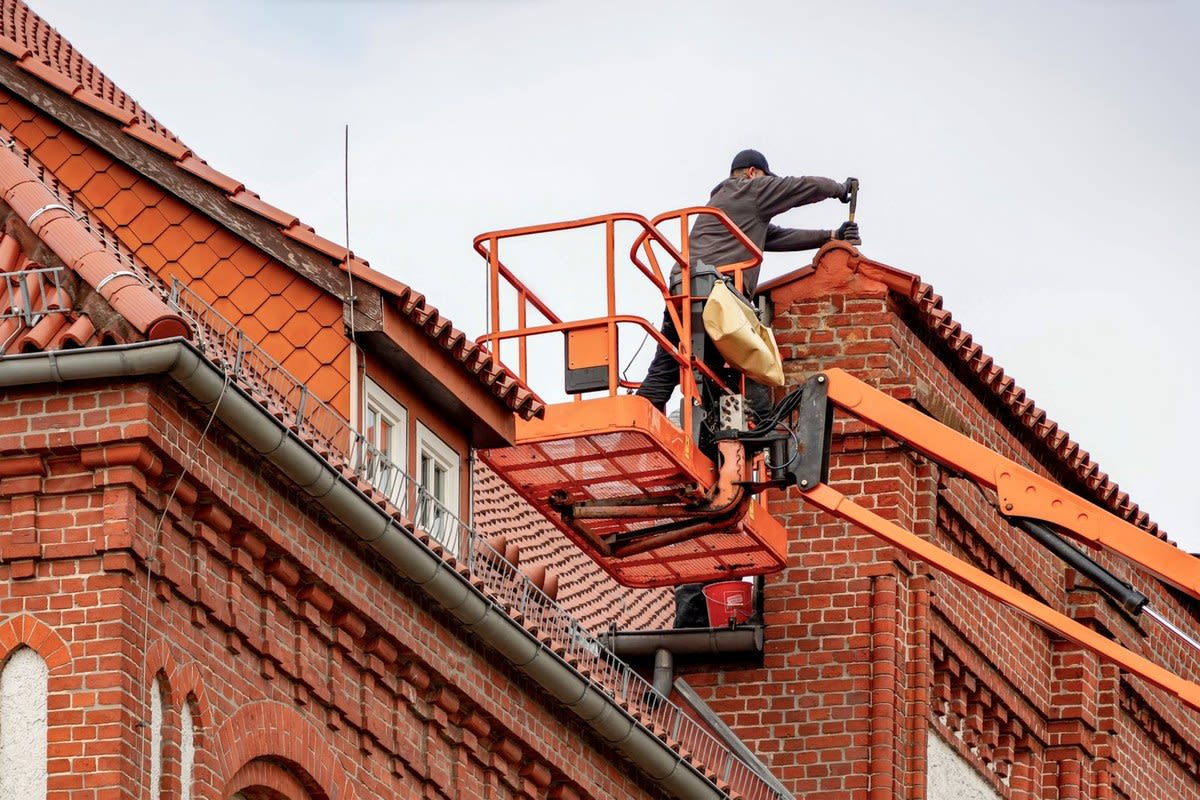
A two-storey terrace where the gutters can be reached from a ladder or a small tower is cheap to work on. A three-storey Southsea townhouse, a property over a conservatory or extension, or anything needing scaffold can add £400 to £1,000 to the job in access alone. The length of the run obviously counts too - more metres, more material and labour - as does whether the fascia boards behind the gutter are sound. If the fascias have rotted (common where old guttering has been overflowing for years), replacing those at the same time adds cost but saves paying twice for access later.
Removing and disposing of old cast iron is another line item people forget. It's heavy, and skip hire plus safe handling can add £150 to £300. On the flip side, doing the whole roofline in one visit rather than section by section usually brings the per-metre rate down.
Getting Quotes and Timing the Job Right
The best time to replace guttering in Portsmouth is late spring or summer, before the autumn gales and winter rain arrive. Trades are also generally less stretched then than during the post-storm rush, when a single big Solent blow can have every roofer in the city booked for weeks.
Get at least two or three written quotes, and make sure each one specifies the material, the number of downpipes, whether fascia repair is included, and whether scaffold or tower access is priced in. A quote that just says "replace guttering - £900" with no breakdown is one to be wary of. Check the roofer is a member of a recognised trade body such as the National Federation of Roofing Contractors, which vets its members for workmanship and gives you a route to recourse if something goes wrong.
A full guttering replacement on a standard terrace is usually a one to two day job. Paying for the right material and proper fixings now, in a location this exposed, is what stops you doing it all again in ten years.
---
FAQ
Q: How much does it cost to replace guttering in Portsmouth?
A: A full uPVC replacement on a standard two-storey Portsmouth terrace typically costs £700 to £1,400 fitted. A three-storey townhouse, or a switch to aluminium or cast iron, pushes that to £1,500 to £2,500 or more. Material and access are the biggest price drivers - uPVC runs £5 to £10 per metre, aluminium £15 to £30, and cast iron £40 to £70 or more.
Q: Why does guttering wear out faster in Portsmouth?
A: Portsea Island's coastal position means salt air corrodes metal fixings and brackets years faster than inland, so parts that might last 30 years elsewhere can fail in 15 to 20 here. Solent gusts regularly topping 50mph work joints and brackets loose, and around 750mm to 800mm of wind-driven rain a year overwhelms sagging or undersized gutters.
Q: When should I replace guttering instead of repairing it?
A: A single cracked joint or bracket is a repair. Replace the whole run once more than about a third of the brackets or joints have failed, when sections sag or pull away from the fascia, or when cast iron has rusted through. In Portsmouth's coastal air, knock 20% to 30% off the usual 20 to 25 year life of uPVC when judging whether it's due.
Q: What is the best guttering material for a coastal home in Portsmouth?
A: Powder-coated aluminium is often the best value on exposed Portsmouth homes because it doesn't rust and lasts 30 years or more. uPVC is cheaper and copes with salt but gets brittle over 20-odd years. Cast iron suits period terraces and may be required in conservation areas, but it costs the most and needs regular repainting to fight coastal rust.
---
Ready to work with Roof Repairs Portsmouth?
Let's connect! We’re here to help.
Send us a message and we’ll be in touch.
Or give us a call today at 023 9355 3469
Agency Contact Form
More Marketing Tips, Tricks & Tools