Conservatory Roof Replacement in Portsmouth: Warm Roofs, Options, and Costs
Most Portsmouth conservatories are used for about four months of the year, and the roof is almost always the reason. An old polycarbonate roof has a U-value of somewhere between 1.5 and 2.5 W/m²K, and even decent glass rarely beats 2.0, while a modern insulated warm roof gets down to 0.15 to 0.18. That's a tenfold difference in heat loss through the same square metre. Add Portsea Island's exposure - 50mph-plus Solent gusts, salt-laden air, and around 750mm to 800mm of largely wind-driven rain a year - and polycarbonate sheets that were sold with a 10 year life often start yellowing, leaking, and rattling by year seven. A warm roof replacement on a typical Portsmouth conservatory runs £5,000 to £12,000 in 2026. Here's what you get for that, and where the money actually goes.
What a Conservatory Roof Replacement Costs in Portsmouth
For a standard 3m x 3m lean-to on the back of a Portsmouth terrace, a solid insulated warm roof typically costs £5,500 to £7,500 fitted, including a plastered internal ceiling. Step up to a 3.5m x 3.5m Victorian or Edwardian-style conservatory with more roof facets and the price moves to £7,000 to £10,000. Larger P-shaped and gable-end structures on Southsea and Cosham semis regularly reach £10,000 to £12,000.
Broken down per square metre of roof area, warm roof systems land at roughly £450 to £700 fitted. A like-for-like polycarbonate replacement is far cheaper at £1,500 to £3,000, and a modern solar-control glass roof sits in between at £3,500 to £7,000. Extras add up quickly: a plastered and painted internal finish is often £800 to £1,500, recessed downlights £300 to £600, and a structural assessment £300 to £600 if the installer needs one. If you want a figure based on what's actually holding your roof up rather than a generic per-metre rate, the team at Roof Repairs Portsmouth can survey the existing frames and base first.
Most jobs take three to seven working days, and a good installer will strip and dry-in the new roof within the first day so you're never left open to the weather overnight.
Why Portsmouth Conservatories Wear Out Faster
Conservatory roofs on the coast get a harder life than the brochures assume. The obvious culprit is wind. Portsea Island is flat and unsheltered, and a conservatory roof is a large, lightweight surface catching uplift from every autumn and winter blow. Repeated flexing works the glazing bars loose, and once the gaskets and capping start lifting, water finds its way in at the ridge and the wall abutment.
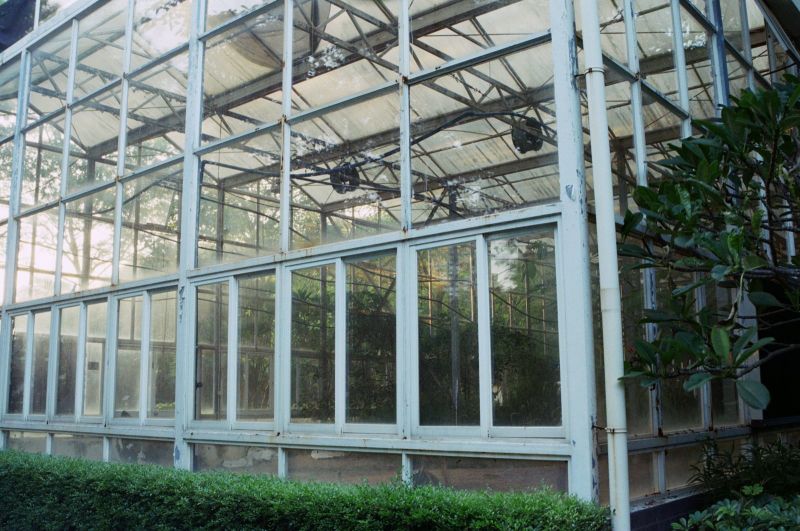
Salt is the quieter problem. Airborne salt attacks aluminium glazing bar fixings, screws, and the seals around the box gutter, so components that might give 25 years inland often fail in 15 to 20 here. It also leaves a fine film on polycarbonate that holds moisture and grit against the surface, accelerating the UV yellowing that turns a clear roof cloudy and brittle.
Then there's the temperature swing. A south-facing Portsmouth conservatory can hit 40°C on a July afternoon and drop to single figures on a January night, and polycarbonate expands and contracts more than almost any other roofing material through that range. That movement is what makes old roofs creak, ping, and eventually leak at the joints.
Warm Roof, Glass, or Polycarbonate: Comparing the Options
There's no universally right answer here - it depends on what you want the room to do and how much light you're prepared to give up.
Solid warm roof
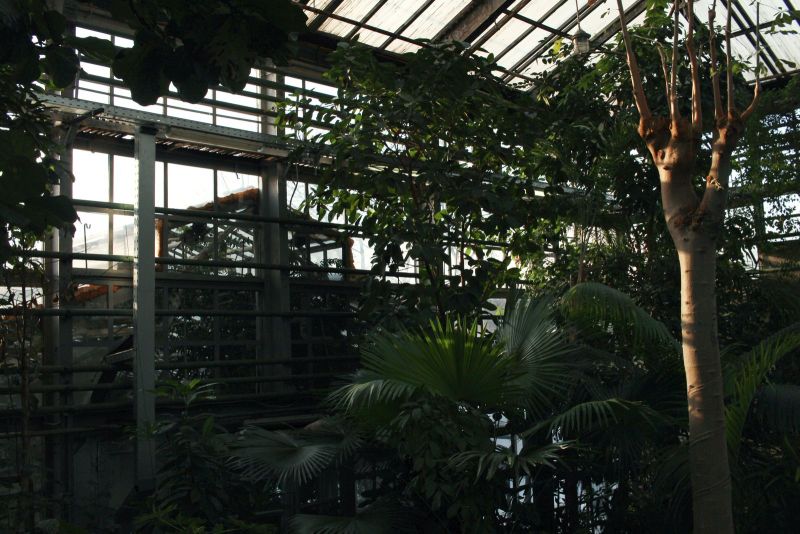
An insulated tiled or lightweight-slate roof with a plastered ceiling underneath. U-values of 0.15 to 0.18 W/m²K mean the room finally works in December and doesn't cook in July. You lose most of the overhead light, though roof windows can be built in for £600 to £1,200 each to claw some back. This is the option most Portsmouth homeowners end up choosing when the goal is a usable year-round room.
Glass
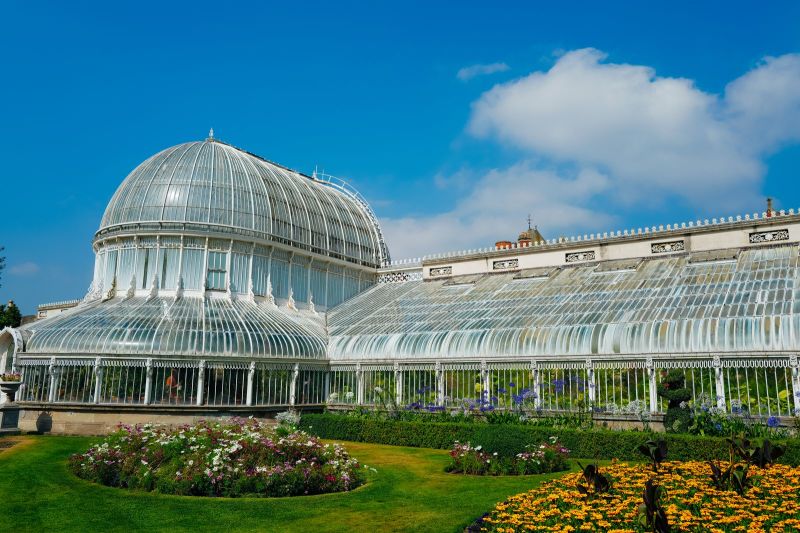
Modern solar-control, self-cleaning glass units are a genuine improvement on 20-year-old glazing, with U-values around 1.0 to 1.2 W/m²K and a coating that reflects a good share of solar gain. You keep the light and the open feel. It's still nowhere near a warm roof thermally, and on an exposed coastal site the sealed units and gaskets take a beating.
Polycarbonate
The cheapest fix at £1,500 to £3,000, and honestly hard to recommend unless the conservatory is a low-value outbuilding you plan to replace anyway. Multiwall polycarbonate at 25mm or 35mm performs better than the old 16mm sheets, but you're buying the same fundamental problem again, with a realistic 10 to 15 year life in Portsmouth conditions.
Will Your Existing Frames and Base Take the Weight?
This is the question that decides whether the job is straightforward or expensive. A polycarbonate roof weighs around 3 to 5 kg per square metre. A lightweight warm roof system weighs 35 to 60 kg per square metre depending on the finish. That's a tenfold-plus increase in dead load going onto frames and a base that may have been built to a very modest spec in the 1990s.

Reputable warm roof systems are engineered specifically to sit on existing uPVC frames and come with structural calculations, but the installer still needs to check the frames are sound, the base is not settling, and the wall plate fixing into your house is solid. On older Portsmouth conservatories built off a shallow trench or a simple concrete raft, that check matters. Where frames won't take it, you're looking at replacing them too, which adds £2,000 to £5,000.
Box gutters and wall abutments
The box gutter between the conservatory roof and the house wall is where most Portsmouth conservatory leaks start, and it's worth having it renewed as part of the job rather than reusing a 20-year-old one. The detailing is the same principle as any low-pitch roof, and we've covered the materials and their lifespans in our guide to flat roof replacement costs in Portsmouth, which is useful background if your conservatory has a flat section or a box gutter run.
Building Regulations and Planning: What Catches People Out
Here's the bit that surprises most homeowners. Your conservatory is probably exempt from building regulations right now because it meets the standard exemption test: under 30 square metres, at ground level, separated from the house by external-quality doors, with its own heating controls, and with at least 75% of the roof and 50% of the walls glazed.
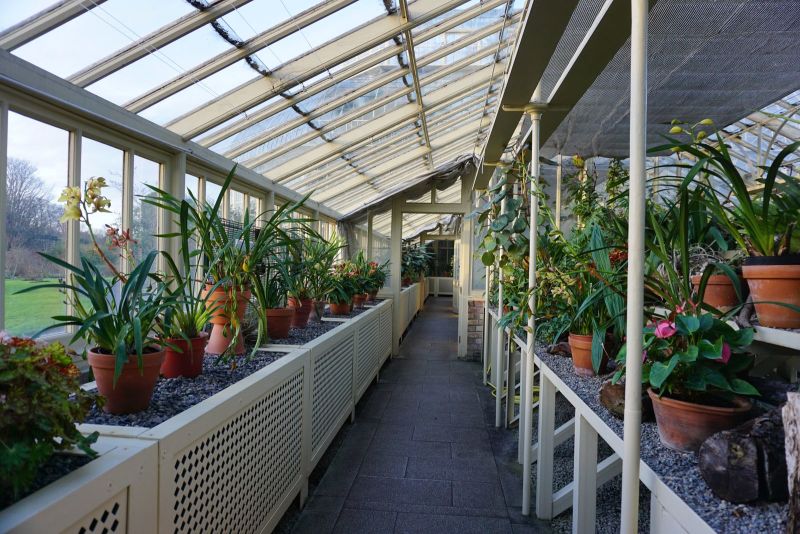
Swap the translucent roof for a solid one and that 75% glazing test usually fails. At that point the structure is legally an extension, not a conservatory, and building regulations apply - which typically means a building notice through Portsmouth City Council building control, at £250 to £600, plus compliance with thermal standards. The replacement roof generally needs to achieve 0.18 W/m²K or better under the government's Approved Document L on conservation of fuel and power. Any installer telling you no approval is needed for a solid roof is worth questioning hard, because an unapproved extension shows up at conveyancing and can stall a sale.
Planning permission is a separate matter and usually isn't required, since most conservatory work falls under permitted development. That changes if you're in one of Portsmouth's conservation areas, such as Old Portsmouth or parts of Southsea, or if the property is listed. The Planning Portal's guidance on conservatories sets out the height and size limits clearly, and a quick check before you order anything is time well spent.
What You Gain in Comfort, Space, and Value
The honest pitch for a warm roof isn't the energy saving on paper - it's that you get a room back. Most Portsmouth conservatories are effectively unusable from November to March and too hot to sit in on a bright July afternoon, which means a room you paid for is working four or five months a year. A warm roof typically extends that to twelve.

There is a real running-cost effect too. An uninsulated conservatory with the doors left open acts as a heat sink on the rest of the house, and homeowners commonly report £150 to £400 a year off heating once the roof is insulated and the room stops bleeding warmth. On a £7,000 job that's not a fast payback on its own, so treat the saving as a bonus rather than the reason.
Where the money more clearly comes back is usable floor area. Converting a 12 square metre conservatory into a genuine year-round room adds meaningful living space at a fraction of the £2,000 to £3,000 per square metre an extension costs in Hampshire.
Choosing an Installer and Timing the Job
Warm roof systems are only as good as the fitting, and Portsmouth has plenty of general conservatory firms alongside a smaller number of roofers who genuinely understand water detailing at abutments and box gutters. Ask which specific system they install, whether structural calculations come with it, and who handles the building control application. Get that last point in writing.
Check credentials the same way you would for any roof job. Membership of the National Federation of Roofing Contractors or registration with a scheme like TrustMark gives you vetted workmanship and a route to recourse, which matters on a job of this size. Get two or three itemised quotes that separate the roof system, the internal finish, the guttering, and the building control fee, and be wary of any single-line price.
For timing, spring and early autumn are ideal - warm enough for the internal plaster to dry properly, and outside the winter window when a half-stripped roof and a Solent gale would be a genuinely bad combination. Book early, because the good installers in this part of Hampshire tend to be four to eight weeks out through the summer.
---
FAQ
Q: How much does a conservatory roof replacement cost in Portsmouth?
A: A solid insulated warm roof on a standard 3m x 3m lean-to typically costs £5,500 to £7,500 fitted with a plastered ceiling, while a 3.5m x 3.5m Victorian-style conservatory runs £7,000 to £10,000 and larger P-shaped or gable structures reach £10,000 to £12,000. Per square metre of roof area that's roughly £450 to £700. Glass replacement costs £3,500 to £7,000, and like-for-like polycarbonate £1,500 to £3,000.
Q: Do I need building regulations approval to fit a solid conservatory roof?
A: Usually yes. Conservatories are exempt from building regulations partly because at least 75% of the roof is glazed, and replacing that with a solid roof breaks the exemption, making the structure an extension in the eyes of building control. Expect a building notice through Portsmouth City Council at £250 to £600, with the new roof needing to achieve around 0.18 W/m²K. Planning permission is usually not needed unless you're in a conservation area or the property is listed.
Q: Will my existing conservatory frames take a warm roof?
A: Often yes, but it must be checked. Polycarbonate weighs 3 to 5 kg per square metre and a lightweight warm roof weighs 35 to 60 kg per square metre, so the load increase is tenfold or more. Engineered systems are designed to sit on existing uPVC frames and come with structural calculations, but the frames, base, and wall plate fixing all need assessing first. If the frames aren't up to it, replacement adds £2,000 to £5,000.
Q: Why do conservatory roofs fail faster in Portsmouth?
A: Portsea Island is flat and exposed, so 50mph-plus Solent gusts flex the roof and work glazing bars and gaskets loose. Salt air corrodes aluminium fixings and box gutter seals, so parts lasting 25 years inland can fail in 15 to 20 here. Polycarbonate also suffers heavily from the temperature swing between 40°C summer afternoons and single-figure winter nights, yellowing and cracking well before its stated 10 year life is up.
---
Ready to work with Roof Repairs Portsmouth?
Let's connect! We’re here to help.
Send us a message and we’ll be in touch.
Or give us a call today at 023 9355 3469
Agency Contact Form
More Marketing Tips, Tricks & Tools