How to Choose a Roofing Contractor in Portsmouth: What to Ask Before You Hire
Hiring a roofer is one of the higher-stakes trade decisions a homeowner makes, and it's often made in a hurry after a leak or a storm. That's exactly when mistakes get expensive. Roofing consistently sits near the top of the Citizens Advice and Trading Standards complaint tables for home improvement work, and storm weeks on the south coast reliably bring out doorstep callers targeting older homeowners. Portsmouth is a tempting hunting ground: around 60% of the city's homes are Victorian and Edwardian terraces on Portsea Island, many over 100 years old and due significant roof work, and the Solent's 50mph-plus winter gusts create a steady stream of urgent jobs. The difference between a good hire and a bad one can be several thousand pounds and years of comeback rights. This guide sets out exactly what to ask before you hand over a deposit, which credentials genuinely mean something, and the red flags worth walking away from.
Why Choosing Carefully Matters More in Portsmouth
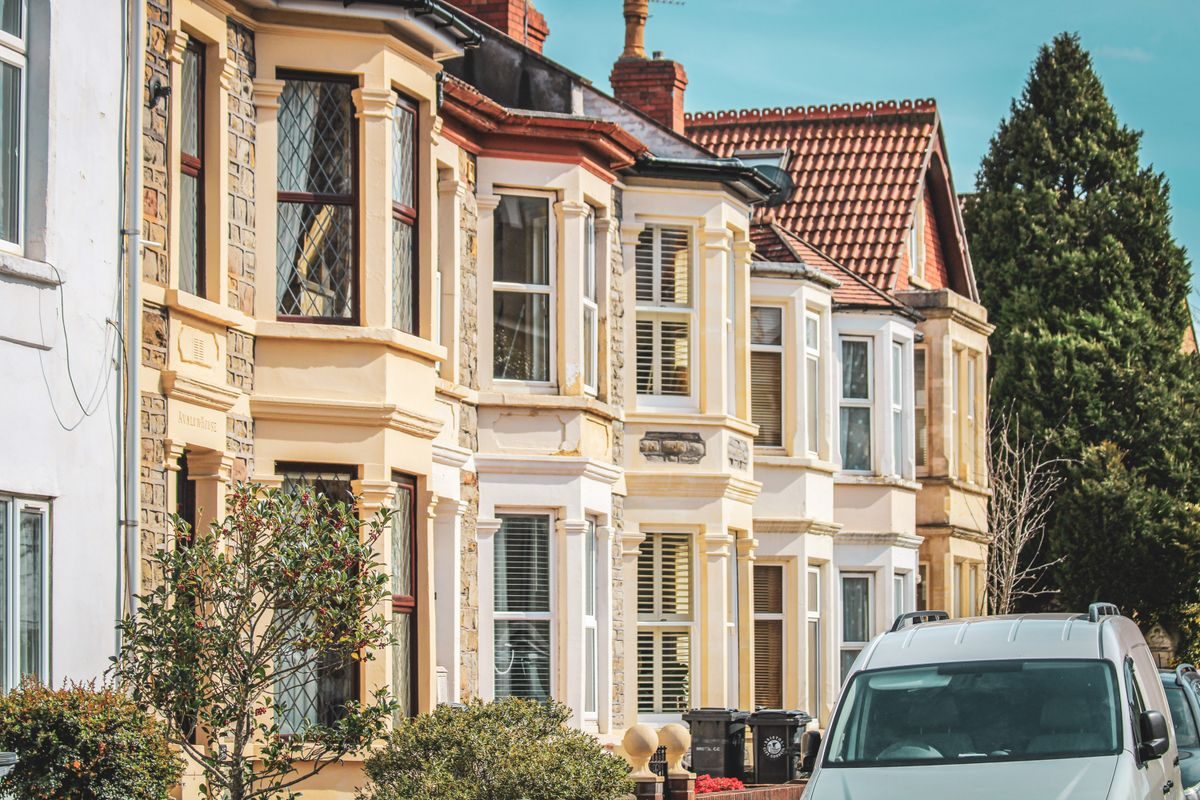
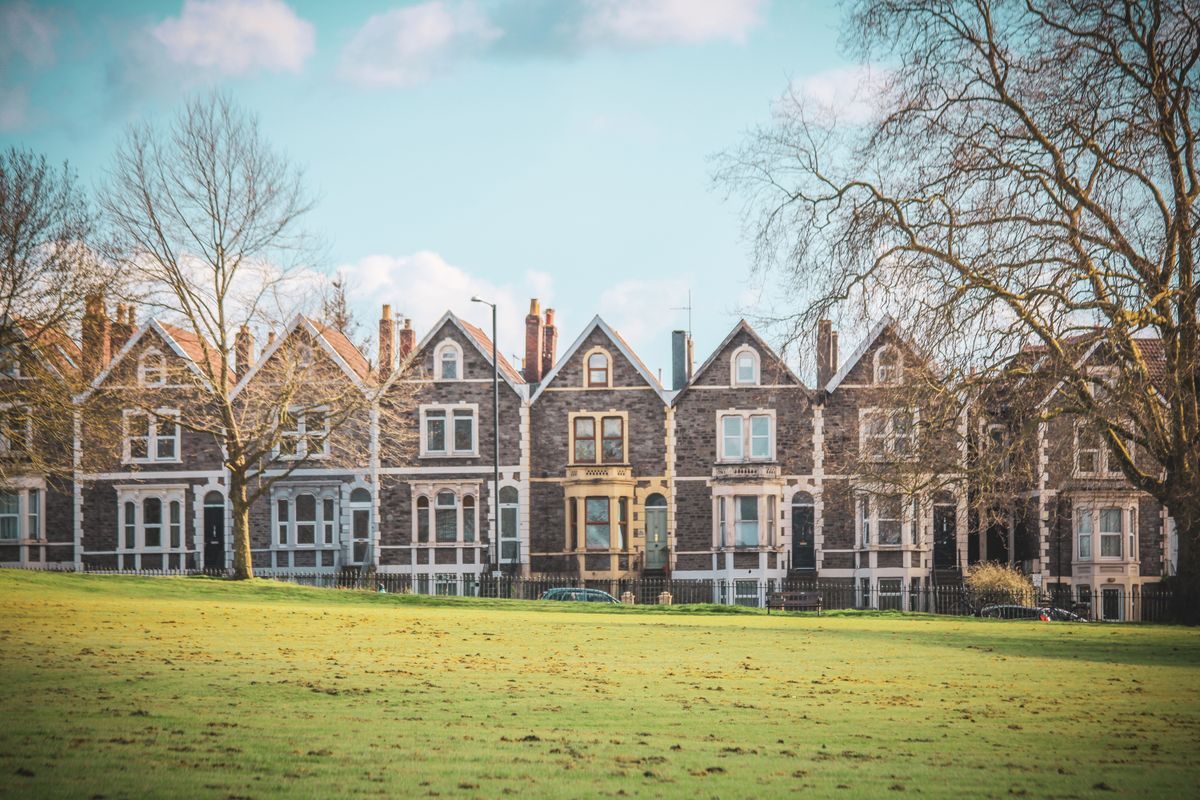
Portsmouth's housing stock makes roofing a specialist job, not a general-builder afterthought. The dense terraces on Portsea Island mostly carry clay tiles or natural slate on roofs that are now well past their original design life, and many need reclaimed materials to match. A roofer who mainly does modern concrete-tile estates may quote confidently and then get the details wrong on a heritage terrace - wrong tile, wrong mortar mix, wrong flashing detail - and you won't find out until it leaks.

The coast adds another layer. Salt-laden air corrodes fixings faster here than inland, so the choice of nails, clips, and ridge system matters more than it would in, say, Basingstoke. A contractor who specifies galvanised nails where stainless steel is warranted has saved themselves pennies and cost you a roof that starts slipping again in a few winters. Around 1 in 5 repeat roofing call-outs on exposed coastal homes trace back to corrosion-prone fixings chosen to shave a quote.
Before you get quotes, it's worth understanding what your roof actually needs, and a good local firm will explain that plainly. Roof Repairs Portsmouth will assess the roof and tell you whether you're looking at a repair, a patch, or a re-cover before any money changes hands - which puts you in a far stronger position when comparing other quotes.
The Credentials That Actually Mean Something
Anyone can print "25 years' experience" on a leaflet. What you want is accountability to a third party. The two credentials worth most in UK roofing are membership of the National Federation of Roofing Contractors, the industry's main trade body, whose members are vetted and audited, and registration with the government-endorsed TrustMark scheme, which checks tradespeople for technical competence, trading practices, and customer service. Either means someone independent has looked at how the firm works, and gives you a route to complain that actually leads somewhere.
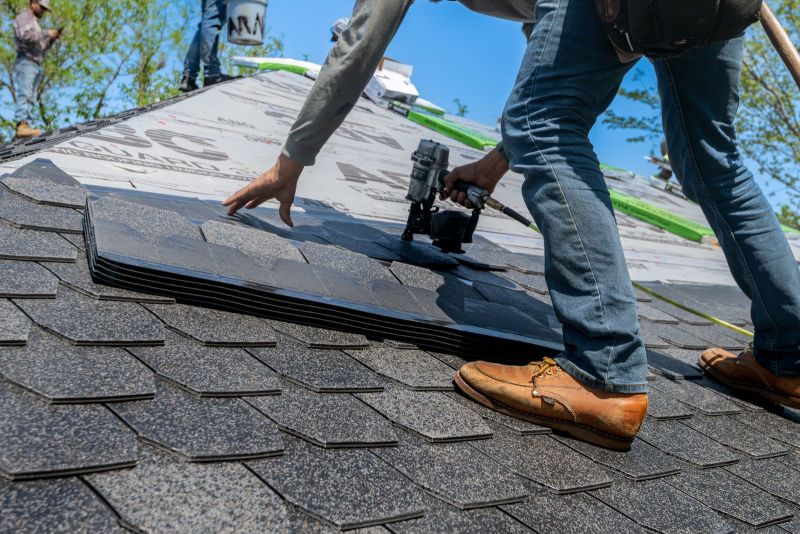
Public liability insurance is non-negotiable - a roofer working at height over your home and your neighbour's should carry at least £2 million of cover, and you're entitled to see the certificate. Ask too whether the work comes with an insurance-backed guarantee, which protects you if the firm goes out of business before a defect shows up. Roughly a third of small trade guarantees are worthless because the company has folded by the time you'd claim, so a backed guarantee is worth real money.
Checking waste disposal is legitimate
A roof strip generates a skip's worth of old tiles, felt, and timber, and where that ends up is your legal responsibility as the person who produced the waste. Fly-tipping traced to your address can land you with a fine even though a contractor dumped it. Ask whether the roofer is a registered waste carrier, and you can check the answer yourself for free on the Environment Agency's public register of waste carriers, brokers and dealers. A firm that disposes of waste properly will have no problem being checked.
Questions to Ask Before You Sign
Get the specifics in writing, because a vague quote is where disputes start. Ask what fixings they'll use - the answer should be stainless steel or aluminium on a coastal roof, not galvanised. Ask how they'll handle the ridge - modern dry-fix, which clamps ridge tiles mechanically and shrugs off Solent gales, is now the standard and outlasts old mortar bedding that cracks in 20 - 30 years. Ask whether the quote includes scaffold, because on a three-storey Portsea Island terrace scaffold can be £400 - £800 of the total and "we'll sort access" hides a nasty surprise.
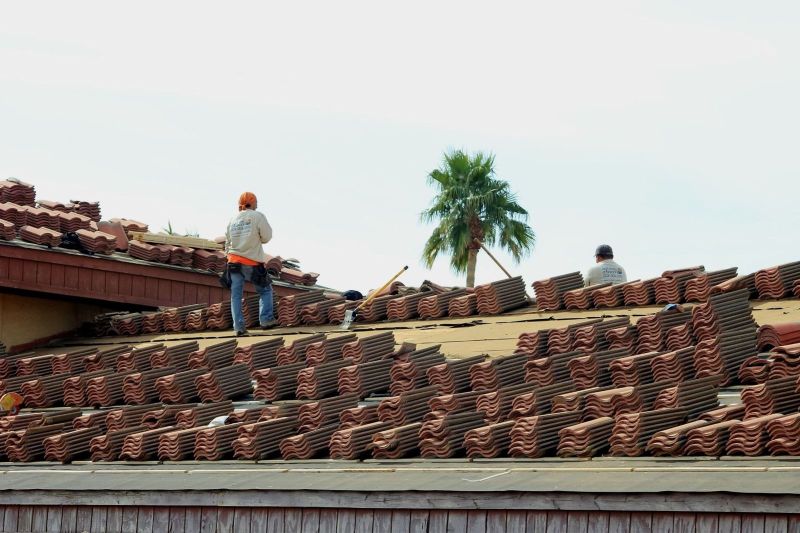
Nail down the money and the timeline too. A reasonable deposit is 10 - 25% for materials, never full payment up front - anyone demanding cash in full before starting is a walk-away. Ask how long the job will take and what happens if bad weather stops work mid-strip, since a half-stripped roof caught by a Portsmouth downpour is a real risk that a good roofer plans for with temporary covers.
Get it in writing
Everything above should land on a written quote, not a handshake. A proper quote itemises materials, labour, scaffold, waste removal, and VAT, states the guarantee length, and carries the firm's full address and registration numbers. If a roofer resists putting the quote in writing, that tells you most of what you need to know. Get two or three written quotes for anything beyond a minor repair, and treat a quote that's dramatically cheaper than the others as a warning, not a bargain.
Red Flags to Walk Away From
The doorstep caller is the classic Portsmouth storm-week scam. Someone knocks, says they "noticed" a slipped tile or were "working nearby", and pushes for an immediate cash job. Legitimate roofers are booked up in storm weeks and don't tout door to door - so pressure to decide on the spot is the single biggest red flag there is. Trading Standards logs a spike in these reports across Hampshire every winter, and older homeowners are the usual target.
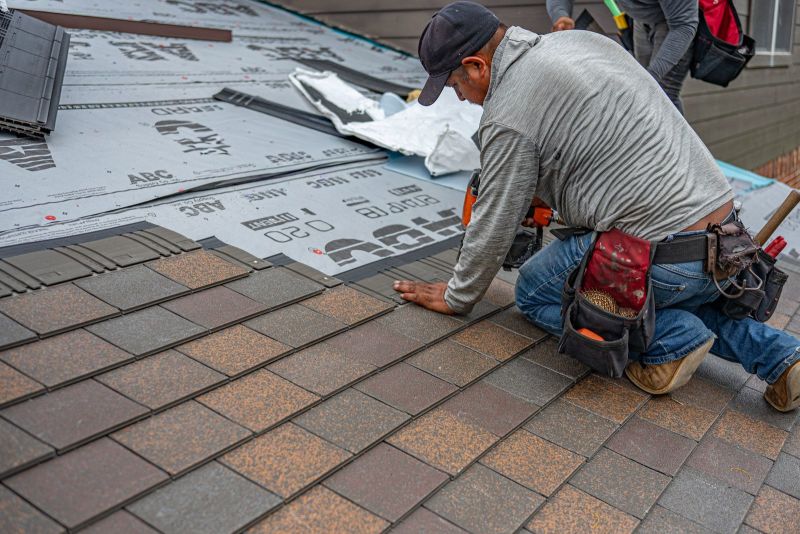
Other tells cluster together. Cash-only, no written quote, no fixed address, a mobile number that goes to voicemail, a demand for money up front to "buy materials", and vague answers about insurance or waste disposal - any two of these together and you should stop. A firm that quotes a suspiciously round number with no breakdown, or that finds ever-larger problems once the scaffold is up, is working a different game to a roofer who quotes honestly and sticks to it. When in doubt, thank them, take the details, and check them against the registers above before committing a penny.
Comparing Quotes Without Getting Stung
The cheapest quote is rarely the best value, and the dearest isn't automatically the safest. Line the quotes up side by side and compare like for like: same materials, same scope, same guarantee. A £4,000 re-cover using stainless fixings, dry-fix ridge, and new breathable underlay is a different product from a £2,800 job using galvanised nails and re-bedded mortar, even though both say "new roof". Coastal exposure means the cheaper spec often fails years sooner, so the true cost per year of roof life can favour the pricier quote.
Watch for what's missing rather than what's stated. A quote that omits scaffold, waste removal, or VAT will creep upward once work starts, and the gap between quotes often disappears entirely once you add the omissions back in. Ask each roofer to confirm in writing that their price is fixed barring genuine hidden defects, and to define what would count as one. That single question separates the firms that quote to win the job from the firms that quote to do it properly.
What Good Roofing Work Should Cost in Portsmouth
Rough figures help you sense-check a quote, even though every roof differs. A single slipped-tile refix runs £100 - £250, a patch repair of one slope £350 - £700, and a full strip and re-cover of a typical Portsmouth terrace £5,000 - £9,000, with scaffold making up £400 - £800 of that. A flat roof replacement on a rear extension is usually £1,500 - £4,000 depending on size and whether it's felt, EPDM rubber, or fibreglass.

If a quote sits far outside these ranges in either direction, ask why. Well below usually means something's been left out or the spec is cut; well above may be justified by difficult access or heritage materials, but you're entitled to see it broken down. For the bigger decision of whether to keep repairing or re-cover entirely, we've set out the full framework in our guide to slipped and loose roof tiles in Portsmouth, which covers the nail-sickness pattern that pushes many older terraces toward a full re-cover.
---
FAQ
Q: What should I ask a roofer before hiring them in Portsmouth?
A: Ask what fixings they'll use (stainless steel or aluminium on a coastal roof, not galvanised), how they'll handle the ridge (modern dry-fix outlasts old mortar), whether scaffold is included, what deposit they want, and how long the job will take. Get every answer on a written, itemised quote covering materials, labour, scaffold, waste, VAT, and guarantee length. Ask to see public liability insurance too.
Q: What credentials should a good roofing contractor have?
A: Look for membership of the National Federation of Roofing Contractors or registration with the government-endorsed TrustMark scheme - both mean the firm is independently vetted and accountable. They should carry at least £2 million public liability insurance, ideally offer an insurance-backed guarantee, and be a registered waste carrier, which you can check for free on the Environment Agency register.
Q: How do I avoid roofing scams in Portsmouth?
A: Never deal with doorstep callers who "noticed" a problem and push for immediate cash work - that's the classic storm-week scam and legitimate roofers don't tout door to door. Walk away from cash-only demands, no written quote, no fixed address, money up front, or vague answers on insurance and waste. Get two or three written quotes and check credentials against the trade registers before paying anything.
Q: How much deposit should I pay a roofer?
A: A reasonable deposit is 10 - 25% to cover materials, never full payment up front. Anyone demanding cash in full before starting work is a red flag to walk away from. The balance should be due on satisfactory completion, and the payment terms should be written into the quote alongside the guarantee.
Q: Why does choosing a roofer matter more on Portsmouth's older homes?
A: Portsmouth's Victorian and Edwardian terraces mostly carry clay tiles or slate on roofs past their design life, often needing reclaimed materials to match, and the coastal salt air corrodes fixings faster than inland. A roofer who specifies the wrong tile or galvanised rather than stainless fixings can leave you with a roof that slips again within a few winters, so specialist local knowledge is worth paying for.
---
Ready to work with Roof Repairs Portsmouth?
Let's connect! We’re here to help.
Send us a message and we’ll be in touch.
Or give us a call today at 023 9355 3469
Agency Contact Form
More Marketing Tips, Tricks & Tools