Emergency Roof Repairs in Portsmouth: What to Do First and What It Costs
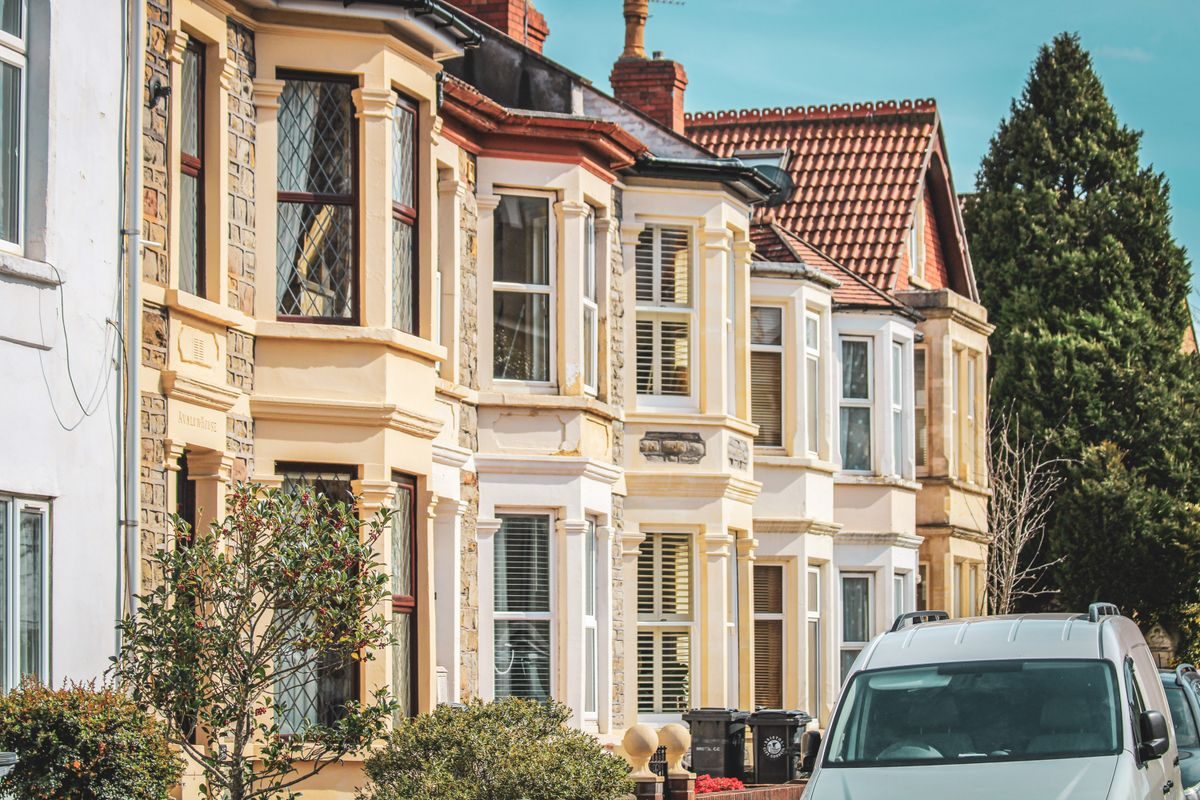
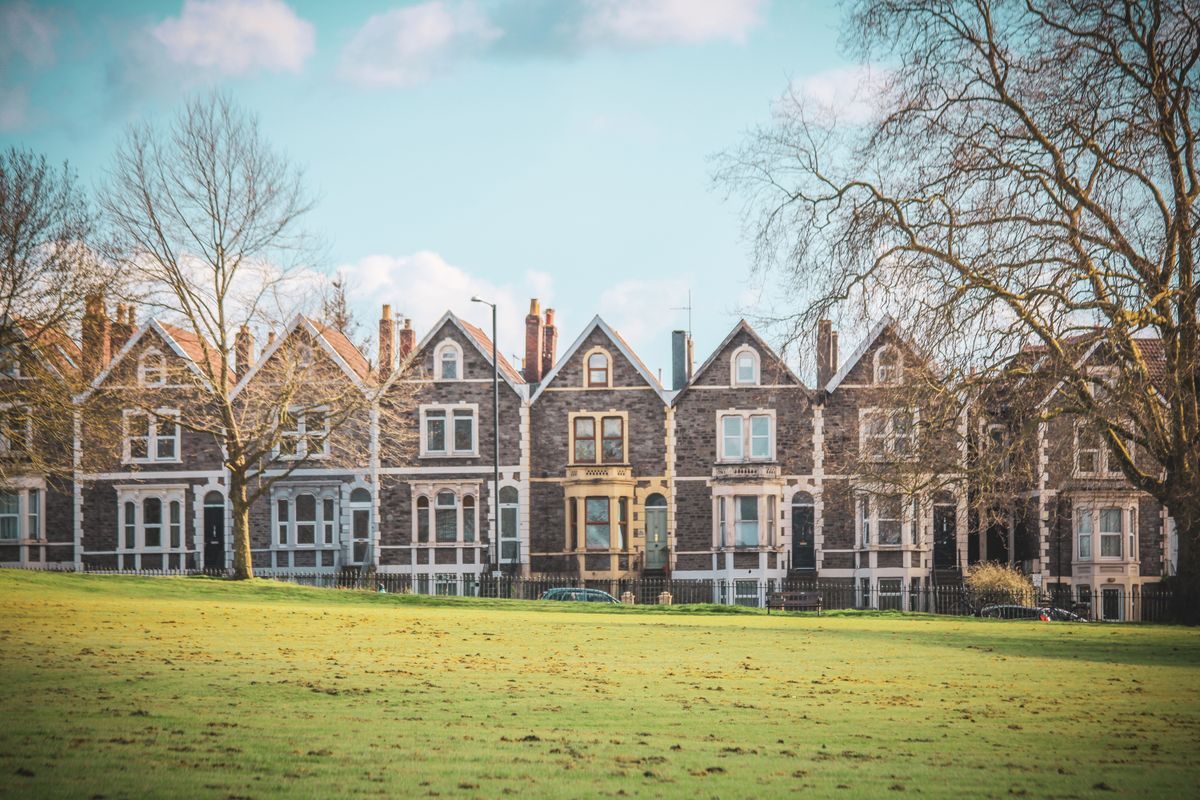
Water coming through the ceiling during a winter gale is one of the few household problems that gets worse by the hour, and in Portsmouth it happens more than most places. Around 60% of the city's homes are dense Victorian and Edwardian terraces on Portsea Island, many with roofs over a century old, and the Solent regularly throws gusts above 50mph at them through winter. The Met Office logs Portsmouth among the windier stretches of the south coast, and storm weeks reliably fill roofers' phones. An emergency call-out to make a roof watertight usually runs £150 - £450, a fraction of the £1,500 - £5,000 a soaked ceiling and rotted timbers can cost if you wait. The good news is that most of the damage limitation in the first hour is free and down to you. Here's exactly what to do when a roof starts leaking, what emergency repairs cost in Portsmouth, and how to avoid paying twice.
What Counts as a Roofing Emergency
Not every leak is a 999-at-midnight job, and knowing the difference saves you an out-of-hours premium you might not need. A genuine emergency is active water entering the house - a steady drip or run through a ceiling, water tracking down a wall, or a section of roof visibly open to the sky after a storm. Those need making watertight the same day, because water spreads through plaster and timber fast once it's inside.
A slow stain that appears days after rain, a single slipped tile with no interior sign, or a dripping gutter is urgent but not an emergency. It can wait for a booked visit at standard rates. Roughly 7 in 10 "emergency" calls after a Portsmouth storm turn out to be next-day jobs once someone calm has looked properly, so it's worth a five-minute assessment before you pay for an out-of-hours rate that can add £80 - £150.
If you're not sure which category you're in, Roof Repairs Portsmouth can talk it through on the phone and tell you honestly whether it needs someone that hour or the next morning - the sort of call that stops a panic decision costing you money.
The First Hour: What to Do Before the Roofer Arrives
Your first job is inside, not up a ladder. Move furniture, electronics, and anything that stains out from under the leak, and lift rugs. Then put a bucket down, and if water is pooling above a ceiling and bulging the plaster, pierce the low point of the bulge with a screwdriver to let it drain into the bucket in a controlled way. A ceiling that fills and collapses does far more damage - and costs far more - than a single clean hole you made on purpose.
Next, kill the electrics to any affected area at the consumer unit if water is anywhere near lights or sockets. Water and wiring in a Victorian terrace is a real risk, not a theoretical one, and around a third of house fires linked to water ingress trace back to soaked ceiling roses. Photograph everything as you go, with timestamps, because that record does most of the heavy lifting in an insurance claim later.
What not to do
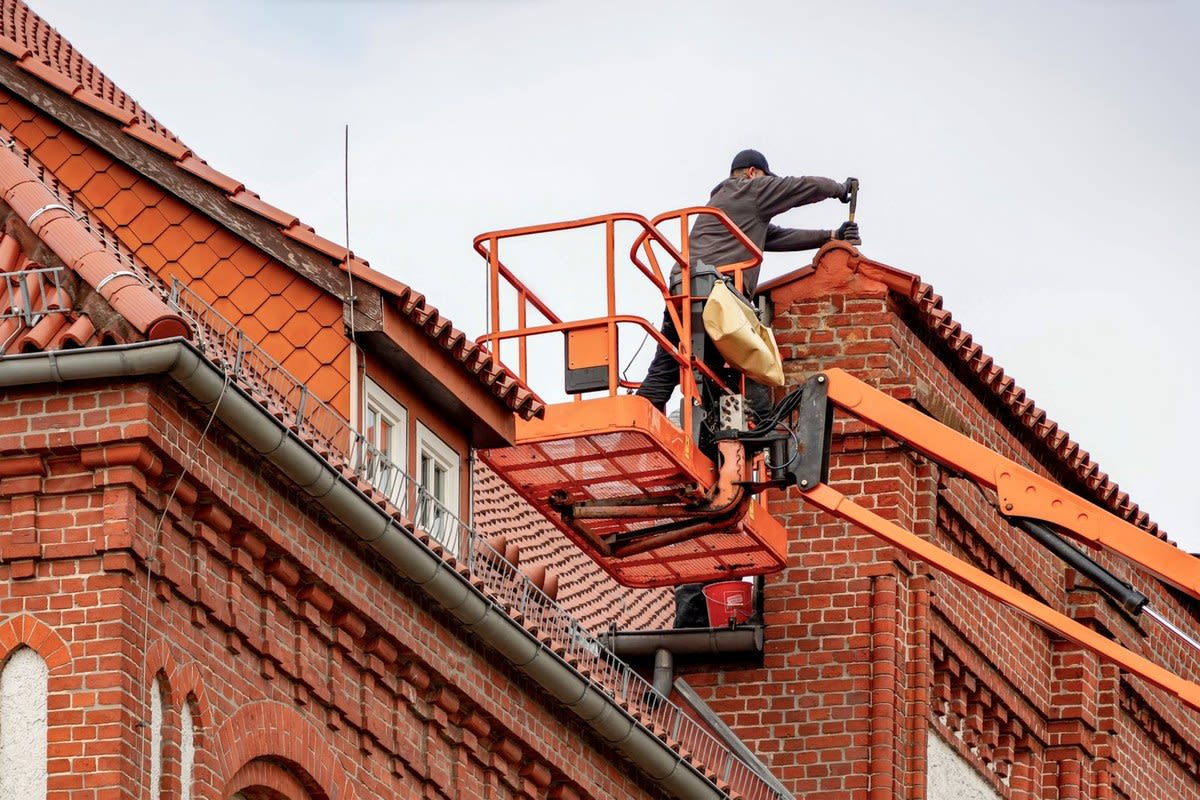
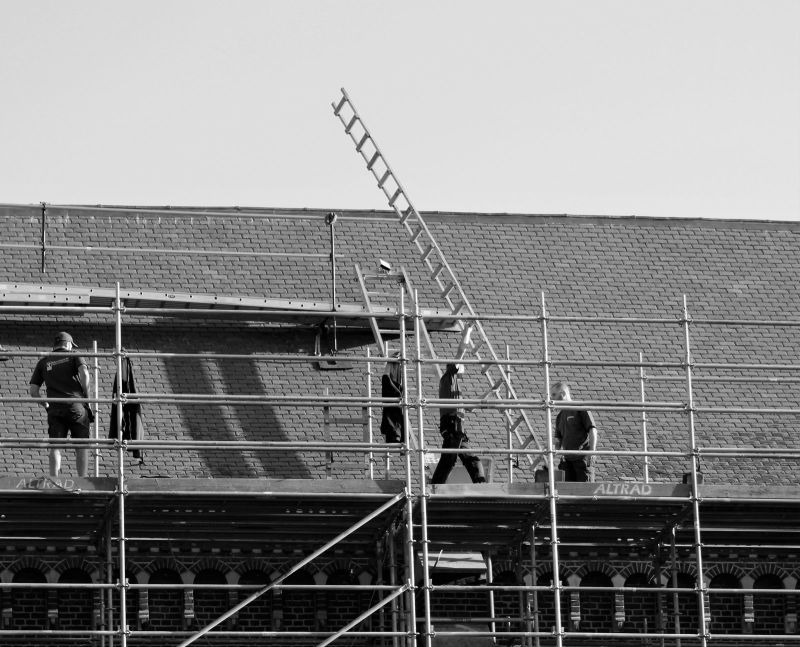
Do not go up onto a wet roof in high wind, and do not send anyone up in a storm to "just have a look". Roof falls are among the most common serious trade injuries in the UK, and a Portsea Island terrace roof three storoys up in a Solent gale is no place to be. A competent roofer will often make things safe from inside the loft or with a temporary cover thrown from a roof ladder once the wind eases - leave the height work to them.
What Emergency Roof Repairs Cost in Portsmouth
Out-of-hours call-out and temporary make-safe (tarpaulin or flashband): £150 - £450, with the out-of-hours element adding roughly £80 - £150 over a daytime rate.

Temporary tarpaulin sheeting over a stripped area: £120 - £300 depending on size and access.
Emergency flashband or wet-fix patch on a flat roof: £150 - £350.
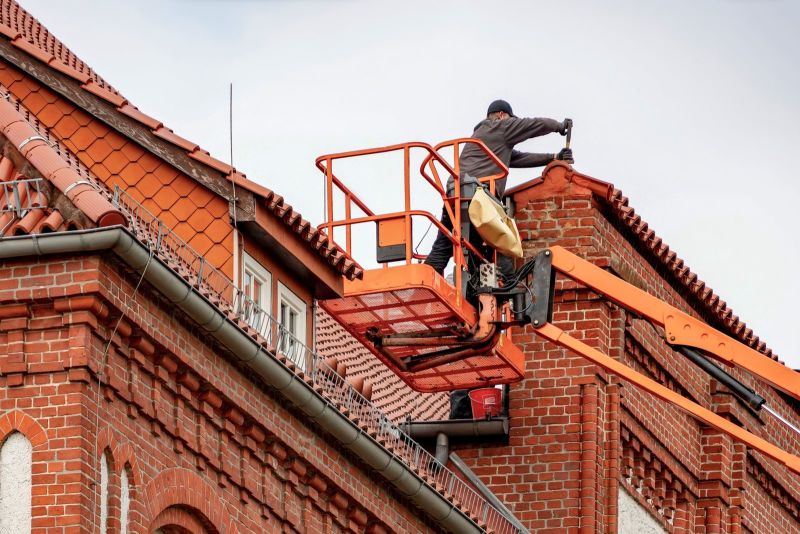
Same-day scaffold or scaffold tower for safe access on a taller terrace: £250 - £600 on top of the repair.
Follow-up permanent repair once the weather clears: typically £250 - £900, depending on what the temporary cover was hiding.
The pattern to understand is that emergency work is usually two visits: a make-safe now, then a proper fix later. Scaffold is the swing factor on Portsmouth's three-storey terraces - a leak at gutter level is cheap to reach, but the same leak near a ridge can need access that costs more than the roofwork itself. A fair roofer will make the roof watertight for a modest sum on visit one and quote the permanent repair separately, rather than pushing you into a big decision while your ceiling is dripping.
Why Portsmouth Roofs Fail in Storms
The city's roofs fail in wind for reasons specific to where they sit. Pre-1950s terraces were tiled with mild steel nails, and a century of salt-laden coastal air corrodes those fixings from the inside - roofers call it "nail sickness". By the time a storm arrives, half the tiles on an old Portsea Island roof may be held on by little more than gravity and their neighbours. A 50mph gust does the rest, and the suction on the sheltered slope can lift tiles that looked fine.
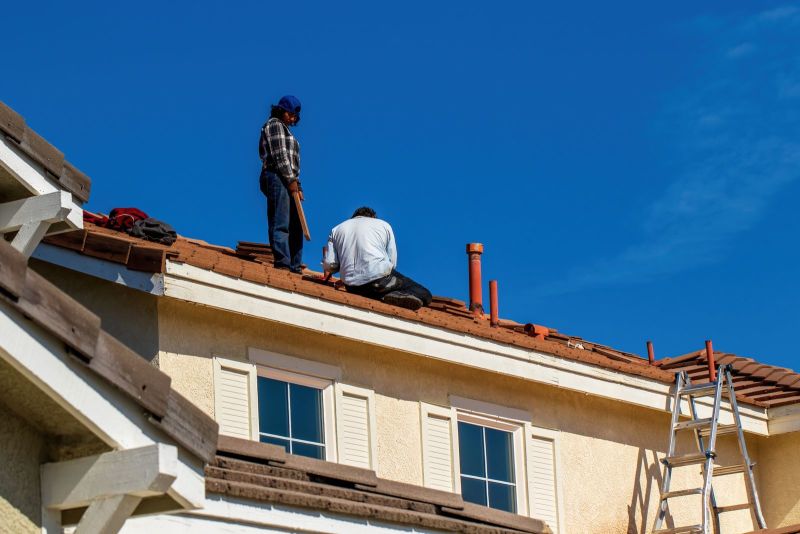
Flat roofs on rear extensions and 1960s-70s additions are the other big offender. Felt flat roofs have a service life of around 15 - 25 years, and Portsmouth has a lot of them well past that, going brittle in summer sun and splitting when winter arrives. Once water gets under a lifted felt seam, it can travel metres before it drips, which is why the stain on your ceiling is often nowhere near the actual hole.
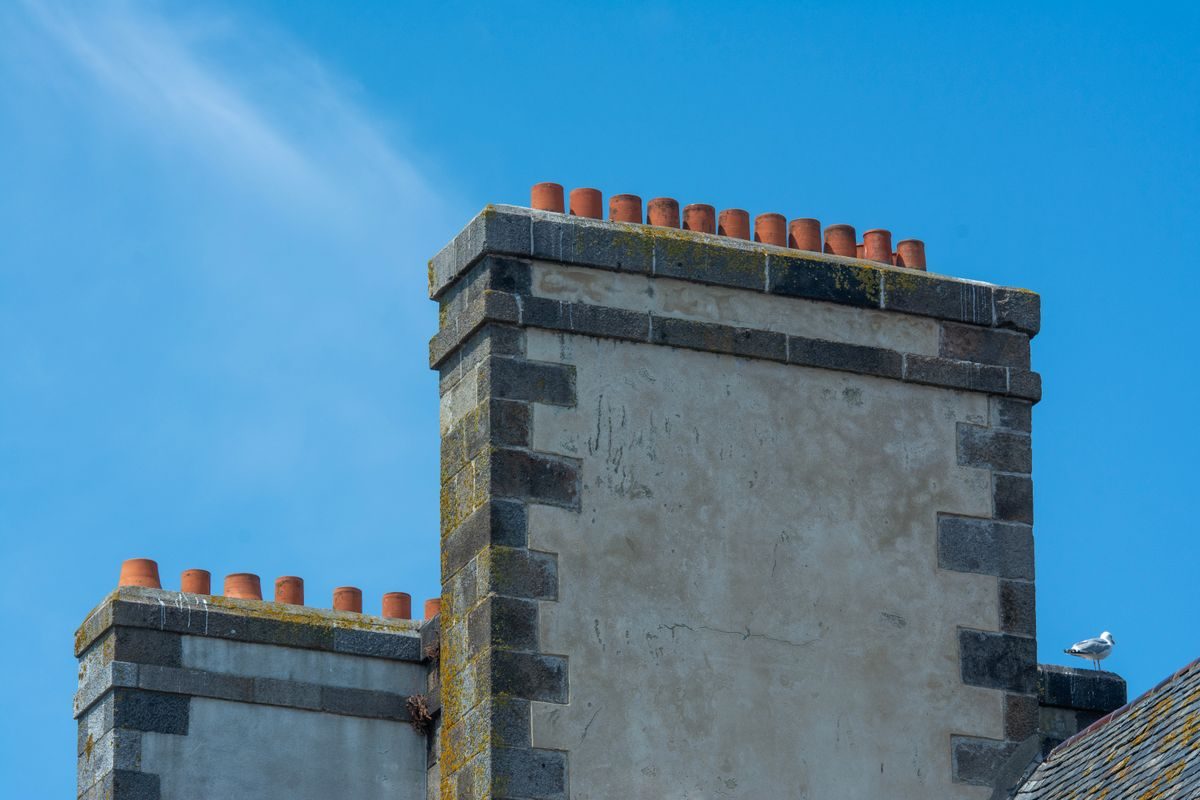
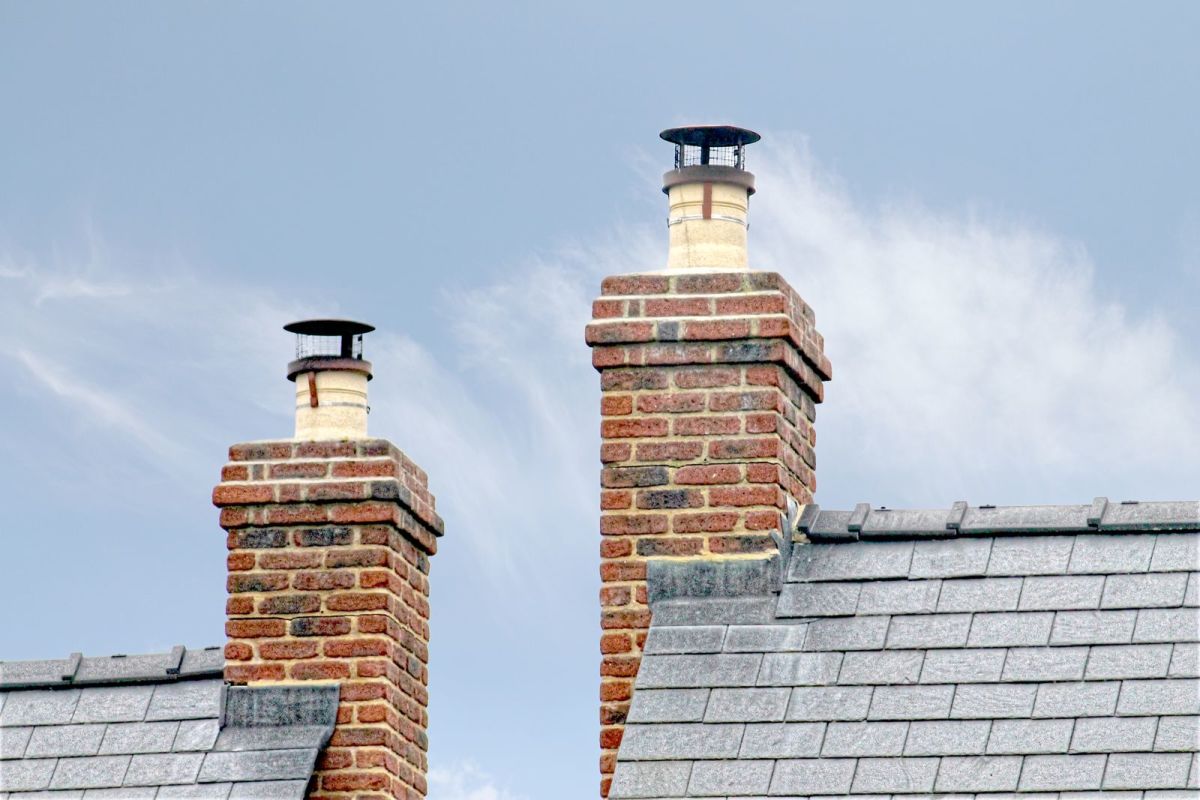
Ridge tiles are the third weak point. Traditional mortar-bedded ridges crack and loosen over 20 - 30 years, and a loose ridge tile in a Solent gale becomes both a leak and a falling hazard onto the pavement below. Modern dry-fix ridge systems, which clamp the ridge mechanically rather than relying on mortar, are now the standard fix and shrug off the wind that shifts old mortar work.
Dealing With Insurance After Storm Damage
Most home insurance covers storm damage to a roof, and insurers generally accept "storm" when winds at the time exceeded roughly 47 - 55mph - a bar Portsmouth clears several times a year. The catch is the wear-and-tear exclusion in nearly every policy: if the underlying cause was a roof already failing from nail sickness or perished felt, the insurer can reduce or refuse the claim. This is exactly why the roofer's written report matters, and why a line stating the damage is "consistent with storm action" is worth having.
Do three things and you protect the claim. Photograph the damage before any work, note the storm date and check local wind records, and keep every receipt including the emergency make-safe. Insurers expect you to limit further damage - that temporary tarpaulin is not just sensible, it's usually a policy requirement, and a claim can be reduced if you left a hole open to worsen. Government guidance on what to do after your property has been damaged, published at GOV.UK's flooding and property damage advice, is a sensible starting point for the paperwork side even when the water came from above rather than below.
How to Get a Trustworthy Roofer Out Fast
Storm weeks bring out the chancers. Doorstep callers who "happened to notice" your slipped tile are a known racket up and down the south coast, and pressure to decide on the spot is the tell. A genuine emergency roofer will make the roof safe first and talk money second, and will be happy to be checked out.
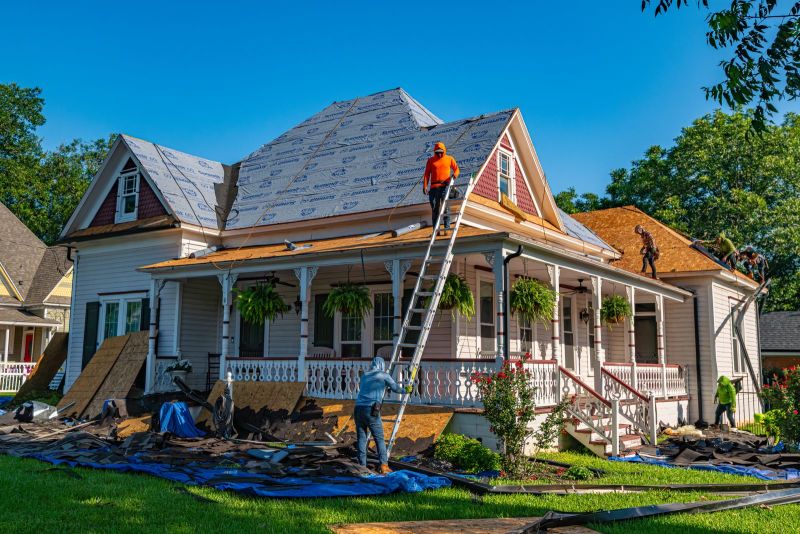
Check credentials rather than a van livery. Look for membership of the National Federation of Roofing Contractors, the trade's main body, or registration with the government-endorsed TrustMark scheme, which vets tradespeople for quality and consumer protection. Both mean the roofer is accountable to someone; a cash-only doorstep caller is not. Portsmouth and the wider Hampshire area are well served for roofers, so even in a busy storm week you rarely need to accept the first knock at the door.
Keep the emergency number before you need it
The best time to find a roofer is before the leak. Save a reputable local firm's number now, while you can compare reviews and credentials calmly, so a 2am ceiling drip becomes a quick call rather than a scramble through search results. We've set out what to look for in more depth in our guide to choosing a roofing contractor in Portsmouth, which is worth a read before you ever need it.
---
FAQ
Q: What should I do first when my roof starts leaking?
A: Work inside first. Move valuables clear, put a bucket under the drip, and if a ceiling is bulging with trapped water, pierce the low point with a screwdriver to drain it in a controlled way - a burst ceiling costs far more than a clean hole. Turn off electrics near the water at the consumer unit, photograph everything, and call a roofer. Don't go up onto a wet roof in wind.
Q: How much does an emergency roof repair cost in Portsmouth?
A: An out-of-hours call-out to make the roof watertight typically costs £150 - £450, with the out-of-hours element adding roughly £80 - £150 over a daytime rate. Emergency work is usually two visits - a temporary make-safe now, then a permanent repair of £250 - £900 once the weather clears. Scaffold on a taller terrace can add £250 - £600.
Q: Will my insurance cover storm damage to my roof?
A: Usually yes, if winds at the time exceeded roughly 47 - 55mph and the roof was in reasonable condition beforehand - Portsmouth clears that wind bar several times a year. Photograph the damage before any work, note the storm date, keep all receipts, and get the roofer's written report. Claims are commonly reduced where the real cause is long-term wear such as nail sickness or perished felt.
Q: Is a single slipped tile a roofing emergency?
A: Usually not. If there's no water coming inside, a single slipped tile is urgent but can wait for a booked daytime visit at standard rates rather than an out-of-hours premium. It becomes an emergency when water is actively entering the house or a section of roof is open to the sky. Have it looked at within a few weeks, sooner in winter.
Q: Can a roofer fix my roof safely during a storm?
A: Not fully. In high wind a roofer will usually make the roof safe from inside the loft or throw a temporary cover from a roof ladder once the wind eases, then return for the permanent repair when it's safe to work at height. Height work on a wet, exposed Portsea Island roof in a Solent gale is genuinely dangerous, so expect a two-stage job.
---
Ready to work with Roof Repairs Portsmouth?
Let's connect! We’re here to help.
Send us a message and we’ll be in touch.
Or give us a call today at 023 9355 3469
Agency Contact Form
More Marketing Tips, Tricks & Tools