Lead Flashing Repairs in Portsmouth: Coastal Wear, Costs, and Fixes
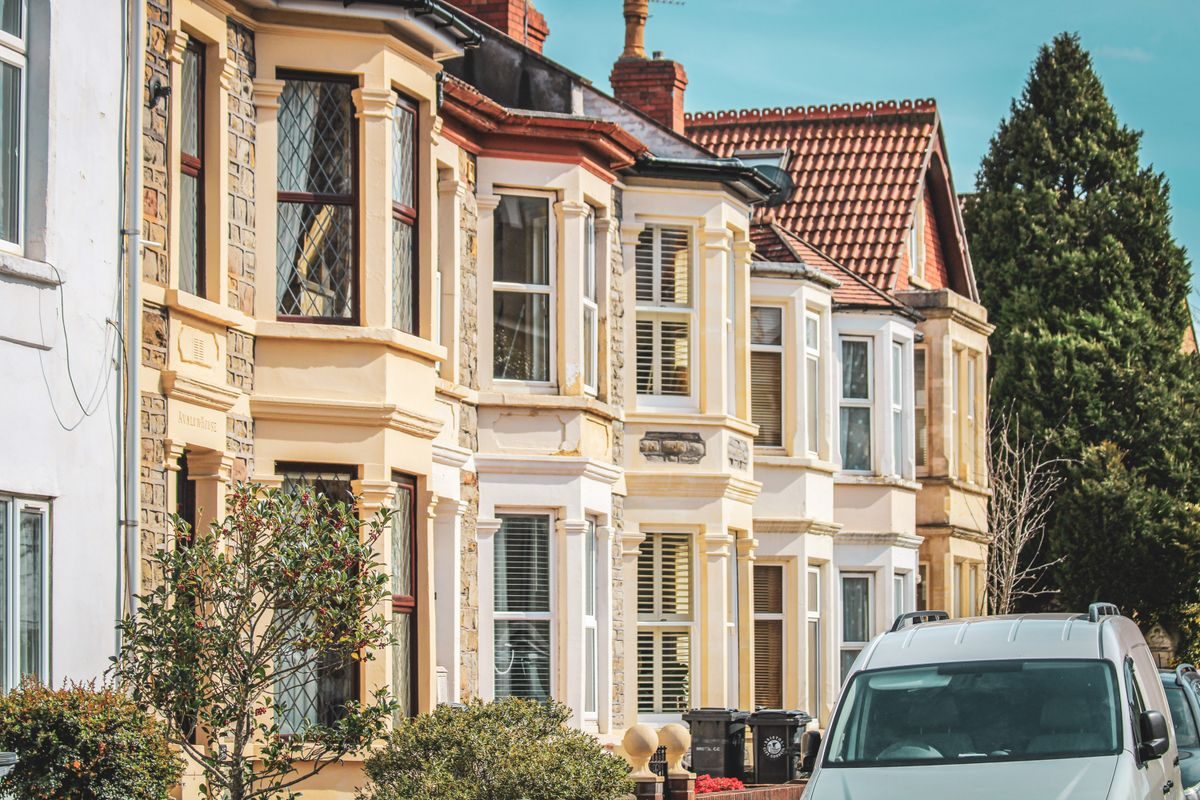
Lead flashing is the quiet workhorse of a roof, and when it goes, the leak often turns up somewhere you'd never think to look. Flashing is the thin lead sheet that seals the joins around chimneys, valleys, and where a roof meets a wall - the very points where a Portsmouth roof is most exposed. On Portsea Island, where roughly 60% of homes are Victorian and Edwardian terraces packed side by side, chimney and party-wall flashings do a lot of work, and the salt-laden air off the Solent ages them faster than inland. Repointing or replacing a single length of flashing usually costs £150 - £500, while the water damage from ignoring it can run to £2,000 or more. Lead itself can last 100 years, yet the mortar and fixings holding it rarely make 30. Here's why flashing fails on the south coast, what the repairs cost in Portsmouth, and how to catch a problem while it's still cheap.
What Lead Flashing Does and Where It Sits
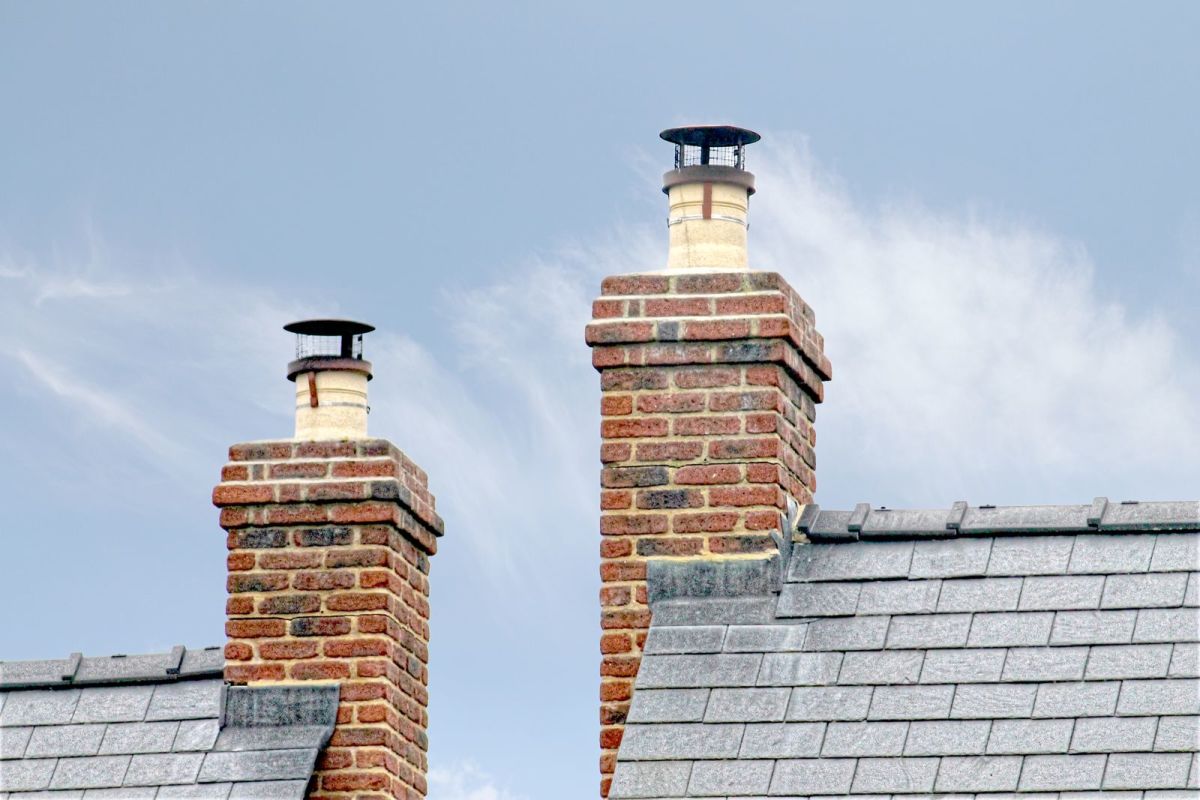
Flashing seals the awkward joints a roof can't tile over - around the base of a chimney, along a valley where two slopes meet, and at the abutment where a lower roof butts against a taller wall. On a typical Portsmouth terrace you'll find lead in four or five of these spots, and any one of them can be the source of a leak that shows up as a damp patch two rooms away. Water is patient; it follows the timber until it finds a ceiling.

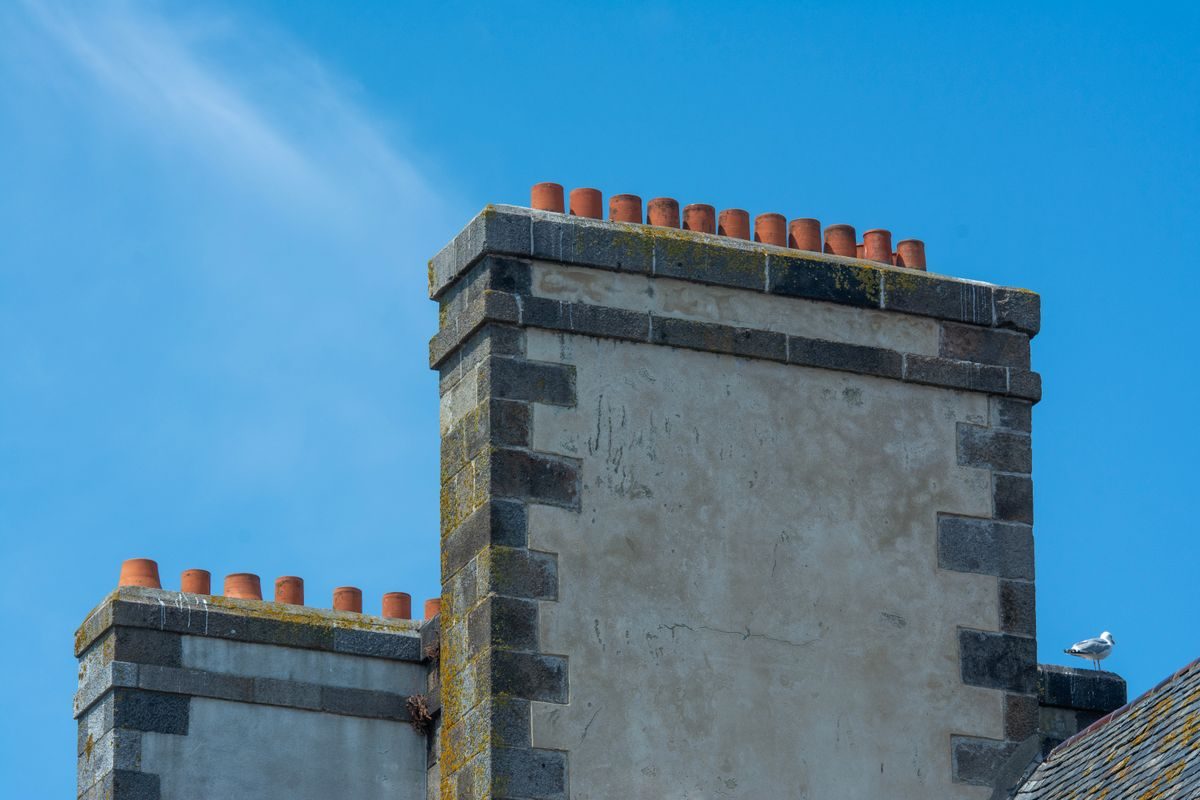
Around 8 in 10 chimney-related leaks we see trace back to failed flashing rather than the brickwork itself, which is why a roofer checks the lead first. Good flashing is dressed tight to the tile profile and tucked into a mortar joint, or "chase", cut into the wall. When that chase opens up or the lead lifts, wind-driven rain does the rest - and the Solent supplies plenty of that. If you're seeing a stain near a chimney breast, Roof Repairs Portsmouth can take a look and tell you whether it's the flashing, the pointing, or the stack itself before anything gets stripped.
Why Coastal Portsmouth Is Hard on Lead
Lead copes with salt air better than most metals, but it doesn't escape it entirely. On the coast, lead develops a rougher surface patina and a light dusting of lead carbonate faster than it would inland, and repeated salt-and-rain cycles slowly thin the sheet at its most worked edges. That's a slow process, though - the real problem on Portsmouth roofs is almost always the mortar and the movement, not the lead giving up.

Solent winds are the bigger culprit. The Met Office lists the central south coast among the breezier parts of England, and Portsmouth regularly sees winter gusts above 50mph funnelled down its terraced streets. Lead expands and contracts with temperature, and a length that's too long or badly fixed "creeps" and fatigues, cracking along a fold after enough cycles. Add wind lifting a poorly dressed edge and you get the classic coastal failure: a flapped-up apron letting water track straight behind it.
Salt, mortar, and the freeze-thaw cycle
The mortar holding the flashing into the wall is the weak link. Salt in the air and driving rain leach into old lime mortar, and Portsmouth's handful of frosts each winter expand any trapped moisture and crumble the joint. Once the pointing around the flashing has gone soft or fallen out, the lead has nothing gripping it. Roughly 1 in 3 flashing leaks on older terraces starts as failed pointing rather than damaged lead - which is good news, because repointing is the cheaper fix.
Common Signs Your Flashing Is Failing
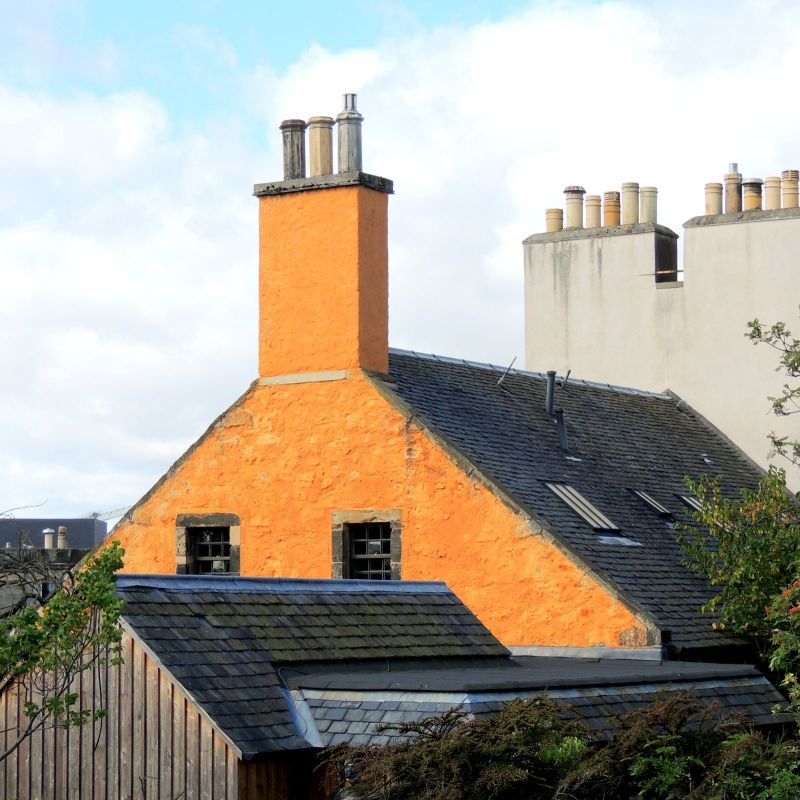
The tell-tale signs are usually visible from the ground with a decent pair of binoculars, which saves an unnecessary ladder trip. Look for lead that's lifted or curled at the edges, a dark gap where the flashing meets the wall, or crumbling mortar and white salt staining running down the brickwork below a chimney. Any of these means water is getting a route in.
Inside, the signs are damp patches or brown tide-marks on a ceiling near a chimney breast or against a party wall, flaking plaster, or a musty smell in the loft. Because water travels, the internal stain is often a metre or more from the actual gap - so don't assume the leak is directly above the mark. Around 40% of the "mystery" leaks reported after a Portsmouth storm turn out to be flashing that's been quietly failing for a year or two and finally let go in high wind.
If you spot cracked lead specifically, it's worth acting quickly. A hairline crack along a fold lets in surprisingly little water at first, then opens fast once frost gets into it. We've written more about the related problem of loose mortar joints in our guide to ridge tiles and pointing repairs in Portsmouth, which shares a lot of the same coastal causes.
What Lead Flashing Repairs Cost in Portsmouth
Repointing existing flashing into the wall (re-mortaring the chase): £150 - £350 for a single chimney or short run, more if scaffolding is needed.
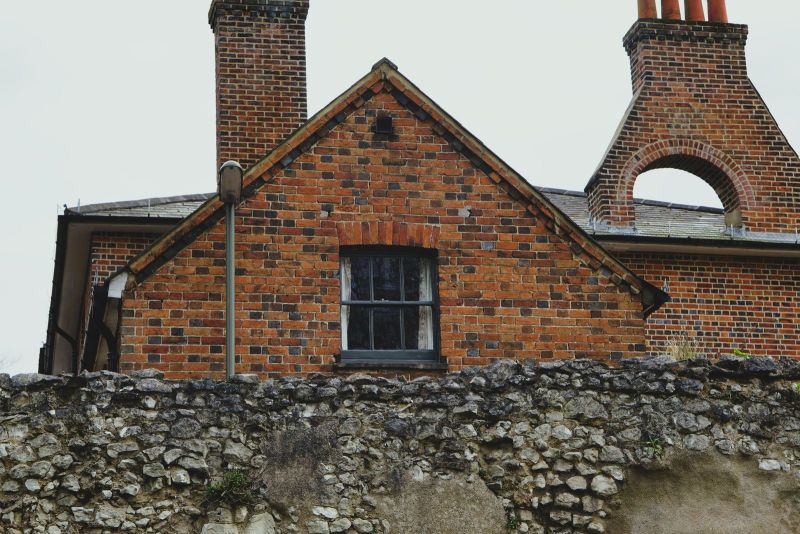
Replacing a single length of chimney or abutment flashing: £250 - £500 depending on length and access.
Full chimney re-flash (all four sides plus a new soaker course): £450 - £900.
Re-leading a valley between two roof slopes: £400 - £1,200, as valleys are longer and awkward to reach.
Scaffold or tower for safe access on a three-storey terrace: £250 - £600 on top of the repair.
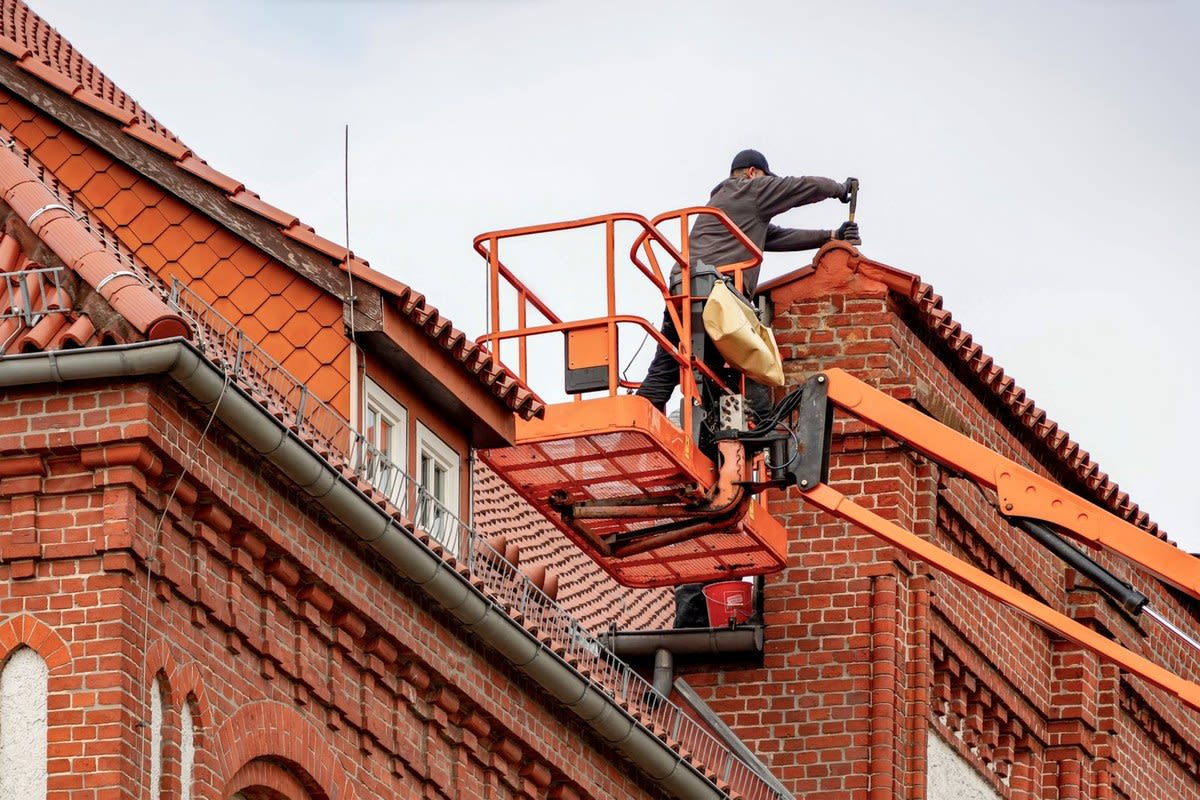
The swing factor, as with most Portsmouth roof jobs, is access. A flashing you can reach off a roof ladder is cheap; the same repair near a tall party-wall stack on a three-storey terrace can cost more in scaffold than in lead. A fair roofer prices the access honestly and won't talk you into replacing sound lead when repointing would do. Lead is also priced by weight - "codes" run from Code 4 up to Code 8 - and using the right code for the job matters more than using the most.
Repair, Repoint, or Replace: Making the Right Call
Not every worn flashing needs stripping out. If the lead is sound but the mortar joint has failed, repointing the chase and re-dressing the lead is the sensible, cheaper fix and can add another 15 - 20 years. Replacement only makes sense when the lead itself is cracked, split, or has been patched so many times it's lost its shape. A good roofer will tell you which camp you're in rather than defaulting to the bigger invoice.
One thing to be wary of is a quick fix with flashing tape or bituminous "flashband" over old lead. It's a legitimate emergency make-safe to stop a leak overnight, but as a permanent repair it traps moisture, looks poor, and usually fails within a couple of winters on an exposed coastal roof. Around 6 in 10 tape repairs we're called back to have failed within two years. If someone offers to "just tape it up" as the finished job, that's a flag.
For a proper standard to hold work against, the Lead Sheet Training Academy sets the industry's technical guidance, and reputable roofers follow the National Federation of Roofing Contractors' guidance on quality workmanship when detailing lead. It's reasonable to ask which code of lead a roofer is using and how they're fixing it.
How to Hire a Roofer for Lead Work in Portsmouth
Lead work rewards experience, so it's worth checking credentials rather than taking the cheapest quote. Ask to see recent examples of flashing or leadwork, and look for membership of a recognised trade body or registration with the government-endorsed TrustMark scheme, which vets tradespeople for quality and consumer protection. Portsmouth and the wider Hampshire area are well supplied with roofers, so you don't need to accept the first quote or a doorstep caller who "noticed" your flashing on the way past.
A trustworthy roofer will explain whether you need a repoint or a re-lead, price the access separately and clearly, and give you a written quote before starting. Be cautious of anyone pushing an immediate full chimney rebuild off the back of a flashing leak - the two are sometimes linked, but often the stack is fine and only the lead needs attention. Get the diagnosis in writing, and if a quote seems high for what sounds like a small job, a second opinion costs nothing.
---
FAQ
Q: How long does lead flashing last on a Portsmouth roof?
A: The lead itself can last 80 - 100 years, but the mortar and fixings holding it in place rarely last more than 25 - 30 years, especially on the coast where salt air and Solent winds speed up wear. Most flashing leaks in Portsmouth are the mortar joint failing rather than the lead, which is why repointing is often all that's needed rather than full replacement.
Q: How much does it cost to repair lead flashing in Portsmouth?
A: Repointing existing flashing costs roughly £150 - £350, replacing a single length runs £250 - £500, and a full chimney re-flash is typically £450 - £900. Re-leading a valley costs more at £400 - £1,200. Scaffold for a taller terrace can add £250 - £600, and access is usually the biggest factor in the final price.
Q: How can I tell if my flashing is leaking?
A: From outside, look for lead that's lifted or curled, gaps where the flashing meets the wall, and crumbling mortar or white salt staining on the brickwork. Inside, watch for damp patches or brown tide-marks on a ceiling near a chimney breast or party wall. Because water travels along timber, the internal stain is often a metre or more from the actual gap.
Q: Can lead flashing be repaired, or does it need replacing?
A: Often it can be repaired. If the lead is sound and only the mortar joint has failed, repointing and re-dressing the lead is a proper fix that can add 15 - 20 years. Replacement is only necessary when the lead is cracked, split, or badly patched. Beware of a permanent "fix" using flashing tape over old lead - it traps moisture and usually fails within a couple of coastal winters.
---
Ready to work with Roof Repairs Portsmouth?
Let's connect! We’re here to help.
Send us a message and we’ll be in touch.
Or give us a call today at 023 9355 3469
Agency Contact Form
More Marketing Tips, Tricks & Tools