Landlord Roof Repairs in Portsmouth: Your Legal Duties, HMO Licensing and Typical Costs
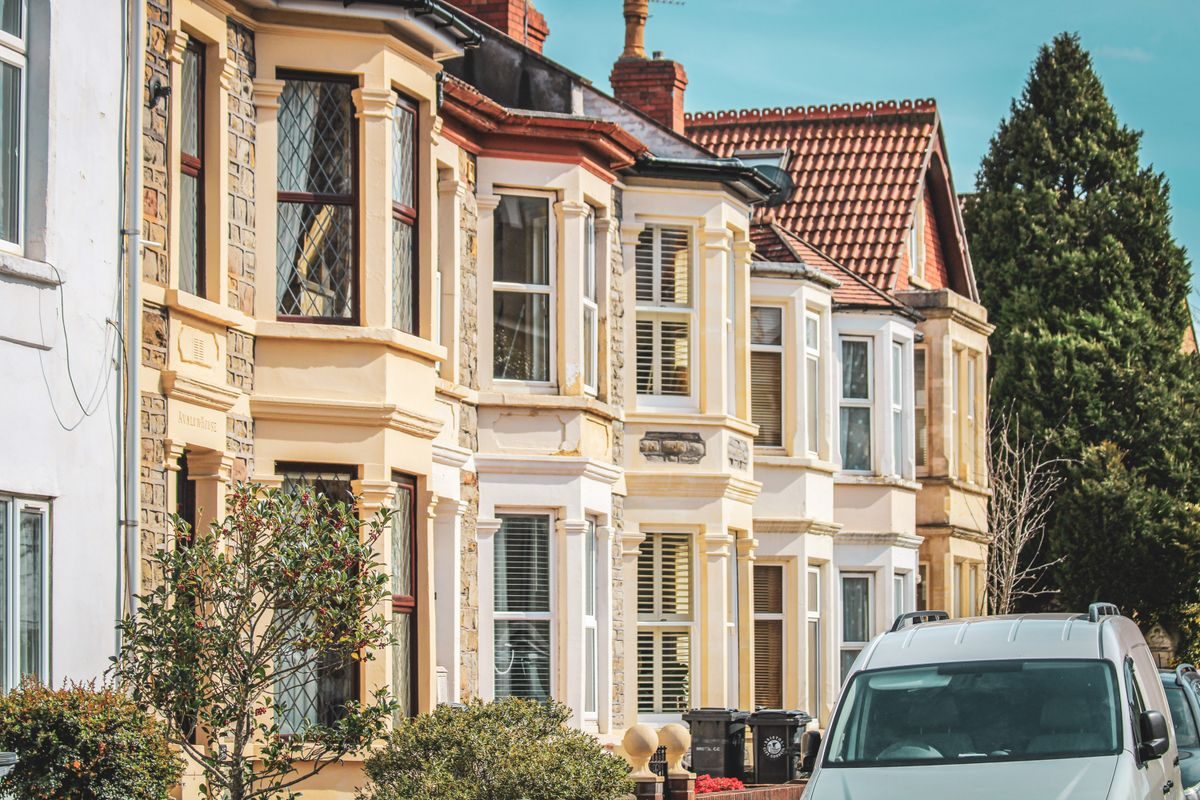
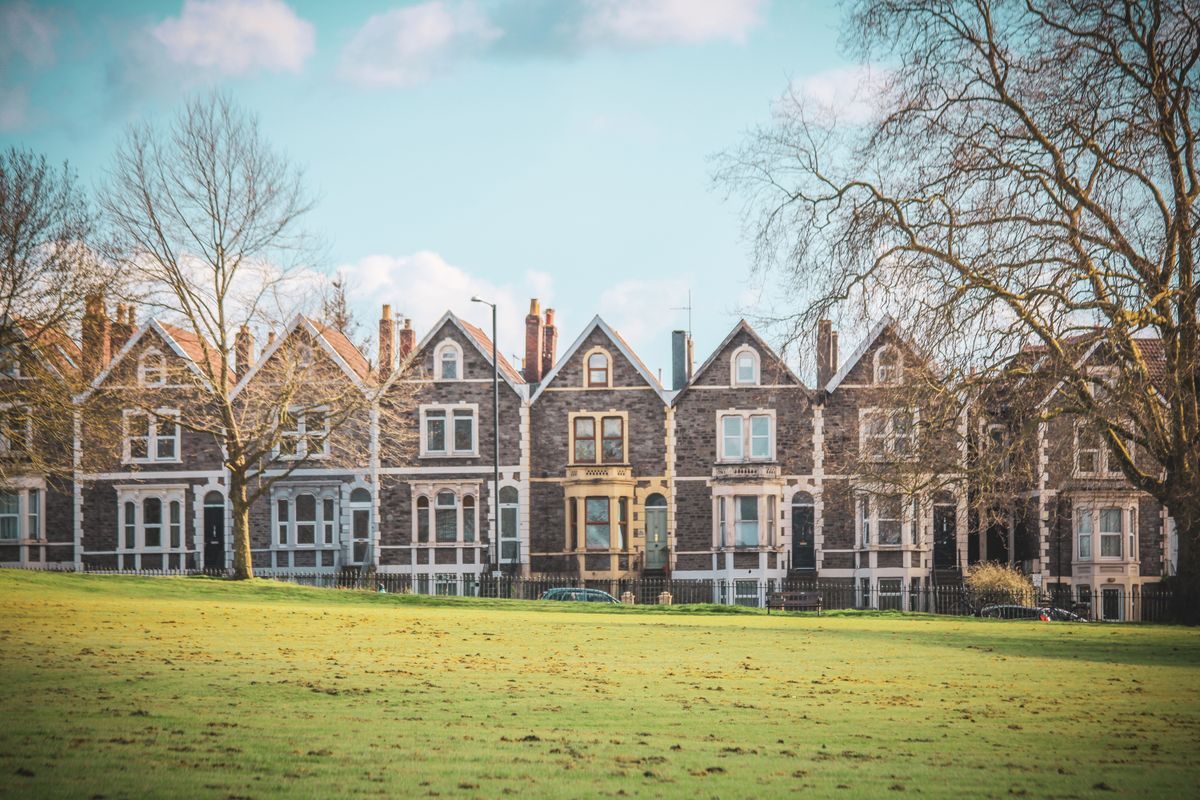
If you let property in Portsmouth, the roof is the part of the building most likely to land you in trouble with a tenant, the council, or both. Portsea Island is the most densely populated city in the UK outside London, and a large share of that density is rented: Victorian and Edwardian terraces in Southsea, Fratton and around the university, many of them converted into shared houses. The University of Portsmouth alone brings well over 25,000 students into the city, and several thousand smaller shared houses sit under the council's HMO licensing scheme on top of the larger ones. Those roofs are typically 110 to 130 years old, they take south-westerly wind straight off the Solent, and they get less rest than an owner-occupied house because tenants change every year. This guide covers what the law actually asks of you, how HMO licensing affects roof maintenance, how quickly you should respond to a leak, what records to keep, and what the common repairs cost.
Your Legal Repairing Duties as a Portsmouth Landlord
The starting point is section 11 of the Landlord and Tenant Act 1985. For almost every residential tenancy of under seven years, it makes the landlord responsible for keeping "the structure and exterior" in repair, and the roof, gutters, downpipes and drains sit squarely inside that. A tenancy clause telling tenants to clear the gutters does not move that duty onto them. You can read the wording of section 11 of the Landlord and Tenant Act 1985 on legislation.gov.uk.

One detail catches landlords out. Your duty to repair usually kicks in once you know about the problem, which means the date a tenant reports a drip is the date the clock starts. A leak reported by text on a Friday night in November is your problem from Friday night, not from whenever the letting agent opens the email on Monday.
The duty is to repair, not to improve. That distinction saves money. If a slate has slipped, you must put it back or replace it. You are not required to re-roof a sound terrace just because the tenants would like a warmer loft. If you are unsure which side of that line a fault sits, a local roofer who works on Portsmouth rentals every week can usually tell you after one visit.
Damp, Mould and the Fitness for Habitation Test
Since 20 March 2020, the Homes (Fitness for Human Habitation) Act 2018 has applied to every assured and secure tenancy in England. It adds a second layer on top of section 11: the home must be fit to live in, judged against the 29 hazards in the Housing Health and Safety Rating System (HHSRS). Damp and mould growth is one of those 29, and a roof leak is one of the fastest ways to create it. Tenants can sue under it directly. The government's guide to the Homes (Fitness for Human Habitation) Act 2018 sets out both sides of that.
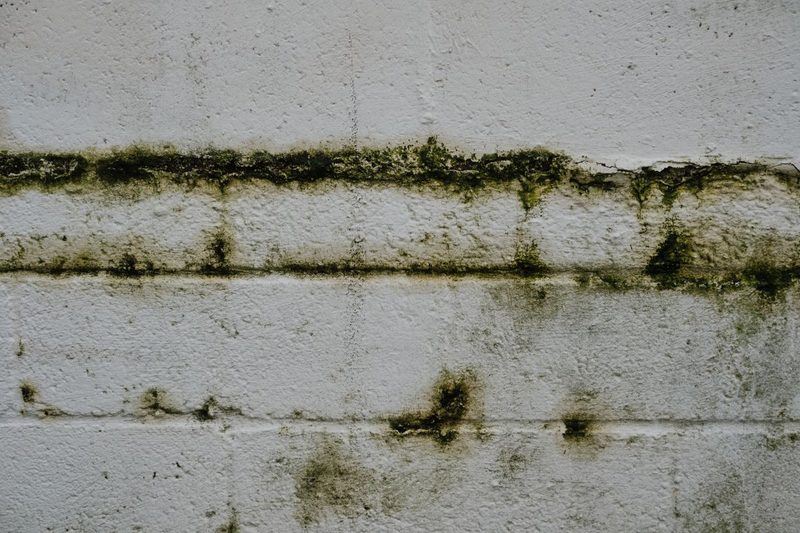
Portsmouth's weather makes this more pressing than the rainfall figures suggest. The city gets roughly 750mm of rain a year, well under the UK average of around 1,150mm, but it is humid and windy, and a lot of the rain arrives sideways. A small leak at a chimney stack or back-addition flat roof can wet a ceiling for weeks unnoticed, and with five people drying washing indoors, that plaster grows mould fast. When a tenant in a shared house reports black mould in a top-floor bedroom, it is worth getting the roof and gutters looked at before anyone reaches for the mould spray.
Where Awaab's Law Stands for Private Landlords
Awaab's Law has applied to social housing since October 2025, with fixed deadlines to investigate and fix damp and mould hazards, including a 24-hour window for emergencies. The Renters' Rights Act 2025 gives the government the power to extend it to private renting, but as of September 2026 no start date has been set, and most commentators expect 2027 at the earliest. So it does not bind private landlords yet. It is still a sensible benchmark to work to.
HMO Licensing in Portsmouth and the Roof
Portsmouth runs two licensing regimes side by side. Mandatory licensing, which applies across England, covers HMOs with five or more people from two or more households. On top of that, Portsmouth City Council's additional licensing scheme covers smaller HMOs with three or four occupants. It started on 1 September 2023, runs until 31 August 2028, and covers every ward in the city, from Paulsgrove and Cosham down to Central Southsea, Fratton and Eastney. Details, fees and the application route are on the council's additional HMO licence page.
For the roof, this matters because licence holders must keep the property in good repair, and the council issues shorter licences, of one year or two and a half years, where it has concerns, while well-run houses can get five. Water through a bedroom ceiling at inspection is an easy way onto the shorter, more expensive cycle. Running an unlicensed HMO can bring a civil penalty of up to £30,000 and a rent repayment order, so check your licensing status before you worry about a single slate.
Leak Response Times Tenants and the Council Expect
There is no fixed statutory deadline for private landlords yet, only "within a reasonable time", which depends on how serious the fault is. These guide timescales reflect typical good practice:
- Water coming through a ceiling, near electrics, or a hole in the roof: make safe within 24 hours
- Active but contained leak, missing slates, a blocked valley gutter: permanent repair within 3 to 7 days
- Cracked pointing, loose flashing with no water getting in, tired gutters: within about 28 days
"Make safe" usually means a tarpaulin, temporary flashing tape or clearing a blockage. On a two-storey Southsea terrace that can usually be done from ladders and roof hooks, without scaffolding. Tell the tenant what is happening at each step, in writing.
Using the Summer Void to Fix Southsea and Fratton Roofs
The student year gives Portsmouth landlords a predictable window. Many shared houses around the university, Fratton and Southsea change occupants between late June and September, and the new rules for student HMOs under the Renters' Rights Act are also built around that changeover. It is the best time for scaffolded work: settled weather, empty bedrooms and nobody to disturb when the roofer needs the loft.

The catch is that everyone else knows this too. Roofers in Portsmouth are busiest from June to August, partly because of student lets and partly because the island's tight terraces mean scaffold licences and parking need arranging in advance. So book the summer work in the spring, ideally after a roof check in February or March, when the winter damage is still visible. Scaffolding for a typical two-storey terrace starts at around £800 to £1,500, so it pays to bundle chimney, ridge and gutter work into one visit rather than paying for scaffold twice.
Keeping Records That Protect You
If a tenant complains to the council or brings a claim, the questions are when you knew and what you did. Keep:

- The date and method of every repair report, including texts and WhatsApp messages
- Dated photos from the roofer before and after the repair
- Invoices and written descriptions of work, not just "roof repair £350"
- Pre-tenancy roof and gutter checks, even when nothing was found
A simple spreadsheet per property works well. Keep them for at least six years, which matches the usual time limit for contract claims. Records are dull. They also win disputes.
Shared Roofs on Terraced Streets
Many Portsmouth rentals share a roof slope, a chimney stack or a valley gutter with the house next door. A leak can start on the neighbour's side and still end up in your tenant's bedroom. We have covered how that works in our guide to who pays for shared roof and party wall repairs on Portsmouth terraces. Your duty to the tenant does not wait for the neighbour.
Typical Roof Repair Costs for Portsmouth Rental Properties
These are guide prices for 2026 on a typical Portsmouth terrace, including VAT. Access and scaffolding move them most.

- Emergency make-safe call-out: £200 to £450
- Replacing a few slipped or broken slates or tiles: £150 to £350
- Clearing and resealing gutters on a terrace, front and back: £90 to £200
- Repointing or rebedding a ridge: £400 to £900
- Replacing lead flashing around a chimney: £350 to £800
- Back-addition flat roof replaced in EPDM or GRP: £1,500 to £3,500
- Full re-roof of a two-storey Victorian terrace: £7,500 to £12,500
Salt air on Portsea Island shortens the life of nails, lead and gutter brackets compared with inland Hampshire, so budgeting around £300 to £500 a year per terraced house for roof and gutter upkeep is reasonable for most landlords here.
Common Questions About Landlord Roof Repairs in Portsmouth
Is a landlord in Portsmouth responsible for roof leaks? Yes. For almost all residential tenancies under seven years, section 11 of the Landlord and Tenant Act 1985 makes the landlord responsible for the roof, gutters and drains, usually from the point the landlord or agent is told about the problem.

How quickly does a landlord have to fix a leaking roof? The law says within a reasonable time, which depends on how serious the leak is. As a guide, water coming through a ceiling should be made safe within 24 hours, with the permanent repair following within days.
Does Awaab's Law apply to private landlords in Portsmouth? Not yet. It has applied to social housing since October 2025, and the Renters' Rights Act 2025 allows it to be extended to private renting, but no date had been set as of September 2026.
Do I need an HMO licence for a three-bed student house in Portsmouth? If three or more people from two or more households live there, very likely yes. Portsmouth's additional licensing scheme covers HMOs with three or four occupants across the city until 31 August 2028, and mandatory licensing covers five or more.
When is the best time to do roof work on a rental property? For student and shared houses, the summer changeover between June and September. Book in spring, as Portsmouth roofers fill their summer diaries early.
Ready to work with Roof Repairs Portsmouth?
Let's connect! We’re here to help.
Send us a message and we’ll be in touch.
Or give us a call today at 023 9355 3469
Agency Contact Form
More Marketing Tips, Tricks & Tools