Shared Roofs and Party Walls on Portsmouth Terraces: Who Pays for Repairs and How to Handle the Neighbour
Portsmouth is the most densely populated city in the UK outside London, with around 5,300 people per square kilometre packed onto Portsea Island, and the reason is the terrace. Roughly 60% of the city's homes are terraced, most of them built between 1880 and 1914 in the long straight streets of Southsea, Fratton, Copnor and North End. Every one of those houses shares something with the neighbour: a party wall running up through the roof, a valley gutter between the two roof slopes, or a run of guttering that drains across three or four properties before it reaches a downpipe. Shared roof repairs on Portsmouth terraces are the source of more neighbour disputes than any other building issue in the city, and the sea air makes the shared parts fail faster than they would inland. Here is who is responsible for what, what the law says about work on a shared structure, and how to get a shared repair done without falling out.
What Is Actually Shared on a Portsmouth Terrace Roof
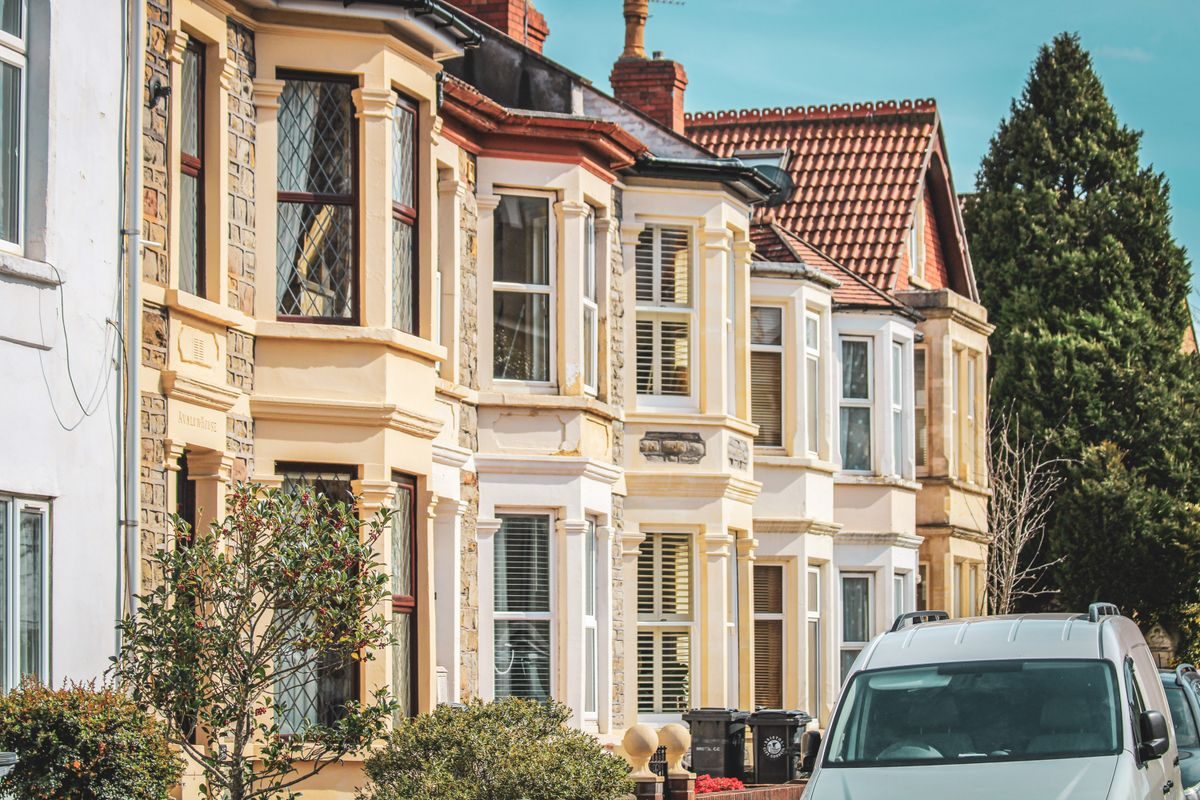
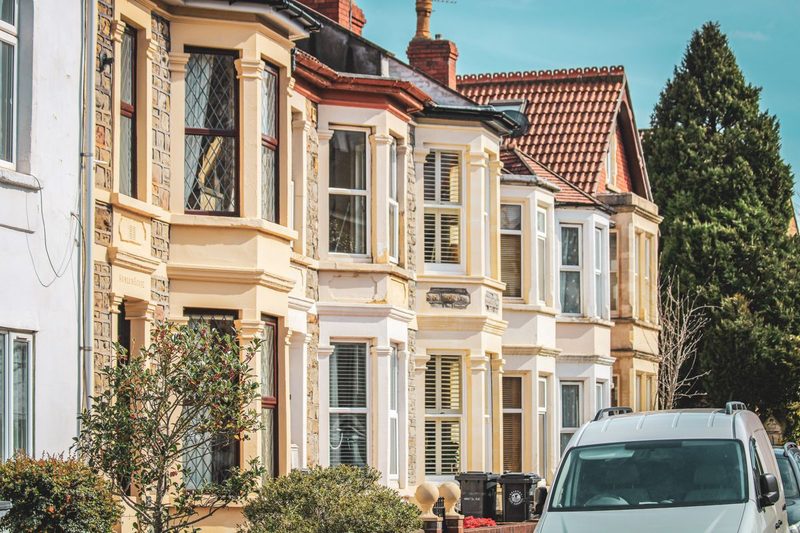
Walk down any street in Southsea and look up. Where two houses meet, the roof either runs straight across as one slope, with the party wall hidden beneath the tiles, or there is a parapet wall standing above the roofline with a lead-lined gutter behind it. Both are shared structures.
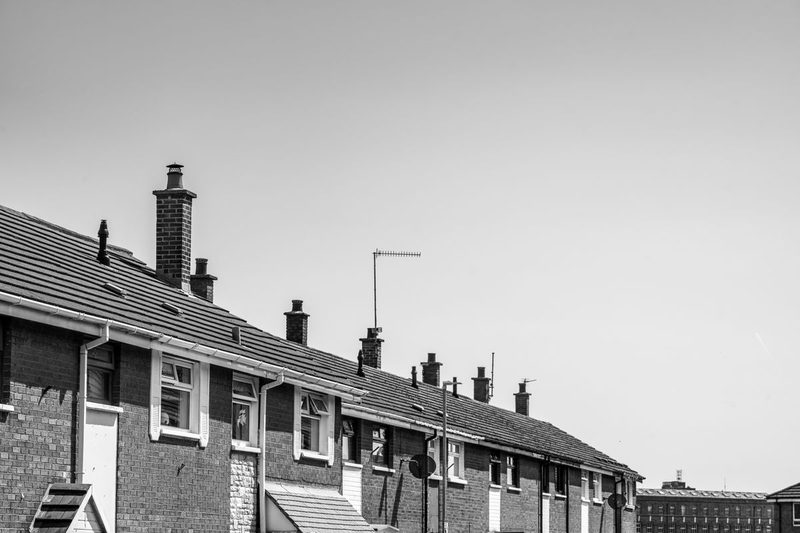
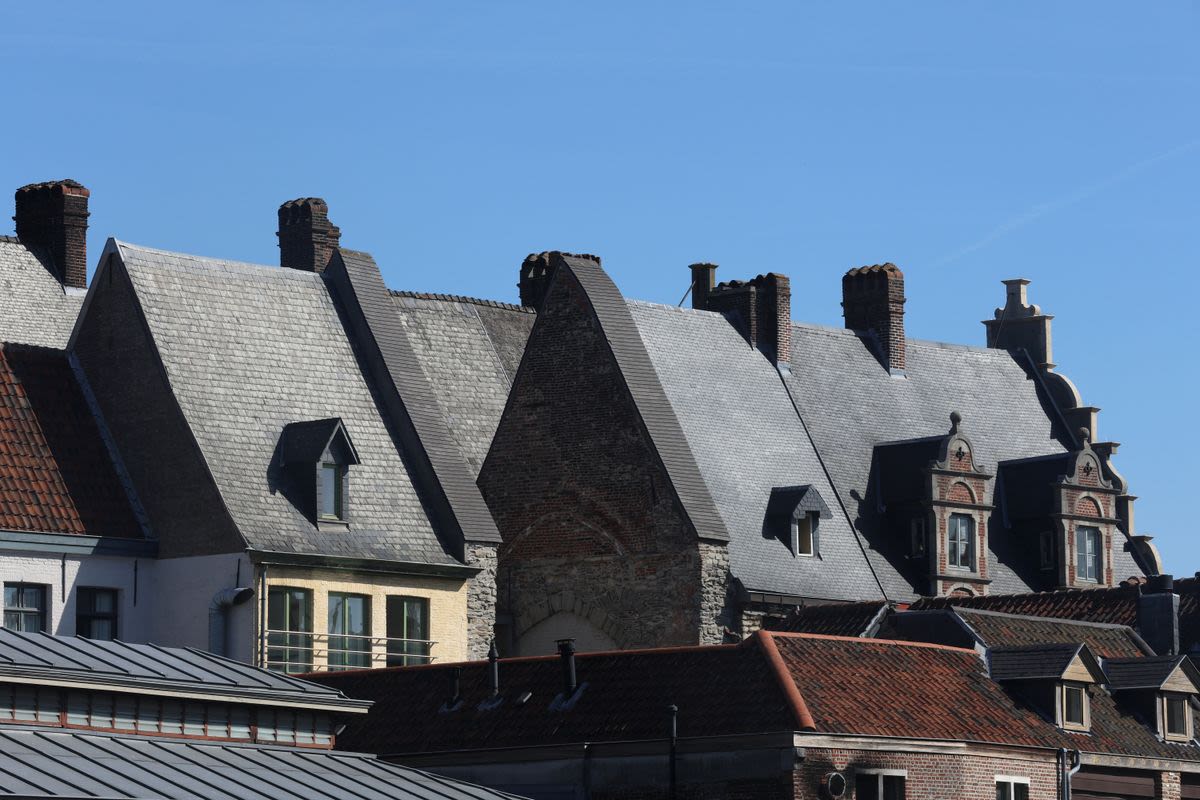
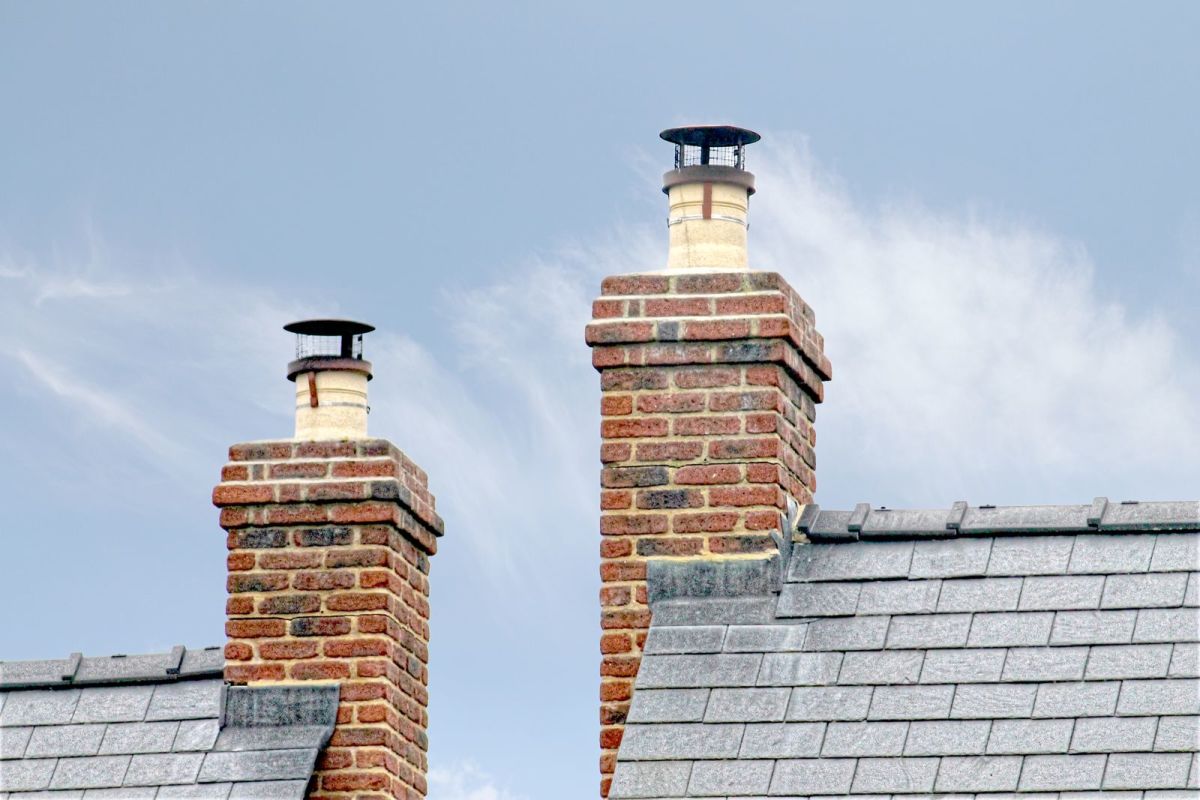
On the straight-across roofs, common in Fratton and Copnor, the party wall stops just below the tiles and the roof covering is continuous. Slates or tiles near the boundary sit on battens that span both properties. On the parapet-wall terraces around Southsea and Old Portsmouth, the parapet itself is jointly owned and the gutter behind it drains both roofs. Valley gutters, where an M-shaped roof dips between two houses, are the classic shared component: one lead or felt-lined channel taking water from two roofs, usually with a single outlet at one end. When it fails, the water goes into whichever house is lowest, which is not always the one whose roof caused it.
If you have a leak near a boundary and cannot tell whose roof is at fault, Roof Repairs Portsmouth can survey both sides from a single access point and give a written opinion on where the water is getting in, which is the document that settles most of these disputes before they start.
Who Is Legally Responsible for a Shared Roof Repair
The starting point is the title deeds. Many Portsmouth terraces have covenants in the deeds that state how shared parts are to be maintained, typically that each owner is responsible for the part of the shared structure on their side of the boundary and that the cost of jointly used parts, such as a valley gutter, is shared equally. If the deeds are silent, the general law applies: each owner is responsible for the parts of the roof over their own property, and a shared element is owned in common with the neighbour.

What that means in practice is that if the valley gutter leaks, both owners are liable for the repair, and either can have the work done and claim a fair share from the other. If a slipped tile on your neighbour's slope is letting water into your loft, that is your neighbour's repair, and if they refuse you have a claim in nuisance for the damage it causes. The Royal Institution of Chartered Surveyors' guidance for homeowners on boundary and party wall matters is worth reading if the deeds are unclear, because a surveyor's letter is far cheaper than a solicitor's.
Buying a Terrace? Check the Shared Roof First
Shared roof defects are one of the most common things flagged on a pre-purchase survey in Portsmouth, and one of the most commonly ignored because they look small. We covered what a surveyor is looking for in our guide to roof surveys when buying a house in Portsmouth. A "valley gutter in poor condition, shared with neighbour" note in a survey is a £900 to £1,800 repair that needs a neighbour's cooperation, and that is worth knowing before you exchange.
The Party Wall Act and Roof Work
The Party Wall etc. Act 1996 applies to any work on a party wall or party structure, and that includes raising, repairing or rebuilding a parapet wall, cutting into the party wall to insert flashings, and rebuilding a chimney stack that sits on the boundary. It does not apply to routine repairs such as replacing slates or clearing a gutter. The government's explanatory guide to the Party Wall Act lists what needs notice.
Where the Act applies, the owner doing the work must serve written notice on the neighbour at least two months before starting. The neighbour can consent, in which case work proceeds, or dissent, in which case each side appoints a surveyor and a party wall award sets out how the work is done. Most Portsmouth roof repairs never get near that, because a like-for-like repair to a shared valley or gutter is not notifiable. Rebuilding a shared parapet or chimney is, and skipping the notice gives the neighbour grounds for an injunction that stops the work mid-job with the scaffold up.
The practical advice is simple. Tell the neighbour in writing about any roof work near the boundary, even when notice is not legally required, and put the cost split in the same letter.
What Shared Roof Repairs Cost in Portsmouth
Typical 2026 prices for the shared repairs we see most on Portsmouth terraces:

- Reline a valley gutter in lead or GRP between two houses: £900 to £1,800
- Repair or rebuild a parapet wall section and re-lead the gutter behind it: £1,200 to £2,800
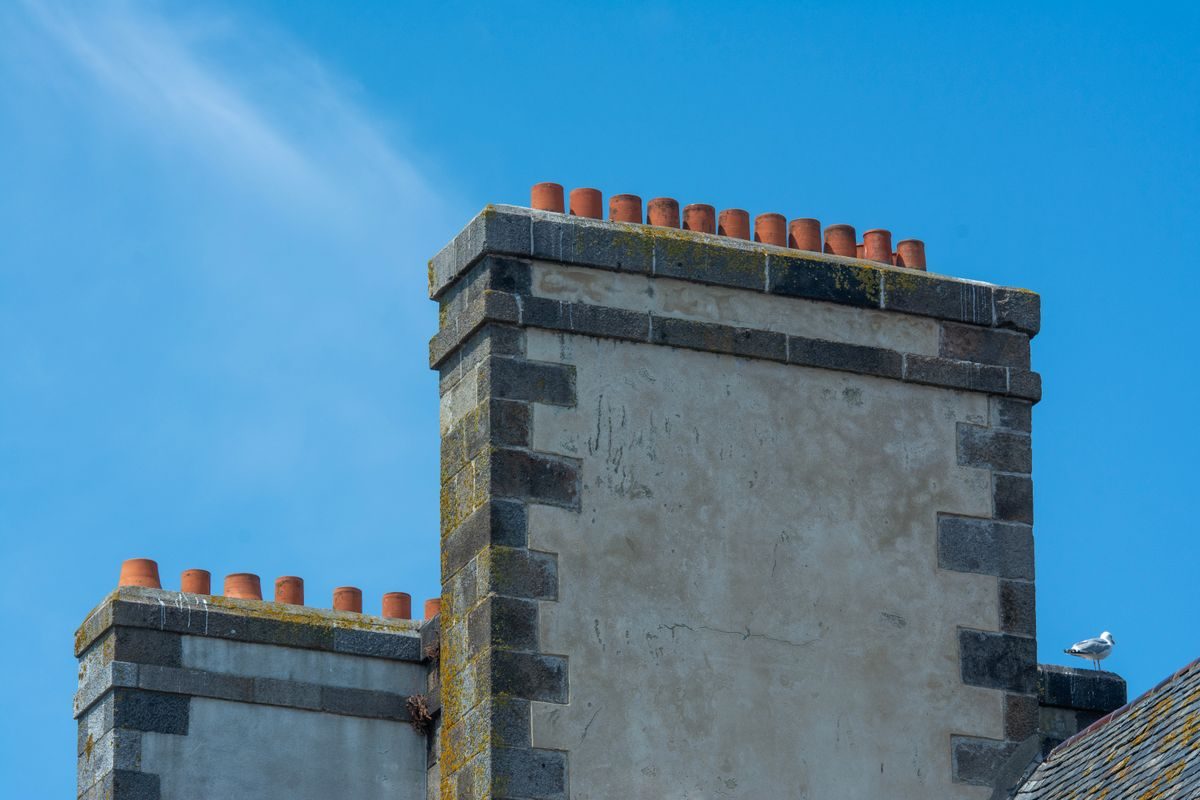
- Repoint a shared chimney stack and renew the flashings both sides: £600 to £1,300
- Replace a continuous run of gutter across two frontages: £350 to £700
- Renew a lead soaker and flashing at a party wall abutment: £250 to £550
Coastal exposure pushes these figures up 10% to 15% against inland Hampshire. Salt-laden air corrodes lead fixings and galvanised nails, so a valley that would last 40 years in Winchester manages 25 to 30 in Southsea. Scaffolding is the other cost. Portsmouth's terraces have narrow pavements, and a scaffold for a valley gutter job needs a pavement licence from the city council and often has to stand on both properties, which is another reason to agree the work with the neighbour first.
The city has a reasonable supply of roofers, but the number experienced in lead valley work on Victorian terraces is smaller, and they book four to eight weeks ahead through autumn and winter.
How to Agree a Cost Split Without Falling Out
Get one roofer to survey and quote for the whole shared repair, with the shared and non-shared elements itemised. A quote that says "valley gutter £1,400, your slope £320, neighbour's slope £280" gives everyone a fair basis. Send it to the neighbour with a short note proposing the split, and offer to have the invoice made out separately for each share.

Where a neighbour will not engage, the options are to do the work and recover the cost through the small claims court, which for sums under £10,000 is inexpensive and does not need a solicitor, or to involve the city council's environmental health team if the defect is causing damp in your home. Neither is pleasant. Most of the time a clear quote, a polite letter and a reasonable deadline get the job agreed within a fortnight.
Landlords own a large share of Portsmouth's terraces, particularly in the student areas around the university, and a tenant reporting a leak often has no idea who owns next door. The Land Registry will tell you for £3, and a letter to the registered owner is the starting point.
Preventing the Next Shared Roof Problem
Most valley and parapet gutter failures on Portsmouth terraces start with a blockage. Moss from the roof, leaves, and in Southsea a surprising amount of seagull debris, collect in the gutter, water backs up, and it finds its way under the lead. A gutter clearance every autumn, costing £60 to £120 for a terrace frontage, prevents the majority of the £1,400 valley relines we do.

Agreeing with a neighbour to have both roofs checked at the same time, from one scaffold or one cherry picker, halves the access cost and means small faults get caught on both sides. On a terrace, your roof is only ever as good as the one next door.
Frequently Asked Questions
Who pays for a shared valley gutter repair on a Portsmouth terrace?
Usually both owners, split equally, because the valley drains both roofs and is jointly owned. Check the title deeds first, as some Portsmouth terraces have covenants that set out the split. Either owner can have the work done and recover a fair share from the other.

Do I need a party wall notice for roof repairs?
Not for routine repairs such as replacing slates, relining a valley or clearing gutters. You do need to serve two months' notice under the Party Wall Act for rebuilding a shared parapet or chimney stack, or cutting into the party wall for new flashings.
What does it cost to reline a shared valley gutter in Portsmouth?
Between £900 and £1,800 in 2026 for a lead or GRP reline between two terraced houses, including scaffolding. Coastal corrosion means Portsmouth valleys last 25 to 30 years against 40 inland, so budget for this once in a typical ownership.
What if my neighbour refuses to pay their share?
Get an itemised quote showing the shared element, write to the neighbour proposing the split, and give a reasonable deadline. If they still refuse, the work can be done and the cost recovered through the small claims court, or the council's environmental health team can be involved if the defect is causing damp.
Ready to work with Roof Repairs Portsmouth?
Let's connect! We’re here to help.
Send us a message and we’ll be in touch.
Or give us a call today at 023 9355 3469
Agency Contact Form
More Marketing Tips, Tricks & Tools