Roofing Guarantees in Portsmouth: Workmanship, Manufacturer and Insurance-Backed Cover Explained
Most Portsmouth homeowners file their roofing guarantee in a drawer and never read it until something goes wrong. That's usually when they find out how little it covers. A "25-year guarantee" on a new flat roof often turns out to be a manufacturer's warranty on the membrane alone, with the roofer's own promise lasting just 5 or 10 years. If the roofer stops trading, that workmanship cover can vanish overnight, and construction firms make up roughly 1 in 6 company insolvencies in England and Wales, more than any other industry. Portsmouth adds a coastal twist. Almost every home on Portsea Island sits within 3km of salt water, and plenty of manufacturers cut or void their cover for products fitted close to the sea. Add south-westerly gales off the Solent and you have two of the most common reasons a claim gets refused. This guide explains the three kinds of roofing guarantee in Portsmouth, the exclusions that catch people out, and the questions to ask before you sign.
Three Kinds of Roofing Guarantee in Portsmouth, and Who Stands Behind Each
When a quote mentions a guarantee, it could mean one of three quite different things. They often get bundled onto the same sheet of paper, which is where the confusion starts.

A workmanship guarantee is the roofer's own promise that the job was done properly. If the flashing they fitted leaks because it was badly dressed, they come back and fix it. Typical lengths are 1 to 10 years for repairs and 10 years for a full re-roof. The catch: it's only worth anything while the firm still exists.
A manufacturer's warranty covers the materials. If a batch of EPDM membrane splits or a run of concrete tiles laminates early, the manufacturer pays for replacement. These run from 10 years on felt systems to 20-25 years on good EPDM and GRP, and up to 30 years or more on some tile and slate ranges. An insurance-backed guarantee (IBG) is a separate policy that pays out on the workmanship guarantee if the roofer goes bust or refuses to honour it.
Ask which of the three you're actually getting, and in what length. If you're comparing quotes and want a straight answer on what's included, our Portsmouth roofing team will spell out each guarantee separately before any work starts.
What a Workmanship Guarantee Really Covers
A workmanship guarantee covers faults caused by how the job was done, not by what happened to the roof afterwards. Think of a ridge that comes loose because it was bedded on weak mortar, or valley lead that splits because it was laid in lengths over 1.5 metres without proper laps. Those are the roofer's problem.
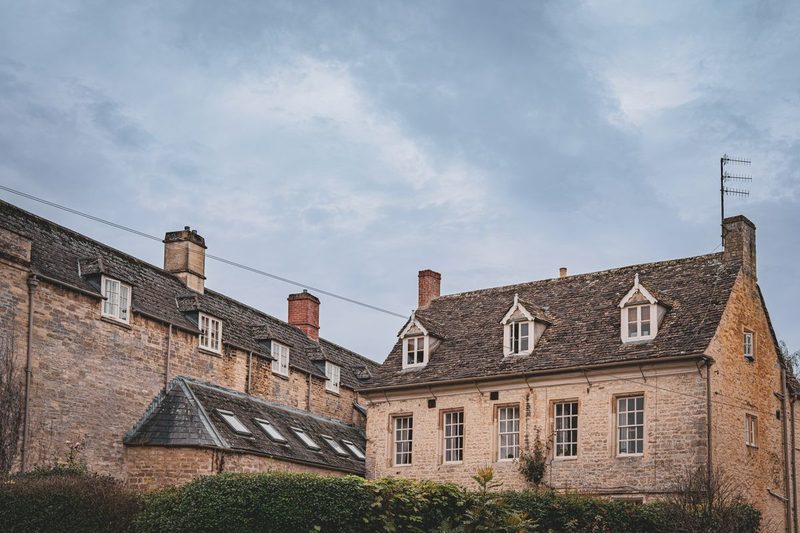
What it won't cover matters just as much. Storm damage, a satellite installer cracking tiles, blocked gutters overflowing into the fascia, gulls pulling at the ridge, and normal wear on older parts of the roof the roofer never touched are all usually excluded. On a typical Southsea terrace repair where only 10-15% of the roof was worked on, the guarantee only applies to that 10-15%.
Your rights without any written guarantee
You have legal protection even if the paperwork says nothing. Under section 49 of the Consumer Rights Act 2015, any service a trader provides must be carried out with reasonable care and skill. In England you generally have up to 6 years from the work to bring a claim for breach of contract. A written guarantee should sit on top of these rights, never replace them, and any clause that tries to take them away won't hold up.
Manufacturer Warranties and the Salt-Air Problem
This is where Portsmouth homeowners get caught. Many manufacturers set "coastal" conditions in their warranties, and the distances they use can be anything from 500 metres to 5km from the sea. Portsea Island is roughly 4km across at its widest, with water on every side, so most homes in the city fall inside at least one of those bands.
The products most affected are the ones that can corrode:
- Coated steel and aluminium roofing sheets, often with warranties cut by 30-50% or excluded entirely within 1km of the coast
- Metal flashings, trims and gutter systems with painted finishes
- Fixings, clips and screws, where the warranty may require stainless steel grade A4 (marine grade) rather than standard A2
- Solar mounting systems and roof window frames, which often carry separate coastal conditions
Tiles, slates and most single-ply membranes are less sensitive to salt, but even these warranties can depend on the right fixings. Salt spray carried on a strong south-westerly can reach several kilometres inland, so living in Cosham or Drayton doesn't automatically put you outside the zone.
Ask the roofer to check the datasheet
A good roofer will check the manufacturer's coastal conditions against your postcode before ordering anything. If a product isn't warranted for your location, they should pick one that is. Make sure the final quote names the exact product range, not just "metal sheet" or "membrane".
Wind Exclusions and Why Portsmouth's Weather Matters
Portsmouth is one of the drier spots in the UK, with roughly 700-750mm of rain a year against a UK average of around 1,150mm. The wind does the damage. The city faces open water to the south and west, and gusts of 50-60mph are common enough during autumn and winter storms between October and February.
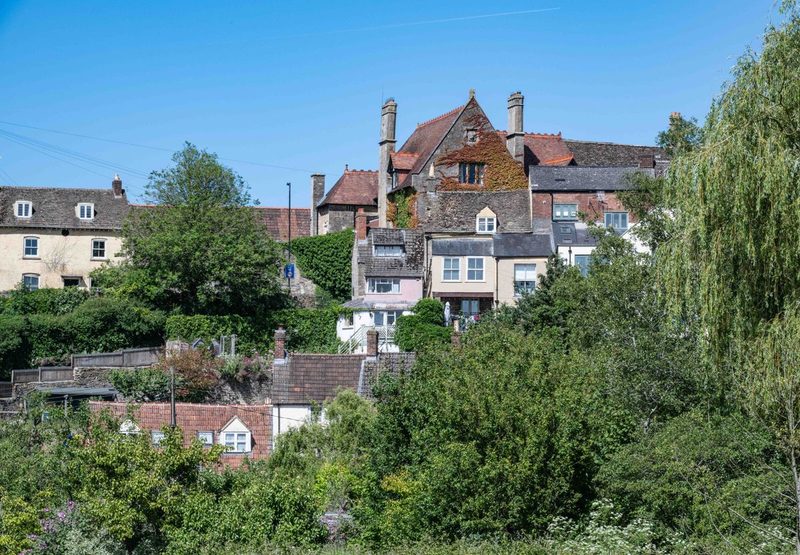
Most roofing warranties exclude "extreme weather" or "storm damage". Some define this by a wind speed, often gusts above around 55mph, while others leave it vague. The logic is that a correctly fitted roof should handle normal weather, and anything beyond that is an insurance matter rather than a warranty one. In practice, it means a ridge that blows off in a named storm will usually go through your home insurance, not your roofer's guarantee.
The two do overlap sometimes. If tiles were fitted without the mechanical fixings that BS 5534 requires, they may come off in a 45mph gust that a properly fixed roof would shrug off. That's a workmanship failure, and your insurer may refuse the claim for the same reason. Since 2015, BS 5534 has required every tile on a new or re-laid roof to be mechanically fixed, so ask your roofer to confirm this in writing for any re-roofing work.
Insurance-Backed Guarantees: When They're Worth Paying For
An insurance-backed guarantee costs relatively little, often £50 to £250 on a domestic job or around 2-5% of the contract value on larger work. It's worth having on anything over about £3,000, and particularly on a full re-roof or flat roof replacement where the guarantee might run for 10 years.
This matters more in Portsmouth than in most places. Experienced roofers are in short supply here, and with tens of thousands of pre-1919 terraces across Portsea Island needing regular work, the city attracts plenty of short-lived firms alongside the long-established ones. Expect to wait 3 to 6 weeks for a well-regarded local roofer in autumn and winter. An IBG means the guarantee survives even if the firm that issued it doesn't.
Check the policy carefully. Many IBGs only cover the deposit and the cost of finishing or remedying the work, capped at the original contract value. Some only pay out if the firm has ceased trading, not if it's still around but refusing to come back. Schemes run through TrustMark, the government-endorsed quality scheme, and trade bodies often include or arrange this kind of protection, so it's worth asking whether your roofer is registered.
We've written about how roof coating salesmen use long "guarantees" as a selling point, and why many of those promises don't hold up. Our guide to roof coatings and sealants in Portsmouth covers the warning signs in detail.
Common Ways Homeowners Void Their Own Roof Guarantee
Plenty of guarantees get voided by the homeowner, usually without realising. Most refused claims we see come down to one of these:
- Letting another tradesperson work on the roof. A satellite dish, aerial, solar panels or a new boiler flue fitted by someone else can void cover on that area
- Skipping required maintenance. Some flat roof warranties need an inspection every 12 months, and gutters cleared at least once a year
- Walking on the roof. Foot traffic on GRP or felt can crack the surface, and most warranties exclude it
- Not reporting a leak quickly. Many guarantees require you to notify the roofer within 14 or 30 days of spotting a problem
- Selling the house without transferring the guarantee. Some are transferable for a small fee, often £25 to £50, but only if you apply within a set period
Portsmouth's gulls add one more. Gull damage to ridges, lead and flat roof surfaces is almost always excluded, and cleaning out nesting debris is treated as maintenance, not a defect.
What to Get in Writing Before Work Starts
A verbal "it's guaranteed" won't help you much in a dispute five years later. Before you sign, get these points written into the quote or contract:
- Who gives the guarantee, and in what form - roofer, manufacturer, insurer, or all three
- The length of each guarantee in years, stated separately
- Exactly what work and which areas of the roof are covered
- The named product ranges, with confirmation that they're warranted for a coastal location
- Any exclusions, especially wind, salt, foot traffic and other trades
- Maintenance you need to do to keep it valid, and how often
- Whether it's transferable to a new owner, and at what cost
- Whether there's an insurance-backed guarantee, and the name of the insurer
Keep the paperwork, your invoice and dated photos of the finished roof together. If the job included a flat roof, ask for the manufacturer's registration certificate, as some warranties only start once the installer has registered the job. The National Federation of Roofing Contractors is a useful place to check whether a firm is a member and what standards it has signed up to.
Common Questions About Roofing Guarantees in Portsmouth
How long should a roofing guarantee last in Portsmouth? For small repairs, 1 to 5 years of workmanship cover is normal. For a full re-roof or flat roof replacement, expect at least 10 years from the roofer, with a separate manufacturer's warranty of 15 to 25 years or more on the materials.

Does living near the sea in Portsmouth affect my roof warranty? It can. Some manufacturers reduce or exclude cover for metal sheets, trims, gutters and fixings within a set distance of the coast, often between 500 metres and 5km. Most of Portsea Island falls inside those zones, so ask your roofer to confirm the products are warranted for your postcode.
Is storm damage covered by my roofing guarantee? Usually not. Most guarantees exclude extreme weather, so storm damage normally goes through your home insurance. The exception is where poor fixing caused the failure, in which case it may count as a workmanship fault.
Is an insurance-backed guarantee worth it? On jobs over about £3,000 it's usually worth the £50 to £250 cost. It protects your workmanship guarantee and deposit if the roofer stops trading before the guarantee runs out.
What happens to my roof guarantee if I sell my house? Some guarantees transfer to the new owner automatically, others need an application and a small fee, and some end on sale. Check the terms before you list the house, as a valid guarantee can help with buyers' surveys.
Ready to work with Roof Repairs Portsmouth?
Let's connect! We’re here to help.
Send us a message and we’ll be in touch.
Or give us a call today at 023 9355 3469
Agency Contact Form
More Marketing Tips, Tricks & Tools