Scaffolding for Roof Work in Portsmouth: Costs, Pavement Licences and Mid-Terrace Access
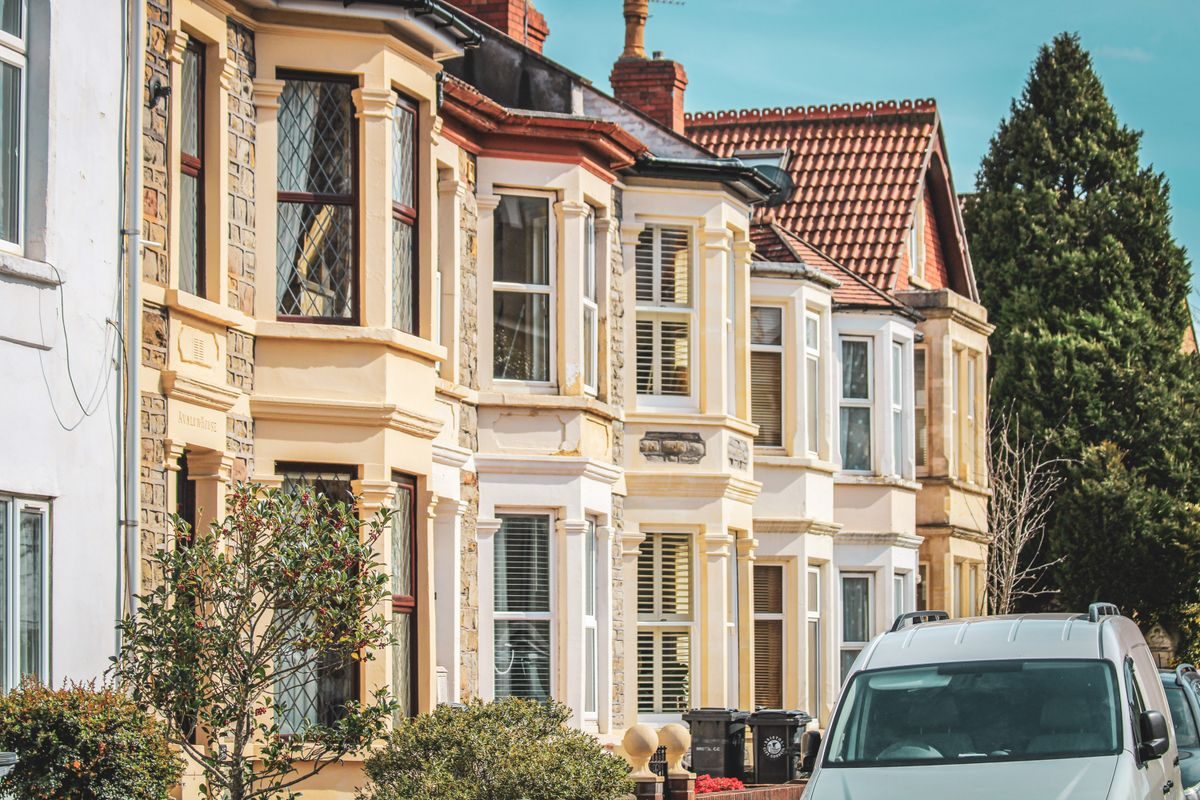
Ask a Portsmouth roofer for a quote and the line that surprises people most is rarely the tiles or the labour. It's the scaffolding for the roof work in Portsmouth. On a typical two-storey terrace in Southsea, Fratton or North End, scaffold can take 25% to 40% of the total bill on a mid-sized repair, and on a small job like a chimney flashing it can cost more than the repair itself. Portsmouth makes this harder than most places. Portsea Island packs more than 5,000 people into each square kilometre, front doors open straight onto narrow pavements, and many mid-terraces have no side access at all. Add a coastline that sees some of the windiest winter days on the south coast, and you have a city where getting safely onto a roof takes real planning. This guide covers what scaffolding costs here, when the council needs to licence it, how it gets to the back of a mid-terrace, and how to stop the hire bill creeping up.
Why Scaffolding Takes Such a Big Share of a Portsmouth Roof Repair
Scaffold is priced mostly on the labour to put it up and take it down, plus the transport. The steel itself is cheap to hire for a few weeks. A two-man scaffold crew can spend half a day carrying tubes and boards along a terraced street, building a lift at a time up the front of a house. That labour costs the same whether your roofer is there for one day or ten, which is why small jobs feel expensive.
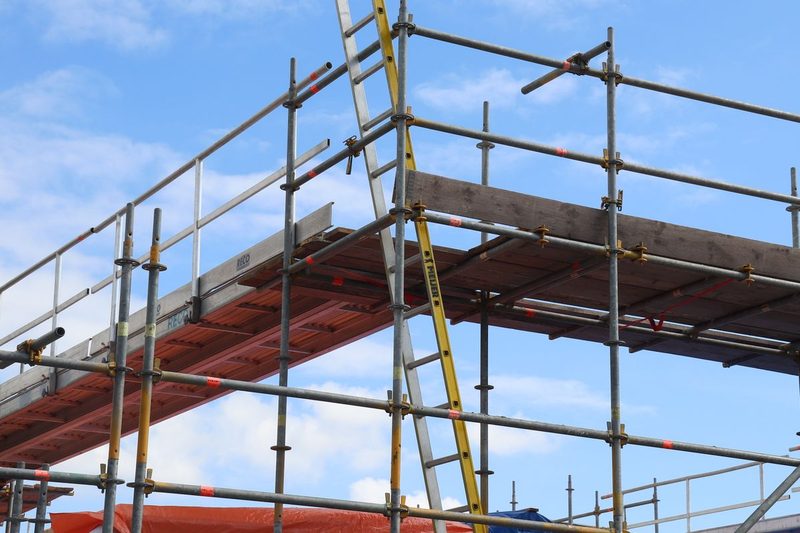
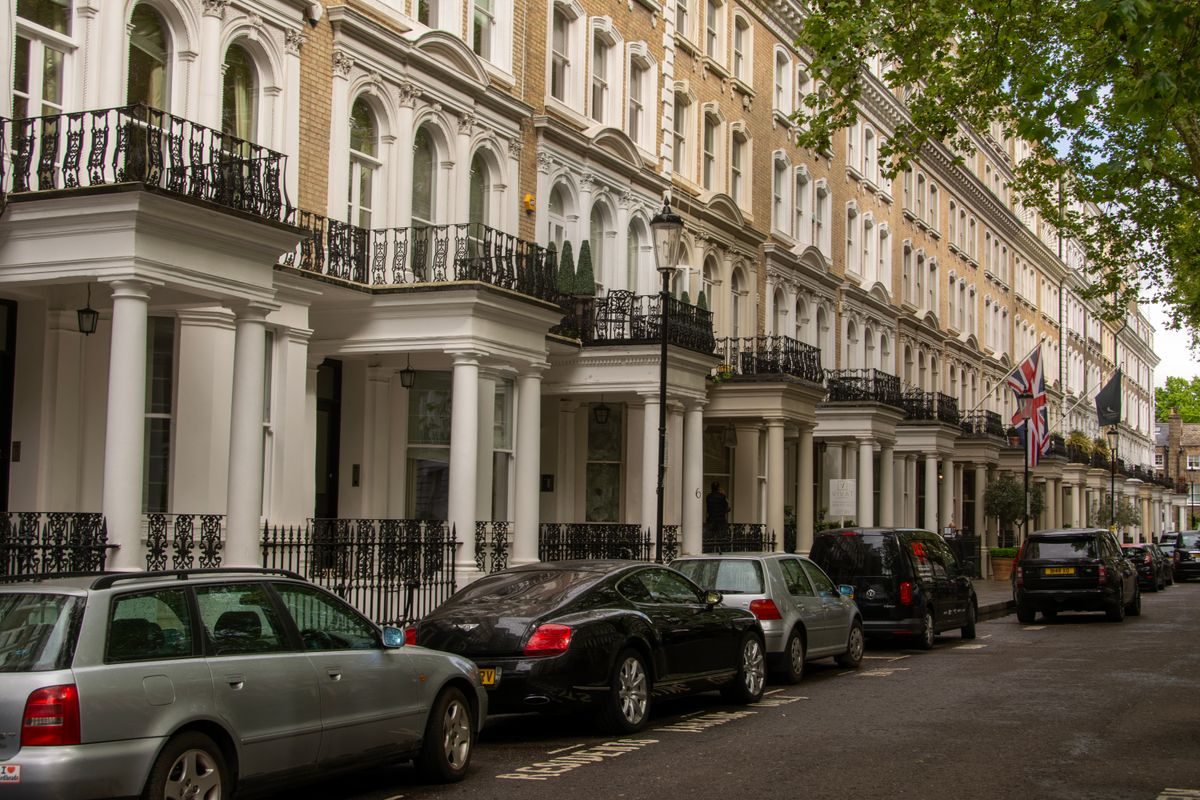
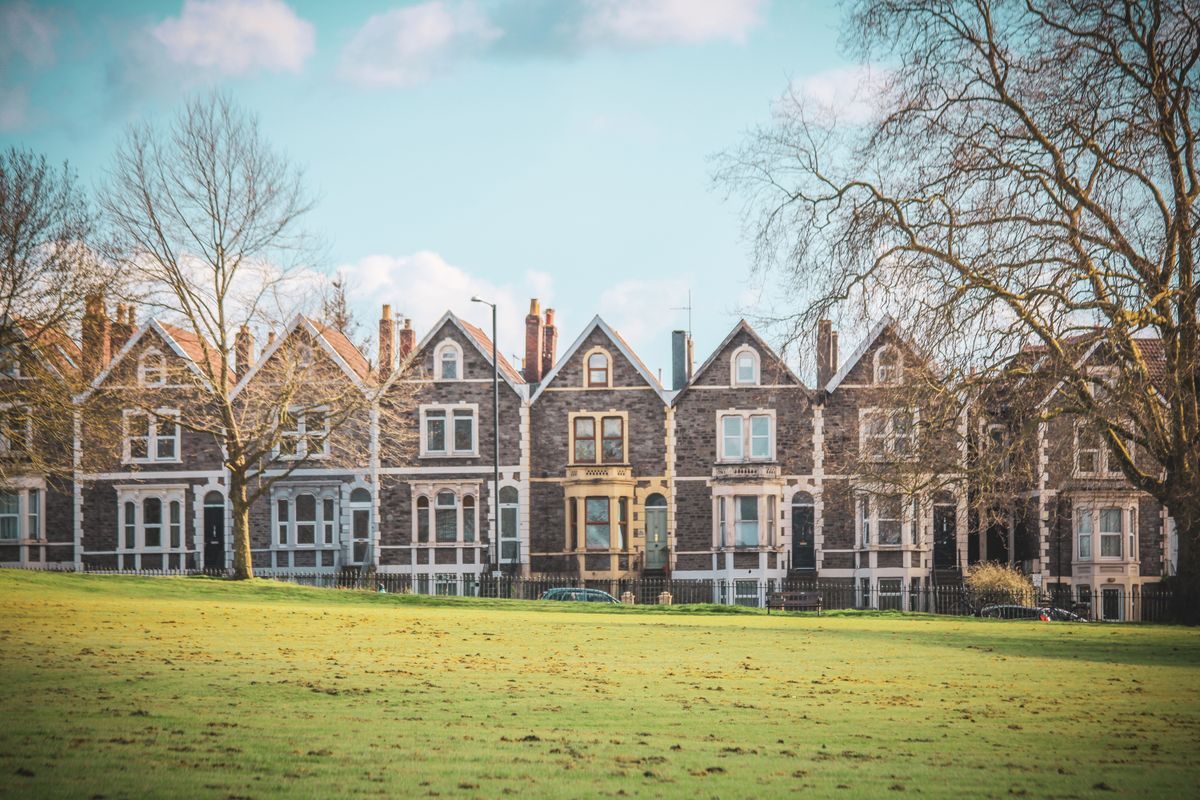
Portsmouth adds its own extras. Narrow streets mean the scaffold lorry often can't park outside, so the crew carries everything from the end of the road. Most of the city sits inside residents' parking zones, so suspending a bay for the lorry may need arranging. And with so many houses built in long, unbroken rows between the 1870s and 1910s, there's rarely a side passage to reach the back.
If you're not sure whether your job even needs scaffold, our Portsmouth roofing team can usually tell you from a quick look at photos or a short visit. Plenty of small repairs don't need it at all.
Roof Scaffolding Costs in Portsmouth: 2026 Guide Prices
These are typical prices for Portsmouth homes in 2026, including VAT, for a standard hire period of four to six weeks. Height, access and how long it stays up move them the most.
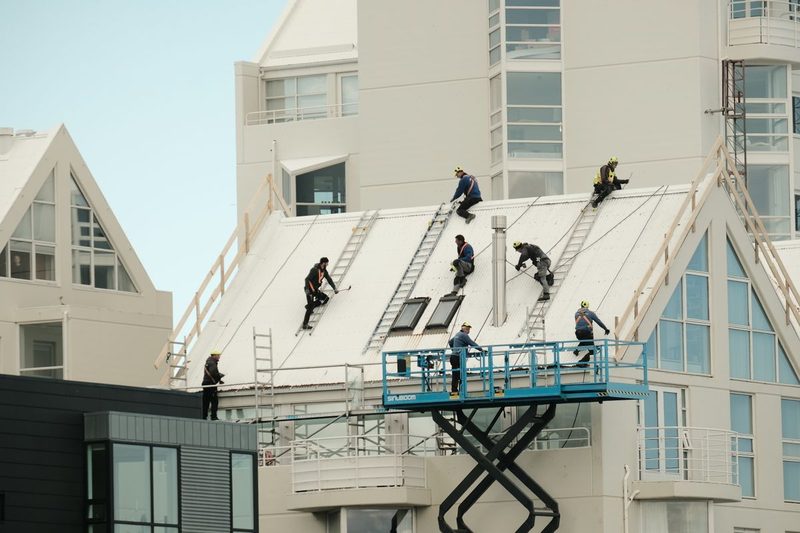
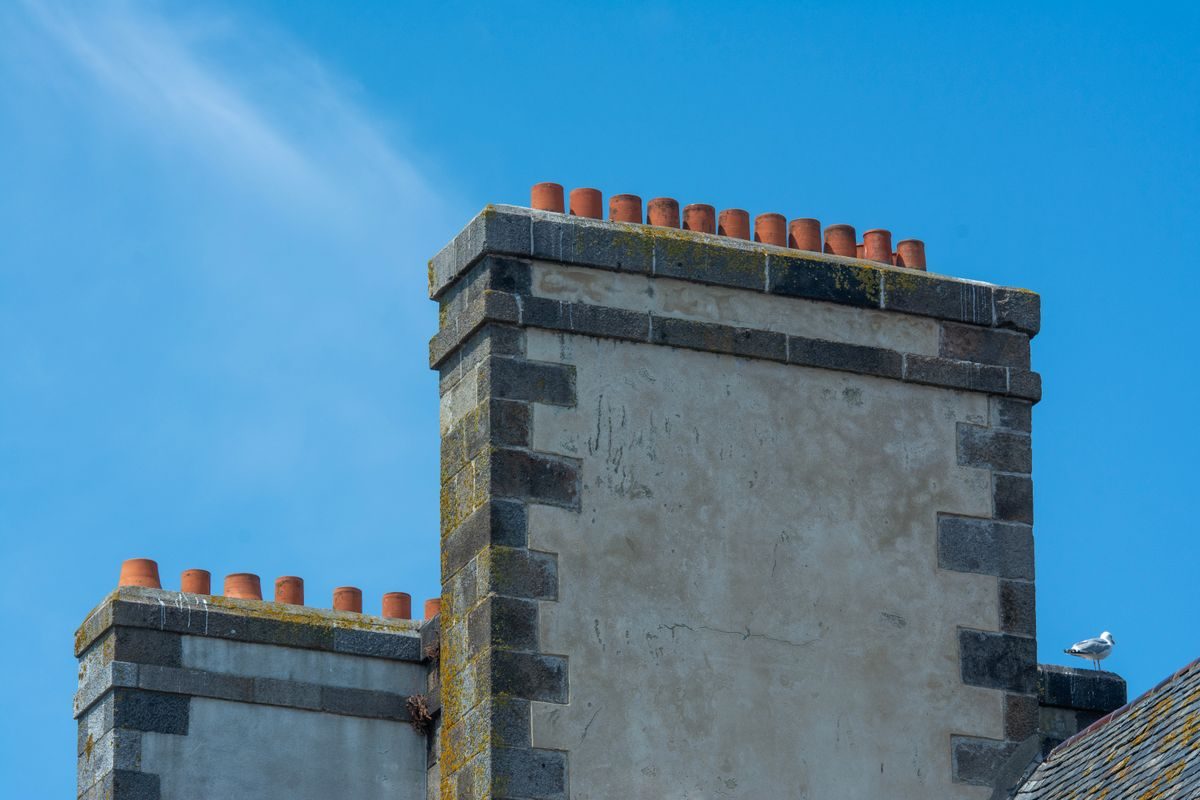
- Chimney scaffold on a two-storey terrace (front or back of the stack): £550 to £950
- Front elevation of a two-storey terrace, one lift to the gutter plus a roof edge guard: £650 to £1,100
- Front and back of a two-storey mid-terrace: £1,300 to £2,200
- Three-storey Victorian townhouse, front elevation: £1,000 to £1,700
- Full wrap-round scaffold on a semi-detached house for a re-roof: £1,800 to £3,200
- Scaffold over a back-addition or rear extension: £400 to £800 on top of the main scaffold
- Extra weekly hire after the agreed period: £40 to £120 a week
- Mobile tower (hired by the roofer, for low-level work): £120 to £250 a week
A council licence for scaffold on the pavement usually adds £100 to £300 depending on how long it's needed, and a parking bay suspension can add a similar amount. Ask whether both are already in the quote.
Prices in Portsmouth sit roughly 10% to 15% above inland Hampshire towns. That's access, not greed. A mid-terrace job on Portsea Island simply takes longer to build than the same scaffold on a detached house in Waterlooville with a drive out front.
Scaffold Licences on Portsmouth's Terraced Streets
If any part of the scaffold stands on the public pavement or road, it needs a licence from the council as the highway authority. That covers almost every front elevation in central Portsmouth, where the front wall sits right on the footpath or behind a tiny front garden. The government's summary of the scaffolding and hoarding licence explains the basic rule: no licence, no scaffold on the highway.
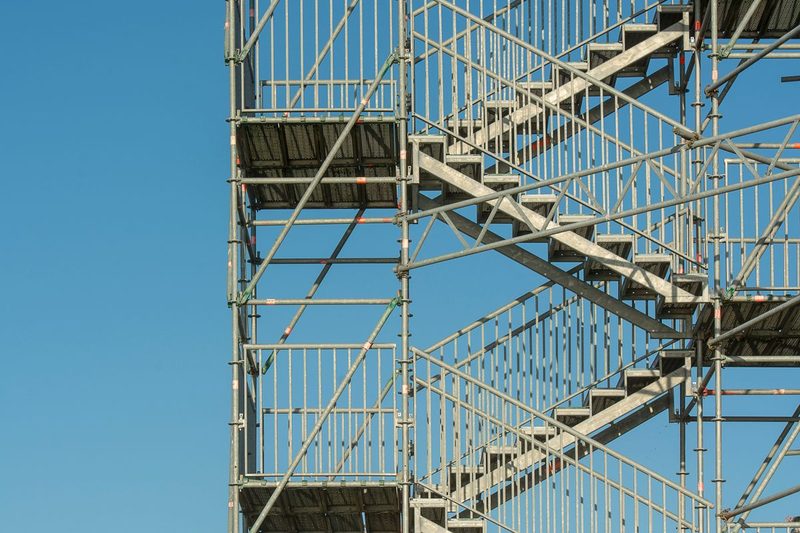
The scaffolder normally applies, not you. They'll need to show public liability insurance (often £5 million or £10 million), a drawing or description of the scaffold, and the dates. Allow around 10 working days for approval, and more in spring and summer when every scaffolder in the city is applying at once.
A licence comes with conditions. On a narrow Southsea pavement, those usually include:
- A clear walkway for pedestrians, wheelchairs and buggies, often around 1.2 metres, or a covered "tunnel" through the scaffold
- Padded, high-visibility tube ends at head height
- Lighting on the base of the scaffold at night
- Brick guards or netting so nothing falls on people below
If the pavement is too narrow for a clear walkway, the scaffolder may have to build a gantry over it, which adds cost. On some of the tightest streets around Fratton and Buckland, that's the only legal option.
Parking Bays and the Scaffold Lorry
Much of Portsmouth now sits in residents' parking zones. If the lorry needs a bay for a few hours, or the scaffold base takes up part of the road, the scaffolder may need a bay suspension too. It's worth telling your immediate neighbours a week ahead. A note through the door costs nothing and saves a lot of friction on a street where parking is already tight.
Getting Scaffold to the Back of a Mid-Terrace
This is the Portsmouth problem that catches most homeowners out. A mid-terrace with no side gate and no rear alley means the only route to the back is through the house.
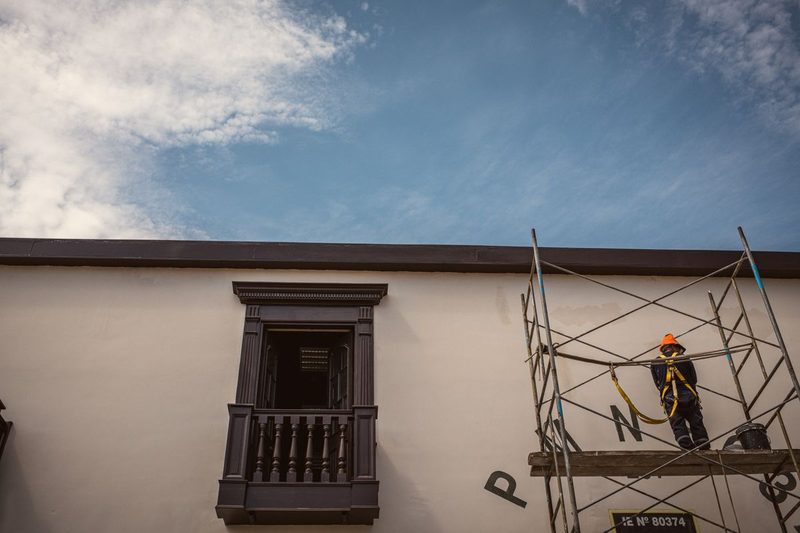
Through-the-House Access
Most local scaffolders do this every week. Tubes, fittings and boards go in through the front door, down the hall and out the back, usually 60 to 120 pieces for a two-storey back elevation. Expect:
- Dust sheets and floor protection along the route
- Doors propped and sometimes removed from hinges for an hour or two
- Two trips: one to build, one to strike (take down) a few weeks later
- An extra charge of around £150 to £400 for the extra labour
Move anything fragile out of the hallway first. Pictures on the hall walls are the usual casualty.
Using a Back Alley or the Neighbour's Yard
Some Portsmouth streets, particularly in parts of Southsea and Copnor, do have shared rear alleys. If yours does, check it's wide enough for a man carrying a 6-metre tube. If the scaffold needs to stand in a neighbour's yard, you need their agreement. Where a neighbour refuses, the Access to Neighbouring Land Act 1992 lets you ask a court for an order to carry out necessary repairs, though it's slow and should be a last resort.
Where the roof is shared with next door, the access question often goes hand in hand with who pays. We've covered that in our guide to who pays for shared roof and party wall repairs on Portsmouth terraces.
Tower, Full Scaffold or Roof Ladders: Which Does Your Job Need?
Not every roof job needs a full scaffold. The right choice depends on the height, the length of the job and whether anyone will be working at the roof edge.

A roof ladder hooked over the ridge, reached from a ladder at the gutter, suits short jobs: replacing two or three slates, clearing a gutter, or a quick inspection. Many Portsmouth roofers will do this on a two-storey house for jobs under an hour or two. The Health and Safety Executive's work at height guidance says ladders are fine for short-duration, low-risk work, but anything longer or more involved needs a proper working platform.
A mobile tower suits single-storey work like a back-addition flat roof, a porch or a bay window roof. Towers need firm, level ground, which rules them out on many sloping or cobbled rear yards. They also catch the wind badly, so they're often a poor choice for a seafront garden in Eastney.
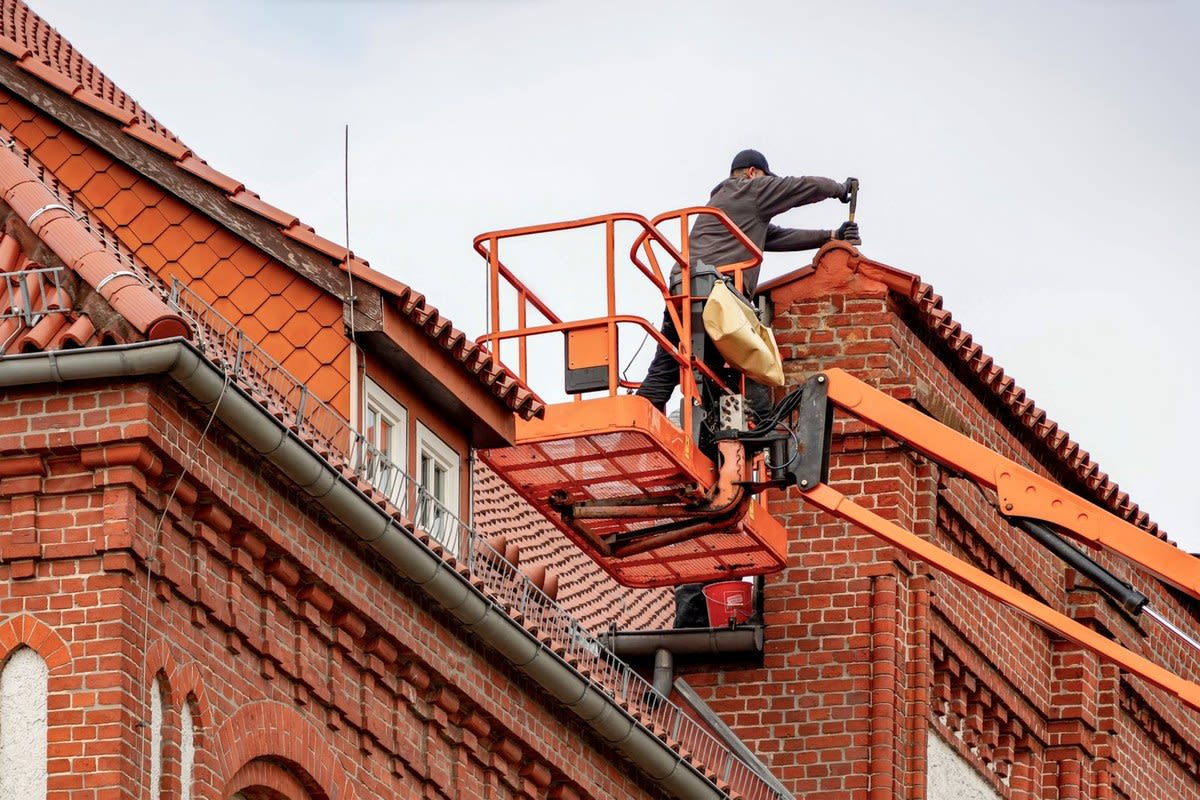
Full scaffold is the right answer for anything longer than a day at roof level on a two-storey or taller house: re-roofing, ridge rebedding, chimney rebuilds, dormer work and most repairs to valleys. A cherry picker can sometimes replace it for quick jobs, but on Portsmouth's narrow, parked-up streets there's rarely room to set one up.
Wind, Salt and Winter Scaffolding in Portsmouth
Portsmouth's climate is mild by UK standards. It gets around 700 to 750mm of rain a year, well below the UK average of roughly 1,150mm, and frost is rare. Wind is the issue. Exposed sites on the south of the island take south-westerly gales straight off the Solent and the Channel, and coastal gusts over 50mph happen several times most winters.

That affects scaffold in three ways:
- Sheeting acts like a sail. A sheeted or netted scaffold catches far more wind than an open one, so it needs extra ties into the wall. Seafront and Southsea Common-facing homes may need more ties than a sheltered street in Cosham.
- Work stops in high winds. Roofers won't handle sheets of felt or work at the ridge in strong gusts, so a job planned for five days in November can stretch to eight or nine. That's extra hire time.
- Inspections matter more. By law, a scaffold used for construction work must be inspected at least every seven days and after any event that might affect it, such as a storm. Your scaffolder should leave an inspection tag or record at the base.
The best months for scaffolded roof work in Portsmouth run from April to September. Winter work is perfectly possible, and sometimes cheaper because scaffolders have more space in their diaries, but build in slack for weather days.
Who Arranges the Scaffolding and What to Check
In almost all cases your roofer arranges it. They book a scaffolder they trust, include the cost in their quote, and coordinate the dates so the scaffold goes up just before they start. That's usually the best route, because a roofer working off a scaffold they didn't specify can find it's at the wrong height for the gutter line, or missing the edge protection they need.
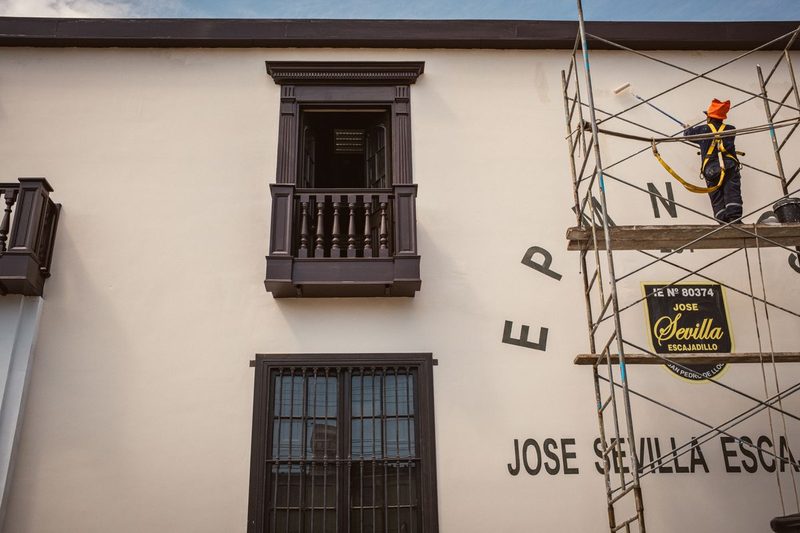
Some homeowners prefer to book the scaffolder themselves, perhaps because the scaffold will also be used for rendering or window work. That's fine, but you then become responsible for making sure it suits every trade. Before anyone climbs it, check:
- The scaffolder is a member of a trade body such as the National Access and Scaffolding Confederation (NASC) or can show CISRS-carded staff
- They hold public liability insurance, and the licence is in place for anything on the pavement
- You've had a handover certificate once it's built
- There's a scaffold alarm or the ladder is removed at night, because a scaffold is an open invitation into an upstairs window
Portsmouth has a steady supply of scaffolders, but demand from the dockyard, new-build schemes and student housing refurbishments keeps the good ones busy. Book two to three weeks ahead in spring and summer, and expect shorter waits from November to February.
Hire Periods, Overruns and Keeping the Scaffold Bill Down
Most scaffold quotes include a fixed hire period, typically four to eight weeks. After that you pay a weekly rate. On a roofing job the scaffold should rarely be up more than three to four weeks, unless a bigger problem turns up once the roof is opened.
A few ways to keep costs in check:
- If the scaffold is up for the ridge, get the chimney flashing, gutters and fascias looked at too. A second visit later means paying for scaffold twice.
- On a terrace, two houses sharing one run of scaffold can save each household 30% or more.
- Ask your roofer to tell the scaffolder as soon as the work is signed off, so the weekly charge doesn't keep ticking.
- Get it in writing. The quote should state the hire period, the weekly overrun rate and whether the licence, bay suspension and through-the-house charge are included.
Common Questions About Roof Scaffolding in Portsmouth
How much does scaffolding cost for a roof repair in Portsmouth? For a two-storey terrace, expect £650 to £1,100 for the front elevation and £1,300 to £2,200 for front and back, including VAT and a standard hire period of four to six weeks. Chimney-only scaffolds start at around £550.

Do I need a council licence for scaffolding in Portsmouth? Yes, if any part of the scaffold sits on the pavement or road. That applies to most front elevations in central Portsmouth. Your scaffolder normally applies for it and the fee is usually included in their price.
Can scaffolding be taken through my house? Yes. On mid-terraces with no side or rear access, scaffolders regularly carry tubes and boards through the hallway. Expect floor protection and an extra charge of around £150 to £400.
How long can roof scaffolding stay up? Most quotes include four to eight weeks of hire. After that, you pay a weekly rate, typically £40 to £120 a week for a domestic job.
Does every roof repair need scaffolding? No. Short jobs like replacing a few slates on a two-storey house can often be done safely from a roof ladder. Longer work, anything at the roof edge and most chimney work needs a full scaffold.
Ready to work with Roof Repairs Portsmouth?
Let's connect! We’re here to help.
Send us a message and we’ll be in touch.
Or give us a call today at 023 9355 3469
Agency Contact Form
More Marketing Tips, Tricks & Tools