Roof Repairs in Portchester and Cosham: Common Problems, Costs and Who to Call
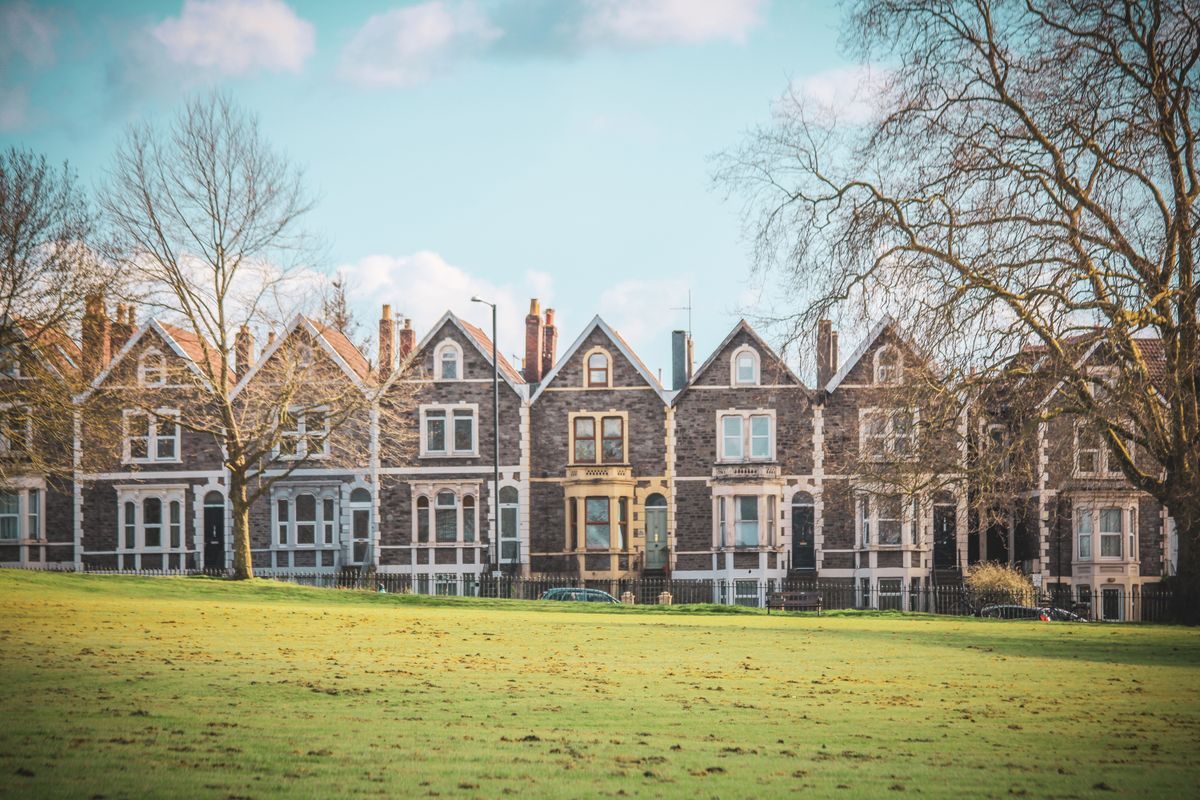
Portchester and Cosham sit at the top of Portsmouth Harbour, on the mainland side of the causeway, and hold roughly 20,000 homes between them. Both were built out heavily in the 1930s along the Portsmouth Road and Havant Road corridors, with post-war infill and 1960s estates filling the gaps. That gives a housing stock dominated by interwar semis with clay plain or early concrete tiles, now 85 to 95 years old and mostly on their original fixings. Add a location a few hundred metres from saline water on three sides and prevailing south-westerlies coming straight up the harbour, and the failure pattern is distinctive. Repairs across the two areas run £170 to £1,400 depending on the fault. Here is what goes wrong and why.
What Roof Repairs Cost in Portchester and Cosham in 2026
Prices group naturally by the access needed.
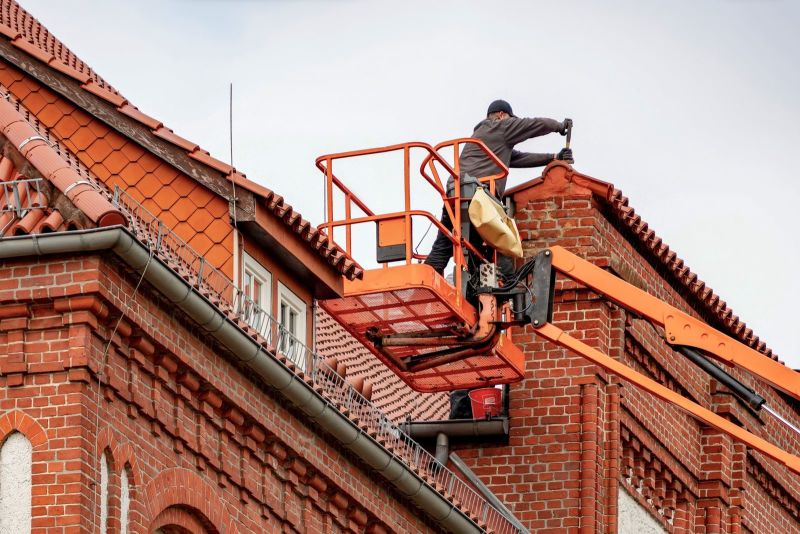
Ladder-level work: replacing three or four slipped tiles is £170 to £310, refixing a loose ridge tile £150 to £290, and clearing plus resealing a gutter joint £160 to £320.
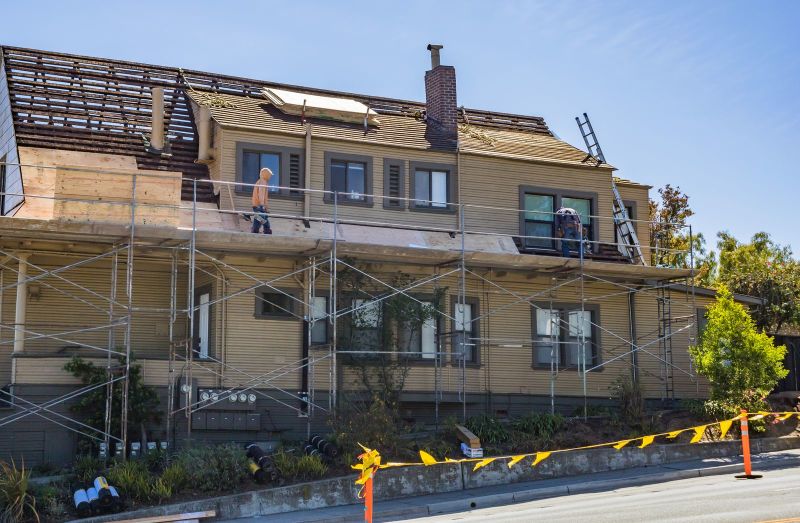
Scaffold or tower work: repointing a full ridge line runs £540 to £1,080, renewing chimney flashing in lead £440 to £920, replacing a valley £680 to £1,450, and renewing fascia, soffit and guttering on one elevation £520 to £1,200.
Partial and full replacement: re-tiling one elevation of a semi is £2,700 to £5,400, and a full re-roof on a standard three-bedroom property runs £7,000 to £12,500. Scaffolding is £650 to £1,400 of that, more where a highway licence is needed on the busier stretches of Portsmouth Road. Roof Repairs Portsmouth covers both areas and inspects before pricing, which matters here because two roofs of the same age on the same street can be in very different condition depending on which way they face.
Salt Air: The Fault Multiplier in This Location
Portchester sits directly on the harbour edge and Cosham is barely a mile inland with water on two sides. Airborne salt deposition here is materially higher than a few miles north at Waterlooville, and it attacks specific components rather than the roof as a whole.
Ferrous fixings go first. Iron and mild steel nails, clips and screws corrode at several times the rate they would inland. On an interwar roof with original iron nails, salt accelerates nail sickness by years. The practical marker: if your neighbours on the seaward-facing side of the street are losing tiles and the landward side is not, salt-accelerated fixing failure is the reason.
Lead is largely immune, which is why it remains the right material for flashings and valleys here despite the cost. Zinc and aluminium components corrode noticeably faster. Galvanised steel gutter brackets, which were standard on 1930s housing, are frequently the first thing a roofer condemns in this area.
The specification response is straightforward: stainless steel or aluminium alloy fixings rather than galvanised, uPVC or aluminium rainwater goods rather than steel, and lead rather than substitute flashing materials. Stainless nails cost roughly two to three times galvanised, which on a full re-roof is a £150 to £350 difference and easily worth it here.
Why Concrete Tiles Weather Differently by the Water
Concrete tiles lose their pigmented surface coating with age, and salt-laden rain accelerates the process. A concrete tile roof in Cosham can look chalky and faded at 25 years where the same tile inland would take 35. That surface loss is cosmetic and porosity-related rather than an immediate leak, so a faded roof is not automatically a roof that needs replacing.
Portchester: Harbour Exposure and the Wind Problem
Portchester's older housing runs down towards the shore and Castle Street, and those properties take the full run of wind across the harbour with nothing in the way.

Wind damage concentrates at the ridge, the verge and the eaves course. Mortar-bedded ridge and verge is the recurring casualty. Mortar cracks under thermal and wind movement, water gets behind it, and the freeze-thaw cycle widens the crack until a gust lifts the tile. Typical service life for mortar bedding in this exposure is 15 to 25 years against 25 to 35 inland.
Dry fix systems are the sensible specification here. A dry ridge kit costs £45 to £70 per linear metre fitted against £30 to £50 for repointing, but it is mechanically fixed, ventilated, and carries a manufacturer warranty of 10 to 15 years. On a 10 metre ridge that is a premium of roughly £200 to £250 for a detail that will not need attention for well over a decade.
Tile clipping matters too. BS 5534 requires mechanical fixing calculated on the site's wind exposure, and harbour-edge Portchester sits in a higher zone than most of Hampshire. A roof re-tiled without adequate clipping will not be supported by the manufacturer if tiles lift, and it will lift sooner than the owner expects.
Cosham: 1930s Ribbon Development and Shared Details
Cosham's interwar housing along Northern Road, Wootton Street and the surrounding grid was built fast and in long runs, which creates a specific problem: shared party walls, continuous ridge lines and continuous gutters across multiple properties.
Where a semi or terrace shares a ridge, repointing half of it is a poor repair - the joint between old and new mortar becomes the next failure point. The better approach is to coordinate with the neighbour and do the full run, which also halves the scaffolding cost per household.
Shared gutters and valley gutters between properties are the other issue. A blocked shared valley causes damp in both houses and neither owner is clearly responsible. These are worth clearing annually as a matter of routine, and gutter clearing in this area runs £80 to £180 for a semi.
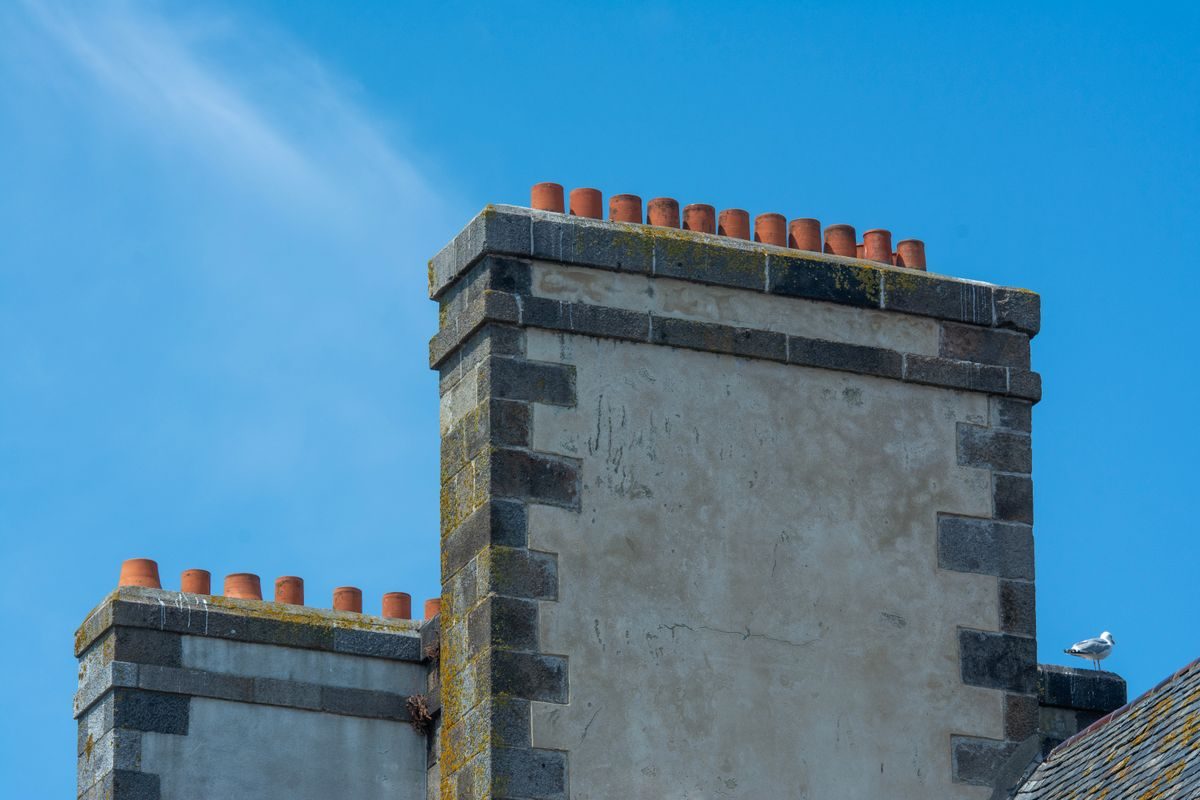
Chimneys need mentioning too. Most 1930s Cosham houses have one or two stacks, many now redundant. Without warm flue gases drying the brickwork, an unused stack deteriorates faster than a working one. Repointing costs £450 to £950, taking a stack down to below roof level £900 to £1,800, and full removal including the internal breast £2,200 to £4,500. We cover the mortar and pointing side of this in more detail in our guide to ridge tile and pointing repairs in Portsmouth.
Rainfall, Gutters and the Flooding Angle
Portsmouth records around 750 mm of rain a year over roughly 115 wet days, which is on the drier side for England. The intensity is what matters here rather than the total - the south coast gets a meaningful share of its rainfall in short, heavy convective events.
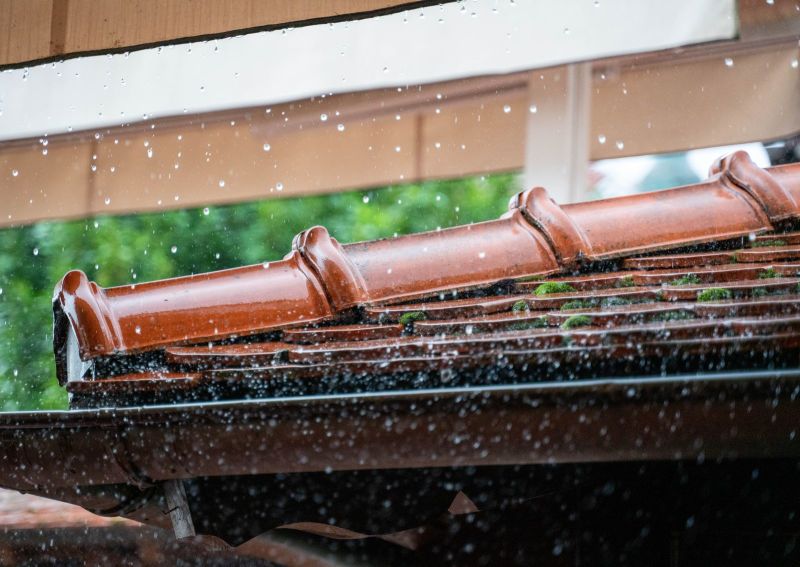
That loads gutters hard. A 40 square metre roof slope in an intense downpour can deliver over 30 litres a minute to a single downpipe, and a 1930s 100mm half-round gutter with a 68mm downpipe is at its limit. Overflow at the eaves soaks the wall head and shows up as damp on an upstairs internal wall.
Cosham has a documented surface water flooding history in the lower-lying areas near the harbour, and blocked or undersized roof drainage adds directly to it. Upgrading to a 112mm or 125mm deep-flow gutter costs £30 to £55 per linear metre fitted and is a genuine improvement rather than an upsell on a property that overflows every winter.
Groundwater and tidal levels are also part of the picture in Portchester, and Portsmouth City Council publishes local flood risk information that is worth checking if you are considering drainage changes.
Flat Roofs on Extensions and Garages
Both areas have a large stock of 1960s to 1980s rear extensions, garages and dormers with felt flat roofs. Three-layer built-up felt has a 12 to 20 year design life and a great many of the ones still in service here are well beyond it.
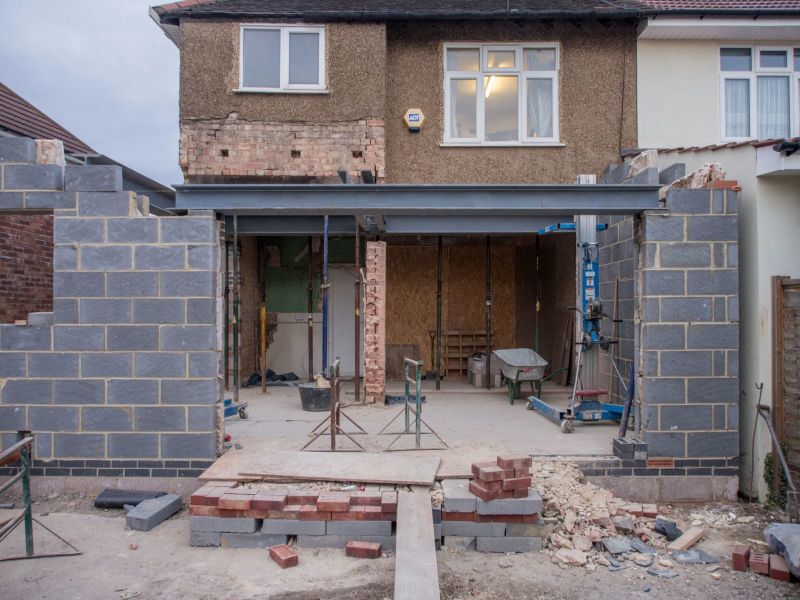
Replacement costs on a typical 15 square metre roof: torch-on felt £1,100 to £1,800, EPDM rubber £1,400 to £2,200, and GRP fibreglass £1,600 to £2,600. EPDM has become the default for domestic work because it lays in a single sheet with no field joints, tolerates thermal movement, and typically carries a 20 year guarantee.
Falls are the thing to check rather than the material. A flat roof needs a minimum designed fall of 1:80, usually built to 1:40 to allow for deflection, and many older extension roofs in this area were built essentially dead flat. Standing water accelerates every failure mode. Correcting falls with tapered insulation adds £400 to £900 and roughly doubles the working life.
Deciding Between Repair and Re-Roof, and Choosing a Contractor
The useful test is not the roof's age but the pattern of faults. Repeated problems in different places across a slope point to a systemic issue - nail sickness, perished mortar throughout, or failed underlay - and patching those is money into a roof that has reached the end of its service life. Repeated problems in the same place point to a detailing error that should be fixed properly once.
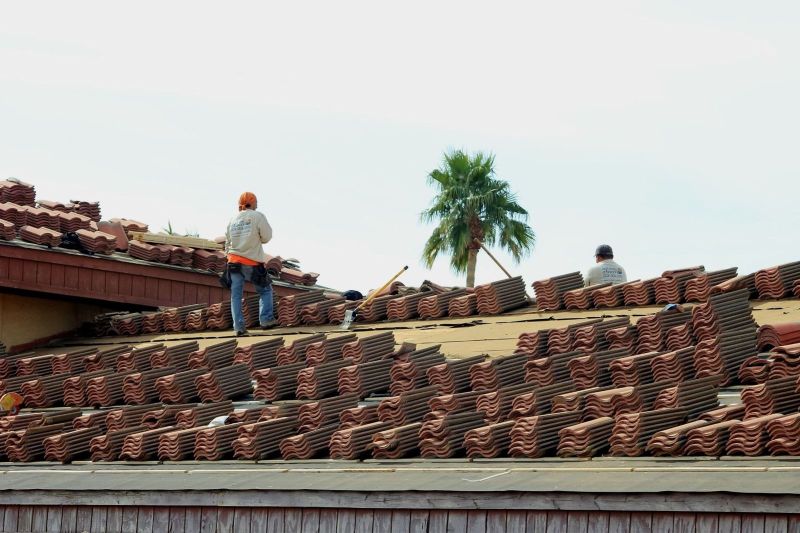
A roof survey costs £180 to £400 in this area and should include the loft space, which is where underlay condition and ventilation are actually assessed. A survey from someone not quoting for the work is worth paying for.
On contractors: check public liability cover of at least £2 million and ask for the certificate. Ask about membership of a body such as the National Federation of Roofing Contractors, whose members are vetted and audited. And confirm the specification includes stainless fixings, because in this location that single detail determines whether the roof lasts 40 years or 25. We cover the same coastal-wear questions on the island side in our guide to roof repairs in Southsea.
Frequently Asked Questions
How much does a roof repair cost in Portchester or Cosham?
Ladder-level repairs such as replacing slipped tiles run £170 to £310, and refixing a ridge tile is £150 to £290. Work needing scaffold, including repointing a ridge line or renewing chimney flashing, costs £440 to £1,080. Re-tiling one elevation of a semi is £2,700 to £5,400, and a full re-roof £7,000 to £12,500.
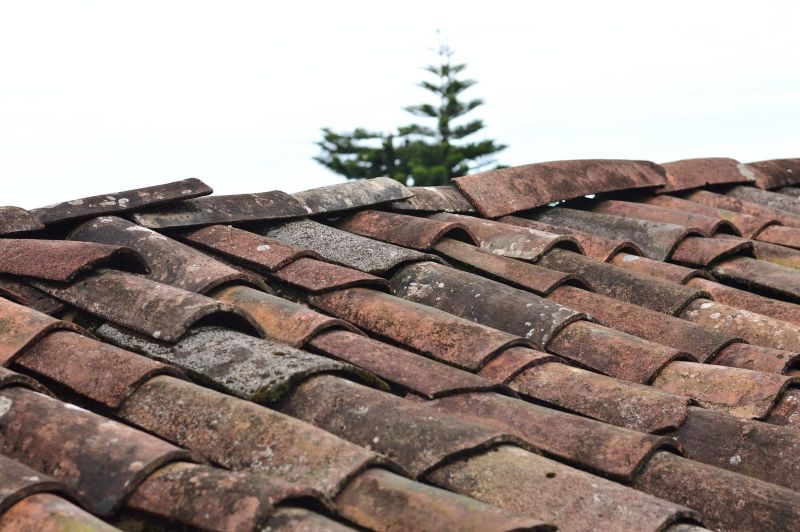
Does salt air really damage roofs this far up the harbour?
Yes. Portchester sits on the harbour edge and Cosham has water on two sides, and airborne salt deposition here is materially higher than a few miles inland. It attacks ferrous fixings in particular, accelerating nail sickness and corroding galvanised gutter brackets. Specifying stainless steel fixings adds £150 to £350 to a re-roof and is worth it locally.
Should I repoint my ridge or fit a dry ridge system?
In this exposure, dry fix is usually the better buy. Mortar bedding lasts 15 to 25 years here against 25 to 35 inland. A dry ridge kit costs £45 to £70 per linear metre against £30 to £50 for repointing, so roughly £200 to £250 more on a typical ridge, and it is mechanically fixed with a 10 to 15 year manufacturer warranty.
My concrete tiles look faded and chalky. Is that a problem?
Usually not on its own. Concrete tiles lose their pigmented surface coating with age, and salt-laden rain speeds it up, so a Cosham roof can look chalky at 25 years where an inland one would take 35. That is a porosity and appearance change rather than a leak. Have the valleys, flashings and fixings checked before assuming a re-roof is needed.
Ready to work with Roof Repairs Portsmouth?
Let's connect! We’re here to help.
Send us a message and we’ll be in touch.
Or give us a call today at 023 9355 3469
Agency Contact Form
More Marketing Tips, Tricks & Tools