Roof Repairs in Southsea: Seafront Terraces, Common Problems, and Costs
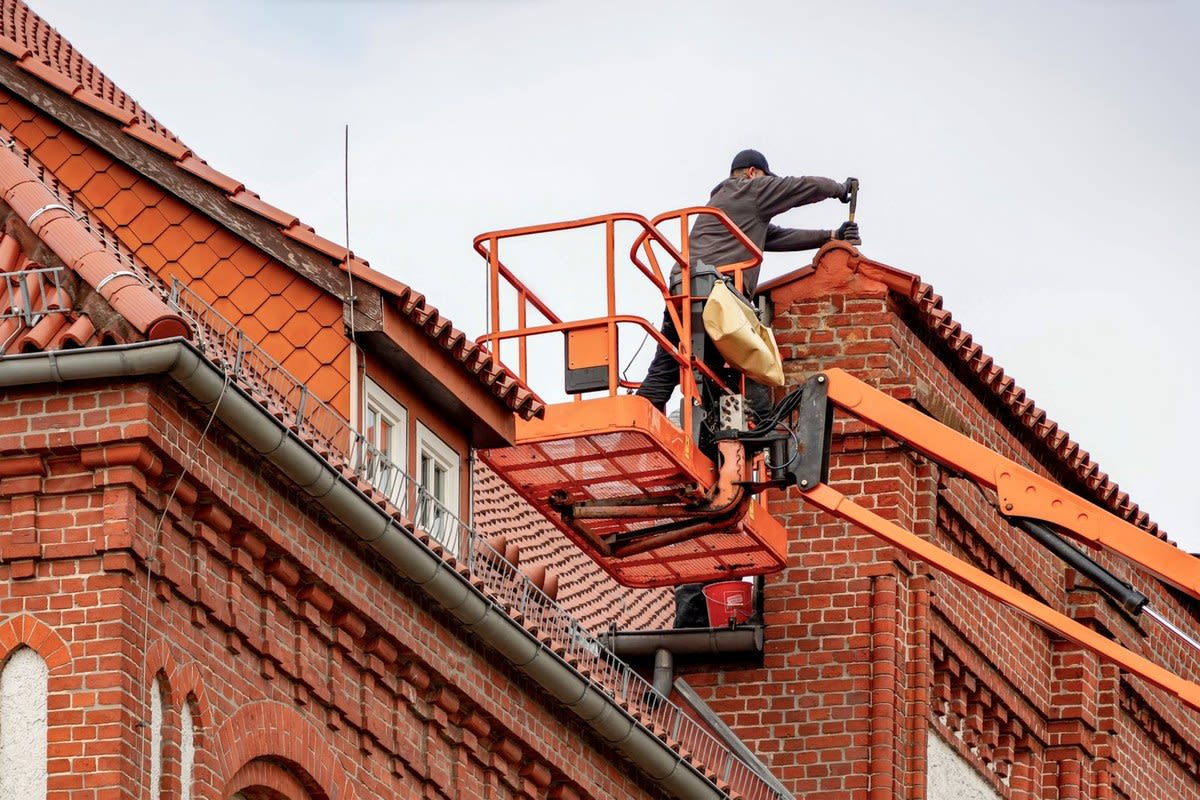
Southsea's streets were laid out for show, and the roofs paid for it. Most of the suburb went up between the 1850s and 1910, which means the majority of roofs here are Welsh slate over timber, now 110 to 170 years old and well past the point where original fixings can be trusted. Add three and four-storey terraces facing the open Solent, bay-fronted streets running back from the seafront, and salt on every wind, and roof repairs in Southsea become a different job to fixing a bungalow in the suburbs. Roughly 8 in 10 leaks on these terraces trace back to just four spots: slipped slates, bay roofs, box gutters, and chimney flashings. A single slipped slate might cost £150 to put back, but the scaffolding to reach a third-storey ridge can cost ten times that. Here's what goes wrong on Southsea roofs, why the seafront position matters, and what fixes cost in 2026.
Why Southsea Roofs Fail Differently to the Rest of Portsmouth
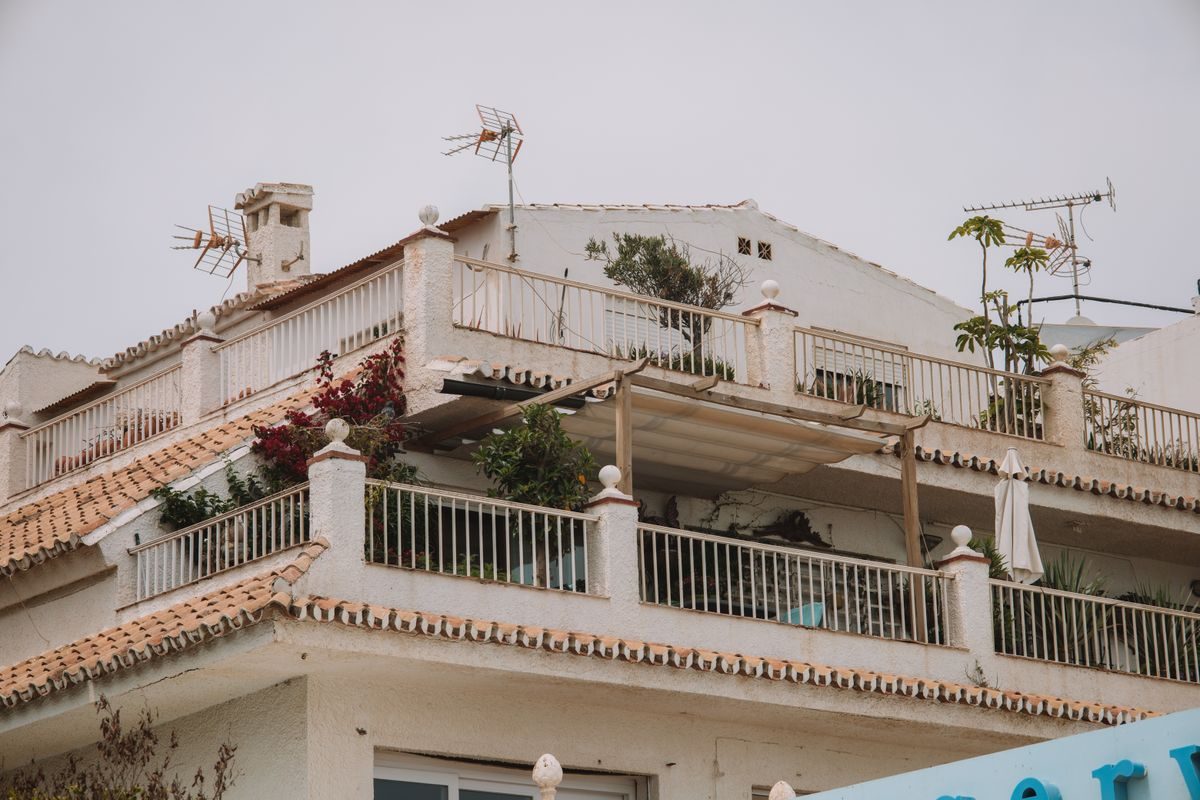
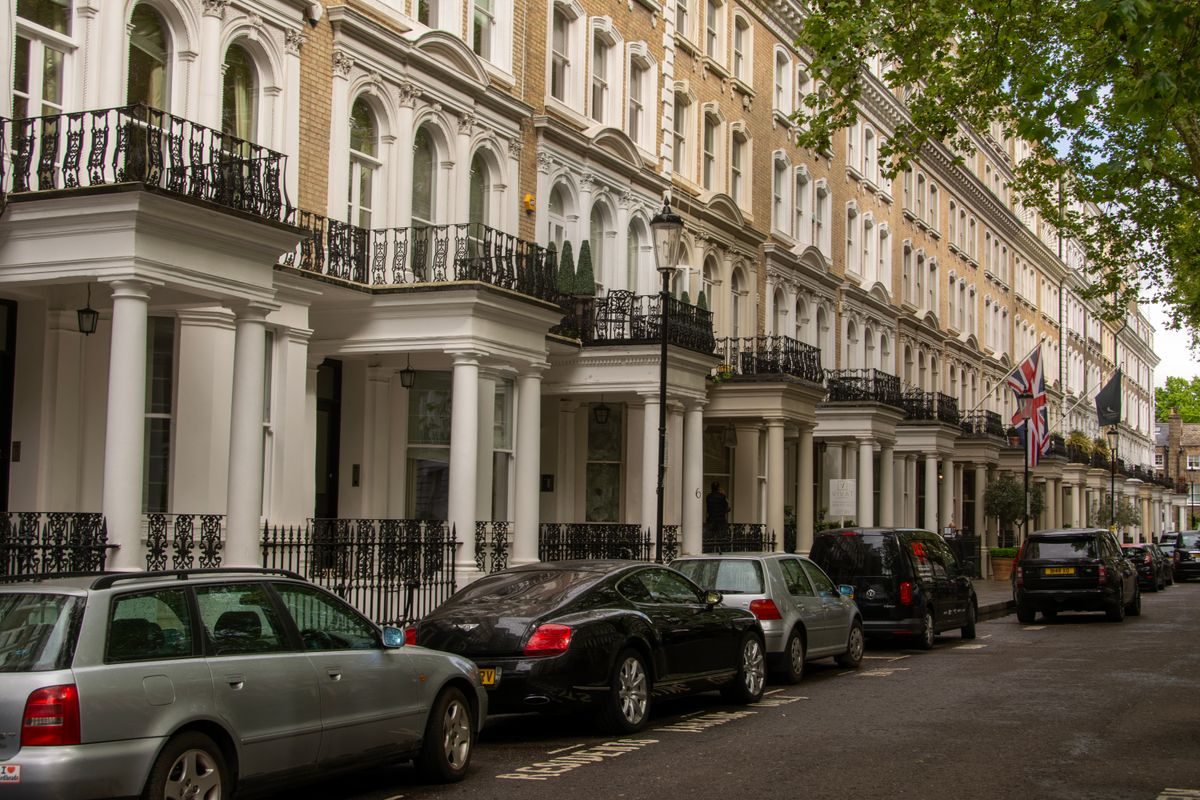
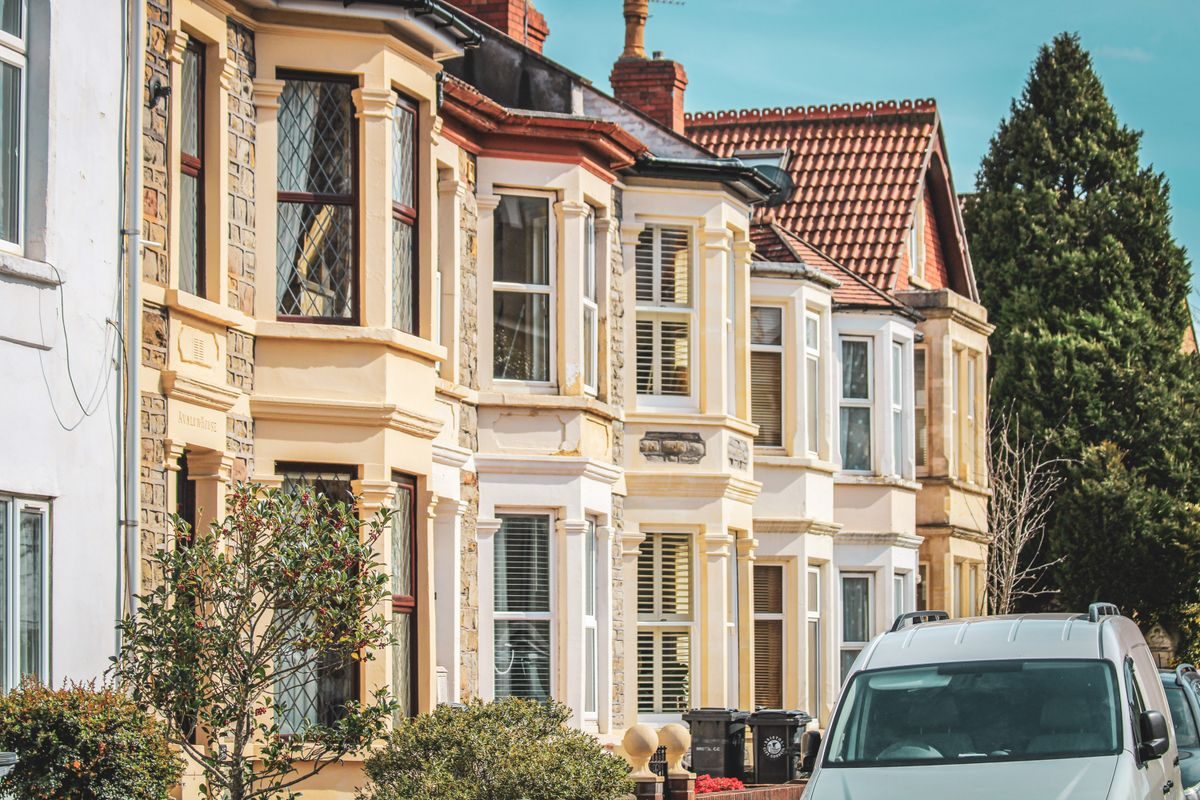
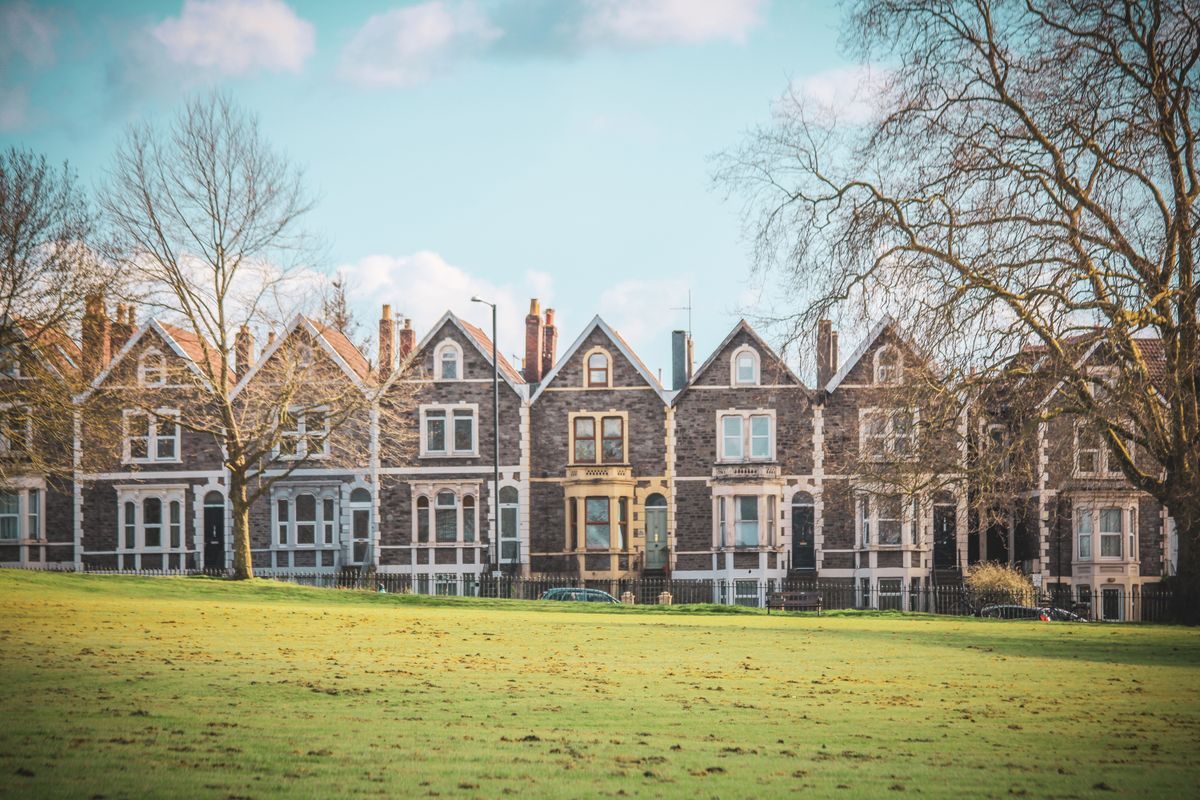
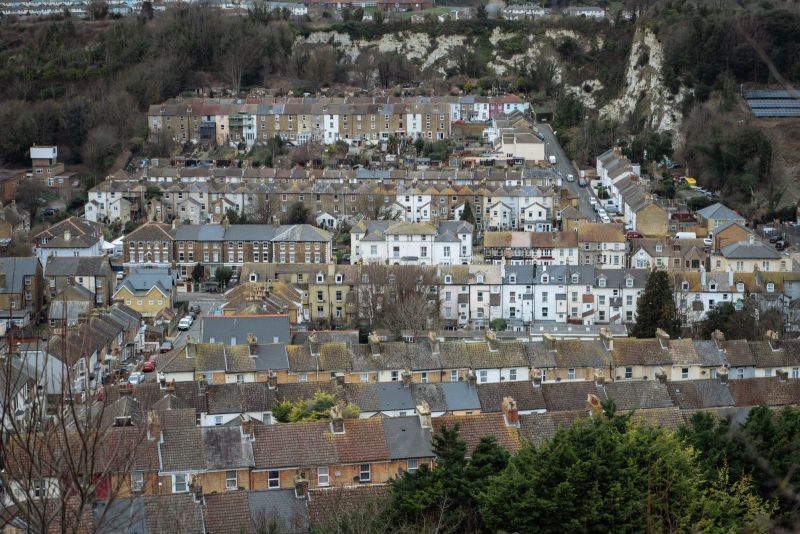
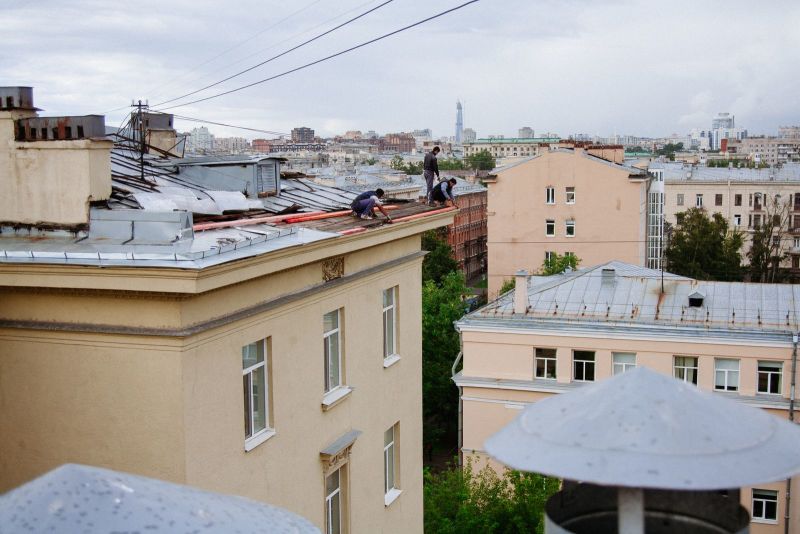
Portsmouth is a city of terraces, but Southsea's are taller, older, and closer to the water than almost anywhere else on Portsea Island. A typical bay-fronted terrace off Albert Road or Fawcett Road stands two to three storeys with the ridge 9 to 12 metres up, and the grander seafront and Craneswater properties push higher still. Height changes everything: faults go unnoticed for longer because nobody can see them from the pavement, and every repair carries an access cost that a two-storey semi in Cosham never faces.
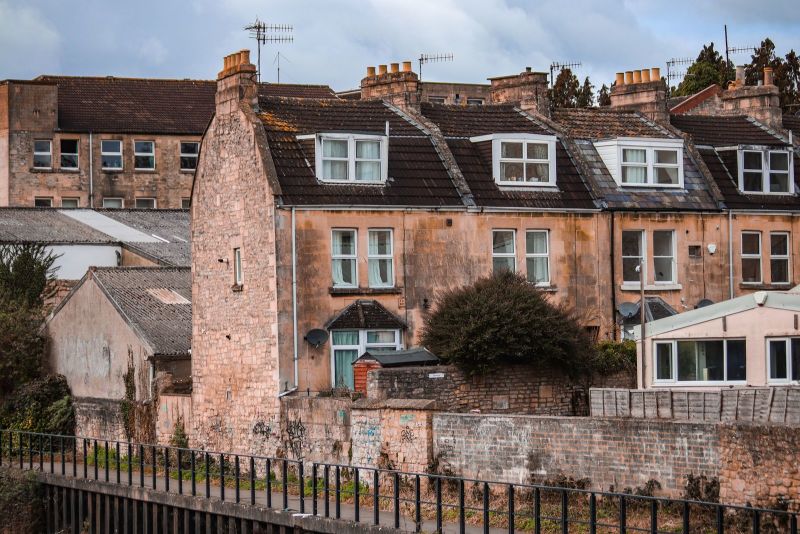
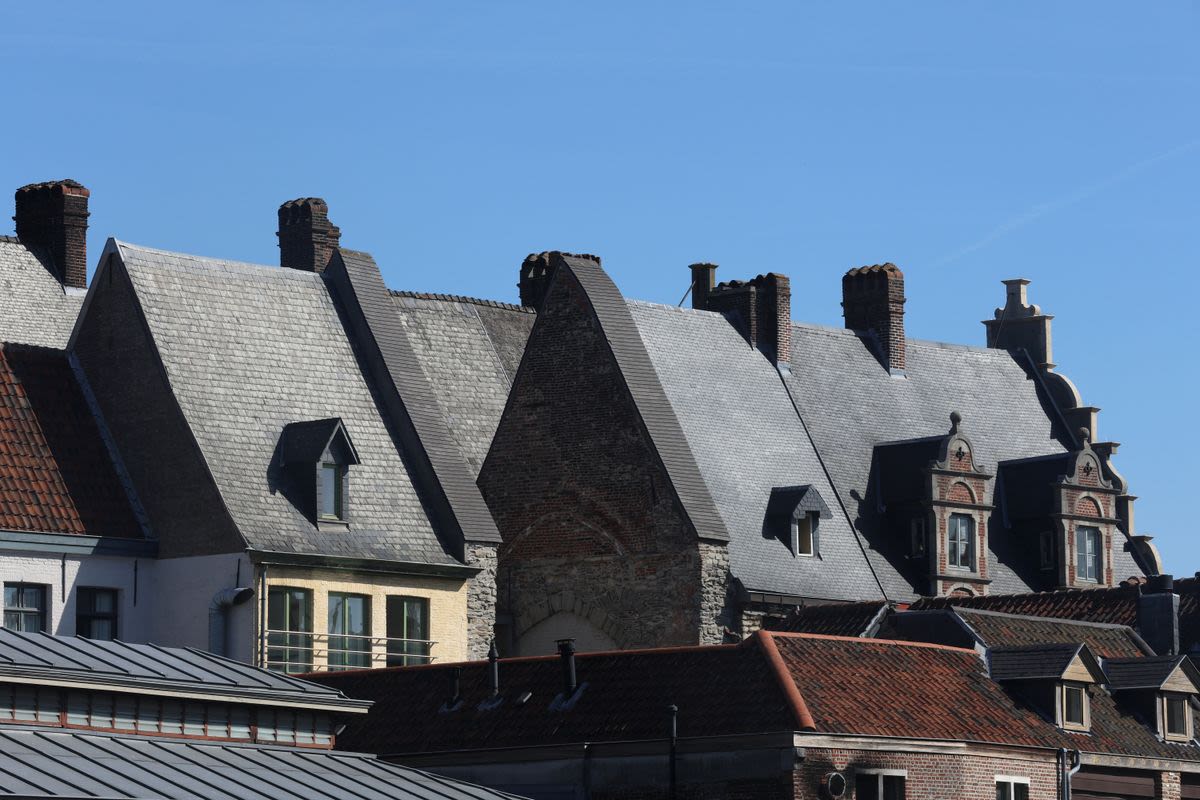
The age profile matters just as much. Where Waterlooville or Leigh Park roofs are mostly postwar concrete tile, Southsea is overwhelmingly Victorian and Edwardian slate, often on its second or third set of fixings. Around 70 percent of the urgent calls from this part of the city involve original slate roofs that have never been fully stripped and re-covered.
If you own one of these terraces and you're not sure whether you're looking at a £200 fix or a five-figure re-slate, get a proper diagnosis before anyone quotes you - the team at Roof Repairs Portsmouth works on Southsea's tall terraces week in, week out and will tell you straight which one it is.
Slate Nail Sickness on the Victorian Terraces
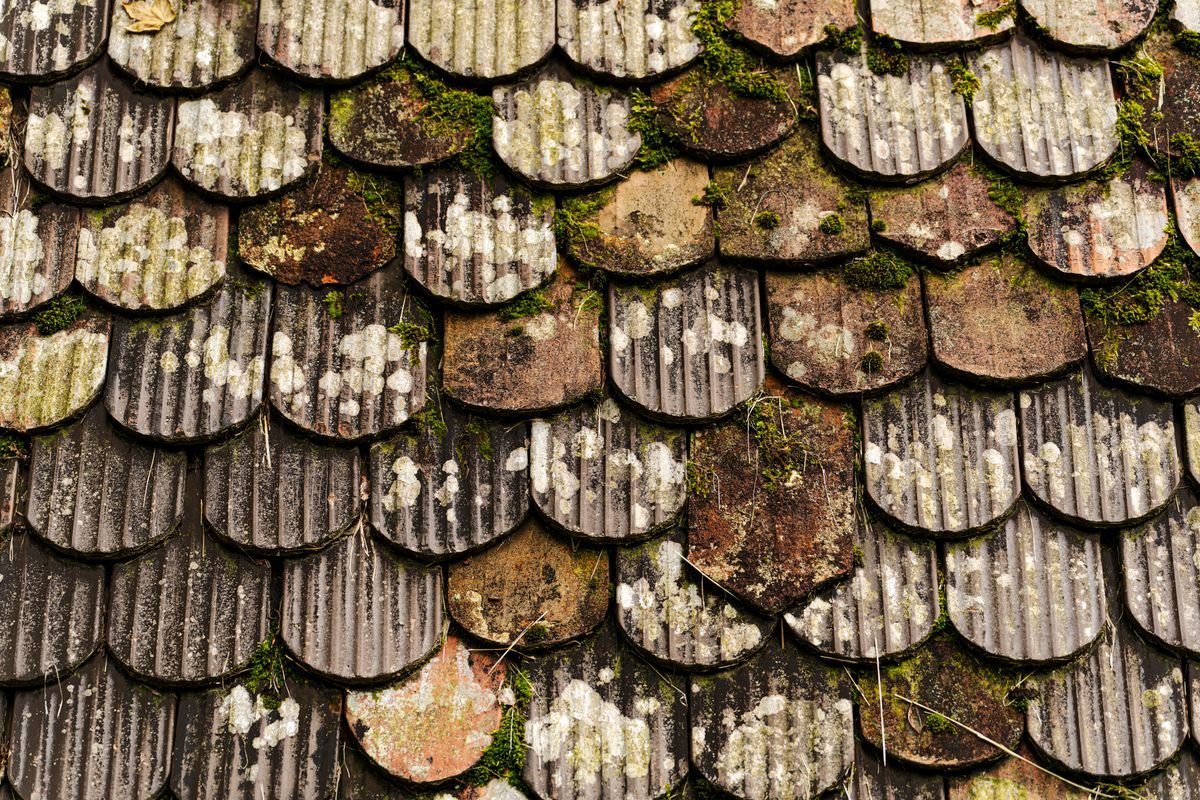
The single biggest issue on Southsea's older streets is nail sickness - the slow rusting of the iron nails that hold each slate to its batten. Welsh slate itself is astonishingly durable, often good for 100 to 150 years, but the original Victorian nails give out after 80 to 120, and salt air shortens that further. When the nails go, sound slates start sliding off one and two at a time, usually after a southerly blow.
The pattern is easy to read: one slipped slate this winter, two the next, then half a dozen after a single storm. Each call-out costs £150 to £450 depending on access, and on a three-storey terrace those visits add up fast. Once you're refixing several slates a year across the roof, the fixings are telling you they're finished everywhere, and a full strip and re-slate becomes the honest recommendation - typically £12,000 to £18,000 for a three-storey Southsea terrace in new Spanish slate, more if you want reclaimed Welsh slate to match the street.
Repair or re-slate - where the line falls
A useful benchmark: when patch repairs and scaffold hire pass roughly a third of re-slate cost inside two or three years, stop patching. On tall terraces the scaffold element pushes you to that line sooner than the slate count alone suggests, because every small visit carries the same big access bill.
Bay Roofs, Parapets, and Box Gutters - The Hidden Leak Spots
Southsea's bay-fronted streets have a weak point most owners never think about: the little flat roof capping each bay window. These are lead, zinc, or felt, they're now on their second or third covering, and they fail decades before the main slate roof. A perished bay roof shows up as damp in the front bedroom corner or bubbling paint above the bay, and renewal runs £450 to £1,000 in felt or EPDM, or £1,200 to £2,500 in new lead.
The grander terraces nearer the seafront add another one: parapet walls with box gutters hidden behind them. A box gutter blocked with leaves or gull debris has nowhere to overflow except into the house, and one blocked outlet can soak a ceiling in a single downpour. Clearing and checking costs £150 to £300; relining a failed box gutter runs £600 to £1,500. On roofs like these, an annual gutter check is the cheapest insurance going - about 1 in 4 internal leaks on parapet-fronted Southsea properties starts in the box gutter, not the slates.
What the Solent Does to a Seafront Roof
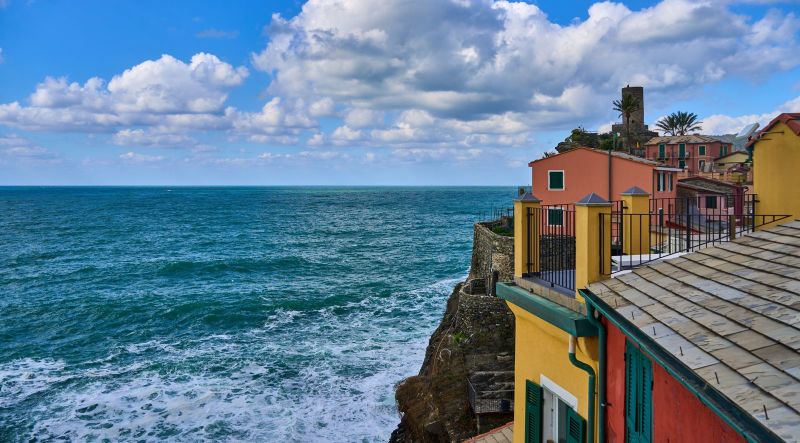
Southsea takes its weather straight off the water. There's no shelter between the Common and the Isle of Wight, so southerly gales arrive at full strength, with winter gusts of 50 to 60mph on the front and salt spray carried several streets inland. Salt is the quiet killer: it accelerates corrosion in nails, valley metal, and flashings, and roofs within about 500 metres of the sea can age 20 to 30 percent faster than identical roofs inland.
The one mercy is rainfall. Portsmouth is actually one of the drier and sunnier cities in Britain at roughly 650 to 700mm of rain a year against a UK average near 1,150mm, as the Met Office's south coast climate records show. But what rain Southsea gets often arrives horizontally on a gale, and wind-driven rain finds gaps that vertical rain never touches - which is why seafront roofs leak in storms at junctions that look perfectly sound on a calm survey.
How Southsea compares with the rest of the coast
Salt exposure here is severe but not the worst in the area - that dubious honour goes to the low, open coast east of the city. We've looked at how salt air and wind shorten roof life on the most exposed stretch nearby in our guide to roof repairs on Hayling Island's coastal homes, and the same chemistry is at work on Southsea's front, just a notch slower.
What Roof Repairs in Southsea Cost in 2026
Prices on Southsea's terraces swing more on access than on materials. Here's where jobs are landing in 2026:
- Refixing slipped slates: £150 to £450 per visit from a ladder or tower, more where full scaffold is needed.
- Bay window roof renewal: £450 to £1,000 in felt or EPDM, £1,200 to £2,500 in lead.
- Box gutter clearing and check: £150 to £300; relining £600 to £1,500.
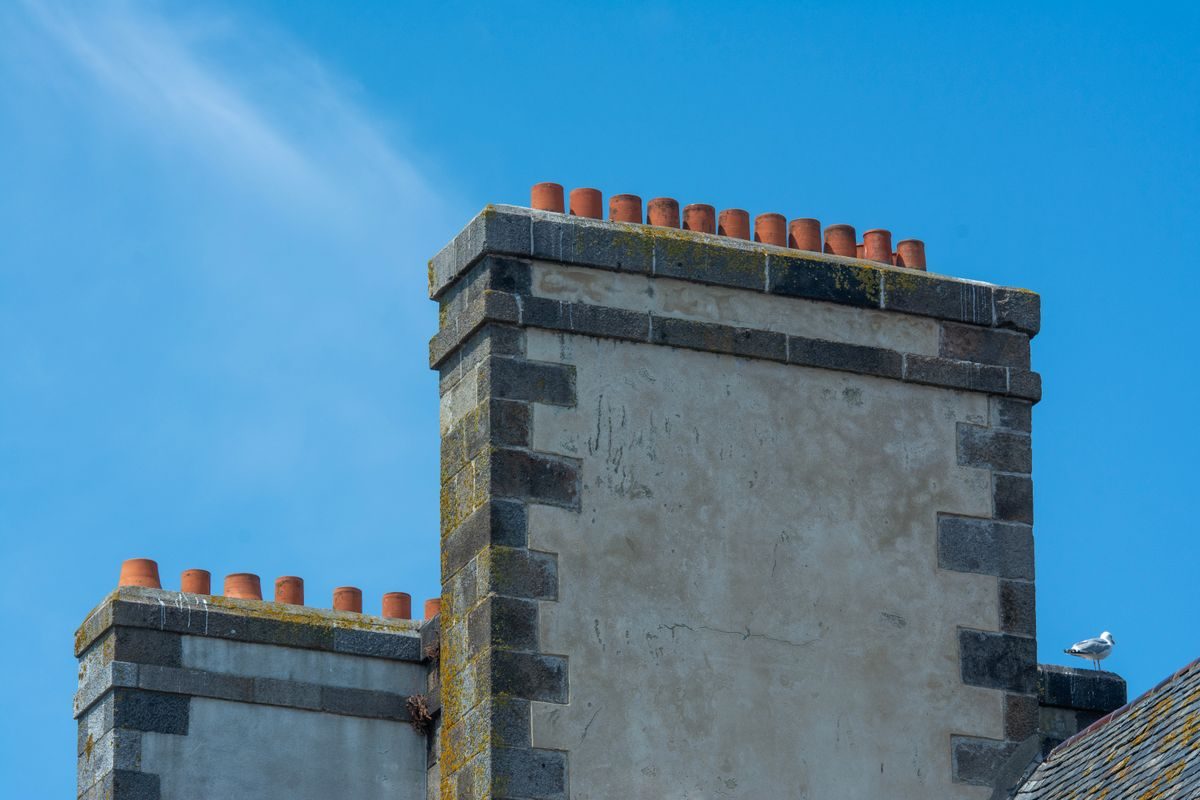
- Chimney repointing and flashing: £700 to £1,800 - Southsea's tall stacks take salt wind hard, and failed chimney mortar is behind roughly 1 in 5 damp complaints on these streets.
- Valley replacement: £600 to £1,400 per valley.
- Full strip and re-slate, three-storey terrace: £12,000 to £18,000 in Spanish slate, £18,000 to £25,000 in reclaimed Welsh slate.
Why three-storey scaffolding changes the maths
Scaffolding a three-storey Southsea terrace costs £1,200 to £2,500 for the front elevation alone, and rear access via the back alleys is often tighter still. That access bill is why it pays to bundle work: if the scaffold is up for a re-slate, having the chimney repointed and the gutters renewed at the same time can save £1,500 to £3,000 against doing each job separately. Good local roofers will suggest this without being asked.
Warning Signs Worth Catching Early in Southsea
You can spot most of the expensive problems from the pavement or a back window without ever touching a ladder. Look along the roofline for slates out of line, a sagging ridge, or daylight showing at the eaves. Slate fragments in the front garden or on the pavement after a blow are the classic first sign of nail sickness, and on a terrace it's worth glancing at the neighbours' roofs too - whole streets here were roofed in the same year with the same nails, so faults arrive street by street.
Inside, check the loft after the next big southerly: damp battens, rusty nail stains, or pinpricks of daylight all mean water is getting past the slates. Damp above the bay or beside the chimney breast points to the bay roof or flashings rather than the main slope. Catching any of this in September rather than January routinely turns a £2,000 winter emergency into a £300 autumn job, and on a three-storey terrace the difference is bigger still because emergency access costs more in bad weather.
Finding the Right Roofer for a Southsea Terrace
Tall Victorian slate roofs are a specialism, not a general handyman job. A roofer who mostly does modern concrete tile can make a slate roof worse - hard cement mortar where lime belongs, drilled and hooked slates that telegraph the repair, or a "cheap fix" of bituminous paint over the slates that ruins any chance of reusing them and can knock thousands off resale value.
Vet properly before anyone goes up. Check the National Federation of Roofing Contractors' find-a-member directory for firms with heritage and slating experience, and confirm registration with the government-endorsed TrustMark scheme for vetted workmanship and a route to redress. Ask any quoting roofer three things: what fixings they found, whether the slates are reusable, and what the scaffold line item is. Anyone vague on all three hasn't really looked. On Southsea's terraces the cheapest quote usually just means the scaffold is missing from it.
---
FAQ
Q: How much do roof repairs cost in Southsea?
A: Refixing slipped slates typically costs £150 to £450 per visit, renewing a bay window roof £450 to £1,000 in felt or EPDM, and chimney repointing with flashing work £700 to £1,800. Box gutter relining runs £600 to £1,500. A full strip and re-slate of a three-storey Southsea terrace costs £12,000 to £18,000 in Spanish slate, or £18,000 to £25,000 in reclaimed Welsh slate. Scaffolding adds £1,200 to £2,500 for a three-storey front elevation, which is why bundling jobs while the scaffold is up saves money.
Q: Why do slates keep slipping off my Victorian terrace in Southsea?
A: Almost certainly nail sickness. The original iron nails holding the slates rust through after 80 to 120 years, and Southsea's salt air speeds that up. The slates themselves are usually still sound - it's the fixings failing, which is why slips arrive in growing numbers rather than one-offs. Whole streets were roofed in the same year with the same nails, so neighbours often follow. Once you're refixing several slates a year, a full re-slate is usually better value than continued patching.
Q: Does living near Southsea seafront really shorten a roof's life?
A: Yes, measurably. Roofs within about 500 metres of the sea can age 20 to 30 percent faster than identical roofs inland, because salt accelerates corrosion in nails, flashings, and valley metal, and winter gusts of 50 to 60mph drive rain into junctions that stay dry in calm weather. Portsmouth is one of Britain's drier cities at around 650 to 700mm of rain a year, but much of it arrives horizontally on southerly gales, which is harder on a roof than steady vertical rain.
Q: What are box gutters and why do they leak on Southsea houses?
A: The grander terraces near the seafront often have parapet walls with a concealed box gutter running behind them. Because the gutter is hidden, blockages from leaves and gull debris go unnoticed, and a blocked box gutter overflows into the house rather than over the edge. About 1 in 4 internal leaks on parapet-fronted Southsea properties starts here rather than in the slates. Clearing costs £150 to £300 and relining a failed gutter £600 to £1,500, so an annual check is well worth it.
---
Ready to work with Roof Repairs Portsmouth?
Let's connect! We’re here to help.
Send us a message and we’ll be in touch.
Or give us a call today at 023 9355 3469
Agency Contact Form
More Marketing Tips, Tricks & Tools