Roof Repairs on Flats in Portsmouth: Who Pays, Section 20 and 2026 Costs Per Flat
Roof repairs on flats in Portsmouth cause more arguments than almost any other kind of roof job, and it's rarely about the roofing. Around a quarter of Portsmouth's homes are flats, and a large share of them sit inside Victorian and Edwardian terraces in Southsea and Fratton that were split into two, three or four units decades ago. Add the 1960s and 70s purpose-built blocks across the city and you have thousands of roofs with more than one owner underneath. Portsea Island gets roughly 750-800mm of rain a year, below the UK average of about 1,160mm, but around 60% of it lands between October and March, driven sideways by south-westerly winds off the Solent. That's when the top-floor flat starts dripping and the arguments start. Who is responsible? Who pays, and how much each? Does the freeholder have to consult? This guide covers the lease, Section 20, insurance and what a typical 2026 repair costs once it's split between flats.
Who Is Responsible for Roof Repairs on Flats in Portsmouth
In most cases the roof isn't owned by any one flat. On a leasehold flat, you own the inside of your unit for a set number of years, and the freeholder owns the structure: the roof, the external walls and the foundations. The freeholder has the repairing duty, and the leaseholders pay for it through the service charge. That's the arrangement in roughly 8 out of 10 Portsmouth flats.
There are three common setups locally:
- A separate freeholder, often an investment company with a managing agent, owns the building. They organise repairs and bill each flat its share.
- The flat owners own the freehold together (share of freehold), usually through a small limited company with each owner as a director. This is common in two and three-flat Southsea conversions, and it means you organise the work yourselves.
- Some older conversion leases hand the roof space and roof covering to the top flat. That owner can be on the hook for 100% of the bill.
Before anyone argues about money, get a roofer to confirm what's actually wrong. Roof Repairs Portsmouth can inspect the roof and give you a written report that all the owners can work from, which settles a lot of arguments before they start.
Reading the Lease Before You Call a Roofer
The lease decides who pays, not the floor you live on. Look for four clauses: the definition of the property (often called the "demise"), the landlord's repairing covenant, the service charge clause, and the proportion each flat contributes. Many Portsmouth conversion leases from the 1980s and 90s are only 15-25 pages, so this is usually a 20-minute read rather than an afternoon.
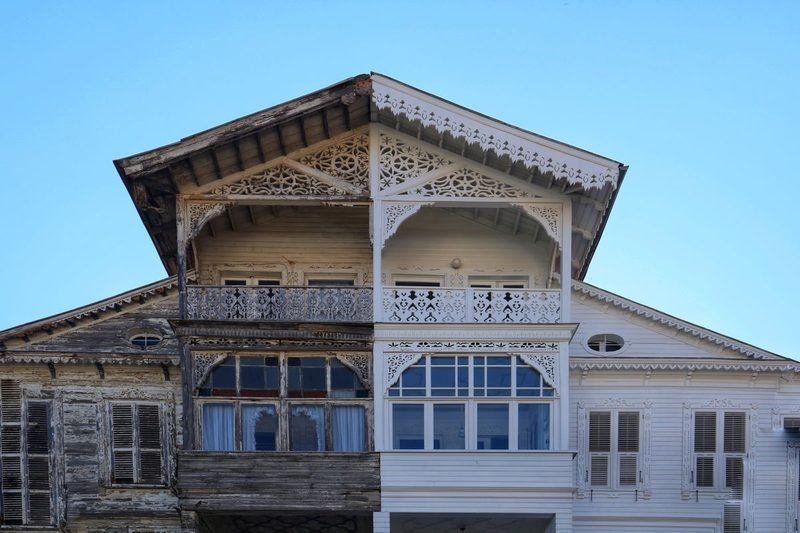
The demise and the lease plan tell you where your flat ends. If it says something like "excluding the roof, roof timbers and external walls", the roof belongs to the freeholder. If it includes "the roof and roof space above", the top flat may own it. The proportions clause is often a fixed percentage, such as 50/50 in a two-flat house or 40/30/30 split by floor area in a three-flat house.
When the lease is silent or unclear
Around 1 in 10 older leases are vague about the roof. When that happens, courts generally imply that the landlord keeps the structure in repair. If owners can't agree, get a solicitor to read it before the work starts, which usually costs £150-£400. That's cheap next to a dispute over a £10,000 bill.
Section 20 and the £250-Per-Flat Limit
If roof works will cost any single leaseholder more than £250, the freeholder must consult everyone before starting. This is Section 20 of the Landlord and Tenant Act 1985, and you can read the legal wording of Section 20 on legislation.gov.uk. Skip it, and the landlord can only recover £250 from each flat, however much the job cost. On a £9,000 re-roof split three ways, that's £8,250 the freeholder can't recover.
For a one-off roof job the process runs in three stages:
- A notice of intention describing the work, which gives leaseholders 30 days to comment and nominate a contractor.
- At least two estimates, one from a firm unconnected to the landlord, followed by another 30-day comment window.
- A written explanation within 21 days if the landlord doesn't pick the cheapest quote or a leaseholder's nominee.
All in, expect 2-3 months from first notice to work starting. Share-of-freehold flats aren't exempt either. The freeholder company is still the landlord in law, so owners in a Fratton or Southsea conversion should send the notices to each other. It feels odd posting a formal letter to the person downstairs. Do it anyway.
Emergency repairs and dispensation
A storm-stripped roof with water pouring in can't wait 60 days. The freeholder can carry out emergency work and then apply to the First-tier Tribunal for dispensation from consultation. The GOV.UK guidance on leasehold disputes at the housing tribunal explains how to apply. Tribunals grant dispensation in most genuine emergencies, provided leaseholders weren't financially harmed by the shortcut. Temporary sheeting or a patch under £250 per flat needs no consultation at all.
Top-Floor Flat Leaks in Southsea Conversions
The top-floor flat is the one that gets wet, but in most leases it isn't the one that pays. In Southsea's converted terraces, typical culprits are slipped Welsh slates, cracked ridge mortar, failed lead around chimney stacks and blocked valley gutters between the main roof and the back addition. The top flat usually notices the damage 2-6 weeks before it spreads to anyone else, if it ever does.
If you're on the top floor, report the leak in writing to the freeholder or managing agent the same day, with photos and dates. That paper trail matters. Under most leases the landlord is only liable for disrepair once they've been told about it, so damage to your ceiling and belongings after the date of notice is far easier to claim back.
When the roof is shared with the house next door
Many Portsmouth terraces share valley gutters and chimney stacks with the neighbouring house, so a leak above your flat can start on the other building's roof. We've covered shared roofs and party walls on Portsmouth terraces in more detail, including how to approach next door when the fault sits on their side.
Getting Agreement Between Flat Owners
In share-of-freehold buildings, the roof often waits because one owner won't commit. Usually it's the ground-floor owner, who has never seen a drip and can't see why they should pay £1,000 for one. What moves people is evidence: a roofer's photos, a written condition report and two or three costed options.
Three things make agreement easier:
- Get the roofer to price "repair now" and "repair in two years" side by side. Water damage to joists and plaster can add £1,500-£4,000 to a bill that started at £800.
- Put a small amount into a sinking fund every month. £20-£40 per flat per month builds £700-£1,400 a year in a three-flat house.
- Agree a simple rule in writing, such as any owner can authorise emergency work up to £500.
If an owner refuses to pay their lease share, the company can pursue it as a debt. Disputes over whether a service charge is reasonable go to the First-tier Tribunal, and the GOV.UK guide to leasehold service charges sets out what leaseholders and landlords can challenge.
Insurance on Portsmouth Flat Roofs
In most leasehold buildings, the freeholder insures the whole structure under one block policy and recharges the premium through the service charge. Your own contents policy covers your belongings, not the roof. Building insurers in Portsmouth pay out for sudden events such as storm damage, typically defined as winds of 55mph or more, which the Solent sees several times most winters.
What they won't pay for is wear and tear. Perished mortar, rusted slate nails and 40-year-old felt are maintenance problems, and around 4 in 10 roof claims are turned down for that reason. Block policy excesses are commonly £250-£1,000 per claim, often split across the flats, so a small repair may be cheaper to pay for directly than to claim.
2026 Roof Repair Costs on Portsmouth Flats, Split Per Flat
These are typical 2026 Portsmouth prices including VAT. Three-storey Southsea terraces often need full scaffolding at £1,200-£2,500 on top, plus a pavement licence from the council on narrow streets, and that's a big reason roof bills on converted houses climb.
- Replacing 5-10 slipped slates: £250-£600 in total, so £125-£300 each for two flats or £85-£200 each for three.
- Rebedding and repointing a ridge: £800-£1,800, or £400-£900 per flat split two ways and £270-£600 split three ways.
- Relining a valley gutter in lead: £1,500-£3,000, or £750-£1,500 for two flats and £500-£1,000 for three.
- Chimney flashing and repointing: £900-£2,200, or £450-£1,100 for two flats and £300-£735 for three.
- A full re-slate on a mid-terrace: £12,000-£20,000, or £6,000-£10,000 for two flats and £4,000-£6,670 for three.
- A new flat roof on a purpose-built block: roughly £9,000-£16,000 per 100m2, split by however many flats the lease names.
Almost anything beyond a few slates will trip the £250 Section 20 limit in a three-flat house. Purpose-built blocks with 12-24 flats split costs further, but their larger flat roofs mean bigger total bills, and a new roof on a mid-sized Portsmouth block can easily reach £30,000-£60,000.
Local trade supply and timing
Portsmouth has a decent pool of roofers, but firms comfortable with leasehold paperwork, written reports and Section 20 quotes are fewer. Book survey and quotes in late spring or summer, so the consultation finishes before the October wet season. Starting the process in November usually means a temporary patch first and the proper repair in March.
Frequently Asked Questions About Roof Repairs on Flats in Portsmouth
Who pays for roof repairs on a leasehold flat in Portsmouth?
Usually the freeholder organises the repair and recovers the cost from all leaseholders through the service charge, in the proportions set by the lease. Check the lease, as some older Southsea conversions make the top-floor flat responsible for the roof.
Does Section 20 apply to share-of-freehold flats?
Yes. The freeholder company is still the landlord in law, so if any one flat's share of the roof works is over £250, the consultation process applies. Skipping it limits what can be recovered to £250 per flat.
What should I do if my top-floor flat roof is leaking?
Put buckets down, take photos, and notify the freeholder or managing agent in writing the same day. Ask for an emergency patch, which won't need consultation if it costs under £250 per flat, and keep receipts for any damage.
How long does Section 20 consultation take?
Usually 2-3 months from the first notice to works starting, because there are two 30-day comment periods plus time to collect quotes. Genuine emergencies can go ahead first with dispensation sought from the tribunal afterwards.
Ready to work with Roof Repairs Portsmouth?
Let's connect! We’re here to help.
Send us a message and we’ll be in touch.
Or give us a call today at 023 9355 3469
Agency Contact Form
More Marketing Tips, Tricks & Tools