Nail Sickness on Slate Roofs in Portsmouth: Signs, Tingle Repairs vs Re-Slating and 2026 Costs
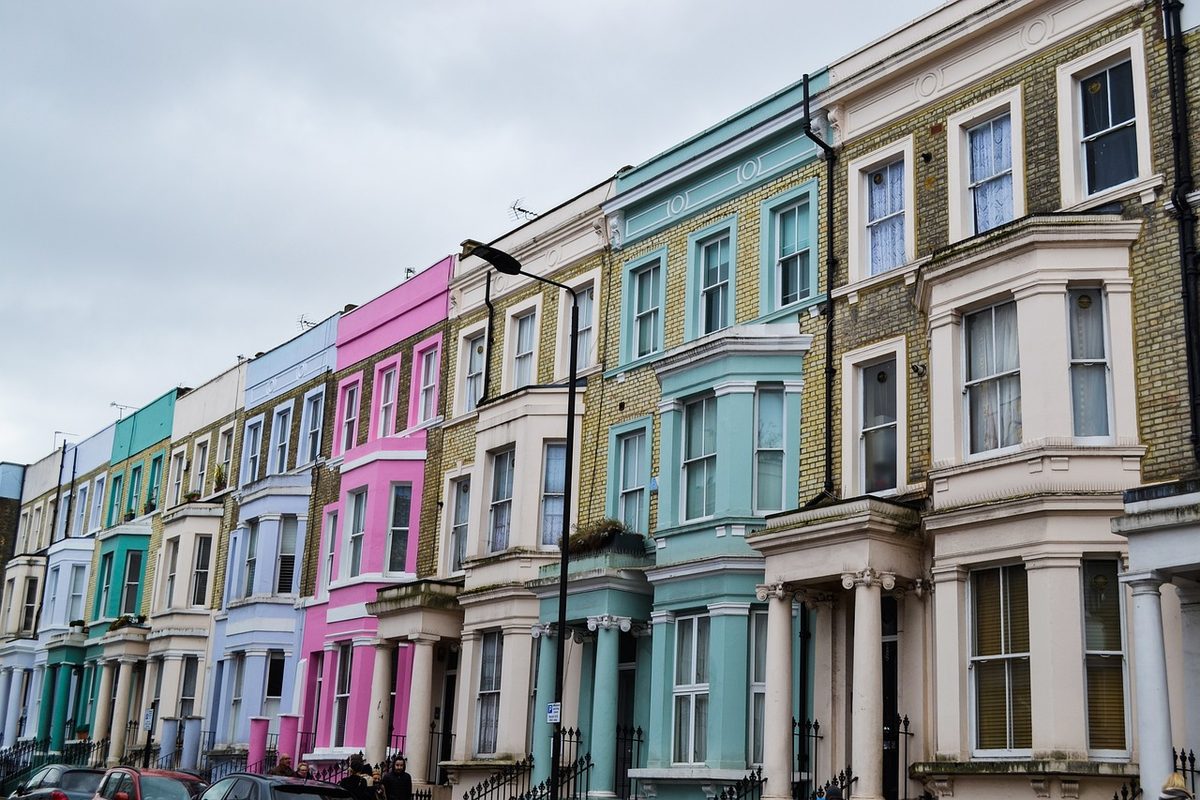
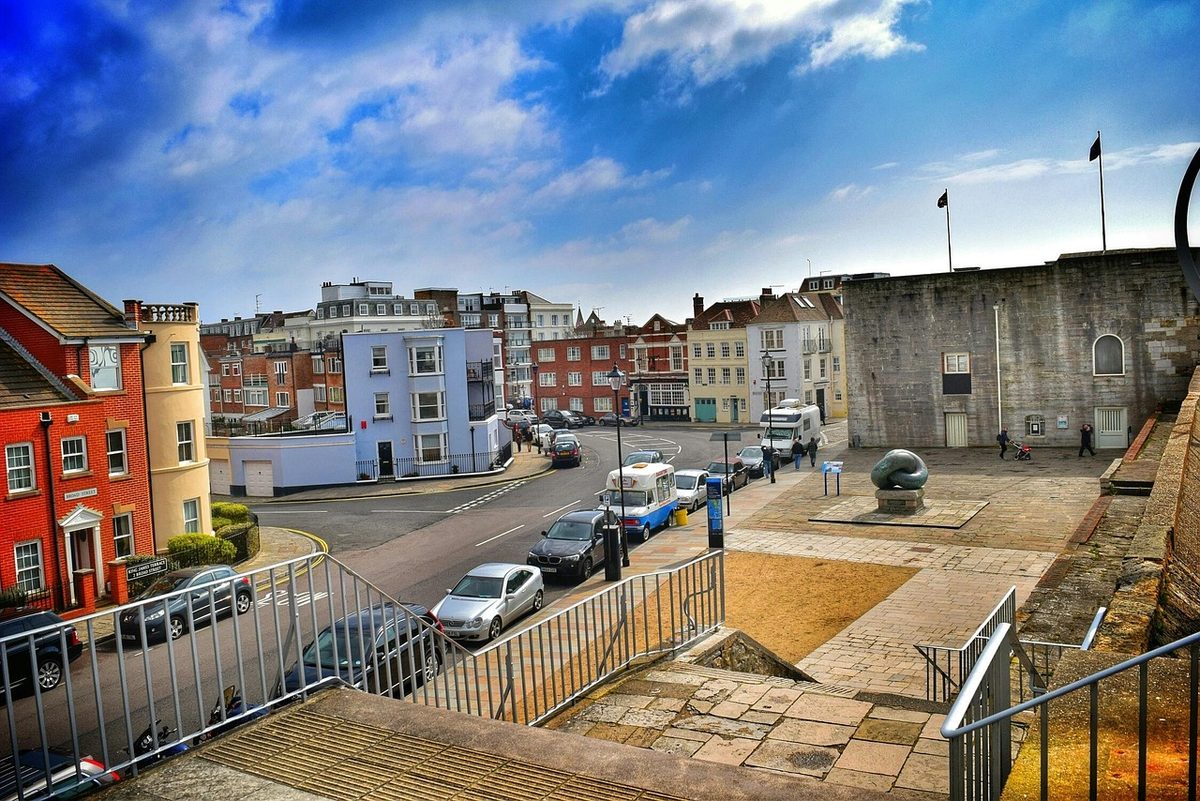
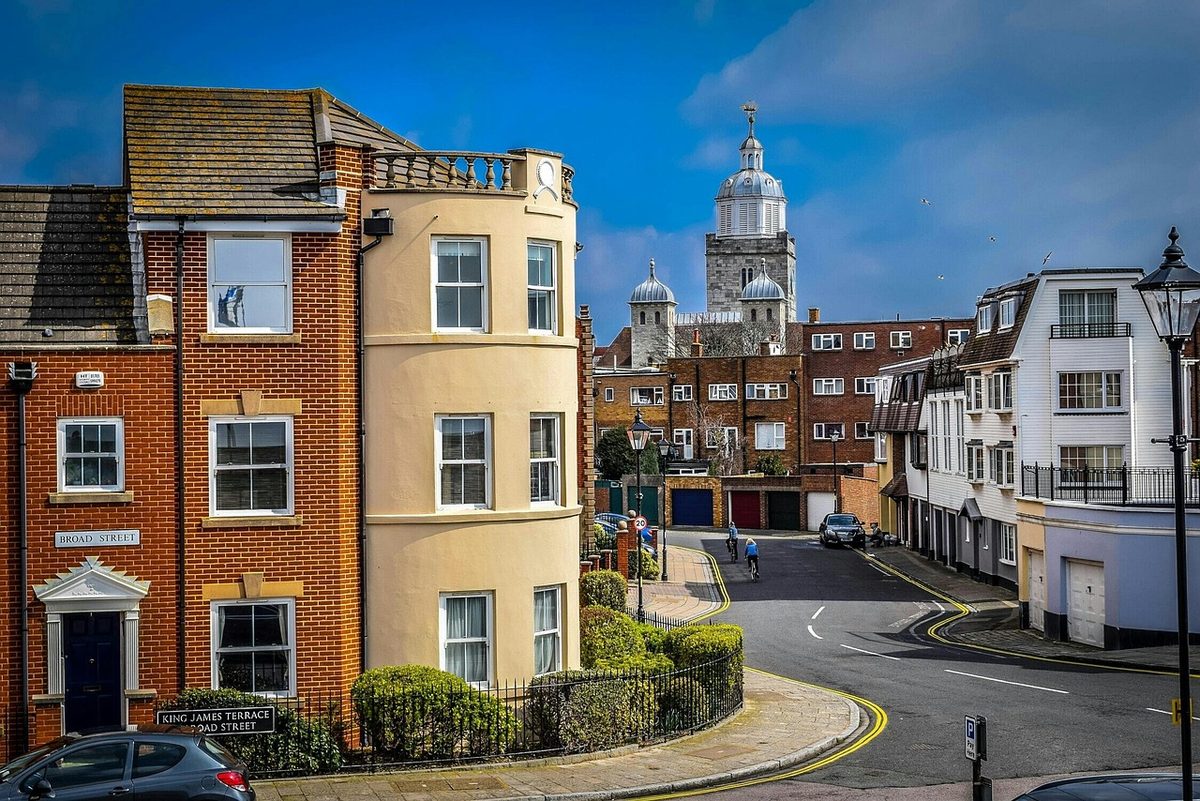
Nail sickness is the most common reason slate roofs in Portsmouth start shedding slates, and it usually has nothing to do with the slates themselves. Around 4 in 10 homes in the city were built before 1919, roughly double the share across England, and thousands of those Southsea, Fratton, North End and Copnor terraces still wear their original Welsh slate. The slate can easily last 150 years. The iron nails holding it on were never going to. Inland, those nails might hold for 80-100 years. On Portsea Island, with salt in the air, winter humidity around 80-85% and about 750mm of rain a year driven in on south-westerly winds, they tend to give up 10-20 years sooner. The result is a roof where perfectly good slates slide out one by one, then in rows. This guide covers how to spot it, what a tingle repair can and can't do, when re-slating makes more sense, and what each option costs in 2026.
What Nail Sickness on a Slate Roof Actually Is
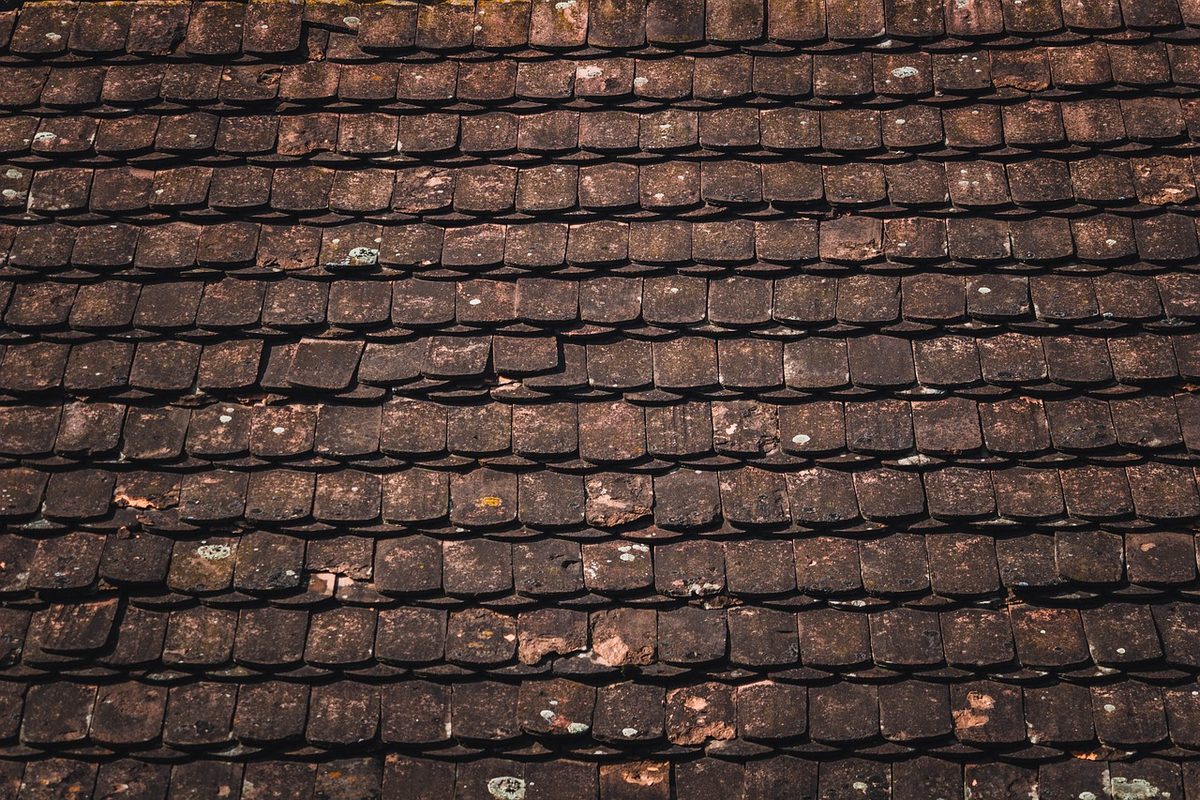
Each slate on a traditional roof is held by two nails driven through holes near its middle or head into timber battens. Victorian roofers mostly used wrought or cast iron nails, and early 20th-century jobs often used thinly galvanised ones. Once the zinc coating or the iron itself starts to rust, the nail thins at the point where it passes through the slate. Eventually the head snaps off or the shank wastes away, and the slate is held by nothing but the friction of the slates around it.
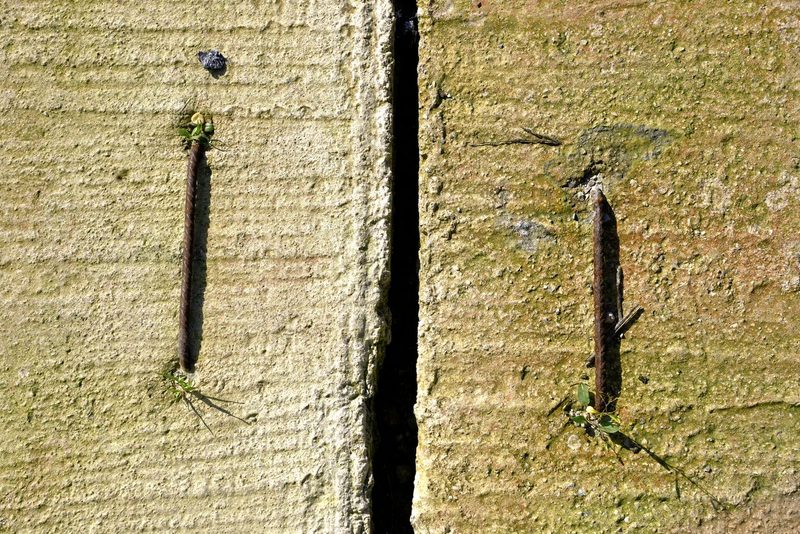
That's why roofers call it a sickness. It isn't one broken slate. It's every nail on the roof slowly failing at roughly the same rate, because they were all fitted on the same day from the same batch. When the first few go, hundreds more are usually close behind.
If you're not sure whether your slipping slates are nail sickness or something else, Roof Repairs Portsmouth can have a look from the loft and from a ladder and tell you how far it has gone before you spend anything.
Why Portsmouth's Terraces Get Nail Sickness Earlier
Salt is the main culprit. Chloride-laden air off the Solent and Langstone Harbour settles on the roof, gets drawn under the slates by wind and capillary action, and sits against the nails. Salt speeds up the corrosion of iron and steel considerably, which is why seafront railings rust years ahead of the same railings a few miles inland.
The weather adds to it. Portsmouth gets fewer frosts than most of the UK, which is good news for the slate, but the winters are long and wet rather than cold and dry. Wind-driven rain from the south-west pushes water up under slate laps, and old terraces often have no underlay at all, just bare battens. So the nails spend months of every year damp.
Then there's the age profile. Whole streets were roofed within a few years of each other in the 1880s-1910s, so whole streets hit nail sickness at roughly the same time. Plenty of local roofers are already booked up 3-6 weeks ahead between November and March, and a run of terraces failing at once makes that worse after a big storm.
The Signs of Nail Sickness to Look For
You can usually spot it from the pavement or the back garden. The classic signs are:
- A horizontal row of slates sitting an inch or two lower than their neighbours
- Gaps where a slate has slid down and exposed the batten or felt beneath
- Slates that rattle or lift at the tail during a blow, then drop back
- Slates in the gutter or on the path (one after a storm is a warning, a handful every winter is a pattern)
- Orange rust streaks running down from the nail holes
- Pinpricks of daylight between slates in the loft, or damp battens after rain
One loose slate after a named storm can just be bad luck. Three or four slipping in different parts of the same slope, or slates coming off year after year, almost always means the nails are failing across the roof.
Tingle Repairs: The Patch Fix and Its Limits
A tingle is a small strip of metal used to hold a slate in place when you can't get at the nails. The roofer slides the slipped slate back up, nails the tingle to the batten through the gap between the slates below, then folds the end up over the tail of the slate to hook it in position. Lead tingles are the traditional option. Copper and stainless steel clips are stronger, less likely to fold open in high wind, and the better choice on an exposed coastal roof.
Tingles are a good fix when a handful of slates have slipped and the rest of the roof is sound. A roofer can usually refix 10-20 slates in a morning from a ladder or roof ladder, and a well-fitted copper or stainless tingle will last as long as the slate around it.
They have limits, though. Two or three clips on a front slope barely show, but 40 of them makes the roof look patched from the street. Lead tingles can straighten out in strong gusts and let the slate slide again. And no tingle touches the cause. Every other nail on the roof is still rusting at the same rate, so you're managing the decline rather than stopping it.
If you find yourself calling a roofer back every winter for another batch of tingles, you're spending re-slating money in instalments.
Tingle Repairs vs Re-Slating: When to Stop Patching
There's no hard line, but most experienced slaters work to a rough rule of thumb. If fewer than about 5% of the slates on a slope have slipped and the roof is otherwise in good shape, tingles make sense. Between 5% and 10%, it depends on the roof's age, how many slates are falling each year and whether the house is about to be sold. Once more than about 10-15% have slipped, or slates are coming off every winter, re-slating is usually cheaper over a 10-year view.
Age matters too. A roof still on its original iron nails after 100-plus years is living on borrowed time, even if only a few slates have moved so far. A typical two-bed terrace front slope carries around 600-800 slates, so 10% is 60-80 slipped slates. That's a lot of tingles.
Reusing your original slates
Nail sickness rarely means the slate is finished. When a Welsh slate roof is stripped carefully, 60-80% of the slates are often good enough to go back on. Each one is checked for cracks, flaking and soft edges, and the sound ones are re-holed and re-hung. Shortfalls are made up with reclaimed Welsh slate of a similar size and colour, or with new slate. A common approach on terraces is to put all the original slate on the street-facing front slope so it still matches the neighbours, and use new slate on the back.
We've compared slate with other materials in our guide to the best roof tiles for Portsmouth homes on the coast, which is worth a read if you're weighing up a change rather than a like-for-like re-slate.
New Welsh vs Spanish slate
New Welsh slate costs roughly twice as much as good Spanish slate but matches original Victorian roofs perfectly and lasts well over 100 years. Quality Spanish slate is a perfectly sound choice for a rear slope or a whole roof outside a conservation area, with a typical lifespan of 60-100 years depending on grade.
Doing It Properly: Nails, Battens and Underlay
The whole point of re-slating is not to have the same problem again in 2080. On a coastal job, that means copper nails or stainless steel nails, never plain or thinly galvanised steel. BS 5534, the British Standard for slating and tiling, calls for copper, aluminium alloy or stainless steel nails anyway, and in salty air you can see why. Copper nails add only around £150-£300 to a typical terrace re-slate.
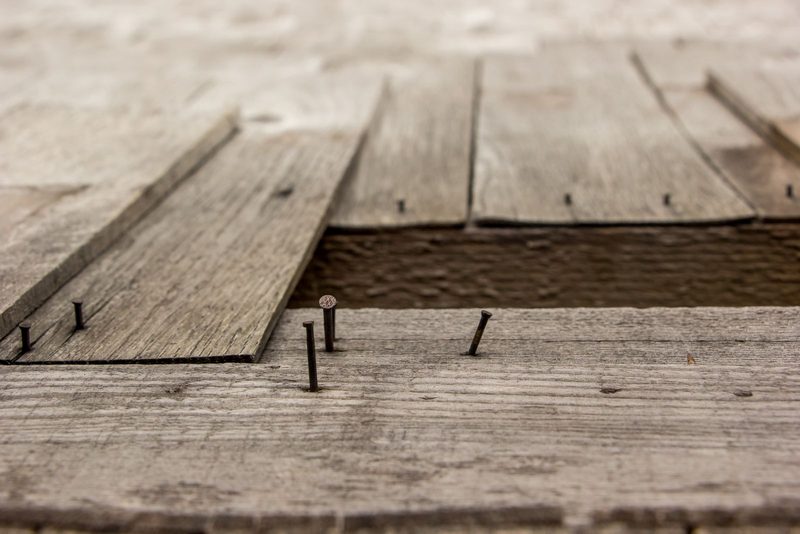
Because the roof is stripped anyway, it's also the moment to replace the battens with treated timber and lay a breathable membrane, which most original Portsmouth terraces never had. That stops wind-driven rain reaching the loft if a slate does crack later, and keeps the new nails drier for longer. Add proper ventilation at the eaves or ridge so the membrane doesn't trap condensation.
Nail Sickness Repair Costs in Portsmouth for 2026
Typical prices, including VAT:
- Refixing slipped slates with tingles: £20-£40 per slate, with a minimum call-out of £150-£250
- Small batch repair (10-20 slates, ladder access): £250-£600
- Re-slating using salvaged and reclaimed Welsh slate: £90-£130 per m²
- Re-slating with new Spanish slate: £100-£140 per m²
- Re-slating with new Welsh slate: £150-£200 per m²
- Front slope only, two-bed terrace (around 30-35m²): £3,500-£6,500 depending on slate choice
- Whole roof, two-bed terrace front and back (around 60-70m²): £7,000-£14,000
- Scaffold for a terrace front and back: £900-£1,800, plus a pavement licence where needed
Portsmouth prices sit about 5-10% above the national average, mostly because of access on tight terraced streets and a short supply of skilled slaters in south Hampshire. Slating is a specialist skill, and far fewer roofers are confident re-holing and re-hanging old slate than laying concrete tiles. Booking for spring or summer usually gets you a shorter wait and better weather for a stripped roof.
Conservation areas
Portsmouth has more than 20 conservation areas, and several take in the same Victorian streets where nail sickness is most common. Like-for-like re-slating rarely needs permission, but changing the material on a front slope may be controlled by an Article 4 direction. Check Portsmouth City Council's conservation area guidance before swapping slate for anything else.
Choosing a Slater for the Job
Ask any roofer quoting for a re-slate what nails they'll use, how they'll handle salvaged slate and whether the price includes new battens and membrane. A good slater will answer all three without hesitating. Be wary of anyone who suggests a roof coating or foam to "glue" slipping slates back in place, as it traps moisture against the battens and can make the roof impossible to salvage later.

Members of the National Federation of Roofing Contractors' member directory and firms listed through TrustMark's search for government-endorsed tradespeople have been checked for insurance and workmanship standards. Ask for photos of the old nails and battens once the roof is stripped. They're the best evidence you'll get that the job was needed.
Frequently Asked Questions About Nail Sickness in Portsmouth
How do I know if my slate roof has nail sickness?
Look for slates slipping in rows, gaps where slates have slid down, slates lifting in wind and regular slates in the gutter after storms. If several slates have moved on different parts of the roof, the nails are probably failing across the whole slope.

Can nail sickness be repaired without re-slating?
Yes, if it's caught early. Copper or stainless steel tingles can hold slipped slates back in place for £20-£40 each. Once more than about 10-15% of slates have slipped, or slates come off every winter, re-slating is usually better value.
How much does it cost to re-slate a terraced house in Portsmouth?
In 2026, re-slating a typical two-bed terrace front and back costs £7,000-£14,000, plus £900-£1,800 for scaffold. Where you land depends on how much original slate can be reused and whether the shortfall is made up with Spanish or Welsh slate.
Can my old slates be reused?
Often, yes. On a careful strip, 60-80% of original Welsh slates are usually sound enough to go back on, with the rest made up from reclaimed or new slate.
Ready to work with Roof Repairs Portsmouth?
Let's connect! We’re here to help.
Send us a message and we’ll be in touch.
Or give us a call today at 023 9355 3469
Agency Contact Form
More Marketing Tips, Tricks & Tools