Extension Roof Leaks in Portsmouth: Lean-To, Kitchen and Back Addition Roofs and 2026 Repair Costs
Extension roof leaks in Portsmouth have a habit of turning up in the same place: a brown stain on the kitchen ceiling, right where the extension meets the back wall of the house. It's one of the most common calls we get between October and March. Portsmouth gets around 750mm of rain a year, which is close to the England average, but a lot of it arrives sideways on south-westerly gales off the Solent. That wind-driven rain finds the weak joint between an old terrace and a newer lean-to far more easily than rain falling straight down. Around 70% of the extension leaks we trace come from that junction rather than the main roof surface. Many of the city's rear kitchens and bathroom extensions were added in the 1970s and 80s, so plenty are now 40-50 years old, on their second or third covering, and pitched far shallower than the tiles on them were ever made for.
Why Extension Roofs in Portsmouth Leak More Than the Main Roof
A main roof on a Southsea or Fratton terrace is usually pitched at 35-45 degrees. Water runs off it fast. A single-storey lean-to tucked under a first-floor window often has a pitch of 10-17 degrees because there just isn't the height to go steeper. Most concrete interlocking tiles need at least 17.5-22.5 degrees to shed water reliably, and natural slate wants 20-25 degrees. Put either on a shallower slope and rain sits on the laps long enough for wind to push it uphill and under.

Then there's the joint. Every extension has a line where its roof stops and the original house wall carries on, and that line is sealed with lead flashing chased into the brickwork. On the coast, the mortar holding that lead in goes soft and sandy faster than inland, and the lead itself splits as it moves with the seasons. Once water gets behind it, it runs down the inside of the old wall and comes out on the ceiling, often a metre or more from where it got in.
If you've got a stain spreading across an extension ceiling, Roof Repairs Portsmouth can come out, look at the junction and the roof surface, and tell you which one is actually letting the water in before anyone starts quoting for a new roof.
The Five Places Extension Roofs Usually Fail
The wall abutment
This is the junction described above, and it's the cause roughly 7 times out of 10. Look for lead that has pulled out of its mortar joint, lumps of mastic smeared over the top (a sign someone has already tried a cheap fix), or flashing that's too short to lap over the tiles properly. On a pitched lean-to, the abutment should have stepped lead flashing down the sides and a continuous apron flashing along the top. If one of those is missing, it's been leaking slowly for years.
The tiles themselves
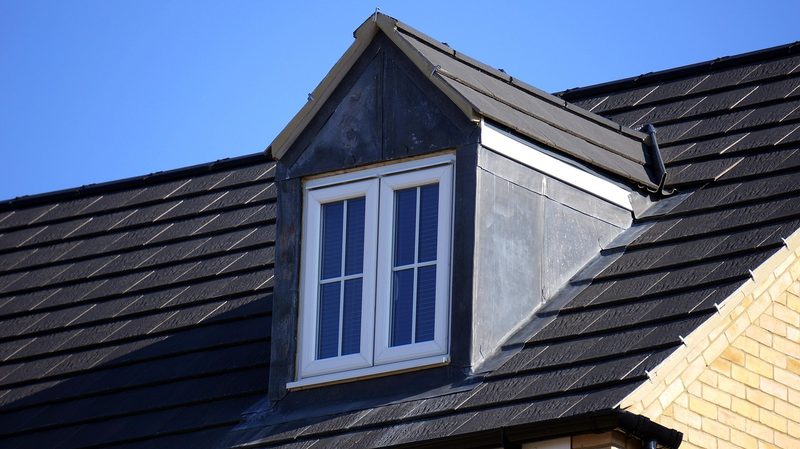
On a roof pitched below the tile manufacturer's minimum, the tiles are the problem even when none are broken. Water blows back up under the laps, soaks the underlay and drips through at the batten lines. You'll often see a row of small stains rather than one big patch.
Flat sections and felt
Plenty of Portsmouth kitchen extensions are flat, or have a flat section behind a pitched front. Old three-layer felt lasts about 15-20 years here. Salt air and strong sun on south-facing backs crack the top layer, and the blisters you see in summer turn into splits by winter.
Rooflights and roof windows
A rooflight that was fitted without the right flashing kit for the pitch will leak around the frame. Condensation can look like a leak too, so we always check whether the water appears during rain or on cold mornings.
Gutters and the drip edge
If the gutter at the bottom is blocked or set too low, water backs up under the first course of tiles and soaks the fascia and wall plate. Simple to fix. Easy to miss.
Finding the Leak Before You Fix It
A good roofer will start at the stain and work back. Water travels along timbers and down the inside of walls, so where it appears is rarely where it gets in. On extensions, the usual checks are the lead at the abutment, the tiles directly uphill of the stain, any penetrations like soil pipes or flues, and the condition of the underlay from inside if there's a loft hatch.
For leaks that only show in certain winds, a controlled water test helps. That means running a hose on one section at a time, starting low and working up, while someone watches inside. It takes an hour or two and usually costs £100-£250 on its own, or is included in the repair quote. We've written a fuller guide to roof felt replacement in Portsmouth and what failed underlay looks like, which is worth a read if your extension has a pitched roof and the water seems to come through everywhere at once.
One thing we'd steer you away from is having the whole junction smothered in sealant or bitumen paint. It might stop the drip for a winter. It also traps water behind the flashing, hides what's going on, and makes the proper fix more expensive when it finally comes.
Repair or Replace? What Makes Sense for an Older Extension
When a repair is enough
If the roof is pitched at or above the tile's minimum and the leak is at the abutment, a repair is usually the right call. New lead flashing chased into a fresh mortar joint, or re-pointing and re-dressing existing lead that's still sound, fixes the cause for 30 years or more. Same goes for a few cracked tiles, a split felt seam or a badly flashed rooflight.

When it's time to re-roof
If the roof is pitched below the tile's minimum, no amount of patching will make it watertight in a Portsmouth winter. The honest answer is to change the covering to something designed for low pitches. The usual options are:
- A low-pitch tile system rated down to 12.5-15 degrees
- Fibre cement or natural slate laid at the right lap for the pitch, if the pitch is borderline
- Converting a shallow lean-to to a single-ply membrane, EPDM or GRP, which work at almost any fall
- Raising the pitch, which is rarely possible under a first-floor window but sometimes works on wider extensions
Re-roofing an extension is also the best chance you'll get to add insulation. Most extensions from the 1970s and 80s have little or none, which is why the kitchen is always the coldest room. If more than 25% of the roof is renewed, building regulations generally expect the insulation to be brought up to current standards anyway.
Extension Roof Repair Costs in Portsmouth for 2026
These are typical prices including VAT for a single-storey rear extension on a terraced or semi-detached house:
- Leak investigation and water test: £100-£250
- Re-pointing existing abutment flashing: £180-£400
- New lead abutment flashing, 3-4m run: £450-£900
- Replacing a handful of broken tiles: £150-£350
- Re-flashing a rooflight: £250-£550
- Patching a felt flat roof: £200-£450
- Re-roofing a lean-to with low-pitch tiles, 12-15m²: £2,800-£4,800
- Replacing a flat extension roof with EPDM or GRP, 12-15m²: £1,800-£3,500, more with insulation
- Adding insulation during a re-roof: £25-£45 per m² extra
Portsmouth prices sit about 5-10% above the national average. Access is the big reason. On a mid-terrace with no side passage, materials and old tiles often have to come through the house, and that adds labour. The other reason is supply. South Hampshire has fewer roofers than demand needs, and from November to February good firms are booked 3-5 weeks ahead. If you can see a stain forming in autumn, get it looked at then rather than waiting for the first big storm.
Planning, Building Regs and Your Neighbour
Replacing an extension roof like for like doesn't need planning permission. Changing its shape or height might. The Planning Portal's guidance on extensions explains the permitted development limits for single-storey rear extensions, including the 4m height cap. If your house is in one of Portsmouth's conservation areas, rear roofs are usually less controlled than front ones, but check first if the extension is visible from a public road.

Re-roofing more than a quarter of the extension counts as a controlled renovation for energy purposes, which means notifying building control. You can do that through Portsmouth City Council or a private inspector, or use a roofer who can self-certify through a competent person scheme. The gov.uk guide to building regulations approval sets out when you need it and how to apply.
On a terrace, the extension often sits right against the neighbour's boundary wall, so the flashing may need to go into a party wall. Work on that wall can trigger the Party Wall Act. A short conversation and a written notice usually covers it, and it's far cheaper than a dispute later.
What Good Extension Roof Work Looks Like
You don't need to be an expert to spot quality. Lead flashing should be chased into a mortar joint about 25mm deep, held with lead wedges and pointed in, never just stuck to the face of the wall with mastic. Lead pieces should be no longer than about 1.5m each so they can move without splitting, which is a rule from the Lead Sheet Training Academy's guidance on working with lead. Tiles should be the right type for the pitch, and the roofer should be able to tell you the manufacturer's minimum without looking it up.
Ask for photos of the abutment before and after, and ask what guarantee comes with the work. A workmanship guarantee of 10 years on a re-roof, or 2-5 years on a repair, is normal for a reputable Portsmouth firm.
Frequently Asked Questions About Extension Roof Leaks in Portsmouth
Why does my extension roof leak only when it's windy?
Because the rain is being pushed sideways and uphill. On Portsmouth's exposed backs, south-westerly gales drive water under tile laps on low-pitched lean-tos and behind loose lead flashing at the wall. A roof that's dry in still rain but leaks in a gale usually has a pitch or flashing problem, not a hole.

How much does it cost to fix a leaking extension roof in Portsmouth?
Most abutment and flashing repairs cost £180-£900 in 2026. Re-roofing a 12-15m² lean-to with low-pitch tiles costs £2,800-£4,800, and replacing a flat extension roof with EPDM or GRP costs £1,800-£3,500 before insulation.
Can I just seal the leak with mastic or roof paint?
It might stop the drip for a short time, but it usually traps water behind the flashing and makes the eventual repair harder and more expensive. A proper fix replaces or re-chases the lead into the wall.
Is my extension roof too shallow for tiles?
If it's below about 17.5 degrees and covered in standard concrete tiles, probably yes. A roofer can measure the pitch and check it against the tile manufacturer's minimum. If it's too shallow, a low-pitch tile or a membrane roof is the long-term fix.
Ready to work with Roof Repairs Portsmouth?
Let's connect! We’re here to help.
Send us a message and we’ll be in touch.
Or give us a call today at 023 9355 3469
Agency Contact Form
More Marketing Tips, Tricks & Tools