Dry Verge and Dry Ridge Systems in Portsmouth: Costs and Coastal Wind Resistance
If you live on Portsea Island, you've probably watched a neighbour's ridge tiles come loose after a rough winter. There's a reason for it. Portsmouth sits low and exposed with the Solent funnelling south-westerly gales straight across the city, and it regularly logs winter gusts above 50mph. Traditional mortar bedding, the sand-and-cement mix that holds ridge and verge tiles in place, simply wasn't built for that kind of punishment year after year. Mortar starts to crack within 10 to 15 years in a coastal climate, roughly half the life it might manage inland. Dry verge and dry ridge systems fix the tiles mechanically instead, with clips and screws rather than mortar, and they carry a design life of 30 years or more. Since 2015, British Standard 5534 has actually required mechanical fixing on new and re-roofed ridges. Here's what these systems cost in Portsmouth, how they stand up to the wind, and when they're worth the money.
What Dry Verge and Dry Ridge Systems Actually Are
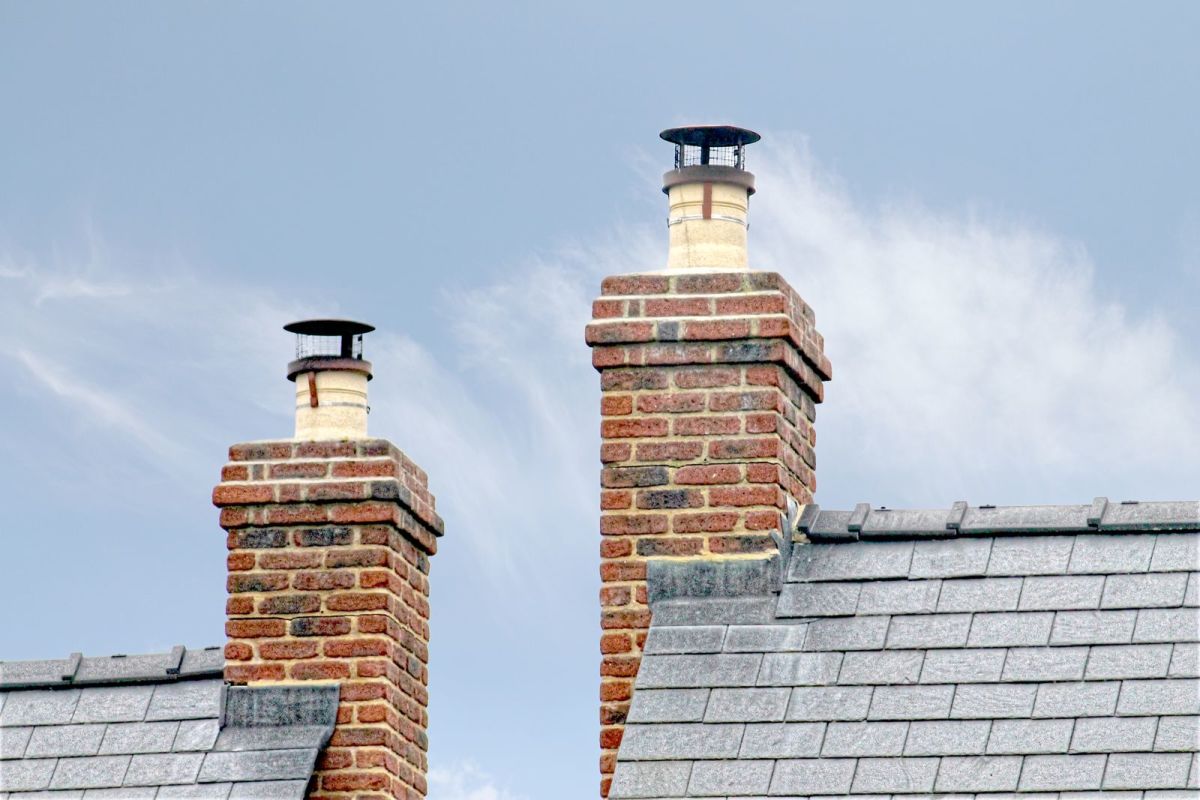
A dry ridge system holds the ridge tiles down the apex of your roof using a continuous roll of breathable membrane, plastic or metal unions, and stainless steel screws. No mortar anywhere. A dry verge does the same job at the gable ends, the sloping edges of the roof, capping the tiles with interlocking plastic units that clip and screw into the tile battens. Both replace a wet, weather-dependent job with a dry, mechanical one that goes on in almost any conditions.
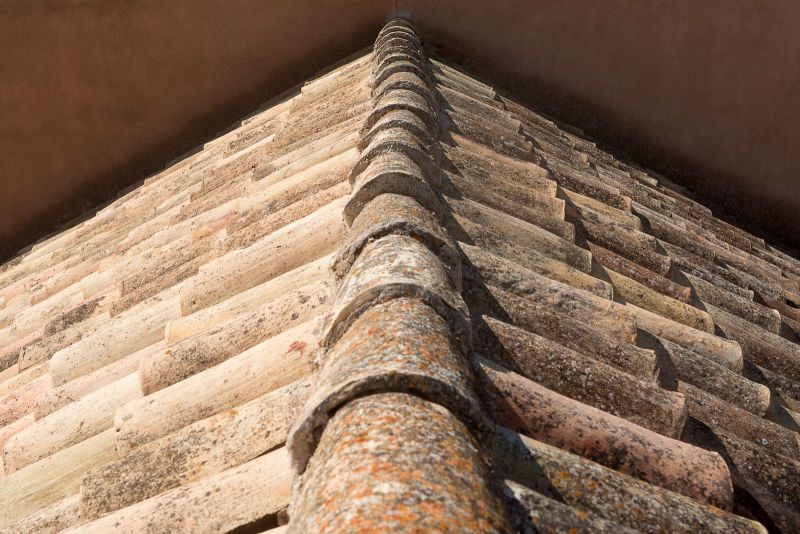
The difference in how they behave over time is stark. Mortar is rigid and brittle, and it expands and contracts at a different rate to the tiles it holds. Every hot Southsea summer and cold, damp winter works tiny cracks into it, and once water gets in and freezes, the bond fails. A dry-fixed ridge flexes slightly with the roof and lets trapped moisture escape through the ventilated ridge roll, which also helps keep your loft drier. If you want a straight answer on whether your roof is a good candidate, the team at Roof Repairs Portsmouth can assess the ridge line and verges and tell you honestly what needs doing.
Around 70% of the housing stock across Portsmouth is Victorian and Edwardian terraces, and the vast majority still have mortar-bedded ridges. That makes dry-fix retrofits one of the most common upgrades roofers in the city are asked about.
Why Coastal Wind Is So Hard on Portsmouth Ridges
Portsmouth's geography is the whole story here. The city sits on a flat island with nothing to break the wind coming off open water, so coastal towns routinely see wind speeds 10 to 15mph higher than inland Hampshire for the same weather system. The Met Office's severe weather and named storm records show several storms crossing the south coast each winter, and each one tests every ridge and verge in the city.
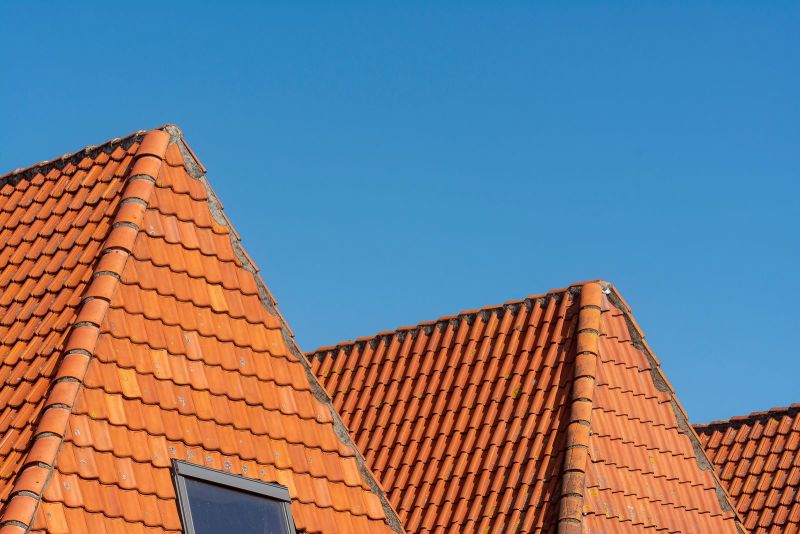
Ridge and verge tiles are the most exposed parts of any roof. They sit at the very top and edges, where wind pressure is highest and where gusts can get underneath and lift. When mortar has already cracked, a single strong gust is all it takes to send a ridge tile into the street below, which is both a repair bill and a genuine safety risk on a busy terraced road.
Salt air speeds up the damage
There's a second problem that inland roofs don't face. Salt-laden air off the Solent is mildly corrosive and it keeps mortar damp for longer, slowing the curing and weakening the bond over time. It also eats away at the old mild-steel nails holding the tiles themselves, a condition roofers call nail sickness. On a coastal roof, mortar and fixings can degrade 30 to 40% faster than the same materials would a few miles inland. Dry-fix systems sidestep this entirely by using stainless steel and UV-stable polypropylene, both of which shrug off salt air.
What Dry Ridge and Dry Verge Cost in Portsmouth
Prices vary with roof size, height, and access, but here's a realistic guide for Portsmouth homes:
Dry ridge conversion (main ridge line): £450 - £900 for a typical terrace, more on a longer or double-ridged roof.
Dry verge fitting (per gable end): £200 - £450 per side, so £400 - £900 for both sides of a semi or end terrace.
Combined dry ridge and dry verge on a full re-roof: usually adds £600 - £1,500 over a mortar finish.
Hip roofs (dry hip system): £500 - £1,000, as hips need extra unions and careful detailing.
Scaffold is the big cost variable, exactly as it is with any roof work. On a three-storey Southsea or Portsea terrace, access alone can add £400 - £700, which is why it makes sense to combine dry-fix work with any other roof repair rather than paying for scaffold twice. Set against a mortar re-bed every 10 to 15 years, a one-off dry-fix upgrade usually pays for itself over the life of the roof.
Dry Fix Versus Traditional Mortar: The Honest Comparison
Mortar isn't useless. Done well by a skilled roofer, a fresh mortar bed looks neat and holds fine for a decade or so. It's also cheaper up front, which matters if you're on a tight budget. But in a coastal, high-wind spot like Portsmouth, the maths tips towards dry fix fairly quickly.
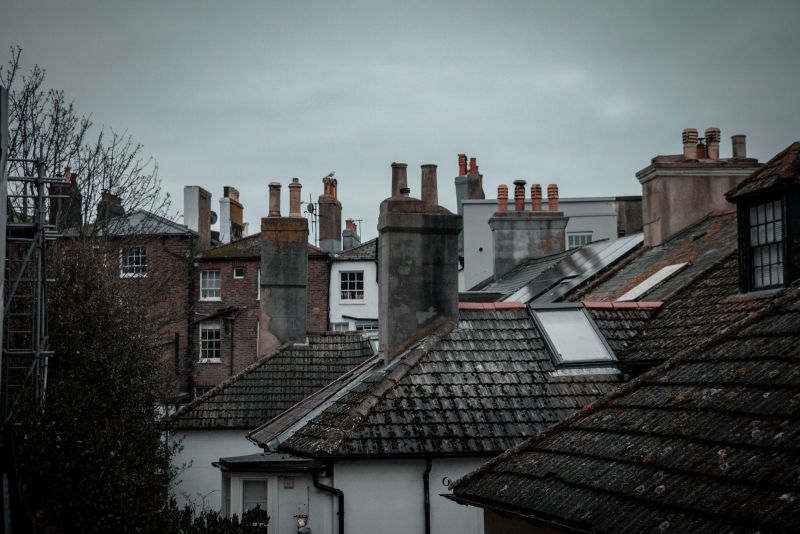
The headline numbers tell it plainly. Mortar bedding lasts roughly 10 to 15 years on an exposed coastal roof before it needs re-pointing or replacing. A quality dry-fix system is guaranteed for 30 years and often lasts longer. Over a 30-year window you'd expect to re-bed mortar at least twice, and each re-bed means scaffold, labour, and disruption. Dry fix is close to fit-and-forget.
There's also the compliance point. The NFRC's guidance on mechanical fixing and BS 5534 makes clear that all newly bedded ridge and hip tiles must also be mechanically fixed, so a mortar-only ridge on a modern re-roof doesn't actually meet the current standard. If a roofer offers you mortar-only bedding on a re-roof, that's a red flag worth questioning.
When Your Portsmouth Roof Actually Needs Dry Fix
Not every roof needs converting tomorrow. If your mortar is sound and your last re-roof was recent, there's no rush. But there are clear signs it's time to act, and ignoring them on a Portsmouth roof tends to get expensive.
Look for hairline cracks running along the mortar line, ridge tiles that rock slightly when pushed, gaps where mortar has fallen away, and any loose fragments of sand-cement in your gutters or garden. If you've had ridge or verge tiles come down in the last couple of winters, that's your roof telling you the bedding has failed. Roughly one in three storm-related roofing call-outs in coastal towns involves a ridge or verge that let go, so it's far from a rare problem.
We've written before about the wider signs a roof is failing rather than just weathered in our guide to slipped and loose roof tiles in Portsmouth, which is worth a read if you keep finding tile fragments after every gale.
Choosing a Roofer for Dry Fix Work in Portsmouth
Dry-fix systems are only as good as the fitting. The components are well engineered, but a rushed install with skipped screws or a poorly lapped membrane will fail early, so who does the work matters more than the brand of kit. Quotes for identical dry-ridge jobs can vary by 40% or more across Hampshire, and the cheapest is rarely the safest bet.
Get two or three written quotes and check that the roofer is using a system that carries a proper guarantee and meets BS 5534. Look for membership of a recognised trade body such as the National Federation of Roofing Contractors or registration with the government-endorsed TrustMark scheme, both of which vet tradespeople for quality and back you up if something goes wrong. A local Hampshire roofer who works on these coastal roofs week in, week out will know exactly how to detail a ridge that has to survive the next thirty years of Solent gales. A doorstep caller with a van and a bag of cement won't.
---
FAQ
Q: How much does a dry ridge system cost in Portsmouth?
A: A dry ridge conversion on a typical Portsmouth terrace costs around £450 - £900 for the main ridge line, and dry verge fitting adds £200 - £450 per gable end. On a full re-roof, dry fix usually adds £600 - £1,500 over a mortar finish. Scaffold on a three-storey terrace can add £400 - £700, so it pays to combine the work with any other roof repair.
Q: Is dry fix better than mortar for a coastal roof?
A: For an exposed, salt-air location like Portsmouth, yes. Mortar bedding lasts roughly 10 - 15 years before cracking on a coastal roof, while a quality dry-fix system is guaranteed for 30 years or more. Dry fix uses stainless steel and UV-stable plastic that resist salt corrosion and mechanically clamp tiles down, so they hold in the 50mph-plus gusts Portsmouth sees several times each winter.
Q: Is dry ridge a legal requirement in the UK?
A: British Standard 5534 has required all newly bedded ridge, hip, and verge tiles to be mechanically fixed since 2015. This does not force you to convert an existing sound roof, but any new roof or re-roof must include mechanical fixing, so mortar-only bedding on a re-roof does not meet the current standard.
Q: How do I know if my Portsmouth roof needs dry fix?
A: Watch for hairline cracks along the mortar line, ridge tiles that rock when pushed, gaps where mortar has fallen away, and sand-cement fragments in your gutters. If you have lost ridge or verge tiles in the last couple of winters, the bedding has likely failed and a dry-fix upgrade is worth pricing up.
---
Ready to work with Roof Repairs Portsmouth?
Let's connect! We’re here to help.
Send us a message and we’ll be in touch.
Or give us a call today at 023 9355 3469
Agency Contact Form
More Marketing Tips, Tricks & Tools